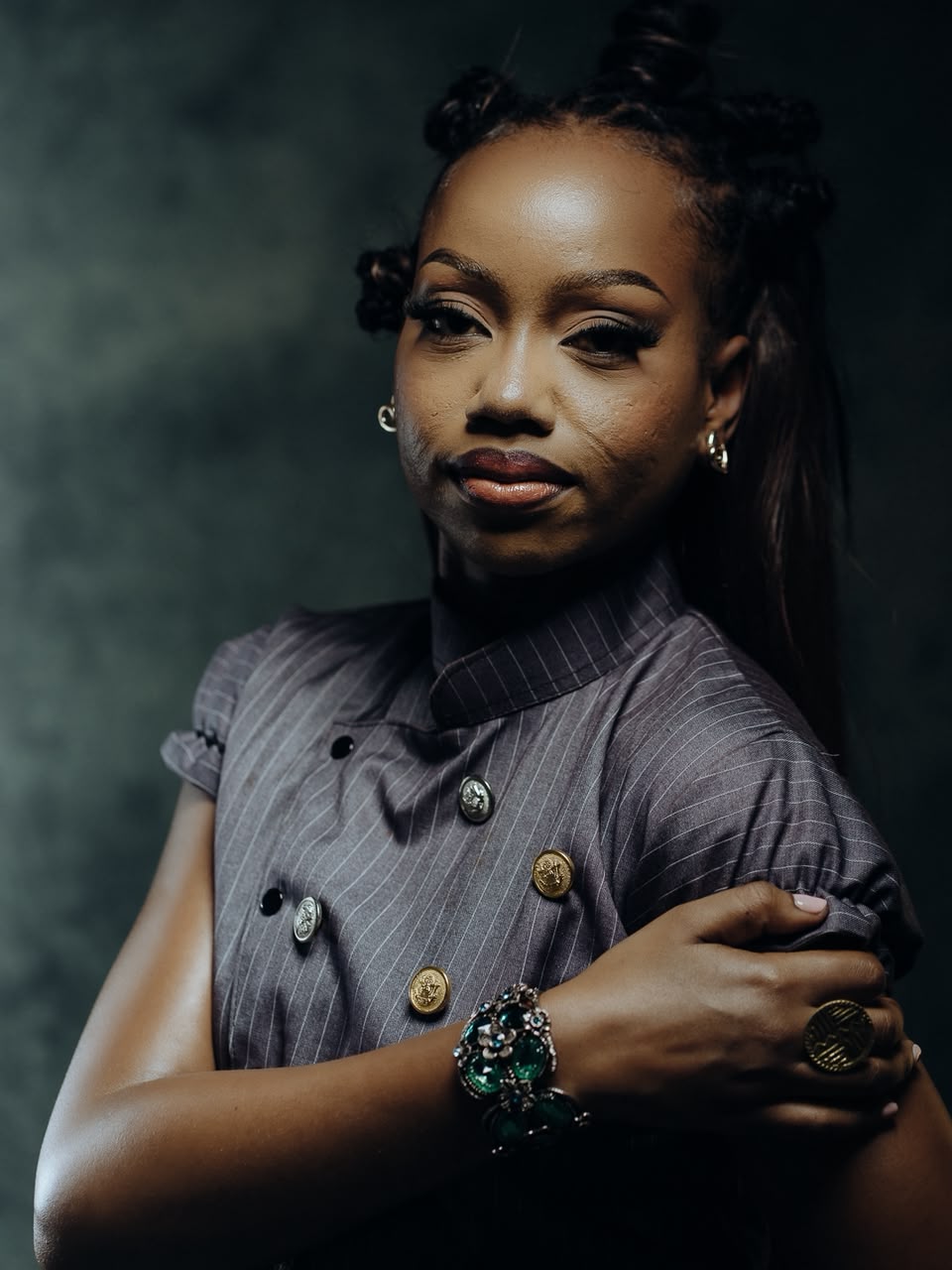
Njerae Is Expanding Her Sound

Authored by

‘Expansion.’ That’s the recurring remark Kenyan singer-songwriter and producer Njerae emphasizes throughout. Now, with the release of her two latest singles, “On My Own” (featuring KayCyy) and “Let Them Know,” she might be doing just that. 

Since her breakout  hit “Aki Sioni” off her 2022 debut album, Unintentional, Njerae’s natural aptitude to emote infectious tunes have resonated with fans who have dubbed her ‘lover girl’. With three studio albums in, across Afro-indie, R&B and Soul, becoming Kenya’s most streamed female artist last year, and being named among Apple Music’s Rising Class of 2025 is testament that Njerae has earned her mark in the game.

Deeds Magazine caught up with the ‘254’ crooner to chat about her artistry so far, the region’s music industry at home and the ambition to keep expanding her sound further.  

Stanley for Deeds: For anyone reading this and discovering you for the first time, how would you introduce yourself? 

I’m Njerae, a singer-songwriter, producer, and performing artist from Nairobi, Kenya. The OG one and only ‘lover girl.’ My music is geared towards human interaction, but mostly around the love side and the struggles and, you know, the things that come about with being in relationships, both platonic and intimate. I mostly focus on R&B but I am currently in a space where I'm trying to explore more and my two new songs are part of that exploration process. 

Every era of your music has been a slightly different version of you figuring yourself out. What has manifested as your strongest growth?

I think more than anything, music has kind of given me that space to explore my vulnerability and to embrace that as well. Sometimes it can be hard to speak about the things that you want to speak about and for me from ‘Unintentional’ all the way to now, the most important thing is to allow a space where people can feel heard. So I try to write about the things that you wouldn't conventionally stand up in front of people and talk about. It's very in-depth with the emotion and vulnerability; honesty is something that I carry at the top of everything. I think the more honest the music is the more in touch it is with people. From my debut to now I've just been trying to allow myself to think deep into emotion compared to when that era where it was more of just doing this for vibes and whatnot. I’m more intentional with it now.

Where’s the line for you between being vulnerable in your art and protecting Njerae the person?

It's definitely an important thing. I like to protect my personal spaces. There's very many things outside of music that are part of my life that not everybody knows about. I'm not exactly shying away from tapping into that energy but at the same time, I'm also very aware to keep it separate from personal aspects of my life. So I will write a song about something that happened, but I'll keep away from specific details, that will make people get the full story. The whole idea is not for you to feel like the story is about Njerae, but it's about somebody, and it happened to Njerae as well.

Do you think you’ve become better at knowing when to hold on and when to let go of a relationship?

Yes and no. I think I've definitely grown from where I was, just from interactions that I've had even through the music. But at the same time, I still think I'm a human being and I'm still figuring everything out and the whole point of my music is for people to realize that, like, all of us are just in a space where we don't really know what we're doing. We want to seem like we do but we're all going through the same kind of shenanigans and we're trying to figure out. And we shouldn't feel like we're alone because certain problems may feel out of the norm. So the idea is not necessarily to be this kind of portrayed as a person who's 100% perfect and knows what they're doing. Personally, I'm willing to fail just so that I can show other people that you can overcome these things.

With KayCyy, you already had “Far Away,” so I’m curious about what changed between that collaboration and this one in “On My Own”? 

Well, the first time it was definitely like an introduction to each other. We were still trying to figure each other out. I think with “On My Own” now, we've gotten a deeper understanding of each other. And we've also both grown as artists since we did “Far Away.” So in the new song, we're just trying to find a common ground and figure out how these two worlds can meet because KayCyy has his own world that he lives in and I have my own. And the single was kind of like trying to figure out how to bring those two perspectives together.

And “Let Them Know” feels like a different kind of vulnerability. You’ve written about love and heartbreak before, but is there something about the way you approach those emotions now that feels different from your earlier work? 

I think right now it's more like an empowering voice. Before, it was more like, I'm a bit afraid. but the whole point, it's important right now for me, for people to realize that I am in a space where I have chosen to be in this space and I am doing these things because I want to do these things and despite what comes in between, I'm taking charge of and I'm taking control of my situation and the whole idea for both these two songs, is for them to have an empowering feeling rather than a bitter feeling. I feel like most times when it comes to love matters, people come out of it very bitter and they forget that it can be something that can help them grow.

Do you think success has made you more confident creatively, or has it actually made you more self-conscious? It's definitely come with a lot more freedom for me. Before I was in a space where I had to focus on several things at the same time, and now I'm just enjoying being in this space where I can just create and focus on the creation. I don't think I have so many limitations because I have a team behind me that's handling everything. I'm very grateful for the success. Let more of it come, please. [laughs]

What makes you hear a person and think, “I need to make something with them”? Is it the voice, the writing, their personality, or just that inexplicable chemistry?

I love to write from a point of when we know each other and we have a relationship. It's easier that way because the things that we write about are deep and emotional. That's not something that you can do with everyone. So I prefer to write with people who I have a personal connection with. But like I said, the ultimate goal is expansion. So I am open to working with artists and producers from not only Africa, but all over the world. Yes, be it through connection or not, I think it's a beautiful thing to see how these two musical worlds can collaborate with each other. At the end of the day, the whole point is for the music. So it's not necessarily about the relationship all the way. The music that comes out of it is what matters the most for me. 
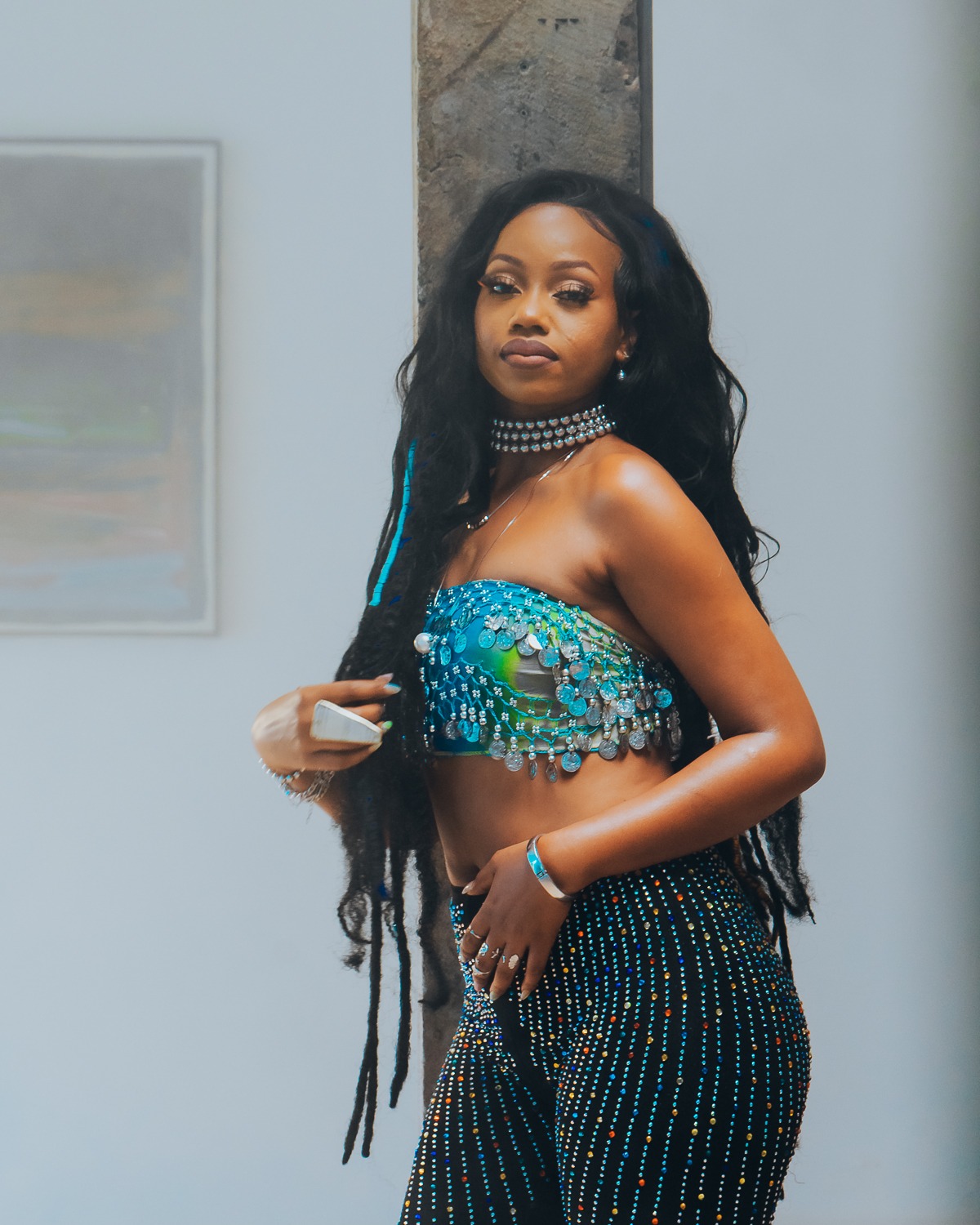
What has working with other artists taught you about your own sound? 

It's super empowering. We're at a time where all eyes are on East Africa, which is amazing, and I feel honored personally to be a part of that squad that's carrying the Kenyan flag high. It's definitely hard. I think throughout all of my interviews, I've mentioned that I am very introverted and music has been a space for me to like come out of that situation and to open myself up more. So I've been doing that whilst also growing not only as a musician but as a person, which I love. And ultimately the goal is for this music that I'm doing to be like my own kind of therapy, you know. So if it's going to help me in my own personal life, not only in the music aspect, then it's doing a good job.

From where you’re sitting, what do you think the Kenyan music industry is doing well – and what are we still seriously getting wrong?

I think that we're in a good place where a lot of people are confident enough to put out their music and have their own shows. It's not something that we'd see a long time ago. I think we're still struggling in the consistency aspect though. That's the one thing that is holding us back from moving to a global stage. But other than that, I like how passionate people are now. It's no longer just about doing music for the money, but people are doing it because they see that it can actually work for them. And we're in a space where creativity is therapeutic to a lot of people. So it's important for mental health and whatnot, like just your daily livelihood.

So it's nice to see that we're in a space where music is embraced a lot more, not just as a career, but, you know, there's people who are doing like they're singing in like hospitals or, you know, they have people who are going to like children homes and they like just engage in like music situations. The whole point is just seeing how many artists are coming out of this industry, is just seeing the impact that music itself is having on the people.

Do you also think we as the Kenyan audience are becoming better at supporting homegrown music or talent, or do the Kenyan artists still have to prove themselves abroad before we fully appreciate them here?

We're at a very good time as artists not only in Kenya, but also East Africa. We're having so many shows that are sold out and it's not from people who are even coming from abroad. It's like our own. We've literally been having concerts weekly that are sold out and you'll be having the same people performing and people will still come out and watch the performances. I believe that we're going up and up. I love the place that we're in, people are listening and we're into more Kenyan music. Even the DJs are pushing out more Kenyan music. Artists are also putting in more work to upgrade their products. And I hope that we're able to maintain that same momentum and see where things go.
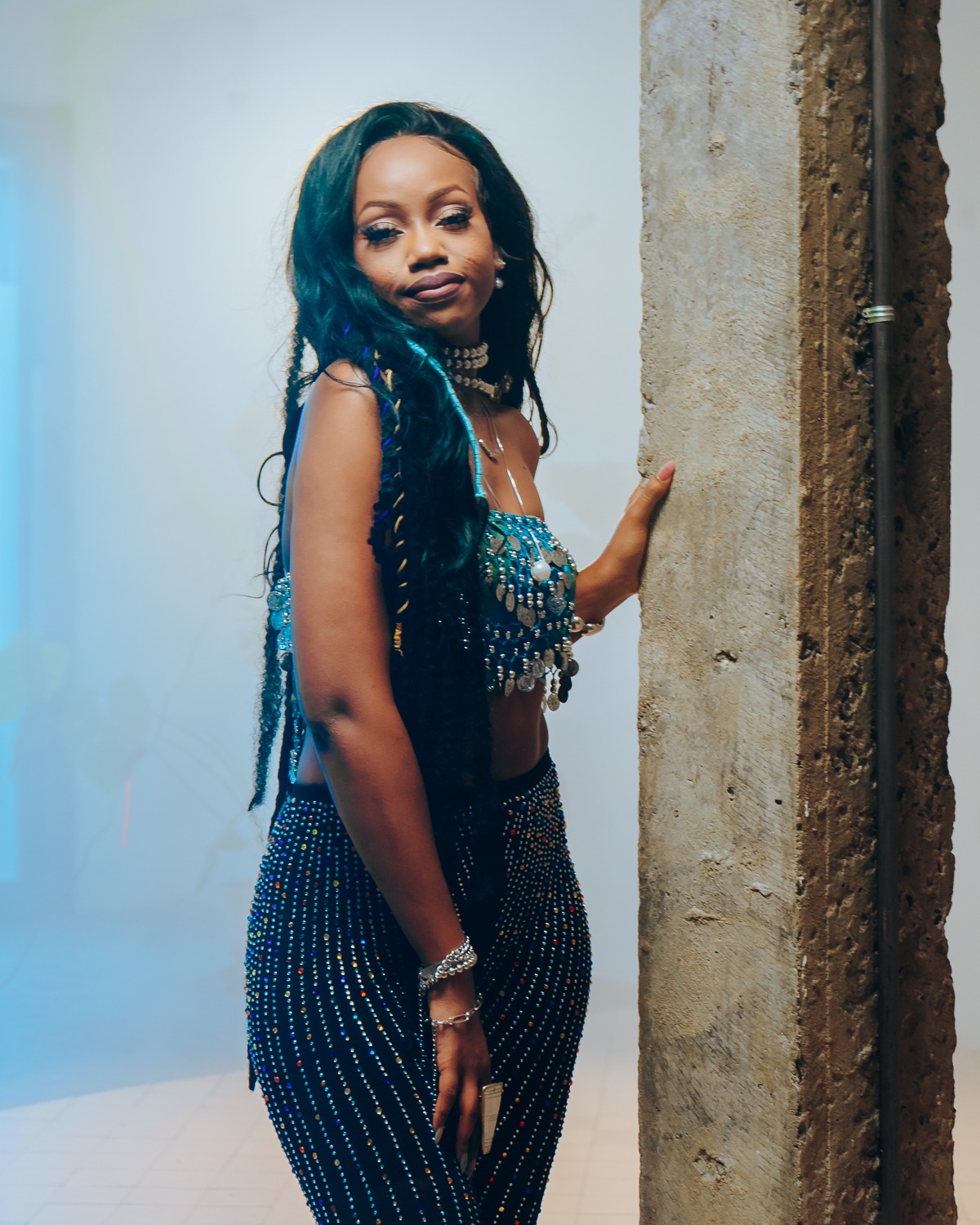
You’re also signed with Universal Music East Africa at a point when you’d already built a pretty distinct identity for yourself. What did you refuse to compromise on when you entered that system?

My message and my sound. Those are the two most important things for me to remain. I got signed at a time when 90% of my fans were letting me know how my music was very therapeutic to them. And every single time they listened to it, they just felt nice, refreshed, alive and like they could conquer the world. And for me, it was very important that that feeling is carried on even when I'm in the label. Both of those, especially my sound – the root, the core foundation of where I've come from. Yes, I'm doubling into like different genres and whatnot, but the co-foundation of who Njerae is, is something I don’t think that can change.

Having experienced the industry from several angles – independent artist, major-label artist, songwriter, producer, performer; if you could go back and give the Njerae who was just starting out one piece of brutally honest advice about the music business, what would you tell her?

It's not going to be easy. You're going to want to quit 75 times, but it's going to be so fulfilling. Personally, I'm glad that I've stuck out and I've made it through all these years and that I'm still doing it. The goal is for someone else to see me and think the same thing. I think just to tell her you should have started early, you should have gone through these things a lot earlier. It's not an easy journey, but it is definitely worth it. 
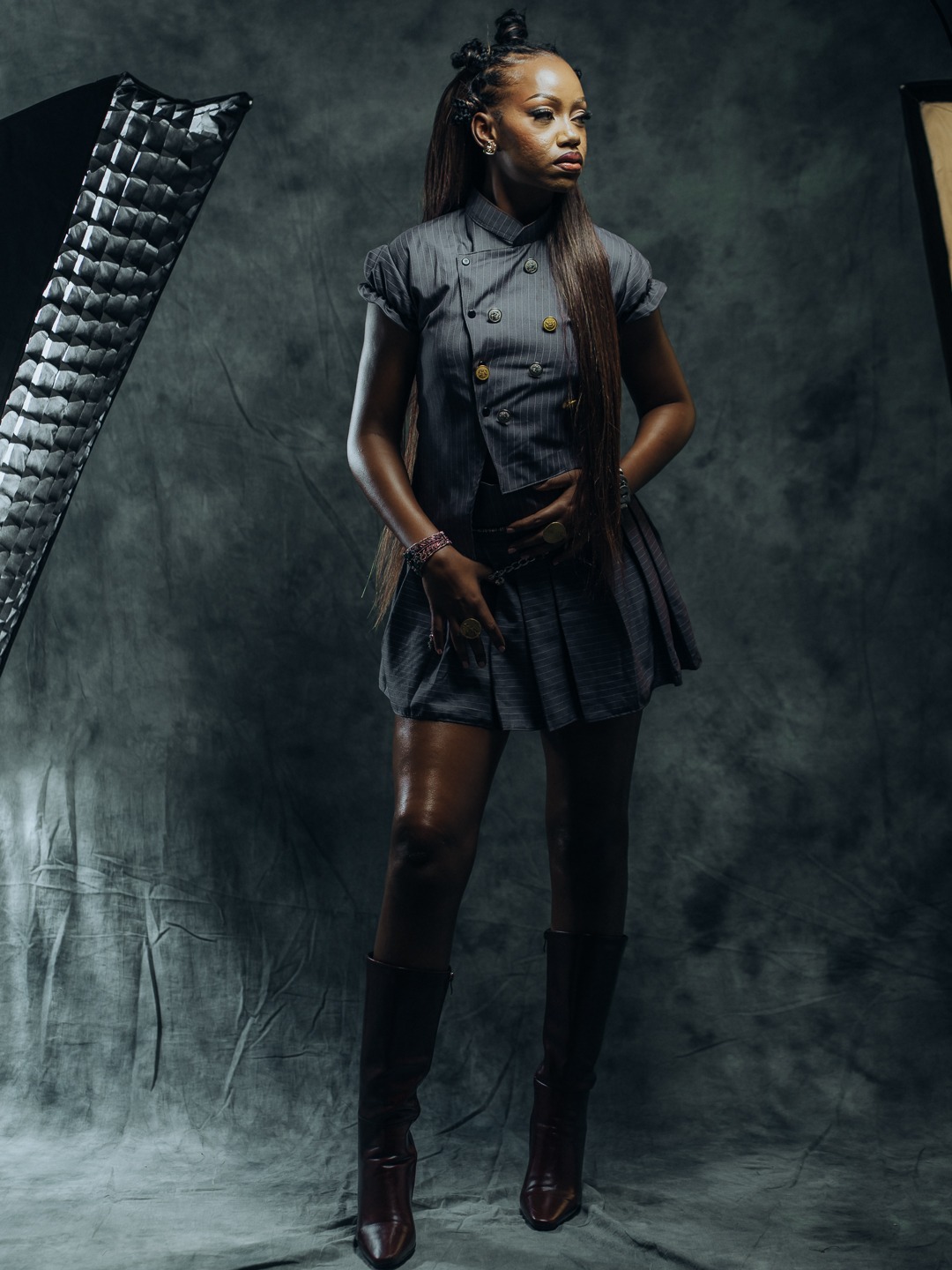
Speaking of fulfillment, you sold-out your first Australian solo tour, which is such a different experience from performing for people who already know your story at home. Did being that far away from Kenya change the way you understood your own music or who your audience actually is?

A hundred percent. I think being here for a long time made me believe that my music is not moving farther than just here. But going to Australia I got to learn a lot of things, not only in the music space, but just to realize myself as an artist. Like I'm a dope person, and I'm doing my due, so I shouldn't be second-guessing myself. And I think that was the most important thing. Now I've come a lot fresher. I am so ready to just release some music. I've been writing a lot of stuff and I'm excited for people to hear as I share my experiences.

You’ve had a lot of things happen recently that look huge on paper – the international touring, the recognition, the AFRIMMA nomination, the numbers. What is something about this stage of your life that actually feels huge to you?

I think my fan responses are usually what get me the most. A lot of people will send me messages, they DM me, I interact with a lot of fans and like shows and stuff and just being able to have that one-on-one, first of all, is super. And just realizing how, aside from the fanbase and everything else, this music actually really speaks to them and it makes them feel good. So, yeah, that's usually the biggest win for me.

Now, looking ahead, you know, what are you actually trying to build, you know, not just the next song, you know, award, album?

Right now, I'm focused on expansion. I am looking to take Njerae to a global stage. So East Africa, outside Africa and we take this Kenyan sound to the rest of the world. The whole idea is pushing these collaborations and working with people that are not necessarily from our industries to just take our culture also to the other side.

You've also spoken quite a bit on some of your dream collaborations with people like Bien and Tems. Is there anything in the works and who’re other people out there that you want to work with?

What I can say is I've had a couple of interactions with some of my dream artist collaborations and their input has definitely made what is coming out right now. I won't really speak on collaborations. I don't have to spill too much tea, but yeah, I have delved into their brains and I've been able to also walk into their world, which is super amazing. Even just having coffee with Bien would finish my life and I'm still on that journey to find Tems. [laughs]

And lastly away from the serious artist questions. If we took away the music, the interviews, the stage and the whole Njerae persona, what is something completely unserious or slightly embarrassing that would immediately expose you as just a normal Kenyan girl?

I think I'd say I'm super clumsy. I bruise easily and I am very clumsy. So yeah, sometimes you'll see marks on my legs, which are just weird, random scars.

IG:@_stanleyilonzo

All photos courtesy of Njerae/Tofauti Vibes
Njerae Is Expanding Her Sound

Authored by
This is some text inside of a div block.

‘Expansion.’ That’s the recurring remark Kenyan singer-songwriter and producer Njerae emphasizes throughout. Now, with the release of her two latest singles, “On My Own” (featuring KayCyy) and “Let Them Know,” she might be doing just that. 

Since her breakout  hit “Aki Sioni” off her 2022 debut album, Unintentional, Njerae’s natural aptitude to emote infectious tunes have resonated with fans who have dubbed her ‘lover girl’. With three studio albums in, across Afro-indie, R&B and Soul, becoming Kenya’s most streamed female artist last year, and being named among Apple Music’s Rising Class of 2025 is testament that Njerae has earned her mark in the game.

Deeds Magazine caught up with the ‘254’ crooner to chat about her artistry so far, the region’s music industry at home and the ambition to keep expanding her sound further.  

Stanley for Deeds: For anyone reading this and discovering you for the first time, how would you introduce yourself? 

I’m Njerae, a singer-songwriter, producer, and performing artist from Nairobi, Kenya. The OG one and only ‘lover girl.’ My music is geared towards human interaction, but mostly around the love side and the struggles and, you know, the things that come about with being in relationships, both platonic and intimate. I mostly focus on R&B but I am currently in a space where I'm trying to explore more and my two new songs are part of that exploration process. 

Every era of your music has been a slightly different version of you figuring yourself out. What has manifested as your strongest growth?

I think more than anything, music has kind of given me that space to explore my vulnerability and to embrace that as well. Sometimes it can be hard to speak about the things that you want to speak about and for me from ‘Unintentional’ all the way to now, the most important thing is to allow a space where people can feel heard. So I try to write about the things that you wouldn't conventionally stand up in front of people and talk about. It's very in-depth with the emotion and vulnerability; honesty is something that I carry at the top of everything. I think the more honest the music is the more in touch it is with people. From my debut to now I've just been trying to allow myself to think deep into emotion compared to when that era where it was more of just doing this for vibes and whatnot. I’m more intentional with it now.

Where’s the line for you between being vulnerable in your art and protecting Njerae the person?

It's definitely an important thing. I like to protect my personal spaces. There's very many things outside of music that are part of my life that not everybody knows about. I'm not exactly shying away from tapping into that energy but at the same time, I'm also very aware to keep it separate from personal aspects of my life. So I will write a song about something that happened, but I'll keep away from specific details, that will make people get the full story. The whole idea is not for you to feel like the story is about Njerae, but it's about somebody, and it happened to Njerae as well.

Do you think you’ve become better at knowing when to hold on and when to let go of a relationship?

Yes and no. I think I've definitely grown from where I was, just from interactions that I've had even through the music. But at the same time, I still think I'm a human being and I'm still figuring everything out and the whole point of my music is for people to realize that, like, all of us are just in a space where we don't really know what we're doing. We want to seem like we do but we're all going through the same kind of shenanigans and we're trying to figure out. And we shouldn't feel like we're alone because certain problems may feel out of the norm. So the idea is not necessarily to be this kind of portrayed as a person who's 100% perfect and knows what they're doing. Personally, I'm willing to fail just so that I can show other people that you can overcome these things.

With KayCyy, you already had “Far Away,” so I’m curious about what changed between that collaboration and this one in “On My Own”? 

Well, the first time it was definitely like an introduction to each other. We were still trying to figure each other out. I think with “On My Own” now, we've gotten a deeper understanding of each other. And we've also both grown as artists since we did “Far Away.” So in the new song, we're just trying to find a common ground and figure out how these two worlds can meet because KayCyy has his own world that he lives in and I have my own. And the single was kind of like trying to figure out how to bring those two perspectives together.

And “Let Them Know” feels like a different kind of vulnerability. You’ve written about love and heartbreak before, but is there something about the way you approach those emotions now that feels different from your earlier work? 

I think right now it's more like an empowering voice. Before, it was more like, I'm a bit afraid. but the whole point, it's important right now for me, for people to realize that I am in a space where I have chosen to be in this space and I am doing these things because I want to do these things and despite what comes in between, I'm taking charge of and I'm taking control of my situation and the whole idea for both these two songs, is for them to have an empowering feeling rather than a bitter feeling. I feel like most times when it comes to love matters, people come out of it very bitter and they forget that it can be something that can help them grow.

Do you think success has made you more confident creatively, or has it actually made you more self-conscious? It's definitely come with a lot more freedom for me. Before I was in a space where I had to focus on several things at the same time, and now I'm just enjoying being in this space where I can just create and focus on the creation. I don't think I have so many limitations because I have a team behind me that's handling everything. I'm very grateful for the success. Let more of it come, please. [laughs]

What makes you hear a person and think, “I need to make something with them”? Is it the voice, the writing, their personality, or just that inexplicable chemistry?

I love to write from a point of when we know each other and we have a relationship. It's easier that way because the things that we write about are deep and emotional. That's not something that you can do with everyone. So I prefer to write with people who I have a personal connection with. But like I said, the ultimate goal is expansion. So I am open to working with artists and producers from not only Africa, but all over the world. Yes, be it through connection or not, I think it's a beautiful thing to see how these two musical worlds can collaborate with each other. At the end of the day, the whole point is for the music. So it's not necessarily about the relationship all the way. The music that comes out of it is what matters the most for me. 

What has working with other artists taught you about your own sound? 

It's super empowering. We're at a time where all eyes are on East Africa, which is amazing, and I feel honored personally to be a part of that squad that's carrying the Kenyan flag high. It's definitely hard. I think throughout all of my interviews, I've mentioned that I am very introverted and music has been a space for me to like come out of that situation and to open myself up more. So I've been doing that whilst also growing not only as a musician but as a person, which I love. And ultimately the goal is for this music that I'm doing to be like my own kind of therapy, you know. So if it's going to help me in my own personal life, not only in the music aspect, then it's doing a good job.

From where you’re sitting, what do you think the Kenyan music industry is doing well – and what are we still seriously getting wrong?

I think that we're in a good place where a lot of people are confident enough to put out their music and have their own shows. It's not something that we'd see a long time ago. I think we're still struggling in the consistency aspect though. That's the one thing that is holding us back from moving to a global stage. But other than that, I like how passionate people are now. It's no longer just about doing music for the money, but people are doing it because they see that it can actually work for them. And we're in a space where creativity is therapeutic to a lot of people. So it's important for mental health and whatnot, like just your daily livelihood.

So it's nice to see that we're in a space where music is embraced a lot more, not just as a career, but, you know, there's people who are doing like they're singing in like hospitals or, you know, they have people who are going to like children homes and they like just engage in like music situations. The whole point is just seeing how many artists are coming out of this industry, is just seeing the impact that music itself is having on the people.

Do you also think we as the Kenyan audience are becoming better at supporting homegrown music or talent, or do the Kenyan artists still have to prove themselves abroad before we fully appreciate them here?

We're at a very good time as artists not only in Kenya, but also East Africa. We're having so many shows that are sold out and it's not from people who are even coming from abroad. It's like our own. We've literally been having concerts weekly that are sold out and you'll be having the same people performing and people will still come out and watch the performances. I believe that we're going up and up. I love the place that we're in, people are listening and we're into more Kenyan music. Even the DJs are pushing out more Kenyan music. Artists are also putting in more work to upgrade their products. And I hope that we're able to maintain that same momentum and see where things go.

You’re also signed with Universal Music East Africa at a point when you’d already built a pretty distinct identity for yourself. What did you refuse to compromise on when you entered that system?

My message and my sound. Those are the two most important things for me to remain. I got signed at a time when 90% of my fans were letting me know how my music was very therapeutic to them. And every single time they listened to it, they just felt nice, refreshed, alive and like they could conquer the world. And for me, it was very important that that feeling is carried on even when I'm in the label. Both of those, especially my sound – the root, the core foundation of where I've come from. Yes, I'm doubling into like different genres and whatnot, but the co-foundation of who Njerae is, is something I don’t think that can change.

Having experienced the industry from several angles – independent artist, major-label artist, songwriter, producer, performer; if you could go back and give the Njerae who was just starting out one piece of brutally honest advice about the music business, what would you tell her?

It's not going to be easy. You're going to want to quit 75 times, but it's going to be so fulfilling. Personally, I'm glad that I've stuck out and I've made it through all these years and that I'm still doing it. The goal is for someone else to see me and think the same thing. I think just to tell her you should have started early, you should have gone through these things a lot earlier. It's not an easy journey, but it is definitely worth it. 

Speaking of fulfillment, you sold-out your first Australian solo tour, which is such a different experience from performing for people who already know your story at home. Did being that far away from Kenya change the way you understood your own music or who your audience actually is?

A hundred percent. I think being here for a long time made me believe that my music is not moving farther than just here. But going to Australia I got to learn a lot of things, not only in the music space, but just to realize myself as an artist. Like I'm a dope person, and I'm doing my due, so I shouldn't be second-guessing myself. And I think that was the most important thing. Now I've come a lot fresher. I am so ready to just release some music. I've been writing a lot of stuff and I'm excited for people to hear as I share my experiences.

You’ve had a lot of things happen recently that look huge on paper – the international touring, the recognition, the AFRIMMA nomination, the numbers. What is something about this stage of your life that actually feels huge to you?

I think my fan responses are usually what get me the most. A lot of people will send me messages, they DM me, I interact with a lot of fans and like shows and stuff and just being able to have that one-on-one, first of all, is super. And just realizing how, aside from the fanbase and everything else, this music actually really speaks to them and it makes them feel good. So, yeah, that's usually the biggest win for me.

Now, looking ahead, you know, what are you actually trying to build, you know, not just the next song, you know, award, album?

Right now, I'm focused on expansion. I am looking to take Njerae to a global stage. So East Africa, outside Africa and we take this Kenyan sound to the rest of the world. The whole idea is pushing these collaborations and working with people that are not necessarily from our industries to just take our culture also to the other side.

You've also spoken quite a bit on some of your dream collaborations with people like Bien and Tems. Is there anything in the works and who’re other people out there that you want to work with?

What I can say is I've had a couple of interactions with some of my dream artist collaborations and their input has definitely made what is coming out right now. I won't really speak on collaborations. I don't have to spill too much tea, but yeah, I have delved into their brains and I've been able to also walk into their world, which is super amazing. Even just having coffee with Bien would finish my life and I'm still on that journey to find Tems. [laughs]

And lastly away from the serious artist questions. If we took away the music, the interviews, the stage and the whole Njerae persona, what is something completely unserious or slightly embarrassing that would immediately expose you as just a normal Kenyan girl?

I think I'd say I'm super clumsy. I bruise easily and I am very clumsy. So yeah, sometimes you'll see marks on my legs, which are just weird, random scars.

IG:@_stanleyilonzo

All photos courtesy of Njerae/Tofauti Vibes
This is some text inside of a div block.

Njerae Is Expanding Her Sound

Authored by

‘Expansion.’ That’s the recurring remark Kenyan singer-songwriter and producer Njerae emphasizes throughout. Now, with the release of her two latest singles, “On My Own” (featuring KayCyy) and “Let Them Know,” she might be doing just that. 

Since her breakout  hit “Aki Sioni” off her 2022 debut album, Unintentional, Njerae’s natural aptitude to emote infectious tunes have resonated with fans who have dubbed her ‘lover girl’. With three studio albums in, across Afro-indie, R&B and Soul, becoming Kenya’s most streamed female artist last year, and being named among Apple Music’s Rising Class of 2025 is testament that Njerae has earned her mark in the game.

Deeds Magazine caught up with the ‘254’ crooner to chat about her artistry so far, the region’s music industry at home and the ambition to keep expanding her sound further.  

Stanley for Deeds: For anyone reading this and discovering you for the first time, how would you introduce yourself? 

I’m Njerae, a singer-songwriter, producer, and performing artist from Nairobi, Kenya. The OG one and only ‘lover girl.’ My music is geared towards human interaction, but mostly around the love side and the struggles and, you know, the things that come about with being in relationships, both platonic and intimate. I mostly focus on R&B but I am currently in a space where I'm trying to explore more and my two new songs are part of that exploration process. 

Every era of your music has been a slightly different version of you figuring yourself out. What has manifested as your strongest growth?

I think more than anything, music has kind of given me that space to explore my vulnerability and to embrace that as well. Sometimes it can be hard to speak about the things that you want to speak about and for me from ‘Unintentional’ all the way to now, the most important thing is to allow a space where people can feel heard. So I try to write about the things that you wouldn't conventionally stand up in front of people and talk about. It's very in-depth with the emotion and vulnerability; honesty is something that I carry at the top of everything. I think the more honest the music is the more in touch it is with people. From my debut to now I've just been trying to allow myself to think deep into emotion compared to when that era where it was more of just doing this for vibes and whatnot. I’m more intentional with it now.

Where’s the line for you between being vulnerable in your art and protecting Njerae the person?

It's definitely an important thing. I like to protect my personal spaces. There's very many things outside of music that are part of my life that not everybody knows about. I'm not exactly shying away from tapping into that energy but at the same time, I'm also very aware to keep it separate from personal aspects of my life. So I will write a song about something that happened, but I'll keep away from specific details, that will make people get the full story. The whole idea is not for you to feel like the story is about Njerae, but it's about somebody, and it happened to Njerae as well.

Do you think you’ve become better at knowing when to hold on and when to let go of a relationship?

Yes and no. I think I've definitely grown from where I was, just from interactions that I've had even through the music. But at the same time, I still think I'm a human being and I'm still figuring everything out and the whole point of my music is for people to realize that, like, all of us are just in a space where we don't really know what we're doing. We want to seem like we do but we're all going through the same kind of shenanigans and we're trying to figure out. And we shouldn't feel like we're alone because certain problems may feel out of the norm. So the idea is not necessarily to be this kind of portrayed as a person who's 100% perfect and knows what they're doing. Personally, I'm willing to fail just so that I can show other people that you can overcome these things.

With KayCyy, you already had “Far Away,” so I’m curious about what changed between that collaboration and this one in “On My Own”? 

Well, the first time it was definitely like an introduction to each other. We were still trying to figure each other out. I think with “On My Own” now, we've gotten a deeper understanding of each other. And we've also both grown as artists since we did “Far Away.” So in the new song, we're just trying to find a common ground and figure out how these two worlds can meet because KayCyy has his own world that he lives in and I have my own. And the single was kind of like trying to figure out how to bring those two perspectives together.

And “Let Them Know” feels like a different kind of vulnerability. You’ve written about love and heartbreak before, but is there something about the way you approach those emotions now that feels different from your earlier work? 

I think right now it's more like an empowering voice. Before, it was more like, I'm a bit afraid. but the whole point, it's important right now for me, for people to realize that I am in a space where I have chosen to be in this space and I am doing these things because I want to do these things and despite what comes in between, I'm taking charge of and I'm taking control of my situation and the whole idea for both these two songs, is for them to have an empowering feeling rather than a bitter feeling. I feel like most times when it comes to love matters, people come out of it very bitter and they forget that it can be something that can help them grow.

Do you think success has made you more confident creatively, or has it actually made you more self-conscious? It's definitely come with a lot more freedom for me. Before I was in a space where I had to focus on several things at the same time, and now I'm just enjoying being in this space where I can just create and focus on the creation. I don't think I have so many limitations because I have a team behind me that's handling everything. I'm very grateful for the success. Let more of it come, please. [laughs]

What makes you hear a person and think, “I need to make something with them”? Is it the voice, the writing, their personality, or just that inexplicable chemistry?

I love to write from a point of when we know each other and we have a relationship. It's easier that way because the things that we write about are deep and emotional. That's not something that you can do with everyone. So I prefer to write with people who I have a personal connection with. But like I said, the ultimate goal is expansion. So I am open to working with artists and producers from not only Africa, but all over the world. Yes, be it through connection or not, I think it's a beautiful thing to see how these two musical worlds can collaborate with each other. At the end of the day, the whole point is for the music. So it's not necessarily about the relationship all the way. The music that comes out of it is what matters the most for me. 

What has working with other artists taught you about your own sound? 

It's super empowering. We're at a time where all eyes are on East Africa, which is amazing, and I feel honored personally to be a part of that squad that's carrying the Kenyan flag high. It's definitely hard. I think throughout all of my interviews, I've mentioned that I am very introverted and music has been a space for me to like come out of that situation and to open myself up more. So I've been doing that whilst also growing not only as a musician but as a person, which I love. And ultimately the goal is for this music that I'm doing to be like my own kind of therapy, you know. So if it's going to help me in my own personal life, not only in the music aspect, then it's doing a good job.

From where you’re sitting, what do you think the Kenyan music industry is doing well – and what are we still seriously getting wrong?

I think that we're in a good place where a lot of people are confident enough to put out their music and have their own shows. It's not something that we'd see a long time ago. I think we're still struggling in the consistency aspect though. That's the one thing that is holding us back from moving to a global stage. But other than that, I like how passionate people are now. It's no longer just about doing music for the money, but people are doing it because they see that it can actually work for them. And we're in a space where creativity is therapeutic to a lot of people. So it's important for mental health and whatnot, like just your daily livelihood.

So it's nice to see that we're in a space where music is embraced a lot more, not just as a career, but, you know, there's people who are doing like they're singing in like hospitals or, you know, they have people who are going to like children homes and they like just engage in like music situations. The whole point is just seeing how many artists are coming out of this industry, is just seeing the impact that music itself is having on the people.

Do you also think we as the Kenyan audience are becoming better at supporting homegrown music or talent, or do the Kenyan artists still have to prove themselves abroad before we fully appreciate them here?

We're at a very good time as artists not only in Kenya, but also East Africa. We're having so many shows that are sold out and it's not from people who are even coming from abroad. It's like our own. We've literally been having concerts weekly that are sold out and you'll be having the same people performing and people will still come out and watch the performances. I believe that we're going up and up. I love the place that we're in, people are listening and we're into more Kenyan music. Even the DJs are pushing out more Kenyan music. Artists are also putting in more work to upgrade their products. And I hope that we're able to maintain that same momentum and see where things go.

You’re also signed with Universal Music East Africa at a point when you’d already built a pretty distinct identity for yourself. What did you refuse to compromise on when you entered that system?

My message and my sound. Those are the two most important things for me to remain. I got signed at a time when 90% of my fans were letting me know how my music was very therapeutic to them. And every single time they listened to it, they just felt nice, refreshed, alive and like they could conquer the world. And for me, it was very important that that feeling is carried on even when I'm in the label. Both of those, especially my sound – the root, the core foundation of where I've come from. Yes, I'm doubling into like different genres and whatnot, but the co-foundation of who Njerae is, is something I don’t think that can change.

Having experienced the industry from several angles – independent artist, major-label artist, songwriter, producer, performer; if you could go back and give the Njerae who was just starting out one piece of brutally honest advice about the music business, what would you tell her?

It's not going to be easy. You're going to want to quit 75 times, but it's going to be so fulfilling. Personally, I'm glad that I've stuck out and I've made it through all these years and that I'm still doing it. The goal is for someone else to see me and think the same thing. I think just to tell her you should have started early, you should have gone through these things a lot earlier. It's not an easy journey, but it is definitely worth it. 

Speaking of fulfillment, you sold-out your first Australian solo tour, which is such a different experience from performing for people who already know your story at home. Did being that far away from Kenya change the way you understood your own music or who your audience actually is?

A hundred percent. I think being here for a long time made me believe that my music is not moving farther than just here. But going to Australia I got to learn a lot of things, not only in the music space, but just to realize myself as an artist. Like I'm a dope person, and I'm doing my due, so I shouldn't be second-guessing myself. And I think that was the most important thing. Now I've come a lot fresher. I am so ready to just release some music. I've been writing a lot of stuff and I'm excited for people to hear as I share my experiences.

You’ve had a lot of things happen recently that look huge on paper – the international touring, the recognition, the AFRIMMA nomination, the numbers. What is something about this stage of your life that actually feels huge to you?

I think my fan responses are usually what get me the most. A lot of people will send me messages, they DM me, I interact with a lot of fans and like shows and stuff and just being able to have that one-on-one, first of all, is super. And just realizing how, aside from the fanbase and everything else, this music actually really speaks to them and it makes them feel good. So, yeah, that's usually the biggest win for me.

Now, looking ahead, you know, what are you actually trying to build, you know, not just the next song, you know, award, album?

Right now, I'm focused on expansion. I am looking to take Njerae to a global stage. So East Africa, outside Africa and we take this Kenyan sound to the rest of the world. The whole idea is pushing these collaborations and working with people that are not necessarily from our industries to just take our culture also to the other side.

You've also spoken quite a bit on some of your dream collaborations with people like Bien and Tems. Is there anything in the works and who’re other people out there that you want to work with?

What I can say is I've had a couple of interactions with some of my dream artist collaborations and their input has definitely made what is coming out right now. I won't really speak on collaborations. I don't have to spill too much tea, but yeah, I have delved into their brains and I've been able to also walk into their world, which is super amazing. Even just having coffee with Bien would finish my life and I'm still on that journey to find Tems. [laughs]

And lastly away from the serious artist questions. If we took away the music, the interviews, the stage and the whole Njerae persona, what is something completely unserious or slightly embarrassing that would immediately expose you as just a normal Kenyan girl?

I think I'd say I'm super clumsy. I bruise easily and I am very clumsy. So yeah, sometimes you'll see marks on my legs, which are just weird, random scars.

IG:@_stanleyilonzo

All photos courtesy of Njerae/Tofauti Vibes
Other Stories
London
London
Lagos
London
Newyork
London
Shop
Join the community.
You are now subscribed to receive updates.
Oops! Something went wrong while submitting the form.