.svg)


Raves are a fast-growing cultural phenomenon disrupting the Nigerian nightlife scene. Electronic dance music, the central element of rave culture, is experiencing both a global resurgence and rapid local adoption. Afro-house, 3-step, and Gqom are gaining popularity among Nigerian audiences.
In urban centers like Lagos, Group Therapy and Sweat It Out sell out arenas with over a thousand attendees. Despite this growth, raves continue to exist largely underground. Events like Nocturna Rave, founded in the much smaller city of Calabar, point to a widespread craving for new nightlife experiences beyond the country’s major cultural hubs.
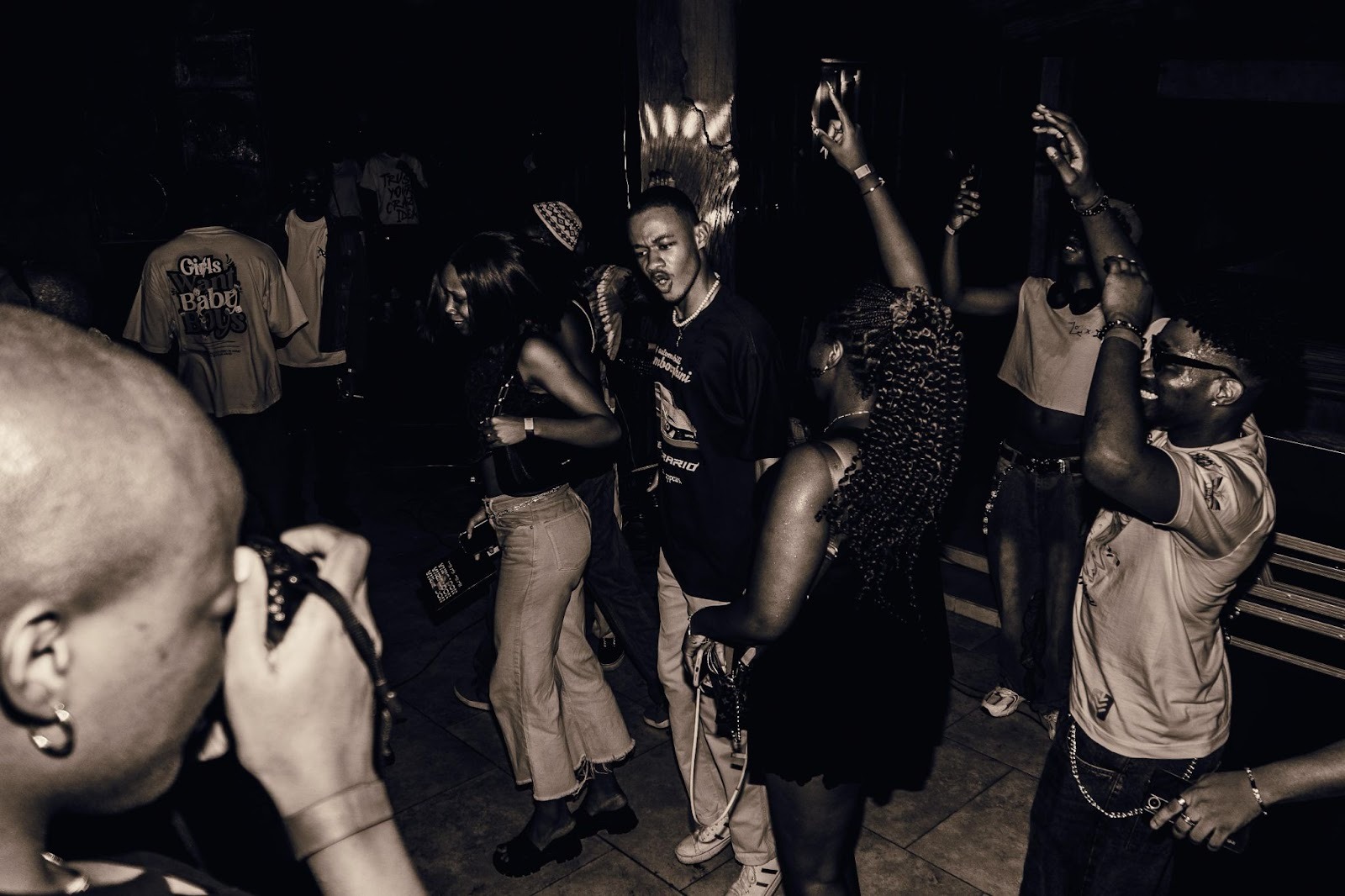
Nocturna Rave was first held in June 2025. Born out of Kufreabasi Eyo’s need for a creative and organisational outlet, the event presented a space for the city’s aesthetes to gather, connect, and lose their inhibitions. But what began as a party with about eighty attendees quickly morphed into a movement that challenged the nightlife status quo.
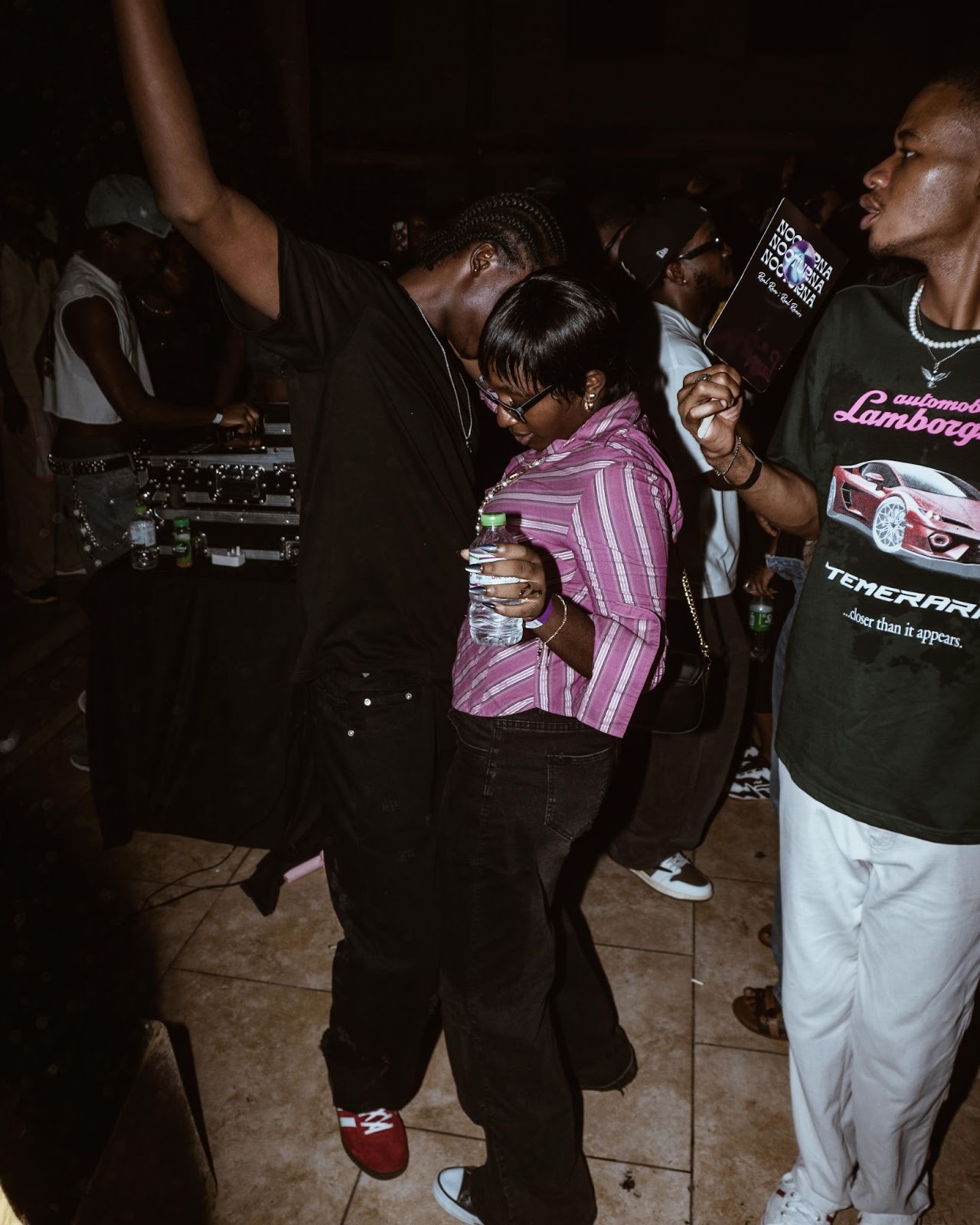
By December, Nocturna Rave 2.0 took place, an edition regarded as a resounding success. Despite competing with several major events, including the Calabar Carnival, the party drew interest, recognition, and hundreds of guests from within and outside the city.
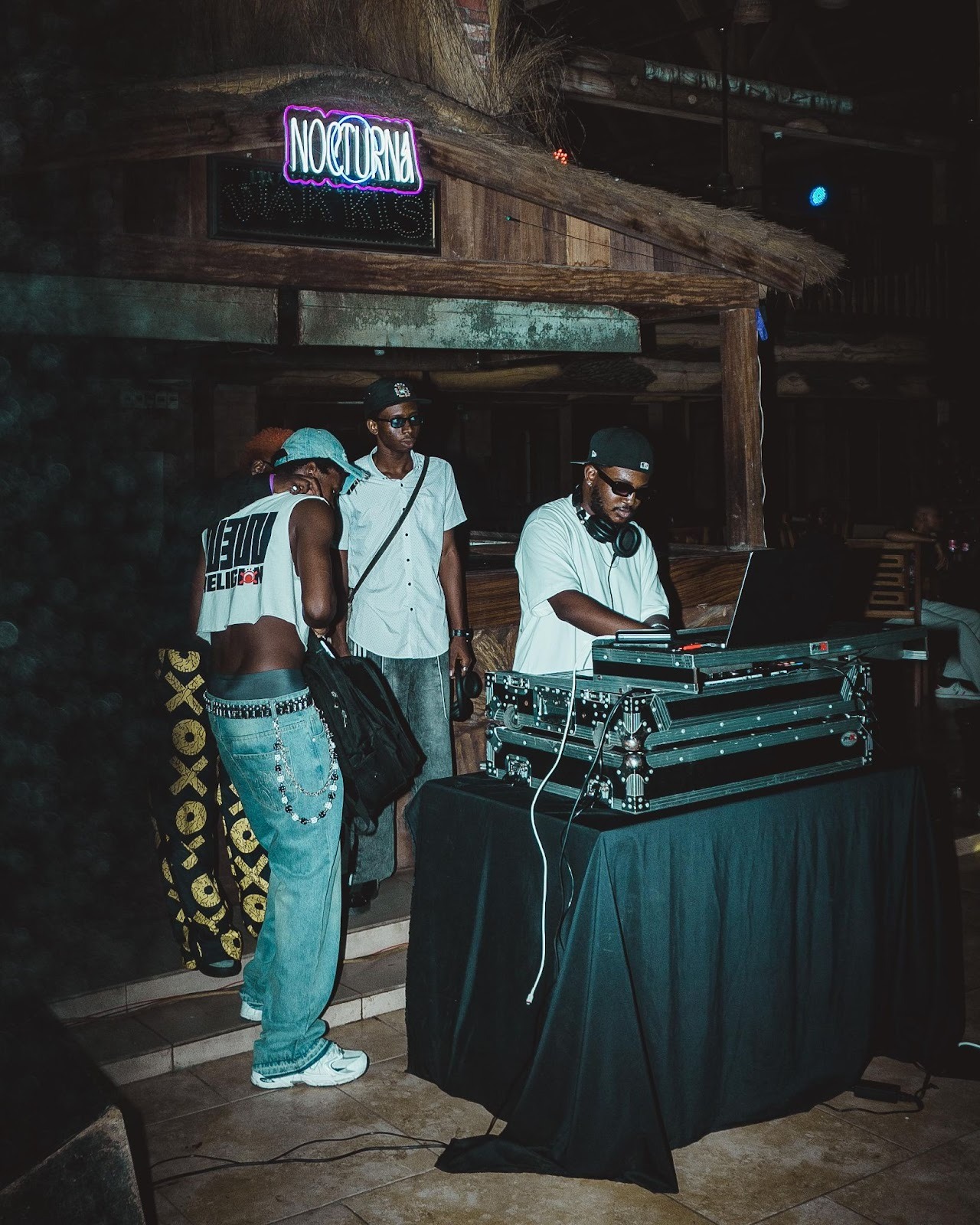
The night opened with Lipe’s Gqom-dominated set, peaked with Coldsound’s crowd-moving afrobeats remixes, and closed with Baby’s energetic spins on old-school, border-breaking hits. The drinks flowed, the mood soared, and the people swayed. But Nocturna Rave 2.0 was more than a night of dancing. It was the culmination of weeks of deliberate audience selection, music curation, and independent experiential production.
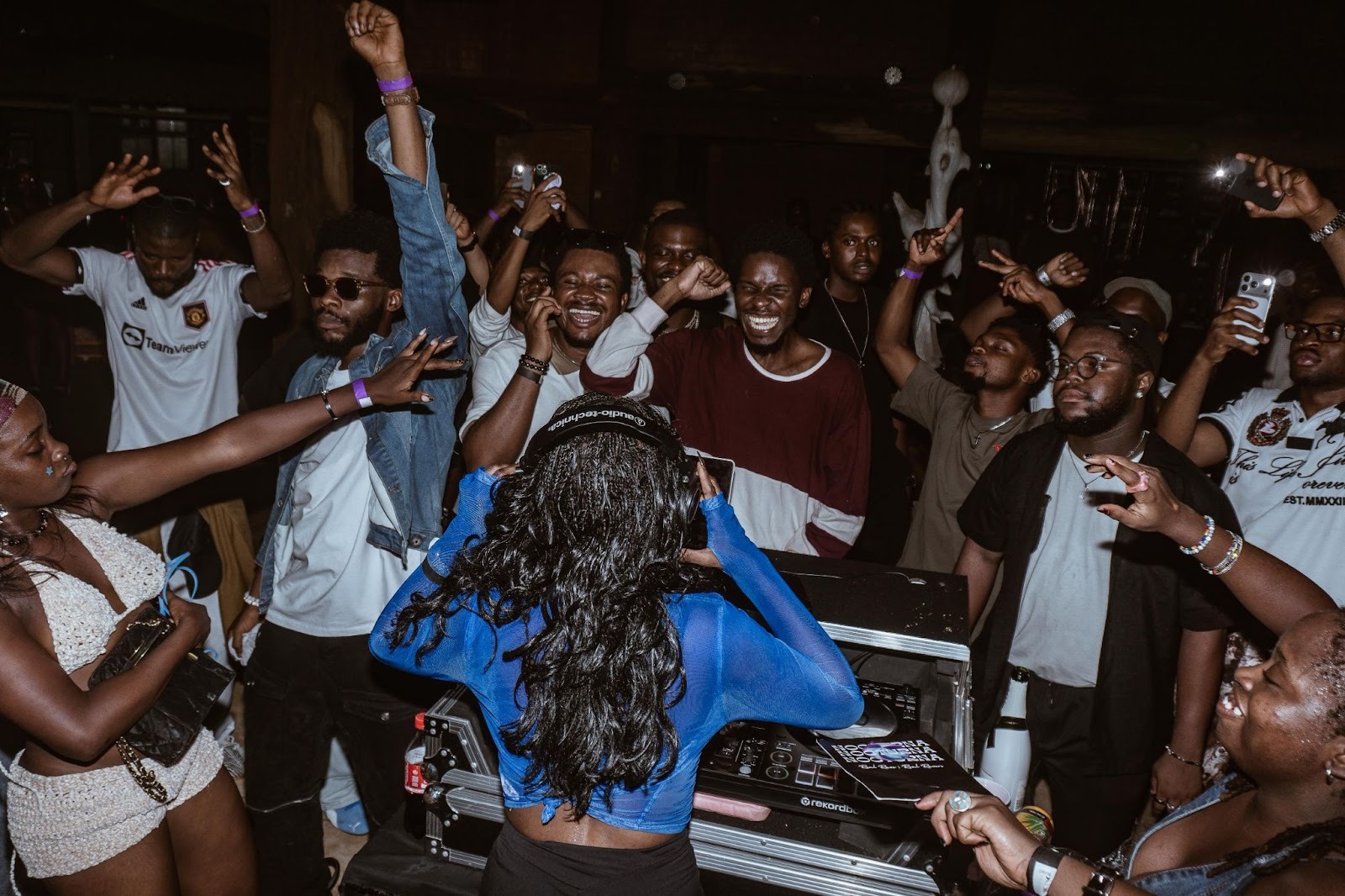
That work began months earlier, in September, when the Nocturna team decided that education and awareness would shape the buildup to the rave. With electronic dance music still unfamiliar to many in Calabar, and raves often conflated with mainstream club nights, the focus was to position the audience within the culture itself. Weekly Spotify jam sessions, social media content centered on raving, and a YouTube channel hosting unedited DJ sets gradually introduced city residents to the sound, ethos, and spirit of electronic music.
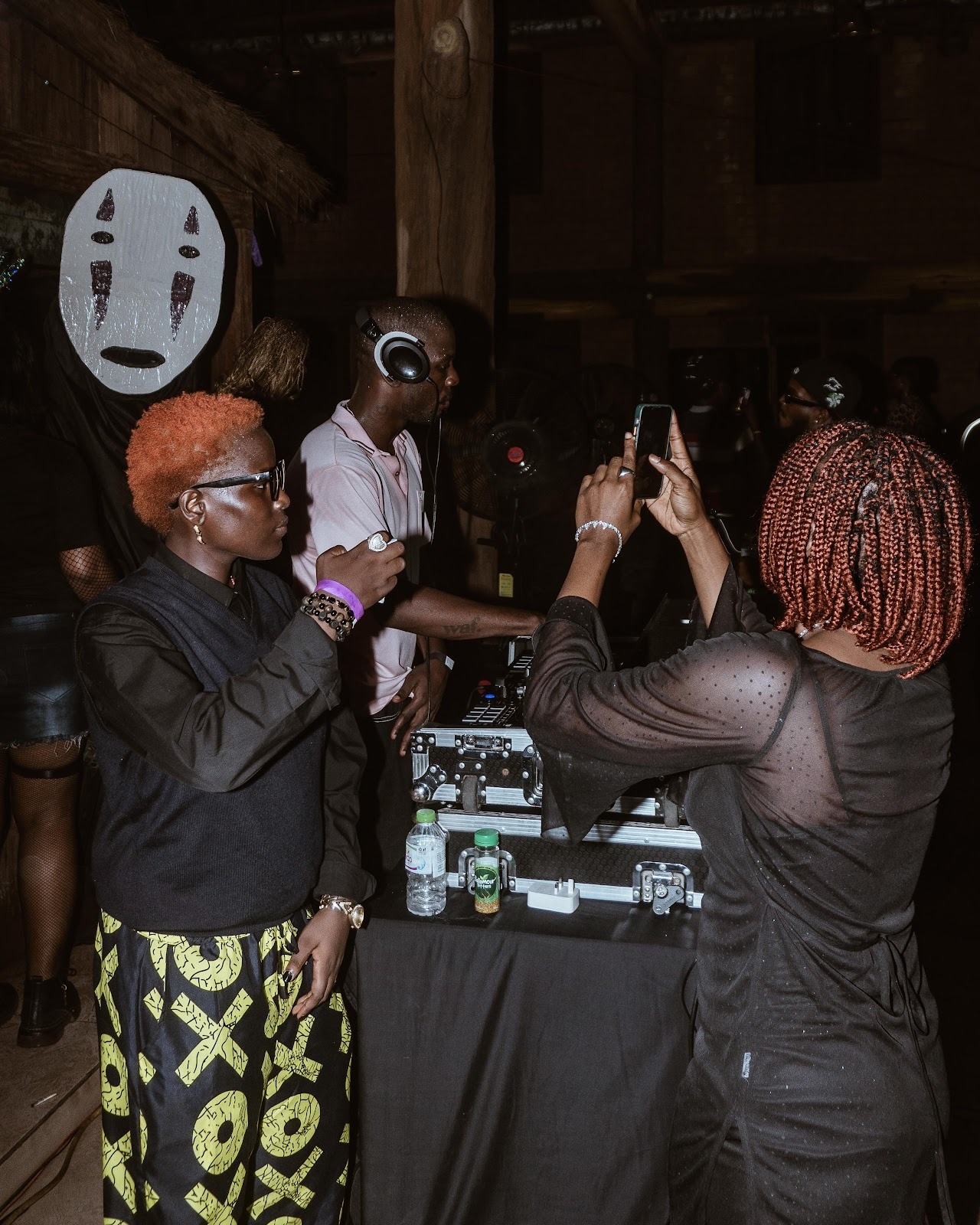
That groundwork began to transform Nocturna’s identity from an event into a dynamic community. As the campaign progressed, it became clear that people wanted to be part of Nocturna, not just attend it. Some offered support as private sponsors; others stepped in as graphic designers, promoters, or assistants. For many creatives, Nocturna became a channel through which they could contribute and be visible. At the first rave, there had been only one EDM DJ in Calabar but by November, that number had grown to three. DJ Venomm, Lipe, and Baby held the scene together at the pre-event Pop Up, marking a subtle but significant expansion of the local electronic music ecosystem.
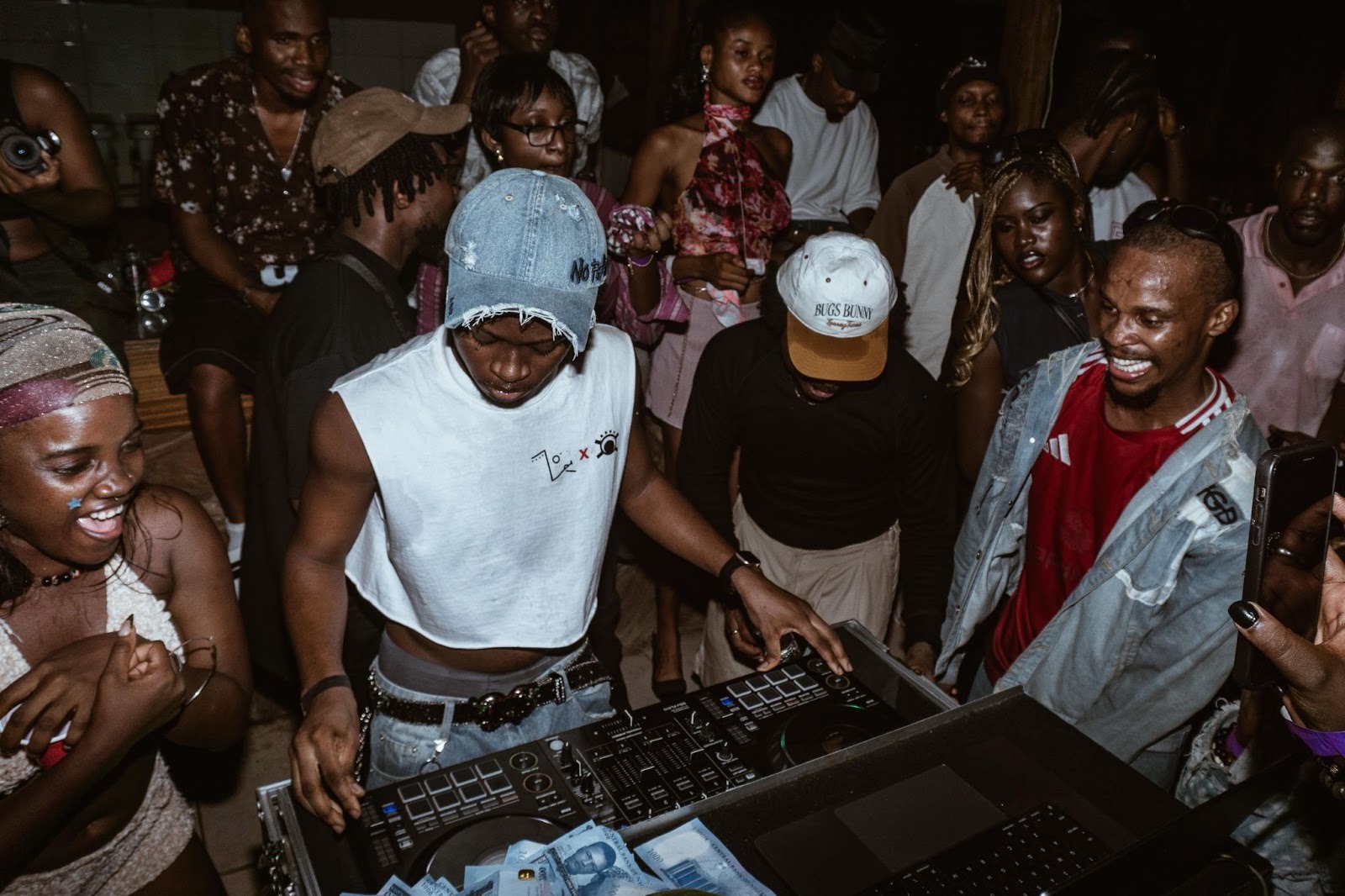
While the community was taking shape on the ground, much of the work behind Nocturna Rave 2.0 was unfolding remotely. Most decisions were made from Lagos, and the bulk of the marketing was digital. In December, Kufreabasi Eyo returned to Calabar to join ground operations. The work became more tactile and urgent—creating video content, conducting sound, electricity, and lighting audits for the largely abandoned but fitting venue, Calabar Wakkis, and finally meeting in person the people she had only engaged with virtually.
It was also the point at which organizational panic peaked. The team navigated internal tensions, including strategy disagreements, tight budgets, and ideas presented with little follow-through. They also dealt with external detractors that threatened the project’s success. Still, the mission remained the same.
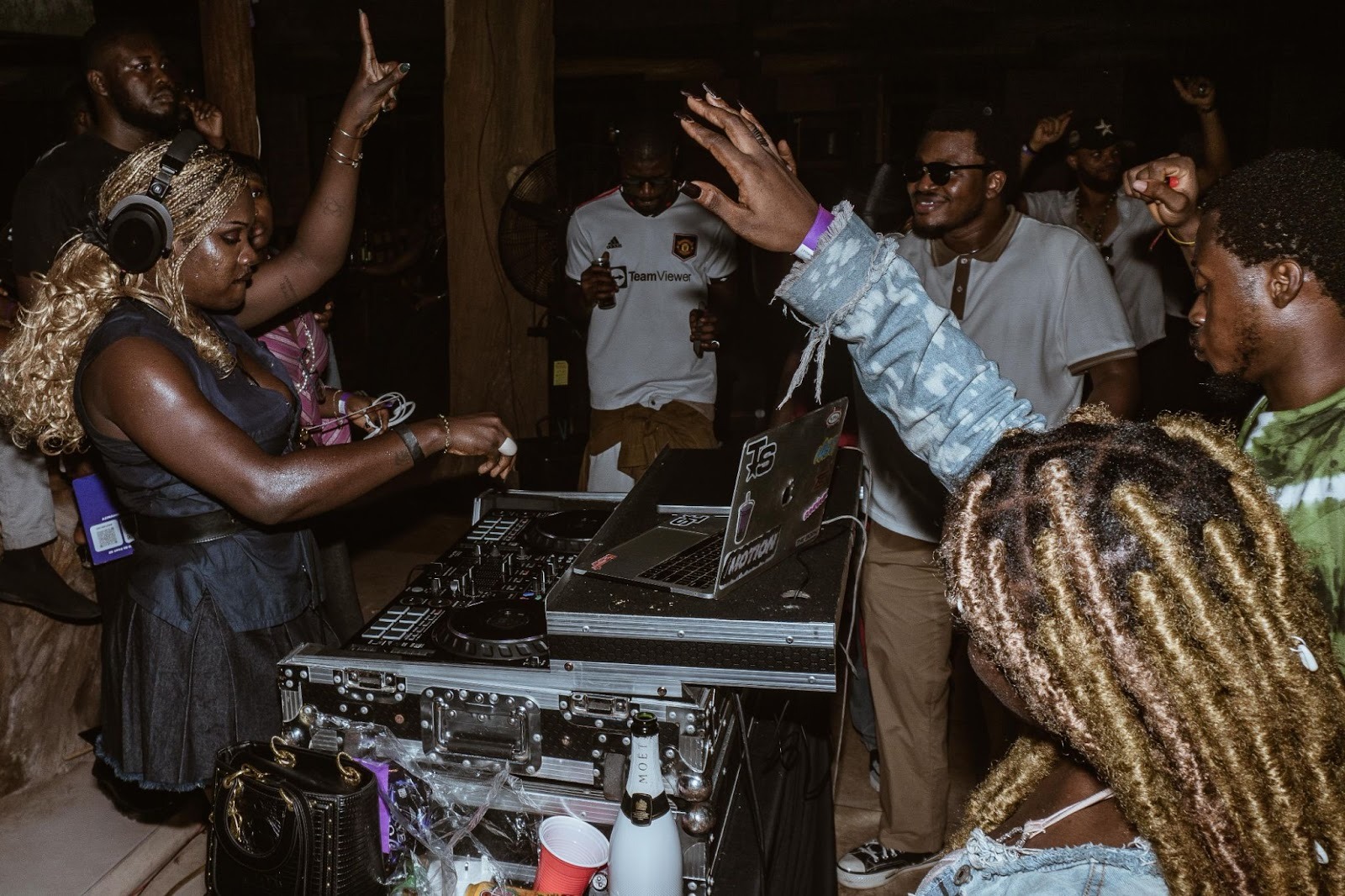
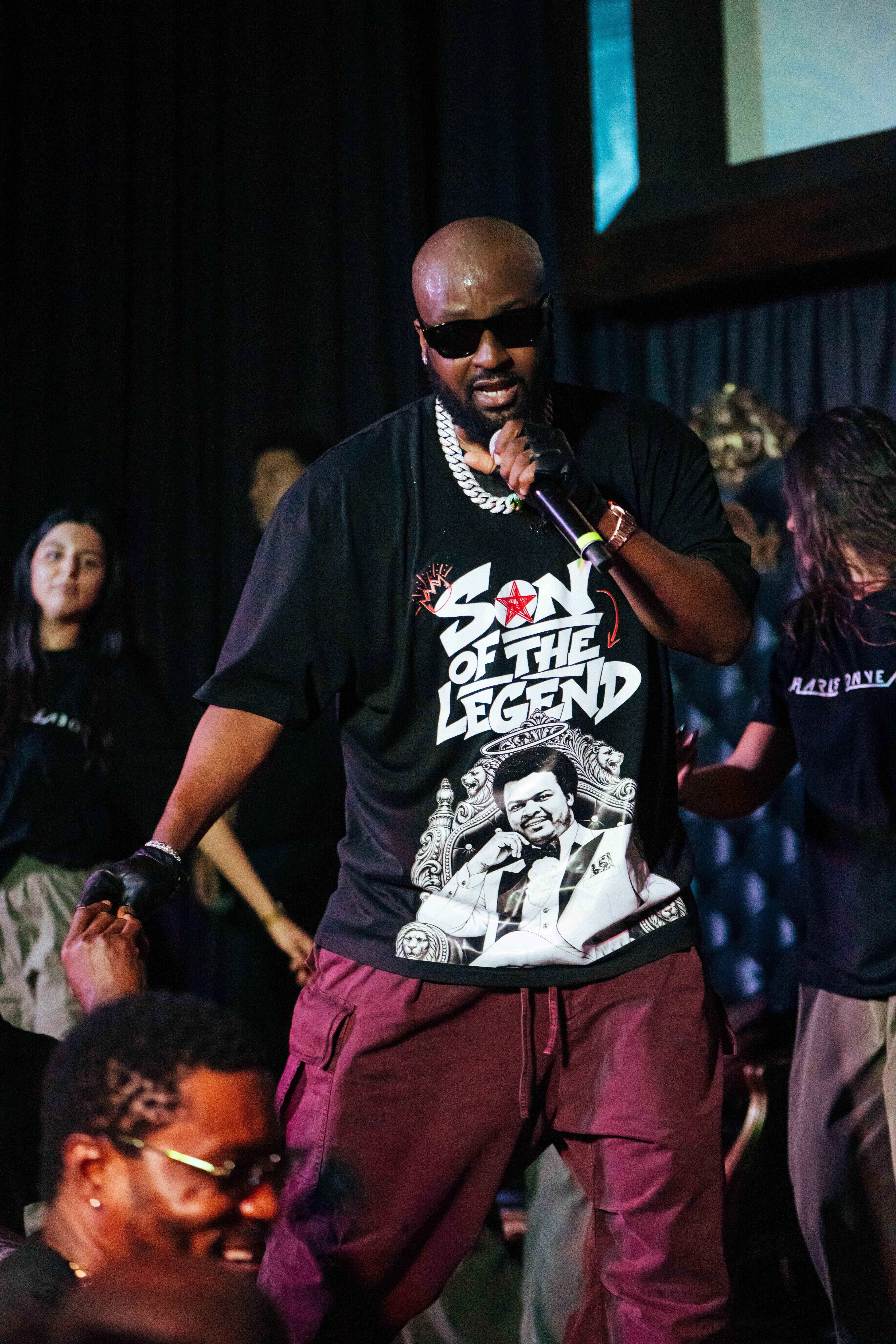
When the night finally arrived, the effort was visible. Even with three power cuts, Nocturna Rave 2.0 was electric. Pasta (Motion) and Stirfry joined from Abuja, Raey and Nacci traveled in from Uyo, and Coldsound returned from Lagos to reconnect with the community he had helped build. The party stretched until dawn and someone even fell asleep on the stairs. Nocturna Rave had achieved its aim. It had brought a bold, immersive experience to the Calabar nightlife scene.
Photo credit: kmiiekpeyong


.png)

