.svg)


There is a scene in almost every Funke Akindele film where the audience erupts before the dialogue even ends. Not because they didn't see it coming – but because they did. Because the joke lands in Yoruba. Because the character's problem is also their mother's problem, their neighbour's problem, or what everyone was arguing about at a family dinner last week. That loud, collective and deeply local recognition is what made ‘Behind The Scenes’ cross ₦2 billion at the Nigerian box office, becoming the first Nollywood film in history to do so. It is also, ironically, what makes the global conversation about Nollywood so complicated.
The question the industry has been wrestling with is this: If the stories that perform best are the ones that are most unmistakably Nigerian, what exactly is being pursued in the name of “going global”?
The numbers do not lie. Funke Akindele has delivered three consecutive ₦1 billion-plus films – ‘A Tribe Called Judah’, ‘Everybody Loves Jenifa’, and now, ‘Behind The Scenes’. Each one of those films is built on hyper-local storytelling: the pressures of black tax, the chaos of extended family, the very specific social weight of being a successful Nigerian woman. These are not universally legible stories. They are deliberately local, and they are breaking records.
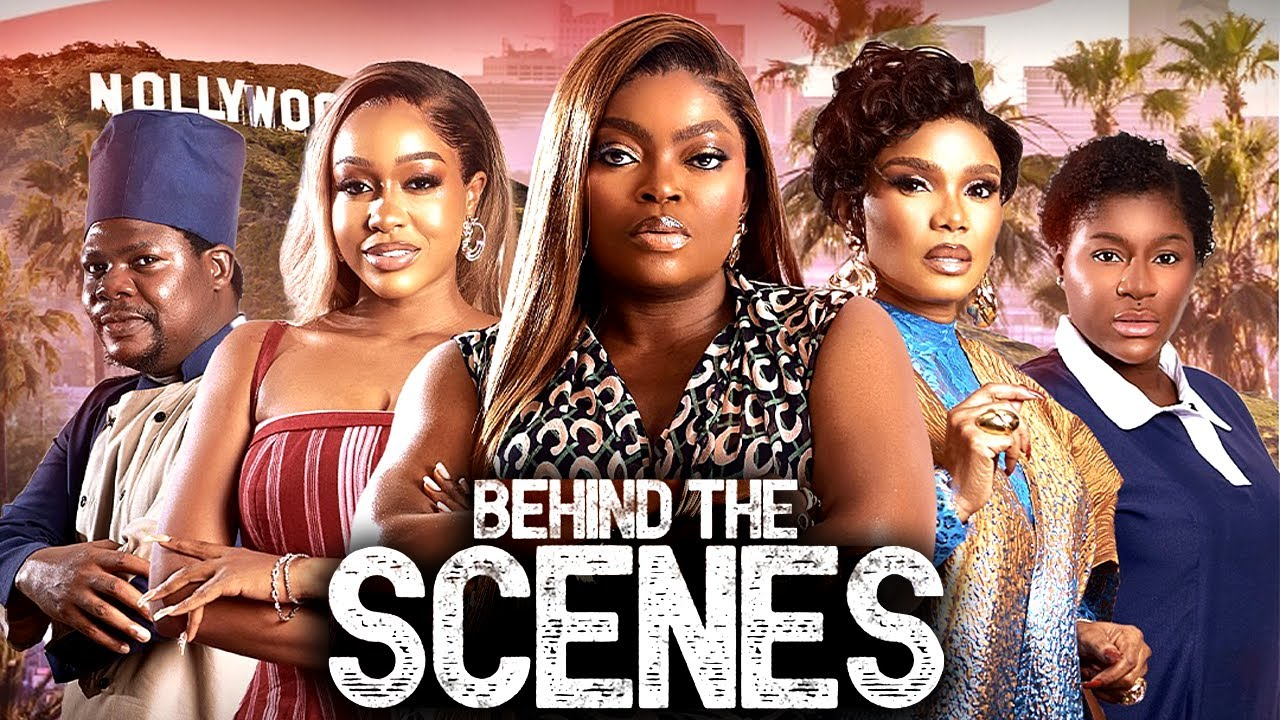
‘Behind The Scenes’, for instance, is headed to Netflix on April 3, which means the same film that packed Lagos cinemas will soon sit in the same catalogue as global productions with eight times its budget. This is not a contradiction. It might, in fact, be the whole point.
Not an identity problem, an infrastructure problem. In March 2026, a debate broke out when actor Kunle Remi compared Nollywood's award practices unfavourably to Hollywood's. Filmmaker Sunny Okonkwo pushed back, and his response was: "Comparing Nollywood to Hollywood directly is like comparing two stories written in completely different languages and expecting them to sound the same." He described Nollywood as "a survival-driven storytelling machine" – built without institutional luxury, and yet one of the most prolific film industries in the world by volume.
What Okonkwo was arguing is a distinction the industry keeps dancing around: Nollywood does not have a storytelling problem, or an audience problem. It produces an estimated 2,500 films annually, and its stars command millions of viewers across Africa and the diaspora. Nollywood’s problem is rather structural. The pipelines that carry great stories to the stages where they get global recognition – the financing networks, the distribution access, the institutional relationships – are missing.
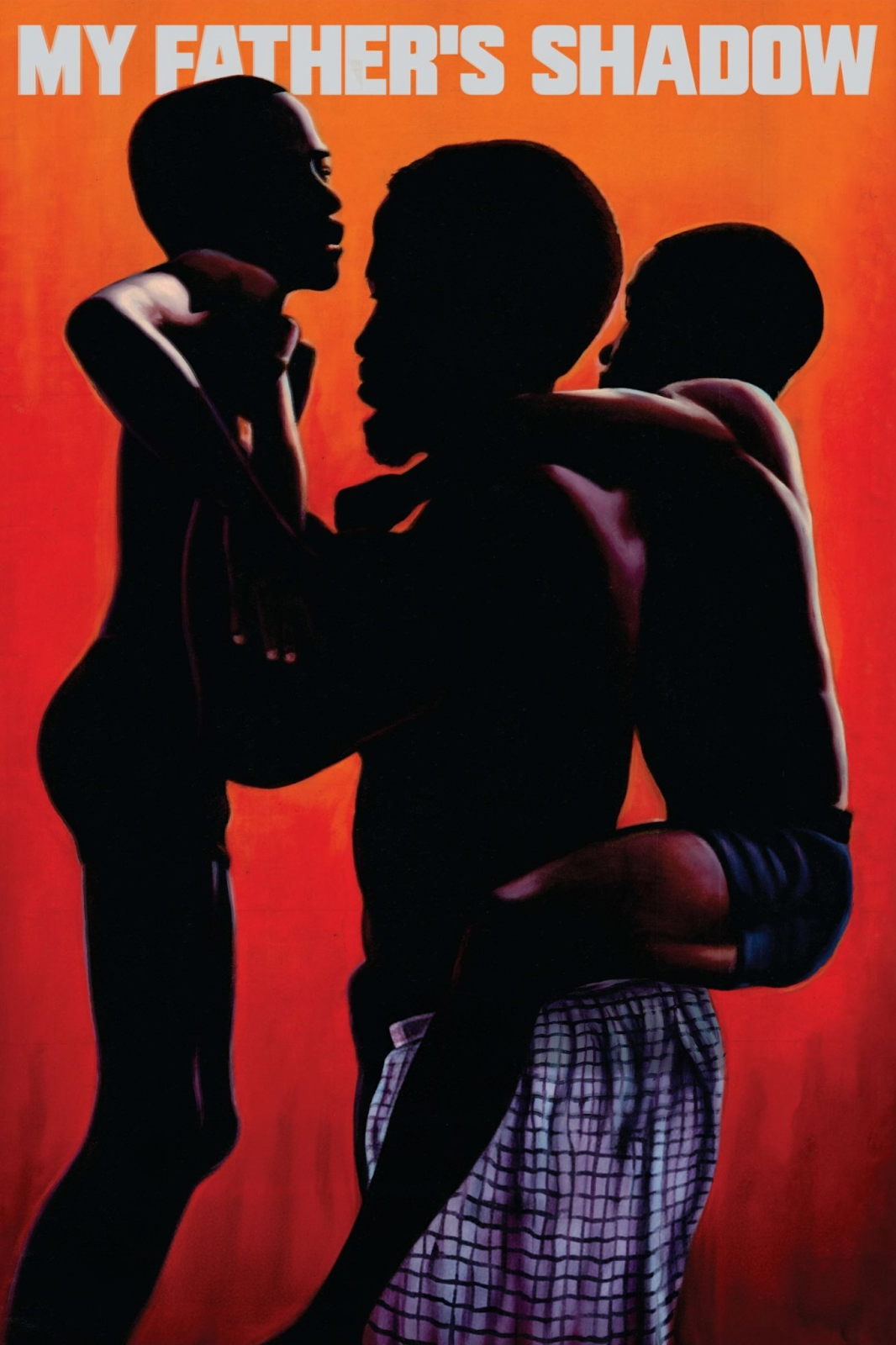
That gap became impossible to ignore when Nigeria's Official Selection Committee declined to submit any film for the 2026 Oscar International Feature category, not because there was nothing worthy, but because the campaign infrastructure to compete at that level simply isn't there. Days later, the UK submitted ‘My Father's Shadow’ – a film shot in Lagos, written by Nigerians, about a Nigerian family – as its own Oscar entry. A Nigerian story, travelling the world under a British flag, because access to BBC Film and BFI funding is what opened the doors that Nollywood's own structures could not.
This is not a failure of Nigerian storytelling. It is a failure of the Nigerian storytelling infrastructure, and the difference matters enormously. What does "Global" actually cost? There is a version of globalisation that Nollywood has already navigated beautifully. International distribution deals are expanding Nigerian titles into European, North American, and Asian markets. Netflix acquisitions have given films like ‘Lionheart’ a reach that no domestic release could match. Streaming has raised technical standards across the board.
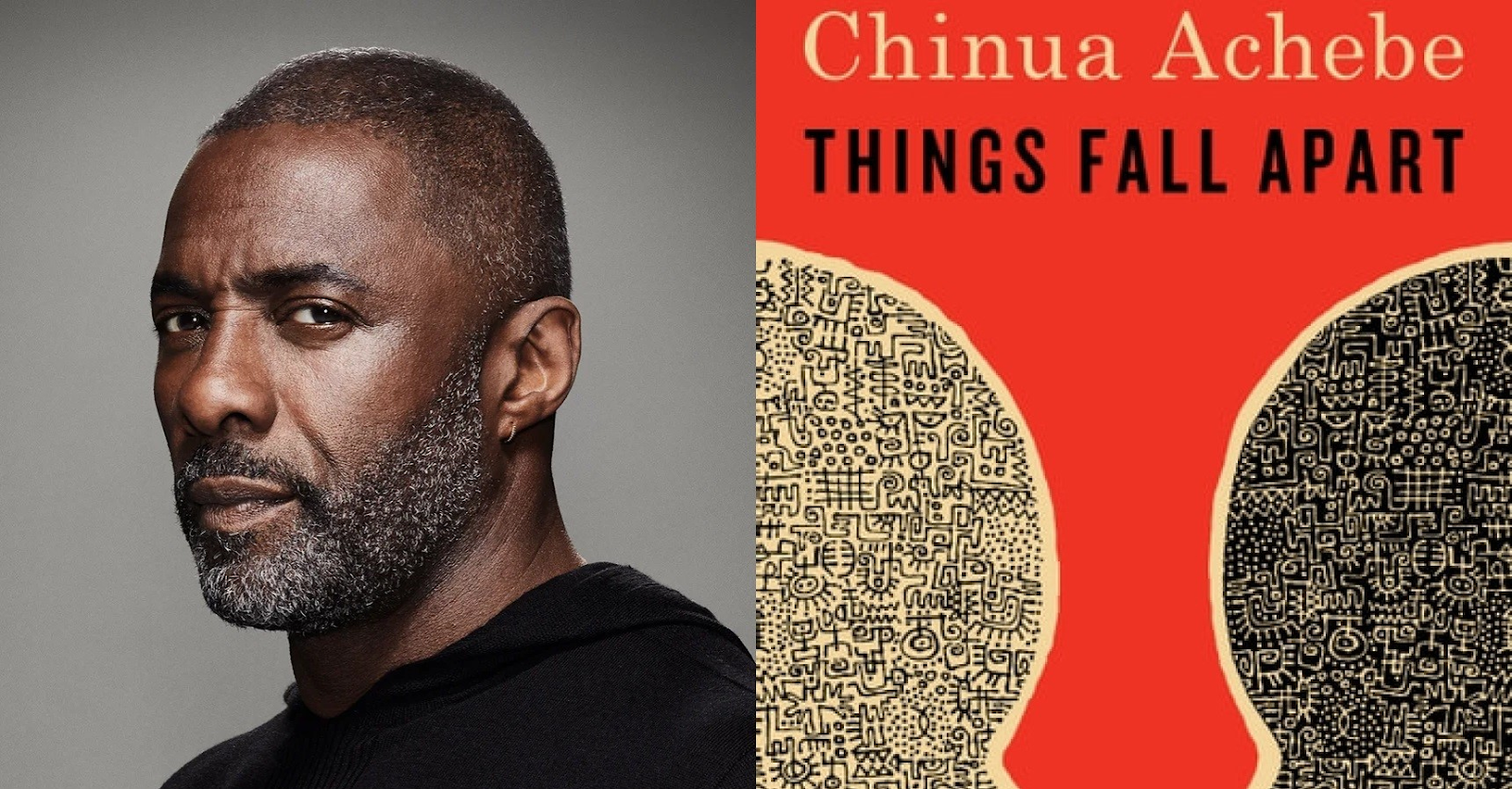
But there is also another version. The one where a classic like ‘Things Fall Apart’ gets adapted with a cast that has no relationship to Umuofia, because international investors need names that travel. The one where a filmmaker softens a story's edges to fit a global format, and somewhere in that softening, the yams lose their smell and the market scene loses its noise.
The highest-grossing Nigerian film of all time has made $853,000. When combined, the country’s top five films have brought in roughly $2.2 million. This is not because the stories aren't worth more, but because the financing pipelines and distribution systems that convert great cinema into global revenue are still being built. Nollywood still doesn't fully have them, and this means the decision to "go global" often means giving up more than just a distribution deal. It means the story pays the price of the ticket.
The answer that holds both? The best conclusion in this conversation keeps returning to the fact that local and global are not opposites. A film can be deeply Nigerian and internationally resonant in the same breath. ‘My Father's Shadow’ proved it – selected as the UK's Oscar entry, 97% on Rotten Tomatoes, built entirely on Nigerian vision and voice, without trading away its specificity for palatability. It showed that a deeply Nigerian story does not need to become less Nigerian to be globally resonant – it just needs access to the right infrastructure.
Akindele's own trajectory makes the same argument from a different direction. ‘Behind The Scenes' went to Netflix not despite its local roots, but because of how well those roots translated into a story that crossed ₦2 billion. The synergy between theatrical success and streaming distribution is becoming critical – and the most effective path to “going global” is proving, with evidence, that home already loves you.
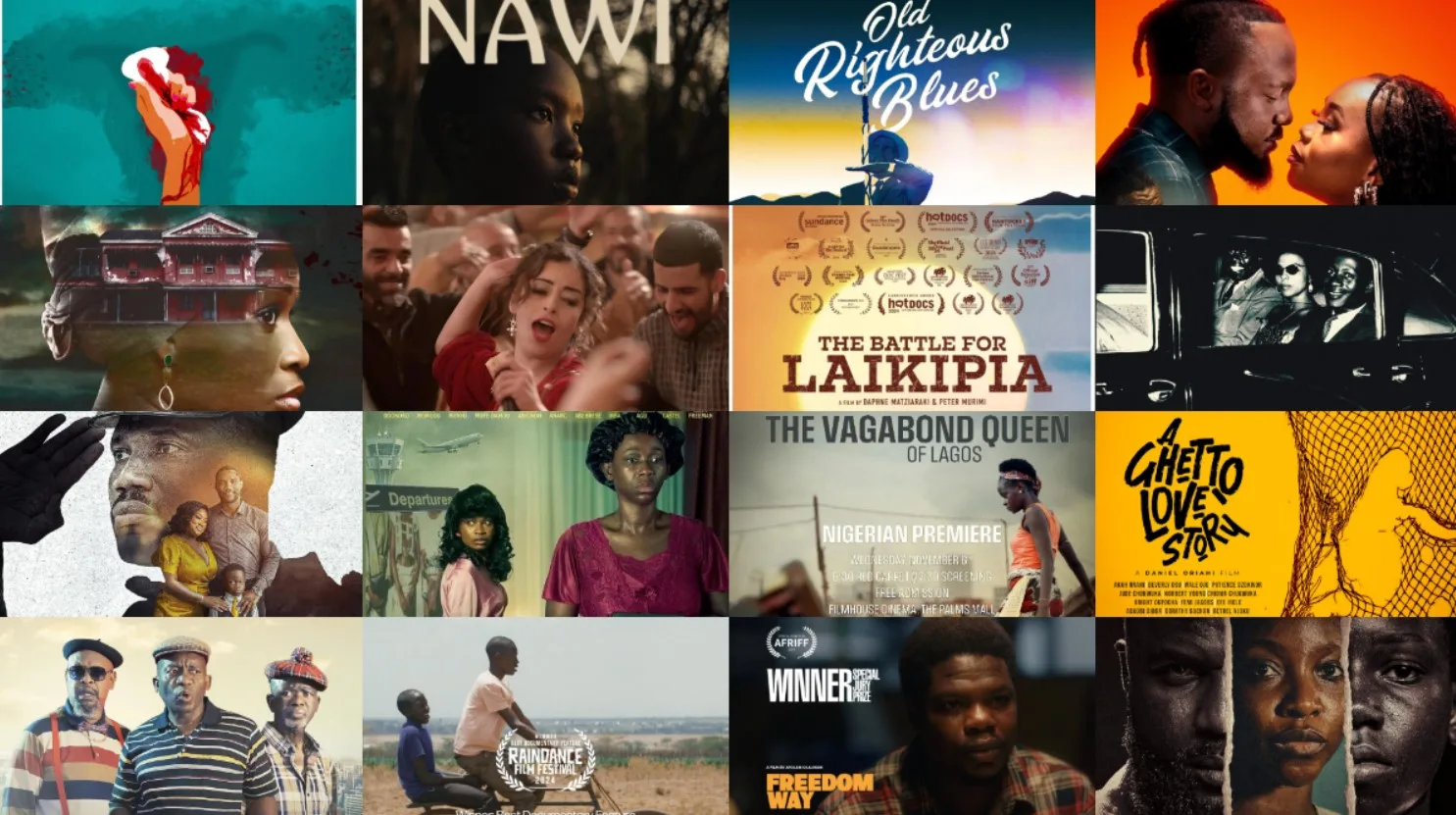
The crossroads are real. But the choice isn't between going global and staying home. The choice is between going global on Nollywood’s own terms – with the story intact, the voice preserved, and the infrastructure finally built to match the ambition – or being absorbed into someone else's idea of what Nigerian culture should look like on export. Nollywood knows how to tell the story. The infrastructure to carry it everywhere is what still needs to be built.
Social media: Substack


.png)

