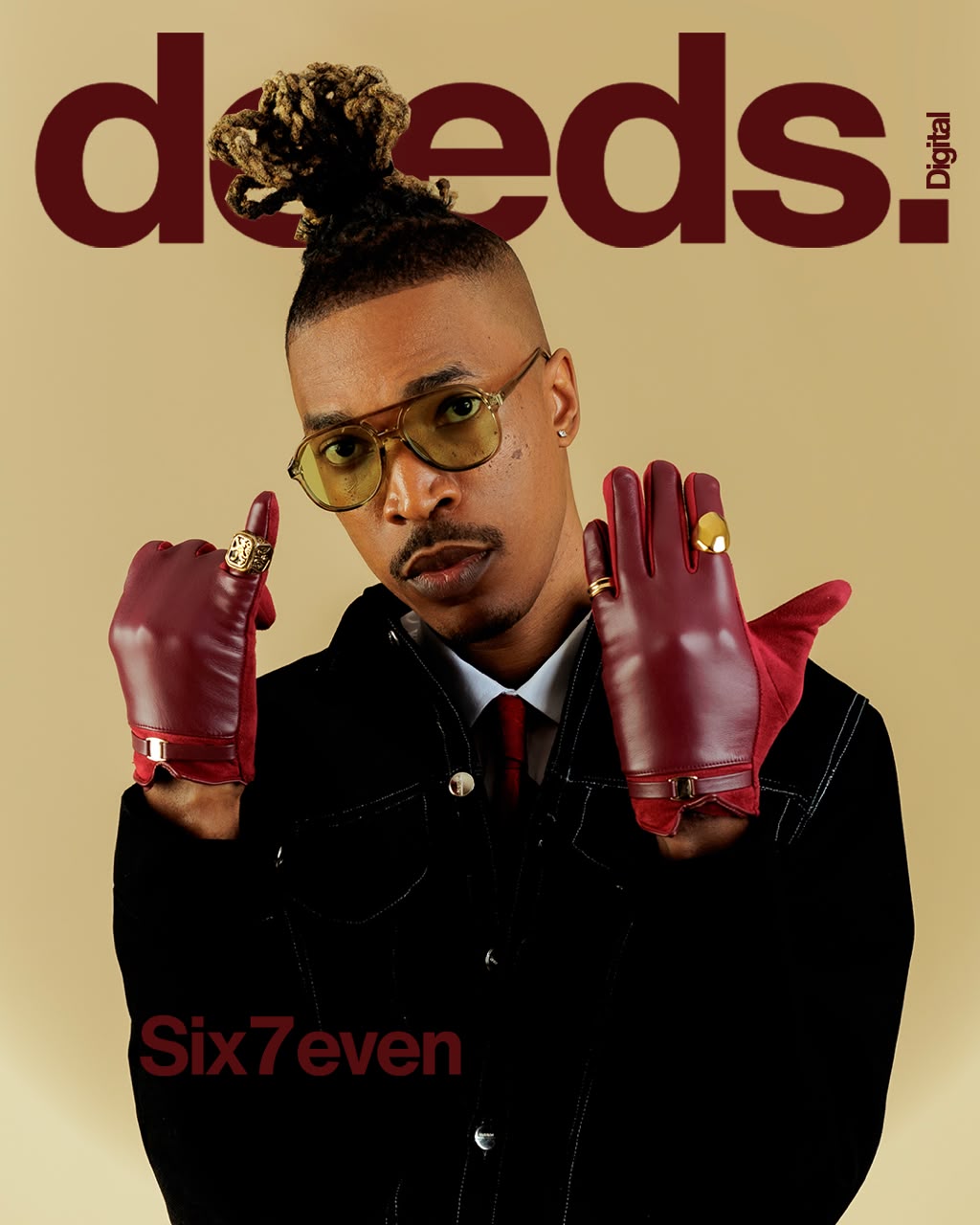
PINEAPPLE HEAD: THE ENGINEER-CUM-DJ WHO BUILT A BRAND OUT OF A HAIRCUT

Authored by

Before there was DJ Six7even, there was David Etuk the petroleum engineering student carrying a first-class average through year three, holding two scholarships at once, interning at ExxonMobil, doing the maths and the physics not because he had to, but because he loved it. "I actually loved studying petroleum engineering," he says, without a trace of the irony you'd expect from someone who walked away from it entirely. "I loved the academic work. I loved maths. Physics was my best subject."

DJ Six7even didn't leave engineering because he burned out or lost interest. He left because something else pulled harder. "I would only do what I love, go where I love, be with who I love," he says. The degree wasn't a mistake he's since corrected. It was proof of a mind that finishes what it starts, redirected toward a different structure entirely.

His latest status description, DJ executive, sounds like branding until you trace it back to where it actually comes from. An engineer thinks in systems, load-bearing structures, resource management, how to build something that holds together under pressure. Six7even didn't set that instinct down when he left school. He picked up a different material to build with.

From Haircut to Holding Company

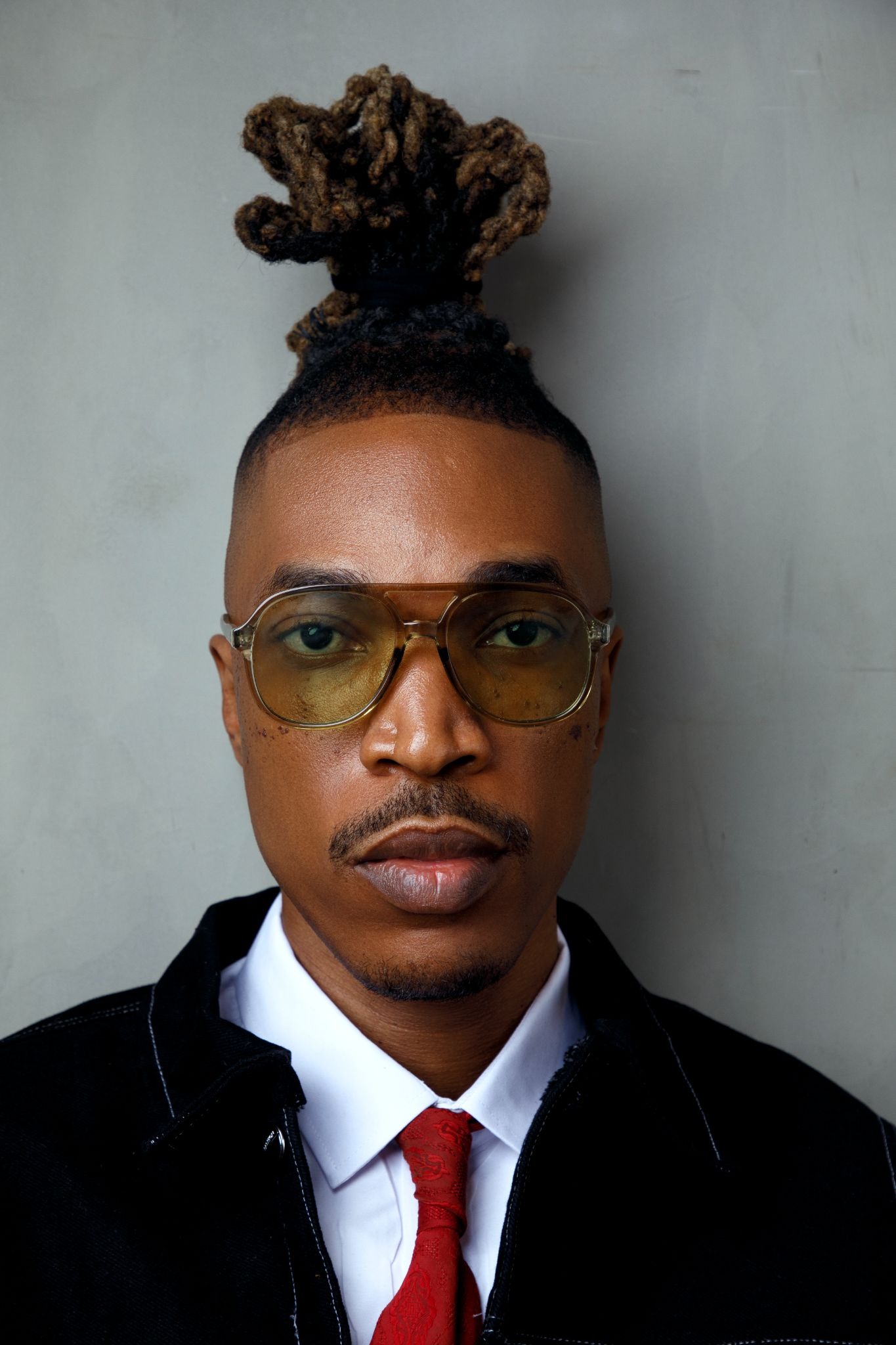
The name itself started as nothing. During a session in his hair stylist's chair, his hair curled up into an unexpected shape, and a random passerby commented that it looked like a pineapple. It stuck the way nicknames do, randomly, permanently, without his input. "My height, I didn't choose it," he says of the other half of the equation, the six-foot-something frame that makes him impossible to miss in any room he enters. "I had to make peace with it."

What he's done since is the part worth paying attention to. In 2026, "Pineapple" stopped being something that happened to him and became something he built. His Pineapple Head Collective is not a merch line or a vanity project, it's a structure, DJs at the center, intertwined with music releases, live events, merchandise, and a pipeline for spotting the next generation of talent coming out of Africa. "It's about building an actual, intertwined, functioning system," he explains, "with DJs in the centre of it."

That word, system, is doing a lot of work. It's the engineer talking. Somewhere between the classroom and the club, he stopped seeing the DJ and the executive as two separate jobs competing for the same hours, and started designing an ecosystem where both roles function without collapsing into each other.

"You know how to manage resources, outsource jobs, network," he says of the mindset he's now building into the collective from day one, rather than learning it the hard way, years into a career, the way he had to.

Even his one unprompted digression, a stray fact about how nearly everything in modern life traces back to oil and gas, reads less like a tangent and more like a signature. The engineering never left. It just became the invisible infrastructure underneath a nightlife brand.

The Sunset Mix
Not a sunset clause.

Six7even has always treated music as something built to bring people into the same room, not just something played at them. That instinct is at the center of the Sunset Mix, a set built around daylight instead of darkness, played between 6 and 7, the same hours baked into his own name. It's less a gimmick than a return to something specific, the daytime energy he's long been associated with, stripped of the usual nightlife trappings and built instead around sun, open air, and Amapiano.

"Amapiano just hits differently when the sun is out," he says, and he's not being poetic about it. It's practically the whole thesis behind the Sunset Mix.

It's a small detail, but it says something larger about how he thinks about his own brand, that "Six7even" was never just a stage name to begin with. It was always a blueprint waiting to be used, the same instinct that turned a haircut into a holding company, now turning a number into a format.

Becoming Six7even

None of the pipeline from David to Six7Even happened overnight. In the summer of 2018, before any of the cities, before the name meant anything, he was sleeping in his car between club trials, doing sets he knew were good, and then waiting on calls that didn't come. "That was the last time I felt unseen, to be honest with you," he says. He kept going anyway, and his breakout moment happened. 

Being seen, it turns out, comes with its own kind of isolation. He describes standing in the middle of a set, 3,000 people losing themselves to the music, and finding himself somewhere else entirely for five full seconds, present in body, gone in mind. "I felt like I was alone in a space of three thousand people," he says. The one constant through both the invisible years and the sold-out ones has been the same friend, Judy, checking in on the person underneath the name on the flyer, not the performance. "Are you okay to play this gig," he recalls her asking, a question almost no one else thinks to ask a man everyone assumes has it all figured out.

The Quest for Stardom 

Ask him what success used to look like, and he'll tell you it used to be smaller and more local, being the biggest nightlife DJ in Lagos, running multiple clubs a night. That version of the dream has been replaced, not abandoned, but outgrown. "The dream got bigger," he says. "It changed to be the biggest DJ export out of Africa."

Underneath the ambition sits a simpler operating principle: being human is the only qualification he requires from anyone, regardless of class or status, and making people happy is what makes the work worth doing. It's a mature worldview from someone whose public image still trades heavily on height and a haircut.
The ‘Hair’ Line

For someone whose entire image trades on being larger than life, literally, he's surprisingly precise about where the boundaries sit. "There's a line," he says, talking about the industry, the crowd, the version of himself that shows up under the lights. "You can dance on it, moonwalk on it, twerk on it. But don't cross it."

It's a small piece of philosophy, delivered almost in passing, but it says more about his longevity than anything about the height or the haircut ever could. He's not interested in shock value or chaos for its own sake, he's interested in range, how far you can push a moment, how much personality you can bring to it, without losing the thing that makes people trust you in the first place. Dance on the line all night. Just don't cross it.

It's the same instinct that shows up in how he talks about people generally, off the decks entirely. Status, class, none of it moves the needle for him. "The fact that you are human already qualifies you as a higher animal," he says, "not just any other animal." Respect isn't earned through who you know or where you're from, it's the baseline, extending the moment two people's paths cross. Making people happy, he says plainly, is what makes him happy.

Put together, it's a quieter kind of maturity than the one the industry usually rewards, less about restraint for its own sake, more about knowing exactly where your own line is, and never needing anyone to remind you where it was.

Strip away the nickname, the stature, the crowd, and what's left is not a mystery, he's already told you. A first-class engineering student who chose sound as his medium and never stopped thinking like a systems builder.

A haircut that became a holding company. A kid who slept in his car in 2018, still building, still executing, still proving to himself that what you genuinely love can be taken all the way to the biggest stages in the world.

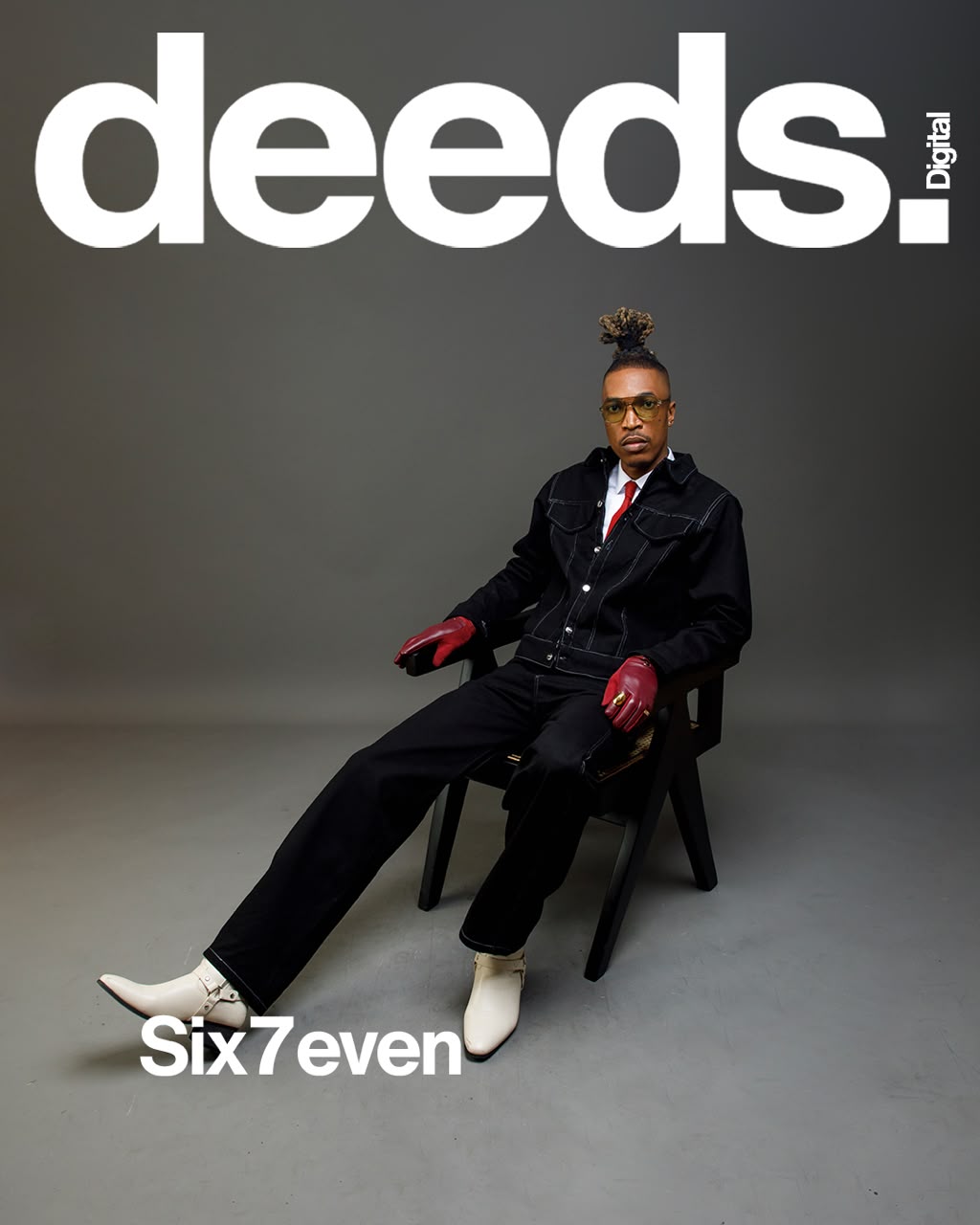
Cover Credit; Tomi O'nezer

‍

PINEAPPLE HEAD: THE ENGINEER-CUM-DJ WHO BUILT A BRAND OUT OF A HAIRCUT

Authored by
This is some text inside of a div block.

Before there was DJ Six7even, there was David Etuk the petroleum engineering student carrying a first-class average through year three, holding two scholarships at once, interning at ExxonMobil, doing the maths and the physics not because he had to, but because he loved it. "I actually loved studying petroleum engineering," he says, without a trace of the irony you'd expect from someone who walked away from it entirely. "I loved the academic work. I loved maths. Physics was my best subject."

DJ Six7even didn't leave engineering because he burned out or lost interest. He left because something else pulled harder. "I would only do what I love, go where I love, be with who I love," he says. The degree wasn't a mistake he's since corrected. It was proof of a mind that finishes what it starts, redirected toward a different structure entirely.

His latest status description, DJ executive, sounds like branding until you trace it back to where it actually comes from. An engineer thinks in systems, load-bearing structures, resource management, how to build something that holds together under pressure. Six7even didn't set that instinct down when he left school. He picked up a different material to build with.

From Haircut to Holding Company

The name itself started as nothing. During a session in his hair stylist's chair, his hair curled up into an unexpected shape, and a random passerby commented that it looked like a pineapple. It stuck the way nicknames do, randomly, permanently, without his input. "My height, I didn't choose it," he says of the other half of the equation, the six-foot-something frame that makes him impossible to miss in any room he enters. "I had to make peace with it."

What he's done since is the part worth paying attention to. In 2026, "Pineapple" stopped being something that happened to him and became something he built. His Pineapple Head Collective is not a merch line or a vanity project, it's a structure, DJs at the center, intertwined with music releases, live events, merchandise, and a pipeline for spotting the next generation of talent coming out of Africa. "It's about building an actual, intertwined, functioning system," he explains, "with DJs in the centre of it."

That word, system, is doing a lot of work. It's the engineer talking. Somewhere between the classroom and the club, he stopped seeing the DJ and the executive as two separate jobs competing for the same hours, and started designing an ecosystem where both roles function without collapsing into each other.

"You know how to manage resources, outsource jobs, network," he says of the mindset he's now building into the collective from day one, rather than learning it the hard way, years into a career, the way he had to.

Even his one unprompted digression, a stray fact about how nearly everything in modern life traces back to oil and gas, reads less like a tangent and more like a signature. The engineering never left. It just became the invisible infrastructure underneath a nightlife brand.

The Sunset Mix
Not a sunset clause.

Six7even has always treated music as something built to bring people into the same room, not just something played at them. That instinct is at the center of the Sunset Mix, a set built around daylight instead of darkness, played between 6 and 7, the same hours baked into his own name. It's less a gimmick than a return to something specific, the daytime energy he's long been associated with, stripped of the usual nightlife trappings and built instead around sun, open air, and Amapiano.

"Amapiano just hits differently when the sun is out," he says, and he's not being poetic about it. It's practically the whole thesis behind the Sunset Mix.

It's a small detail, but it says something larger about how he thinks about his own brand, that "Six7even" was never just a stage name to begin with. It was always a blueprint waiting to be used, the same instinct that turned a haircut into a holding company, now turning a number into a format.

Becoming Six7even

None of the pipeline from David to Six7Even happened overnight. In the summer of 2018, before any of the cities, before the name meant anything, he was sleeping in his car between club trials, doing sets he knew were good, and then waiting on calls that didn't come. "That was the last time I felt unseen, to be honest with you," he says. He kept going anyway, and his breakout moment happened. 

Being seen, it turns out, comes with its own kind of isolation. He describes standing in the middle of a set, 3,000 people losing themselves to the music, and finding himself somewhere else entirely for five full seconds, present in body, gone in mind. "I felt like I was alone in a space of three thousand people," he says. The one constant through both the invisible years and the sold-out ones has been the same friend, Judy, checking in on the person underneath the name on the flyer, not the performance. "Are you okay to play this gig," he recalls her asking, a question almost no one else thinks to ask a man everyone assumes has it all figured out.

The Quest for Stardom 

Ask him what success used to look like, and he'll tell you it used to be smaller and more local, being the biggest nightlife DJ in Lagos, running multiple clubs a night. That version of the dream has been replaced, not abandoned, but outgrown. "The dream got bigger," he says. "It changed to be the biggest DJ export out of Africa."

Underneath the ambition sits a simpler operating principle: being human is the only qualification he requires from anyone, regardless of class or status, and making people happy is what makes the work worth doing. It's a mature worldview from someone whose public image still trades heavily on height and a haircut.


The ‘Hair’ Line

For someone whose entire image trades on being larger than life, literally, he's surprisingly precise about where the boundaries sit. "There's a line," he says, talking about the industry, the crowd, the version of himself that shows up under the lights. "You can dance on it, moonwalk on it, twerk on it. But don't cross it."

It's a small piece of philosophy, delivered almost in passing, but it says more about his longevity than anything about the height or the haircut ever could. He's not interested in shock value or chaos for its own sake, he's interested in range, how far you can push a moment, how much personality you can bring to it, without losing the thing that makes people trust you in the first place. Dance on the line all night. Just don't cross it.

It's the same instinct that shows up in how he talks about people generally, off the decks entirely. Status, class, none of it moves the needle for him. "The fact that you are human already qualifies you as a higher animal," he says, "not just any other animal." Respect isn't earned through who you know or where you're from, it's the baseline, extending the moment two people's paths cross. Making people happy, he says plainly, is what makes him happy.

Put together, it's a quieter kind of maturity than the one the industry usually rewards, less about restraint for its own sake, more about knowing exactly where your own line is, and never needing anyone to remind you where it was.

Strip away the nickname, the stature, the crowd, and what's left is not a mystery, he's already told you. A first-class engineering student who chose sound as his medium and never stopped thinking like a systems builder.

A haircut that became a holding company. A kid who slept in his car in 2018, still building, still executing, still proving to himself that what you genuinely love can be taken all the way to the biggest stages in the world.

Cover Credit; Tomi O'nezer

‍

This is some text inside of a div block.

PINEAPPLE HEAD: THE ENGINEER-CUM-DJ WHO BUILT A BRAND OUT OF A HAIRCUT

Authored by

Before there was DJ Six7even, there was David Etuk the petroleum engineering student carrying a first-class average through year three, holding two scholarships at once, interning at ExxonMobil, doing the maths and the physics not because he had to, but because he loved it. "I actually loved studying petroleum engineering," he says, without a trace of the irony you'd expect from someone who walked away from it entirely. "I loved the academic work. I loved maths. Physics was my best subject."

DJ Six7even didn't leave engineering because he burned out or lost interest. He left because something else pulled harder. "I would only do what I love, go where I love, be with who I love," he says. The degree wasn't a mistake he's since corrected. It was proof of a mind that finishes what it starts, redirected toward a different structure entirely.

His latest status description, DJ executive, sounds like branding until you trace it back to where it actually comes from. An engineer thinks in systems, load-bearing structures, resource management, how to build something that holds together under pressure. Six7even didn't set that instinct down when he left school. He picked up a different material to build with.

From Haircut to Holding Company

The name itself started as nothing. During a session in his hair stylist's chair, his hair curled up into an unexpected shape, and a random passerby commented that it looked like a pineapple. It stuck the way nicknames do, randomly, permanently, without his input. "My height, I didn't choose it," he says of the other half of the equation, the six-foot-something frame that makes him impossible to miss in any room he enters. "I had to make peace with it."

What he's done since is the part worth paying attention to. In 2026, "Pineapple" stopped being something that happened to him and became something he built. His Pineapple Head Collective is not a merch line or a vanity project, it's a structure, DJs at the center, intertwined with music releases, live events, merchandise, and a pipeline for spotting the next generation of talent coming out of Africa. "It's about building an actual, intertwined, functioning system," he explains, "with DJs in the centre of it."

That word, system, is doing a lot of work. It's the engineer talking. Somewhere between the classroom and the club, he stopped seeing the DJ and the executive as two separate jobs competing for the same hours, and started designing an ecosystem where both roles function without collapsing into each other.

"You know how to manage resources, outsource jobs, network," he says of the mindset he's now building into the collective from day one, rather than learning it the hard way, years into a career, the way he had to.

Even his one unprompted digression, a stray fact about how nearly everything in modern life traces back to oil and gas, reads less like a tangent and more like a signature. The engineering never left. It just became the invisible infrastructure underneath a nightlife brand.

The Sunset Mix
Not a sunset clause.

Six7even has always treated music as something built to bring people into the same room, not just something played at them. That instinct is at the center of the Sunset Mix, a set built around daylight instead of darkness, played between 6 and 7, the same hours baked into his own name. It's less a gimmick than a return to something specific, the daytime energy he's long been associated with, stripped of the usual nightlife trappings and built instead around sun, open air, and Amapiano.

"Amapiano just hits differently when the sun is out," he says, and he's not being poetic about it. It's practically the whole thesis behind the Sunset Mix.

It's a small detail, but it says something larger about how he thinks about his own brand, that "Six7even" was never just a stage name to begin with. It was always a blueprint waiting to be used, the same instinct that turned a haircut into a holding company, now turning a number into a format.

Becoming Six7even

None of the pipeline from David to Six7Even happened overnight. In the summer of 2018, before any of the cities, before the name meant anything, he was sleeping in his car between club trials, doing sets he knew were good, and then waiting on calls that didn't come. "That was the last time I felt unseen, to be honest with you," he says. He kept going anyway, and his breakout moment happened. 

Being seen, it turns out, comes with its own kind of isolation. He describes standing in the middle of a set, 3,000 people losing themselves to the music, and finding himself somewhere else entirely for five full seconds, present in body, gone in mind. "I felt like I was alone in a space of three thousand people," he says. The one constant through both the invisible years and the sold-out ones has been the same friend, Judy, checking in on the person underneath the name on the flyer, not the performance. "Are you okay to play this gig," he recalls her asking, a question almost no one else thinks to ask a man everyone assumes has it all figured out.

The Quest for Stardom 

Ask him what success used to look like, and he'll tell you it used to be smaller and more local, being the biggest nightlife DJ in Lagos, running multiple clubs a night. That version of the dream has been replaced, not abandoned, but outgrown. "The dream got bigger," he says. "It changed to be the biggest DJ export out of Africa."

Underneath the ambition sits a simpler operating principle: being human is the only qualification he requires from anyone, regardless of class or status, and making people happy is what makes the work worth doing. It's a mature worldview from someone whose public image still trades heavily on height and a haircut.


The ‘Hair’ Line

For someone whose entire image trades on being larger than life, literally, he's surprisingly precise about where the boundaries sit. "There's a line," he says, talking about the industry, the crowd, the version of himself that shows up under the lights. "You can dance on it, moonwalk on it, twerk on it. But don't cross it."

It's a small piece of philosophy, delivered almost in passing, but it says more about his longevity than anything about the height or the haircut ever could. He's not interested in shock value or chaos for its own sake, he's interested in range, how far you can push a moment, how much personality you can bring to it, without losing the thing that makes people trust you in the first place. Dance on the line all night. Just don't cross it.

It's the same instinct that shows up in how he talks about people generally, off the decks entirely. Status, class, none of it moves the needle for him. "The fact that you are human already qualifies you as a higher animal," he says, "not just any other animal." Respect isn't earned through who you know or where you're from, it's the baseline, extending the moment two people's paths cross. Making people happy, he says plainly, is what makes him happy.

Put together, it's a quieter kind of maturity than the one the industry usually rewards, less about restraint for its own sake, more about knowing exactly where your own line is, and never needing anyone to remind you where it was.

Strip away the nickname, the stature, the crowd, and what's left is not a mystery, he's already told you. A first-class engineering student who chose sound as his medium and never stopped thinking like a systems builder.

A haircut that became a holding company. A kid who slept in his car in 2018, still building, still executing, still proving to himself that what you genuinely love can be taken all the way to the biggest stages in the world.

Cover Credit; Tomi O'nezer
‍

Other Stories
London
London
Lagos
London
Newyork
London
Shop
Join the community.
You are now subscribed to receive updates.
Oops! Something went wrong while submitting the form.
Subscribe