Pop Takes: Timothy Chalamet’s Oscar Loss Divides The Internet, Jack Harlow’s Faces Backlash Over New Album “Monica” + More

Authored by

As a consummate music lover, very few things fire me up as much as an exciting album rollout. As much as an album is a compendium of tightly woven songs exploring a set of topics or advancing a sonic argument, albums also function as chapters in an artist’s career, making the case that the artist in question has undergone a significant evolution and now has something to offer the world. It's revealing that today in pop culture, the dawn of a new album is commonly referred to as a “new era.” 

Over the years I’ve watched and lived through the rollouts of a great many albums. I've, however, noticed that the ones that have stuck with me have been chaotic and unrelenting. Cue up that infamous clip from Kanye West’s ‘Donda.’ Surrounded by producers and acolytes such as Rick Rubin and framed by a whiteboard covered with song titles and barely intelligible musings, he crows: “Play Off The Grid!" The rollout for Rema’s ‘Heis’ had a familiar ring and triggered hysterical theories claiming he had joined the Illuminati. Watching Omah Lay drum up anticipation for his imminent album “Clarity of Mind,” with a topsy-turvy rollout has evoked the same snarling excitement. 

In this installment of Pop Takes—an original column in which I interrogate some of the most culturally relevant topics in Pop Culture—Omah Lay’s blistering rollout, alongside topics such as the Oscars and Jack Harlow’s ‘Monica,’ are at the heart of my inquiry. 

Timothy Chalamet’s Oscar Loss Divides The Internet
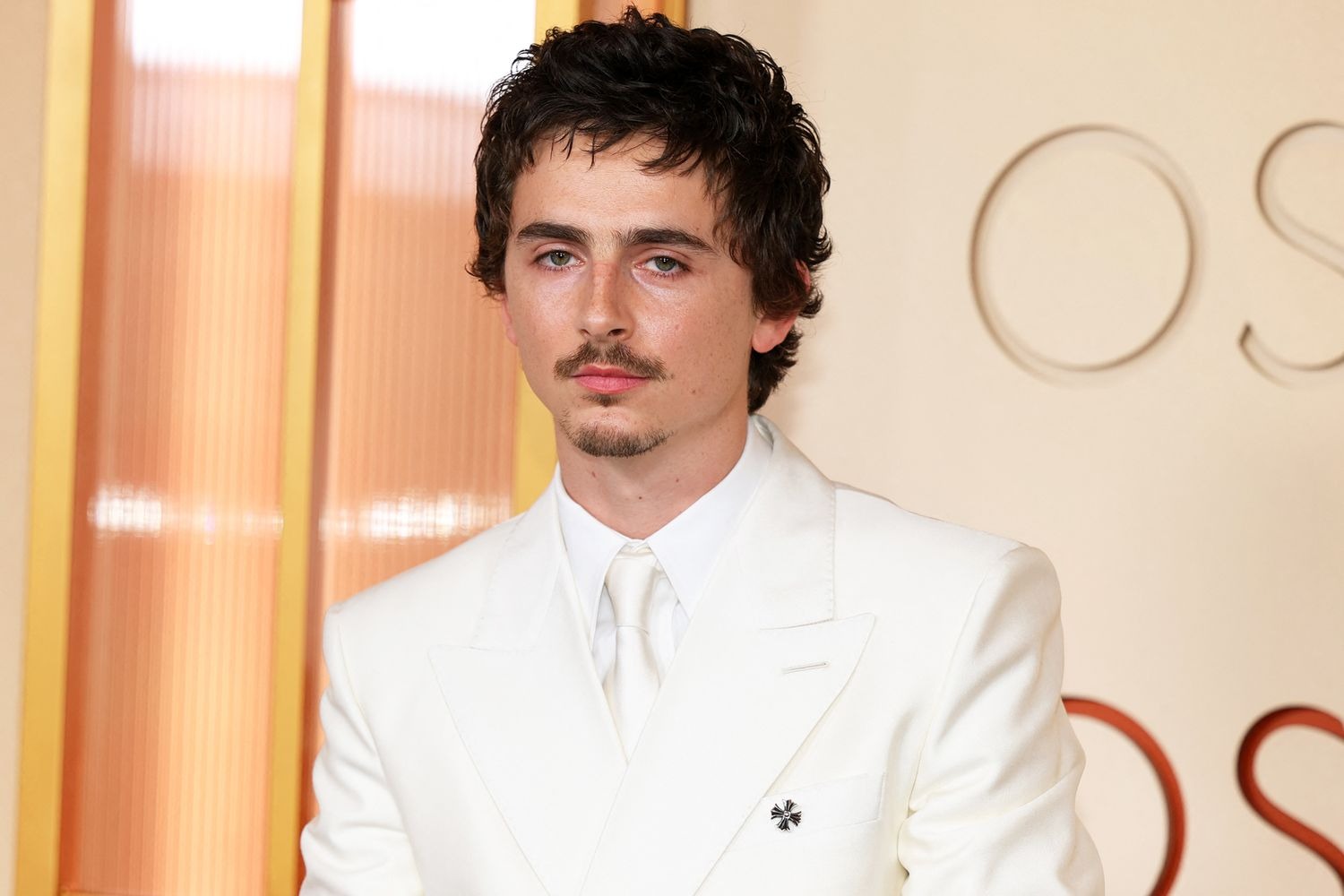
Michael B. Jordan had hardly run through his acceptance speech for winning the Best Actor in a Leading Role honor at the 98th Academy Awards when the memes started rolling in. In the months leading up to the Oscars, the Ryan Coogler-directed ‘Sinners,’ and Paul Thompson Anderson’s ‘One Battle After Another,’ emerged as the clear favorites this year, picking up 16 and 13 Oscar nominations respectively. The Best Actor category, however, found ‘Sinners’’ poster boy Michael B. Jordan in a fierce battle with Timothy Chalamet, who plays the lead character, Marty Mauser, in Josh Safdie’s ‘Marty Supreme.’ And while Jordan would lead the kind of subtle, if decorous, Oscars campaign that the mostly stodgy Academy members tend to favor; Chalemet delivered a sweltering and often incendiary campaign. Towards the end of his relentless Oscar bid, the 30-year-old seemed to have embodied the glib arrogance of his character Marty Mauser. In a widely circulated interview with Matthew McConaughey, Chalamet seemingly punches down at Opera and Ballet, claiming “no one cares” about these art forms. 

Given his imperious disposition in the lead-up to the Oscars night, Chalamet’s loss has generated a welter of joy in certain quarters of social media. Expectedly, trolls have also had a field day spinning taunting memes. Amidst all of this, however, a few key concerns emerge: Did Chalamet lose because of his comments on Opera? Did the Academy vote to teach him a lesson in humility?

Despite the widespread perception that Chalamet’s comments on Opera torpedoed his chances at the Oscars, that assessment seems unlikely as the voting was almost complete by the time those comments became a topic on social media. There's, however, a point to be made about the Academy’s pattern of making preening actors—think Leonardo DiCaprio, Will Smith, and Michael B. Jordan—wait until much later in their careers before winning an Oscar. Considering this pattern, it might benefit Chalamet to tone down his theatrics and affect the kind of humility the Academy favors.  

Jack Harlow’s Faces Backlash Over New Album ‘Monica’ 
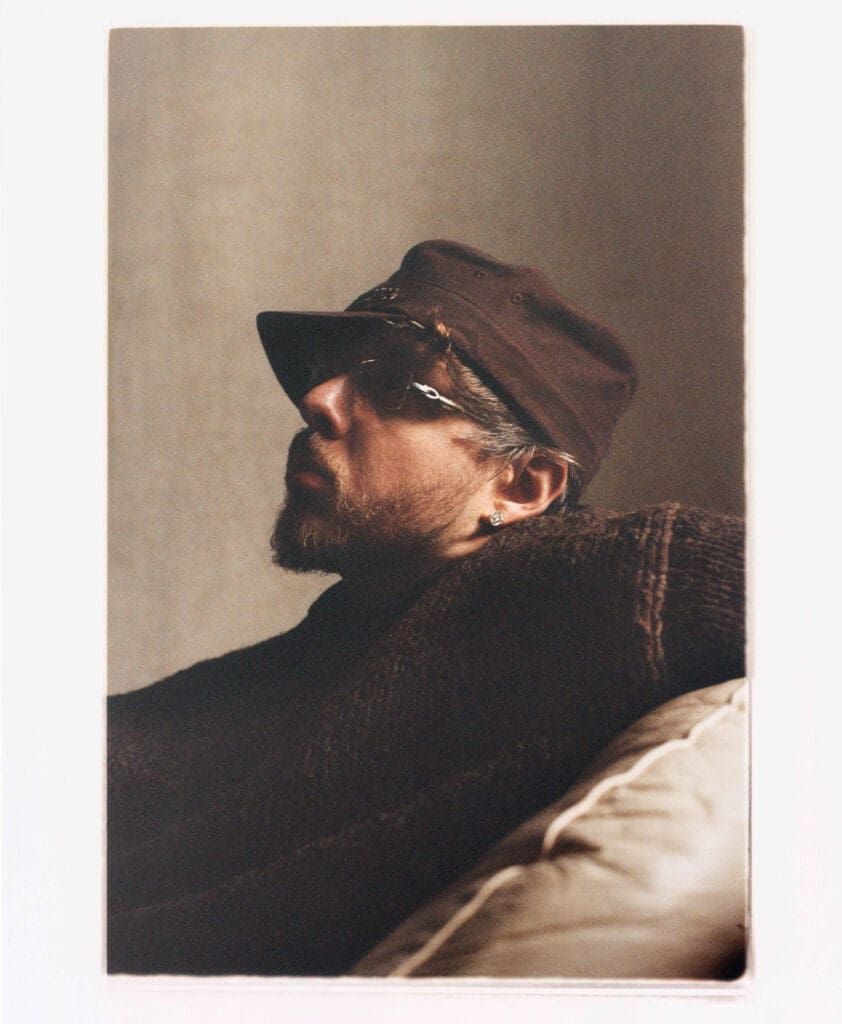
Anyone who has kept tabs on the Louisville, Kentucky rapper Jack Harlow in the past two years has perhaps glimpsed his subtle evolution. He has quietly retreated from public glare, traded his former glitzy style for beige turtle necks and baggy tees that evoke 90s fashion, and taken to dispensing mawkish rhetoric about subjects like ego death and transcendence. In a recent interview with Popcast, a New York Times podcast covering music and culture, Harlow said: “As I’m getting older, I’m having more trouble reconciling being braggadocious on record.” Indeed this introspective sentiment threads through his latest album ‘Monica,’ which turns starkly away from his earlier works. In place of the pop samples, slick rapping, and thumping beats that defined his earlier projects, ‘Monica’ finds Harlow in Neo-Soul territory, luxuriating in sensual singing, supple keys, and buttery harmonies. In that episode of Popcast, he talks about becoming “Blacker” on this album, a comment that has not gone down well with everyone. Critics have called out his glib verbiage and the predatory undertones of his gambits with this album—over the years, many white musicians have co-opted Black music, passing it off as their invention. 

In a recent Pitchfork review, renowned African-American music critic Alphonse Pierre bitterly skewers the project, awarding it a score of 3.1/10. “Jack Harlow’s sexless new album demonstrates a fundamental misunderstanding of neo-soul. His coffee shop crooning is a transparent exercise in personal rebranding, he writes.” My view of the situation is less bleak. I think Jack Harlow is genuine in his desire to explore Neo-Soul and apparently tame his ego. I think he respects and is inspired by Black music legends. And ultimately, while the project is far from ground-breaking, it's mostly an enjoyable listen. Against the backdrop of an explosion of Rage Rap, the sensual grooves of the album feel like a welcome reprieve. But I also agree with Pierre in that the themes Harlow explores in the album feel a bit too tidy and lack the complexity that accompanies a conscientious exploration of self. 

Omah Lay’s Album Rollout Feels Like a Rollercoaster Ride 
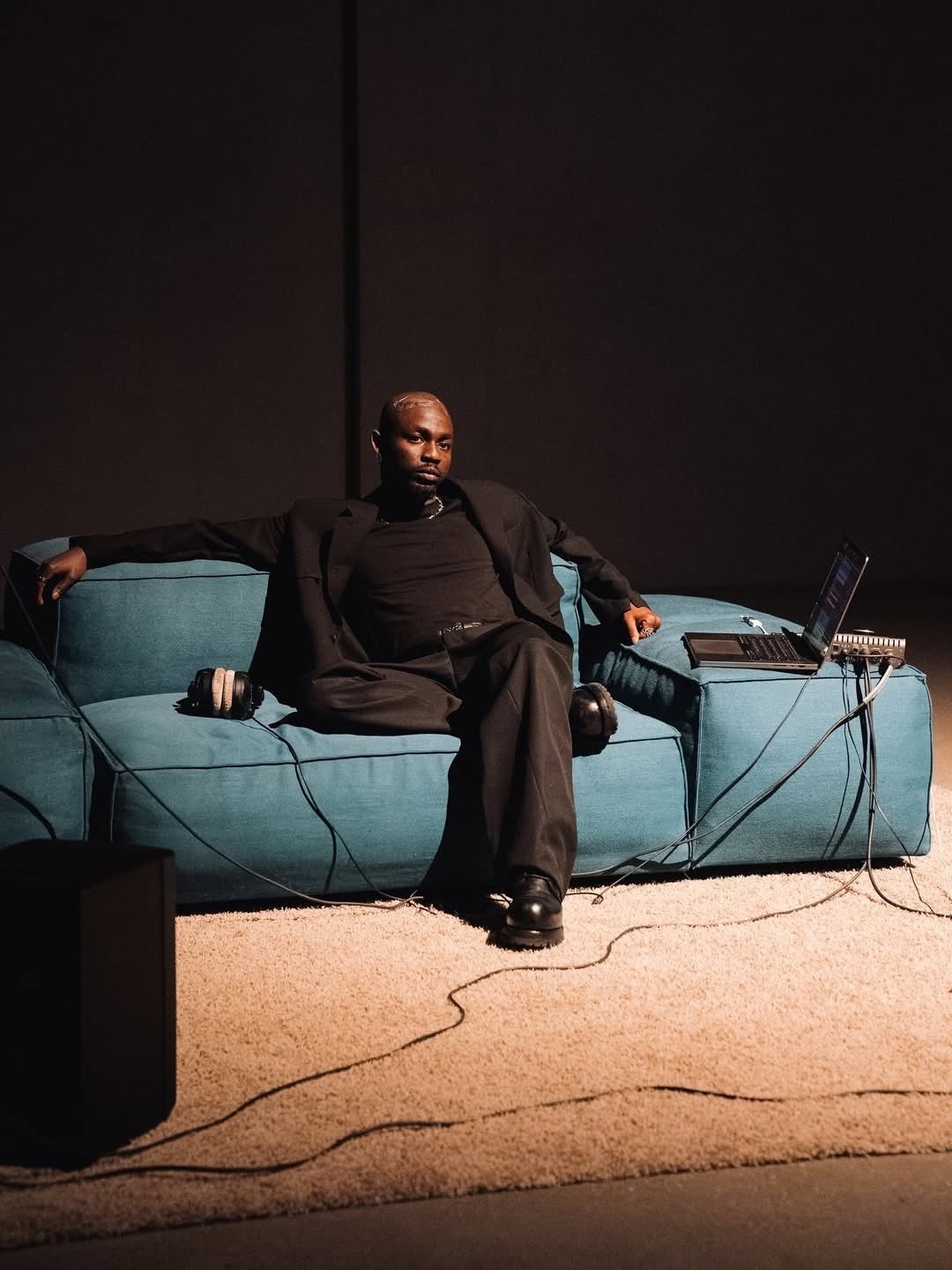
Last week, as the world writhed over soaring oil prices from the ongoing war in Iran, clips from Omah Lay’s listening party for his imminent album ‘Clarity of Mind,’ began to float around on social media. Unless you've been desensitized by similarly chaotic album rollouts, watching these clips is certain to leave you in a tailspin. The cream-colored room where the listening party was held is conspicuously sparsely furnished. A beige sofa sits in the middle of the room, functioning as a lectern of sorts. In one clip, we see Omah Lay vigorously working out with a pair of dumbbells, as the crowd encircling him gawks excitedly. In another, he’s doing push-ups, as an unreleased track plays in the background. Later, he runs around the room for no discernible reason. 

The event seemingly climaxed with a Q&A session where he implied that the Yorubas dominate the Nigerian music industry and that Fela is the founder of Afrobeats (this is incorrect; the genre pioneered by Fela is Afrobeat, which is stylistically distinct.) 

Just when the fallout from his listening party had started to abate. A clip showing Omah Lay in the snowy mountains of Austria surfaced on social media. There are claims that the clips are from a private listening party for a billionaire fan who reportedly paid €700,000 for the listening experience. This has set off a new wave of arguments over the veracity of the claims and whether the amount paid is fitting for an artist of Omah Lay’s stature. 

I honestly think that all of this drama is engineered. There have been speculations that Omah Lay’s erratic rollout is emblematic of his troubled internal state and comparisons to Kanye West’s “Donda” rollout have come up frequently. A bit of this might be at play but ultimately, my take is that Omah Lay is an eccentric and an inveterate showman. He understands that his fans love a bit of theatrics, and as a showman, he has to give the fans what they want. Beyond this, the music industry is perhaps more saturated than ever; albums come and go every day without so much as affecting the zeitgeist. As such, any artist looking to cut through the noise needs to do something different, something explosive. It's why Wizkid leaned into sparring with his long-time rival Davido during the rollout for his ‘Morayo’ album; it's also why Rema leaned strongly into unorthodoxy during the rollout for his sophomore album ‘Heis.’ More than anyone else, Omah Lay understands this dynamic, having emerged in the heat of the pandemic with a delightfully off-kilter EP. Now, the question is whether ‘Clarity of Mind’ will live up to the promise of its bracingly exciting rollout. 
Pop Takes: Timothy Chalamet’s Oscar Loss Divides The Internet, Jack Harlow’s Faces Backlash Over New Album “Monica” + More

Authored by
This is some text inside of a div block.

As a consummate music lover, very few things fire me up as much as an exciting album rollout. As much as an album is a compendium of tightly woven songs exploring a set of topics or advancing a sonic argument, albums also function as chapters in an artist’s career, making the case that the artist in question has undergone a significant evolution and now has something to offer the world. It's revealing that today in pop culture, the dawn of a new album is commonly referred to as a “new era.” 

Over the years I’ve watched and lived through the rollouts of a great many albums. I've, however, noticed that the ones that have stuck with me have been chaotic and unrelenting. Cue up that infamous clip from Kanye West’s ‘Donda.’ Surrounded by producers and acolytes such as Rick Rubin and framed by a whiteboard covered with song titles and barely intelligible musings, he crows: “Play Off The Grid!" The rollout for Rema’s ‘Heis’ had a familiar ring and triggered hysterical theories claiming he had joined the Illuminati. Watching Omah Lay drum up anticipation for his imminent album “Clarity of Mind,” with a topsy-turvy rollout has evoked the same snarling excitement. 

In this installment of Pop Takes—an original column in which I interrogate some of the most culturally relevant topics in Pop Culture—Omah Lay’s blistering rollout, alongside topics such as the Oscars and Jack Harlow’s ‘Monica,’ are at the heart of my inquiry. 

Timothy Chalamet’s Oscar Loss Divides The Internet

Michael B. Jordan had hardly run through his acceptance speech for winning the Best Actor in a Leading Role honor at the 98th Academy Awards when the memes started rolling in. In the months leading up to the Oscars, the Ryan Coogler-directed ‘Sinners,’ and Paul Thompson Anderson’s ‘One Battle After Another,’ emerged as the clear favorites this year, picking up 16 and 13 Oscar nominations respectively. The Best Actor category, however, found ‘Sinners’’ poster boy Michael B. Jordan in a fierce battle with Timothy Chalamet, who plays the lead character, Marty Mauser, in Josh Safdie’s ‘Marty Supreme.’ And while Jordan would lead the kind of subtle, if decorous, Oscars campaign that the mostly stodgy Academy members tend to favor; Chalemet delivered a sweltering and often incendiary campaign. Towards the end of his relentless Oscar bid, the 30-year-old seemed to have embodied the glib arrogance of his character Marty Mauser. In a widely circulated interview with Matthew McConaughey, Chalamet seemingly punches down at Opera and Ballet, claiming “no one cares” about these art forms. 

Given his imperious disposition in the lead-up to the Oscars night, Chalamet’s loss has generated a welter of joy in certain quarters of social media. Expectedly, trolls have also had a field day spinning taunting memes. Amidst all of this, however, a few key concerns emerge: Did Chalamet lose because of his comments on Opera? Did the Academy vote to teach him a lesson in humility?

Despite the widespread perception that Chalamet’s comments on Opera torpedoed his chances at the Oscars, that assessment seems unlikely as the voting was almost complete by the time those comments became a topic on social media. There's, however, a point to be made about the Academy’s pattern of making preening actors—think Leonardo DiCaprio, Will Smith, and Michael B. Jordan—wait until much later in their careers before winning an Oscar. Considering this pattern, it might benefit Chalamet to tone down his theatrics and affect the kind of humility the Academy favors.  

Jack Harlow’s Faces Backlash Over New Album ‘Monica’ 

Anyone who has kept tabs on the Louisville, Kentucky rapper Jack Harlow in the past two years has perhaps glimpsed his subtle evolution. He has quietly retreated from public glare, traded his former glitzy style for beige turtle necks and baggy tees that evoke 90s fashion, and taken to dispensing mawkish rhetoric about subjects like ego death and transcendence. In a recent interview with Popcast, a New York Times podcast covering music and culture, Harlow said: “As I’m getting older, I’m having more trouble reconciling being braggadocious on record.” Indeed this introspective sentiment threads through his latest album ‘Monica,’ which turns starkly away from his earlier works. In place of the pop samples, slick rapping, and thumping beats that defined his earlier projects, ‘Monica’ finds Harlow in Neo-Soul territory, luxuriating in sensual singing, supple keys, and buttery harmonies. In that episode of Popcast, he talks about becoming “Blacker” on this album, a comment that has not gone down well with everyone. Critics have called out his glib verbiage and the predatory undertones of his gambits with this album—over the years, many white musicians have co-opted Black music, passing it off as their invention. 

In a recent Pitchfork review, renowned African-American music critic Alphonse Pierre bitterly skewers the project, awarding it a score of 3.1/10. “Jack Harlow’s sexless new album demonstrates a fundamental misunderstanding of neo-soul. His coffee shop crooning is a transparent exercise in personal rebranding, he writes.” My view of the situation is less bleak. I think Jack Harlow is genuine in his desire to explore Neo-Soul and apparently tame his ego. I think he respects and is inspired by Black music legends. And ultimately, while the project is far from ground-breaking, it's mostly an enjoyable listen. Against the backdrop of an explosion of Rage Rap, the sensual grooves of the album feel like a welcome reprieve. But I also agree with Pierre in that the themes Harlow explores in the album feel a bit too tidy and lack the complexity that accompanies a conscientious exploration of self. 

Omah Lay’s Album Rollout Feels Like a Rollercoaster Ride 

Last week, as the world writhed over soaring oil prices from the ongoing war in Iran, clips from Omah Lay’s listening party for his imminent album ‘Clarity of Mind,’ began to float around on social media. Unless you've been desensitized by similarly chaotic album rollouts, watching these clips is certain to leave you in a tailspin. The cream-colored room where the listening party was held is conspicuously sparsely furnished. A beige sofa sits in the middle of the room, functioning as a lectern of sorts. In one clip, we see Omah Lay vigorously working out with a pair of dumbbells, as the crowd encircling him gawks excitedly. In another, he’s doing push-ups, as an unreleased track plays in the background. Later, he runs around the room for no discernible reason. 

The event seemingly climaxed with a Q&A session where he implied that the Yorubas dominate the Nigerian music industry and that Fela is the founder of Afrobeats (this is incorrect; the genre pioneered by Fela is Afrobeat, which is stylistically distinct.) 

Just when the fallout from his listening party had started to abate. A clip showing Omah Lay in the snowy mountains of Austria surfaced on social media. There are claims that the clips are from a private listening party for a billionaire fan who reportedly paid €700,000 for the listening experience. This has set off a new wave of arguments over the veracity of the claims and whether the amount paid is fitting for an artist of Omah Lay’s stature. 

I honestly think that all of this drama is engineered. There have been speculations that Omah Lay’s erratic rollout is emblematic of his troubled internal state and comparisons to Kanye West’s “Donda” rollout have come up frequently. A bit of this might be at play but ultimately, my take is that Omah Lay is an eccentric and an inveterate showman. He understands that his fans love a bit of theatrics, and as a showman, he has to give the fans what they want. Beyond this, the music industry is perhaps more saturated than ever; albums come and go every day without so much as affecting the zeitgeist. As such, any artist looking to cut through the noise needs to do something different, something explosive. It's why Wizkid leaned into sparring with his long-time rival Davido during the rollout for his ‘Morayo’ album; it's also why Rema leaned strongly into unorthodoxy during the rollout for his sophomore album ‘Heis.’ More than anyone else, Omah Lay understands this dynamic, having emerged in the heat of the pandemic with a delightfully off-kilter EP. Now, the question is whether ‘Clarity of Mind’ will live up to the promise of its bracingly exciting rollout. 

This is some text inside of a div block.

Pop Takes: Timothy Chalamet’s Oscar Loss Divides The Internet, Jack Harlow’s Faces Backlash Over New Album “Monica” + More

Authored by

As a consummate music lover, very few things fire me up as much as an exciting album rollout. As much as an album is a compendium of tightly woven songs exploring a set of topics or advancing a sonic argument, albums also function as chapters in an artist’s career, making the case that the artist in question has undergone a significant evolution and now has something to offer the world. It's revealing that today in pop culture, the dawn of a new album is commonly referred to as a “new era.” 

Over the years I’ve watched and lived through the rollouts of a great many albums. I've, however, noticed that the ones that have stuck with me have been chaotic and unrelenting. Cue up that infamous clip from Kanye West’s ‘Donda.’ Surrounded by producers and acolytes such as Rick Rubin and framed by a whiteboard covered with song titles and barely intelligible musings, he crows: “Play Off The Grid!" The rollout for Rema’s ‘Heis’ had a familiar ring and triggered hysterical theories claiming he had joined the Illuminati. Watching Omah Lay drum up anticipation for his imminent album “Clarity of Mind,” with a topsy-turvy rollout has evoked the same snarling excitement. 

In this installment of Pop Takes—an original column in which I interrogate some of the most culturally relevant topics in Pop Culture—Omah Lay’s blistering rollout, alongside topics such as the Oscars and Jack Harlow’s ‘Monica,’ are at the heart of my inquiry. 

Timothy Chalamet’s Oscar Loss Divides The Internet

Michael B. Jordan had hardly run through his acceptance speech for winning the Best Actor in a Leading Role honor at the 98th Academy Awards when the memes started rolling in. In the months leading up to the Oscars, the Ryan Coogler-directed ‘Sinners,’ and Paul Thompson Anderson’s ‘One Battle After Another,’ emerged as the clear favorites this year, picking up 16 and 13 Oscar nominations respectively. The Best Actor category, however, found ‘Sinners’’ poster boy Michael B. Jordan in a fierce battle with Timothy Chalamet, who plays the lead character, Marty Mauser, in Josh Safdie’s ‘Marty Supreme.’ And while Jordan would lead the kind of subtle, if decorous, Oscars campaign that the mostly stodgy Academy members tend to favor; Chalemet delivered a sweltering and often incendiary campaign. Towards the end of his relentless Oscar bid, the 30-year-old seemed to have embodied the glib arrogance of his character Marty Mauser. In a widely circulated interview with Matthew McConaughey, Chalamet seemingly punches down at Opera and Ballet, claiming “no one cares” about these art forms. 

Given his imperious disposition in the lead-up to the Oscars night, Chalamet’s loss has generated a welter of joy in certain quarters of social media. Expectedly, trolls have also had a field day spinning taunting memes. Amidst all of this, however, a few key concerns emerge: Did Chalamet lose because of his comments on Opera? Did the Academy vote to teach him a lesson in humility?

Despite the widespread perception that Chalamet’s comments on Opera torpedoed his chances at the Oscars, that assessment seems unlikely as the voting was almost complete by the time those comments became a topic on social media. There's, however, a point to be made about the Academy’s pattern of making preening actors—think Leonardo DiCaprio, Will Smith, and Michael B. Jordan—wait until much later in their careers before winning an Oscar. Considering this pattern, it might benefit Chalamet to tone down his theatrics and affect the kind of humility the Academy favors.  

Jack Harlow’s Faces Backlash Over New Album ‘Monica’ 

Anyone who has kept tabs on the Louisville, Kentucky rapper Jack Harlow in the past two years has perhaps glimpsed his subtle evolution. He has quietly retreated from public glare, traded his former glitzy style for beige turtle necks and baggy tees that evoke 90s fashion, and taken to dispensing mawkish rhetoric about subjects like ego death and transcendence. In a recent interview with Popcast, a New York Times podcast covering music and culture, Harlow said: “As I’m getting older, I’m having more trouble reconciling being braggadocious on record.” Indeed this introspective sentiment threads through his latest album ‘Monica,’ which turns starkly away from his earlier works. In place of the pop samples, slick rapping, and thumping beats that defined his earlier projects, ‘Monica’ finds Harlow in Neo-Soul territory, luxuriating in sensual singing, supple keys, and buttery harmonies. In that episode of Popcast, he talks about becoming “Blacker” on this album, a comment that has not gone down well with everyone. Critics have called out his glib verbiage and the predatory undertones of his gambits with this album—over the years, many white musicians have co-opted Black music, passing it off as their invention. 

In a recent Pitchfork review, renowned African-American music critic Alphonse Pierre bitterly skewers the project, awarding it a score of 3.1/10. “Jack Harlow’s sexless new album demonstrates a fundamental misunderstanding of neo-soul. His coffee shop crooning is a transparent exercise in personal rebranding, he writes.” My view of the situation is less bleak. I think Jack Harlow is genuine in his desire to explore Neo-Soul and apparently tame his ego. I think he respects and is inspired by Black music legends. And ultimately, while the project is far from ground-breaking, it's mostly an enjoyable listen. Against the backdrop of an explosion of Rage Rap, the sensual grooves of the album feel like a welcome reprieve. But I also agree with Pierre in that the themes Harlow explores in the album feel a bit too tidy and lack the complexity that accompanies a conscientious exploration of self. 

Omah Lay’s Album Rollout Feels Like a Rollercoaster Ride 

Last week, as the world writhed over soaring oil prices from the ongoing war in Iran, clips from Omah Lay’s listening party for his imminent album ‘Clarity of Mind,’ began to float around on social media. Unless you've been desensitized by similarly chaotic album rollouts, watching these clips is certain to leave you in a tailspin. The cream-colored room where the listening party was held is conspicuously sparsely furnished. A beige sofa sits in the middle of the room, functioning as a lectern of sorts. In one clip, we see Omah Lay vigorously working out with a pair of dumbbells, as the crowd encircling him gawks excitedly. In another, he’s doing push-ups, as an unreleased track plays in the background. Later, he runs around the room for no discernible reason. 

The event seemingly climaxed with a Q&A session where he implied that the Yorubas dominate the Nigerian music industry and that Fela is the founder of Afrobeats (this is incorrect; the genre pioneered by Fela is Afrobeat, which is stylistically distinct.) 

Just when the fallout from his listening party had started to abate. A clip showing Omah Lay in the snowy mountains of Austria surfaced on social media. There are claims that the clips are from a private listening party for a billionaire fan who reportedly paid €700,000 for the listening experience. This has set off a new wave of arguments over the veracity of the claims and whether the amount paid is fitting for an artist of Omah Lay’s stature. 

I honestly think that all of this drama is engineered. There have been speculations that Omah Lay’s erratic rollout is emblematic of his troubled internal state and comparisons to Kanye West’s “Donda” rollout have come up frequently. A bit of this might be at play but ultimately, my take is that Omah Lay is an eccentric and an inveterate showman. He understands that his fans love a bit of theatrics, and as a showman, he has to give the fans what they want. Beyond this, the music industry is perhaps more saturated than ever; albums come and go every day without so much as affecting the zeitgeist. As such, any artist looking to cut through the noise needs to do something different, something explosive. It's why Wizkid leaned into sparring with his long-time rival Davido during the rollout for his ‘Morayo’ album; it's also why Rema leaned strongly into unorthodoxy during the rollout for his sophomore album ‘Heis.’ More than anyone else, Omah Lay understands this dynamic, having emerged in the heat of the pandemic with a delightfully off-kilter EP. Now, the question is whether ‘Clarity of Mind’ will live up to the promise of its bracingly exciting rollout. 

Other Stories
London
London
Lagos
London
Newyork
London
Shop
Join the community.
You are now subscribed to receive updates.
Oops! Something went wrong while submitting the form.