.svg)

Days ago, while futzing around on the social media platform X, I stumbled onto a rather unusual set of pictures of American rapper Ice Spice. Contrasting her typical look—usually a colorful ensemble tied together by her trademark blonde Afro—she wears a black dress, hiked up to her thighs, as she leans forward on a dark motorcycle. Her blonde afro is nowhere to be seen in this picture. Instead, a dark, matted mop of hair adorns her head. With the fierceness in her eyes, made all the more prominent by the dark eyeliner around her eyelids, she looks like the front-woman of a punk band. The caption reads: “Ice Spice for Alexander Wang.” Soon after I spotted the post, and enthusiastically liked and retweeted it, I began to see it everywhere on my timeline. And as excited fans extolled this new look and offered theories about a possible shift in her aesthetic direction, the view count began to rise steeply. Imagine my utter and abrupt surprise when hours later I noticed the community notes had affixed a disclaimer onto the post: “This is AI. Ice Spice did do an Alexander Wang campaign for Spring 2024, but the styling and set were completely different.”
I was disappointed that the brilliant shoot wasn’t real, disappointed that my excitement was for a farce. But more than that, I was disappointed in myself and, frankly, conflicted because I didn’t recognize it as AI. Even after learning of its AI provenance, it still looked no less real to me. I zoomed in, honing in on her fingers, which are wrapped around the bike’s handles. Awkward fingers used to be one of the easy tells of AI-generated images. Here, her fingers look natural, as does every other thing in the picture. After my initial self-flagellation, it dawned on me that AI is beginning to closely approximate reality. Gone are the days when a discerning mind could easily identify an AI-generated image through easy tells such as wonky fingers, rubbery skin, and poorly textured hair. With this new status quo, we find ourselves with a list of new dilemmas to grapple with, many of which take center stage in this installment of Pop Takes.
Consider Fave’s decision to feature an AI band that plagiarized her song after the AI version of the song began to accumulate success on TikTok. There’s also TG Omori, the celebrated Nigerian video director, who has come under intense scrutiny in the past few days for tapping AI in the design of the cover for Flavor’s imminent album Afroculture. Beyond the AI conversation, this installment also tackles the backlash BurnaBoy has faced in recent days.
Fave Finds Herself In The Center of Afrobeats’ Most Heated AI Debate
It all started about two weeks ago when Fave posted a clip on her X account. Here she narrates the story of how she dropped a slow sultry ballad entitled Intentions only for it to be eclipsed by an AI version made without her consent or knowledge. Her tone in the clip is somewhat conciliatory and she rounds up by saying: “It’s my lyrics, if someone else or something else wants to make their own rendition, why should I care? At the end of the day, the message is still being passed across”
Just when the matter had started to recede to the periphery, Fave popped out, this Sunday, with a remix featuring the AI choir, Urban Chords, which plagiarized her song. This remixed version finds her singing the melodies in the original AI version while a medley of sterile, machine-generated voices plays the supporting cast.
The backlash and ensuing conversations have been intense—hardly a surprise, AI remains a polarizing topic. One of the most puzzling questions in all of this is why she decided to release the AI version. In her official statement, she casts the AI version as inevitable, cleverly absolving herself of blame. “My song ‘INTENTIONS’ is on the very short list of songs that I wrote about myself… I struggled with accepting the things I could not change and in the face of change, I staggered too. So when my Mum and my friends told me about an AI version of my song being on the net and my fans began asking me to release it, I struggled sooo hard to accept that. But that’s the old me. It’s happening so why fight it?” She writes.
But of course it wasn’t inevitable. Urban Chords, the AI group that plagiarized her work, is a repeat offender. This year alone it has plagiarized Asake’s Badman Gangster, Sarz’ Getting Paid, Olamide’s 99, and a host of others. All of these songs were swiftly taken down by their respective labels. All of which is to say Fave’s decision to legitimize the AI version of Intentions was a carefully considered one. The song had been gaining momentum on TikTok, it’s been a little more than a while since she last scored a hit song. The long and short of it is that she was tempted and took the bait. Nonetheless, all of these point to the reality that the AI revolution is already underway. If previous technological revolutions offer any insight, it’s that there’s nothing we can do to stop this. That said, it’s important to present a new path for human-machine collaborations that prize human creativity and favor humans. It’s in this regard that Fave’s collaboration with Urban Chord falters. It sets a terrible precedent by rewarding a rapacious AI group that clearly doesn’t value artists or art.
Burna Boy Faces Intense Backlash After Sending Out A Sleeping Fan From His Concert
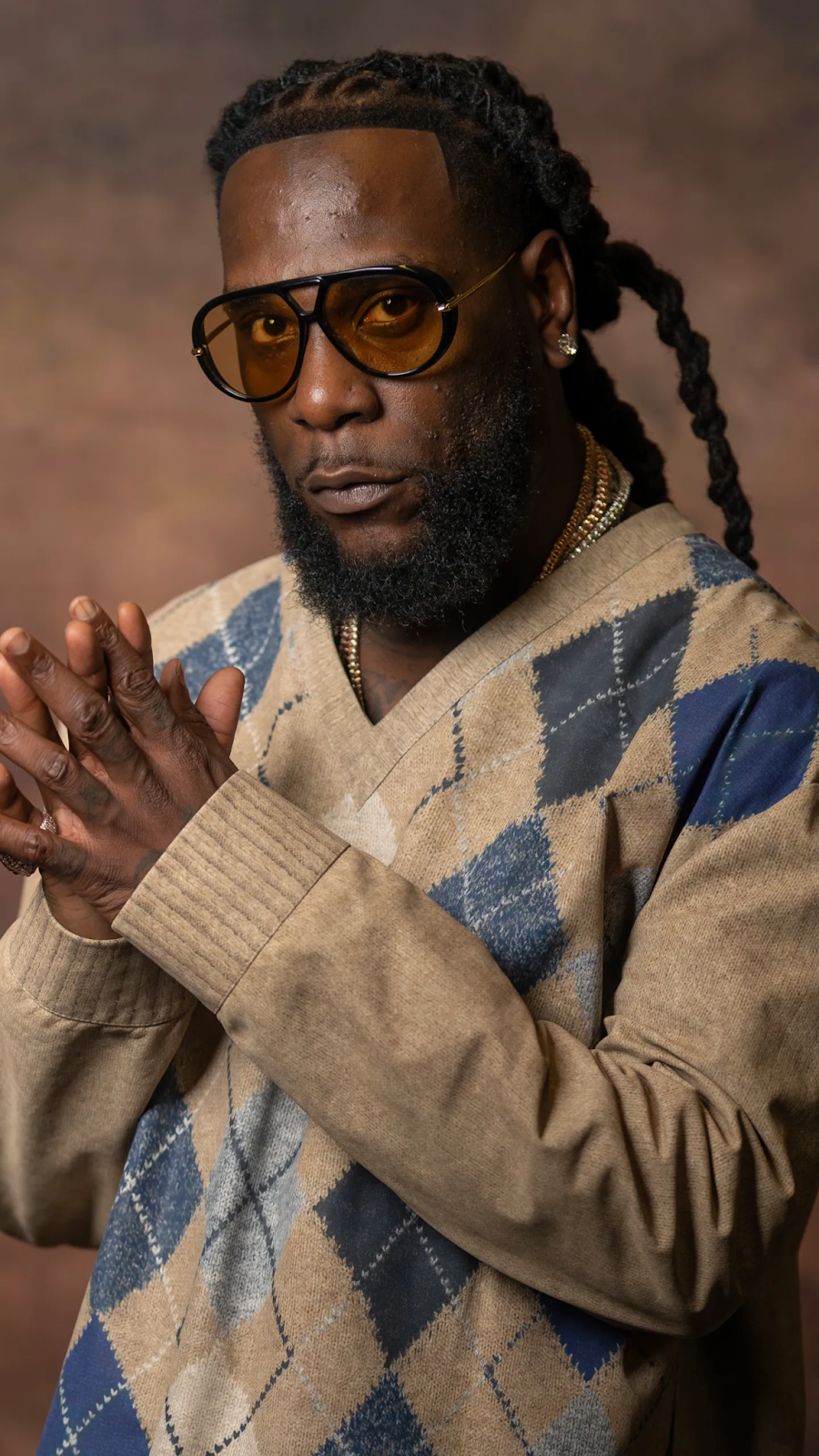
Since that rather eventful night at the Red Rocks Amphitheater in Denver, when Burna Boy sent out a sleeping fan from his concert, the 34-year-old, self-proclaimed African Giant has faced an unremitting blitz of criticism. In the clips of the incident circulating on the internet, we see him berate the sleeping lady and her partner, before threatening to halt the concert until she leaves. “Please take her the f*ck home, fast, fast. Bro, I’m not doing any more songs until you take her home” he says. Giving her account of the incident, the lady blamed her lassitude on losing her child’s father, an incident that has weighed heavily on her. She also said Burna Boy arrived late, which contributed to her sense of tiredness.
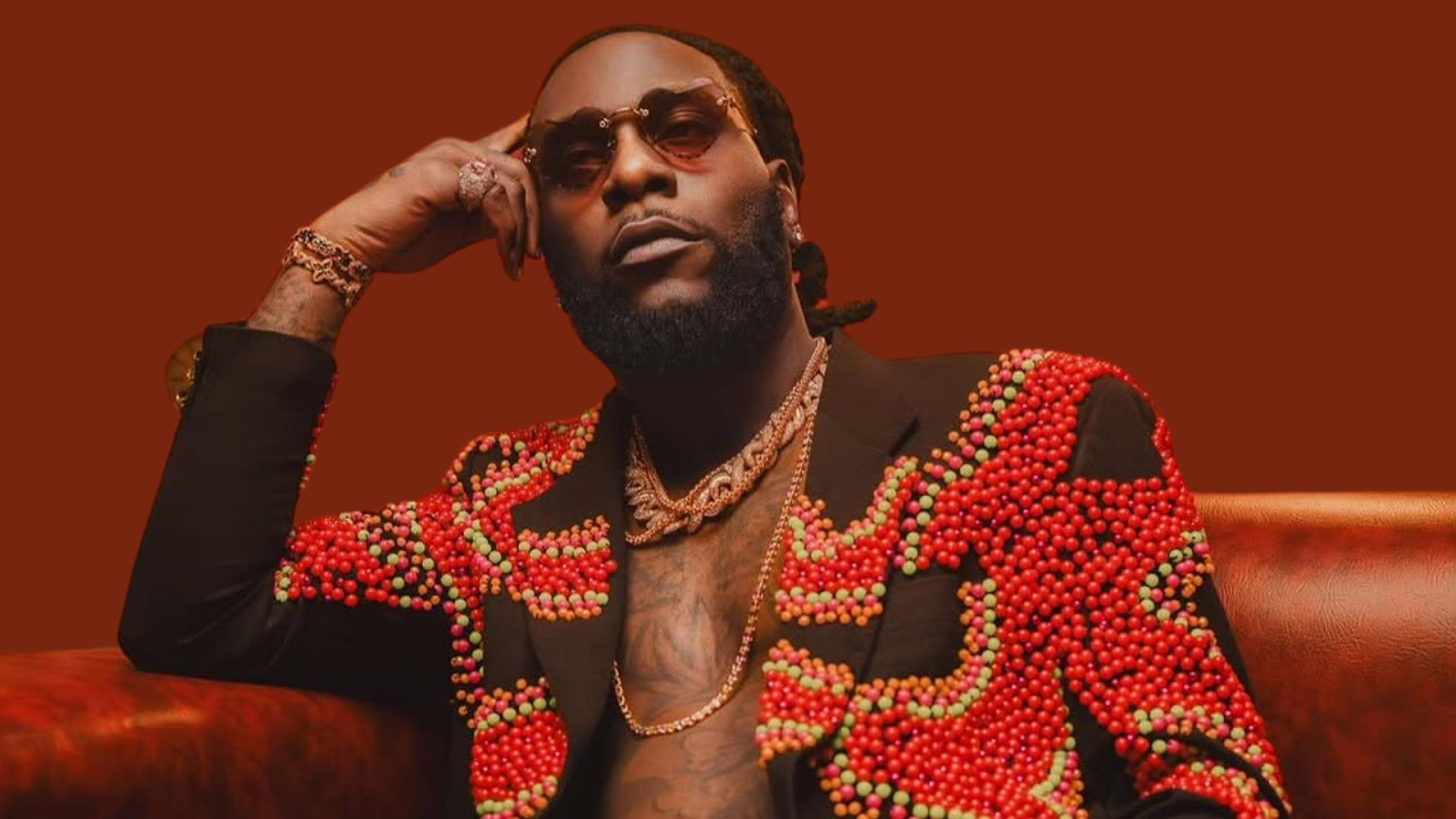
In recent days, Burna Boy has been mired in what is perhaps the biggest controversy of his career. TikTok is awash with clips of people calling out his behavior, some have even taken to posting clips in which they cancel their tickets to his shows. On X, the vitriol against him is so virulent, it has devolved into something of a targeted campaign against him. Yesterday, he cancelled two shows, presumably the result of the wave of cancellations.
I personally feel that this whole situation would have been contained if he had issued an official apology and compensated the lady in some way, maybe a scholarship for her kid who just lost their father. So much time has passed and so if he does that now, it will only come off as performative. Nonetheless, a heartfelt apology is the first step to rescuing the situation.


.png)

