.svg)


It’s something of a paradox: even as the year slowly grinds to a halt, as the drudgery of work slowly starts to give way to the lassitude of the festive season, the pop machine keeps churning at an even greater intensity. This week in pop culture, as usual, has brought a flurry of sizzling hot topics, many of which satisfy our primal desire for entertainment. But beyond this, many of the issues in this installment function as public reckonings of sorts, asking, urging, prodding us to ponder the society we live in. The welter of criticism lobbed at Timothy Chalamet is one such topic, bringing to the fore the internet’s tendency for mindless antagonism. Following a speech in which he praised his performances over the past few years, a critical mass of people began to call for him to show more humility. Others have been less charitable and have taken to calling him names. What’s especially confounding about this incident is that his charisma is what initially inspired his feverish following.
In this installment of PopTakes, I also interrogate and share my thoughts on an array of topics including the new Diddy series, the controversy stirred by an essay Charlie XCX published on her Substack, as well as others.
The Internet Reacts To The New Diddy Series
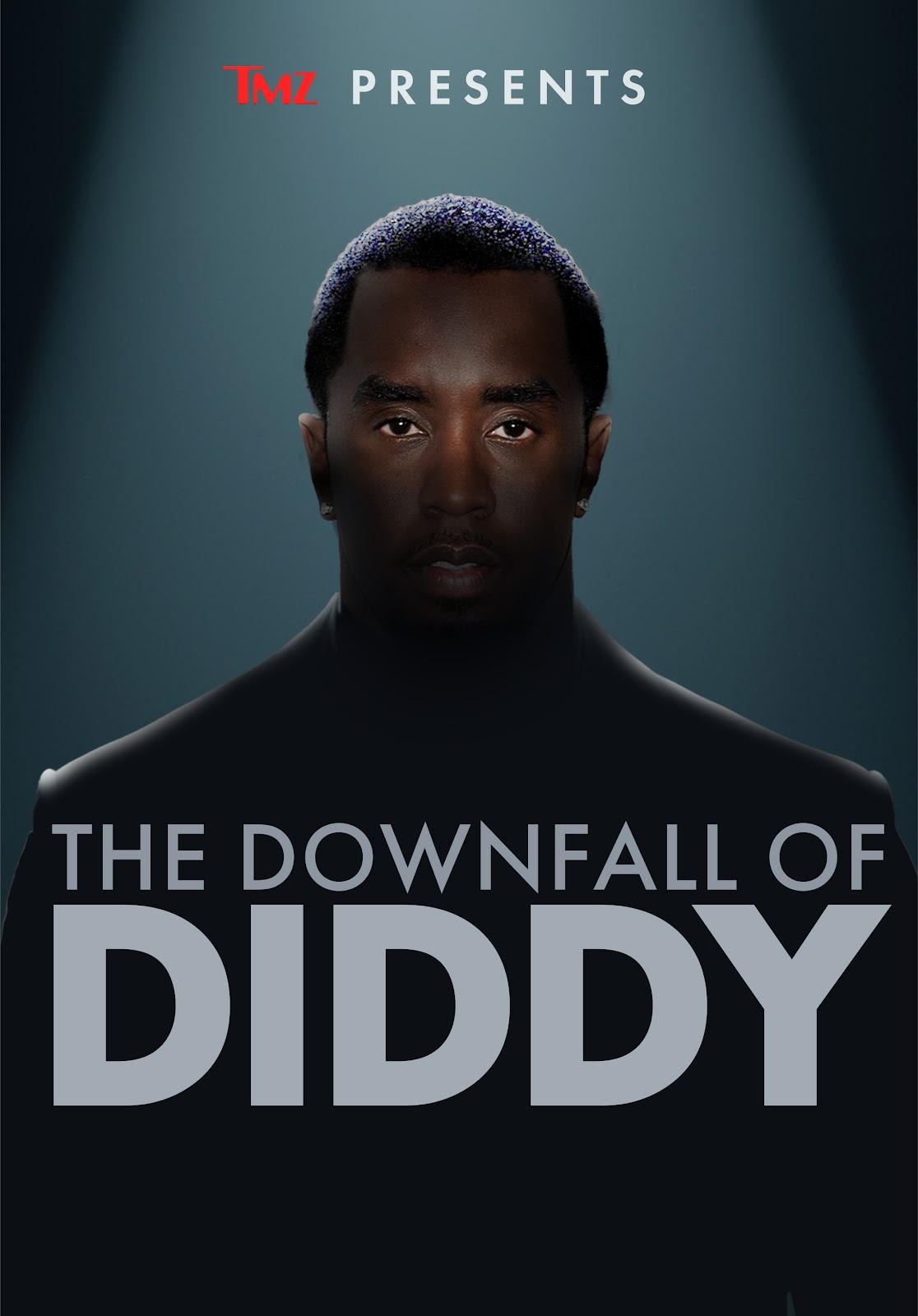
In the past year, we have collectively watched, with a mix of shock and disdain, as details on the range of crimes committed by Sean “Diddy” Combs have unraveled. The disgraced rapper and music business mogul is currently serving a sentence of four years and two months after being convicted of transporting individuals for prostitution. In the months leading to his conviction, countless clips revealing troubling behavior from Diddy surfaced on the internet, including one where we see him assault and drag Cassie Ventura, his long-term former partner, down a lobby. And yet, this new documentary—Sean Combs: The Reckoning—still manages to deal a heavy blow to whatever’s left of his reputation. In an article for The Guardian, Stuart Heritage writes: “Sean Combs: The Reckoning feels like the moment of no return for him. It does such a thorough job of laying out and backing up so many horrific allegations that his way back to stardom is surely blocked forever.”
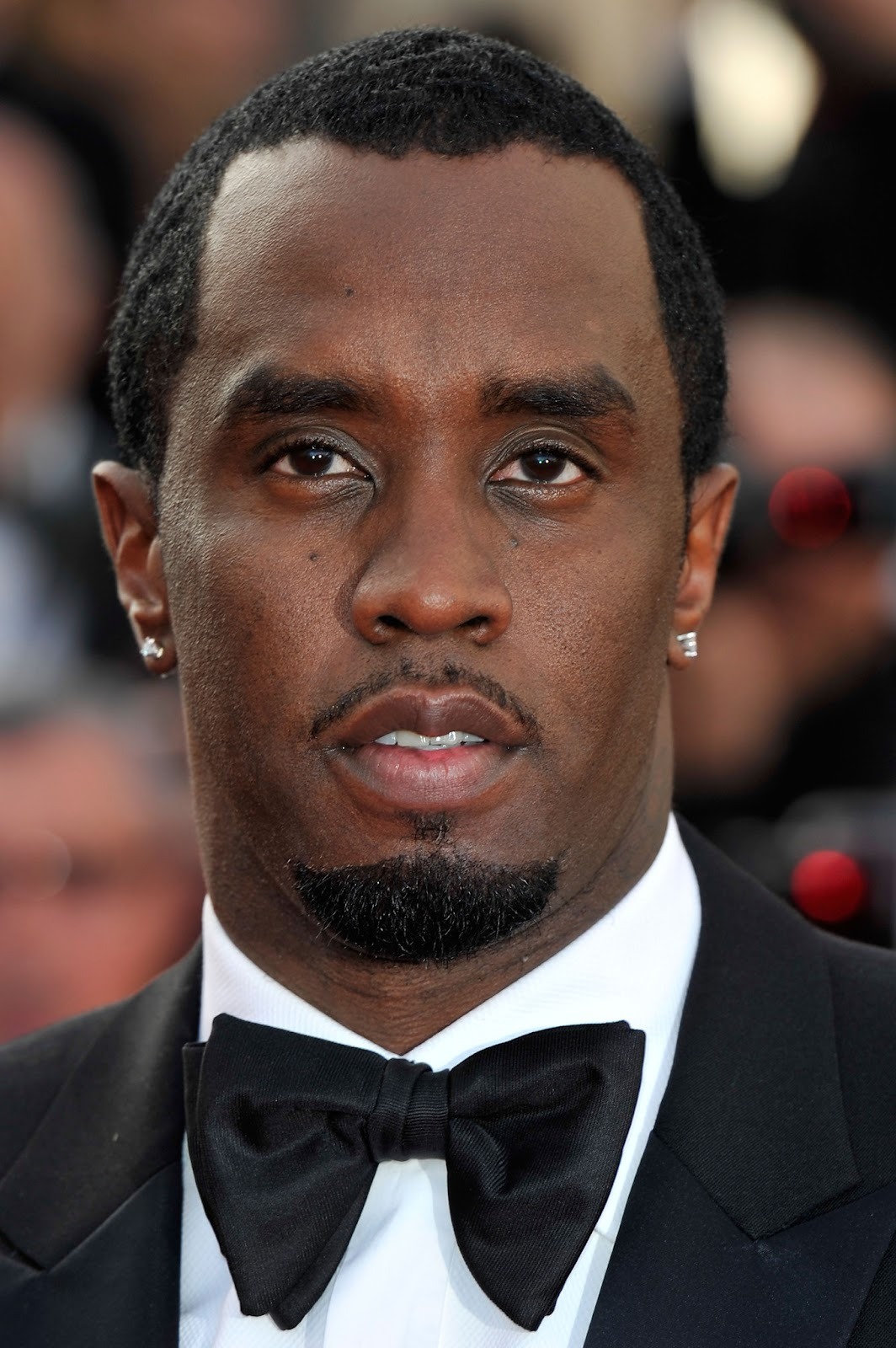
Diddy’s disgraced situation notwithstanding, some have still found ways to fawn over him. In a now-deleted tweet, popular Nigerian streamer and internet personality Shank Comics writes: “What I admire about Diddy is his perspective on the grind. His mind. The way it evolves. It's crazy! That was his talent. The ability to change or adapt. He just got lost in the pursuit of power.” After facing intense backlash, he summarily disavowed the tweet. “To be absolutely clear, I do not admire, support, or defend him in any way,” he writes in the statement. In the blitz of takes and counterpoints that have attended the release of the docuseries, my personal favorite has been a tweet, now-deleted by the way, which says something to the effect of Black people having exposed Diddy and R Kelly and that white people need to do the same with the Epstein files.
Social Media Picks Apart Charlie XCX’s Substack Essay

Everyone who really knows British Alt-Pop singer Charlie XCX knows she teems with ideas, interesting ones. Hardly a few minutes pass in an interview before she begins pulling at the frays of an exciting topic, displaying her characteristic iconoclasm. So her literary debut—if we can call it that—was in a sense only a matter of time. This week she posted on X an essay she titled The Death of Cool, in which she contends that coolness and commercial appeal are mutually exclusive. Put differently, she argues that one can be cool and popular. When the post popped up on my feed that Tuesday evening, I bookmarked it with the intention of reading at a more convenient time. That plan was disrupted prematurely when I began to notice hateful tweets about the essay. Contradictory, poorly edited, solipsistic, and self-serving are some adjectives her critics deployed.

To determine if these critiques, however scathing, were warranted I hastily dove into the piece. Many of the sentences are hard to follow. Mostly because they run for so long and fail to incorporate proper punctuation. Some of the arguments she makes are either repetitive or contradictory. And yet, the essay is both exciting and insightful. Her premise—you can be cool and popular—holds. Meanwhile, the punctuation problems can easily be corrected by an editor. What I find problematic is the public’s tendency to withhold grace from people and monomaniacally focus on the negatives as opposed to giving balanced opinions.
Is Timothy Chalamet Proud or Confident?

My answer to the titular question is “Who cares?” For a while now Timothy Chalamet has been on an electric press tour promoting Marty Supreme, a sports comedy-drama film produced by Josh Safdie. In it, Chalamet plays the lead character Marty Mauser, an aspiring ping pong champion. In an interview released this week, Chalamet waxes lyrically about his performance in the film. “This is probably my best performance, you know, and it’s been like seven, eight years that I’ve been handing in really, really committed top-of-the-line performances. And it’s important to say it out loud because the discipline and the work ethic I’m bringing to these things — I don’t want people to take it for granted. I don’t want to take it for granted. This is really some top-level shit.” Apparently, this rubbed many the wrong way, hence the allegations of conceit. A similar incident transpired in the wake of his Oscar reception where he said “I’m really in pursuit of greatness.” For some reason, people seem to be triggered when artists don’t put up the expected facade of meekness, which speaks volumes about the kind of society we live in today—one that prizes authenticity only when it's subject to our whims or preferences.




.png)

