.svg)

The Sundance Film Festival unveiled a broad, starry lineup a few weeks ago. Among nearly 100 feature films, three projects from Africa stood out – LADY by Olive Nwosu (Nigeria), Kikuyu Land by Bea Wangondu (Kenya), and Troublemaker by Antoine Fuqua (credited as a South Africa, U.S., U.K. co-production). These films arrive at Sundance as very different works, but together they signal how African cinema now moves through both festival circuits and global conversation. I’ll focus this piece on those three titles and describe each film, who made it, where it sits in contemporary African filmmaking, and why its presence at Sundance matters to filmmakers and audiences on the continent and beyond.
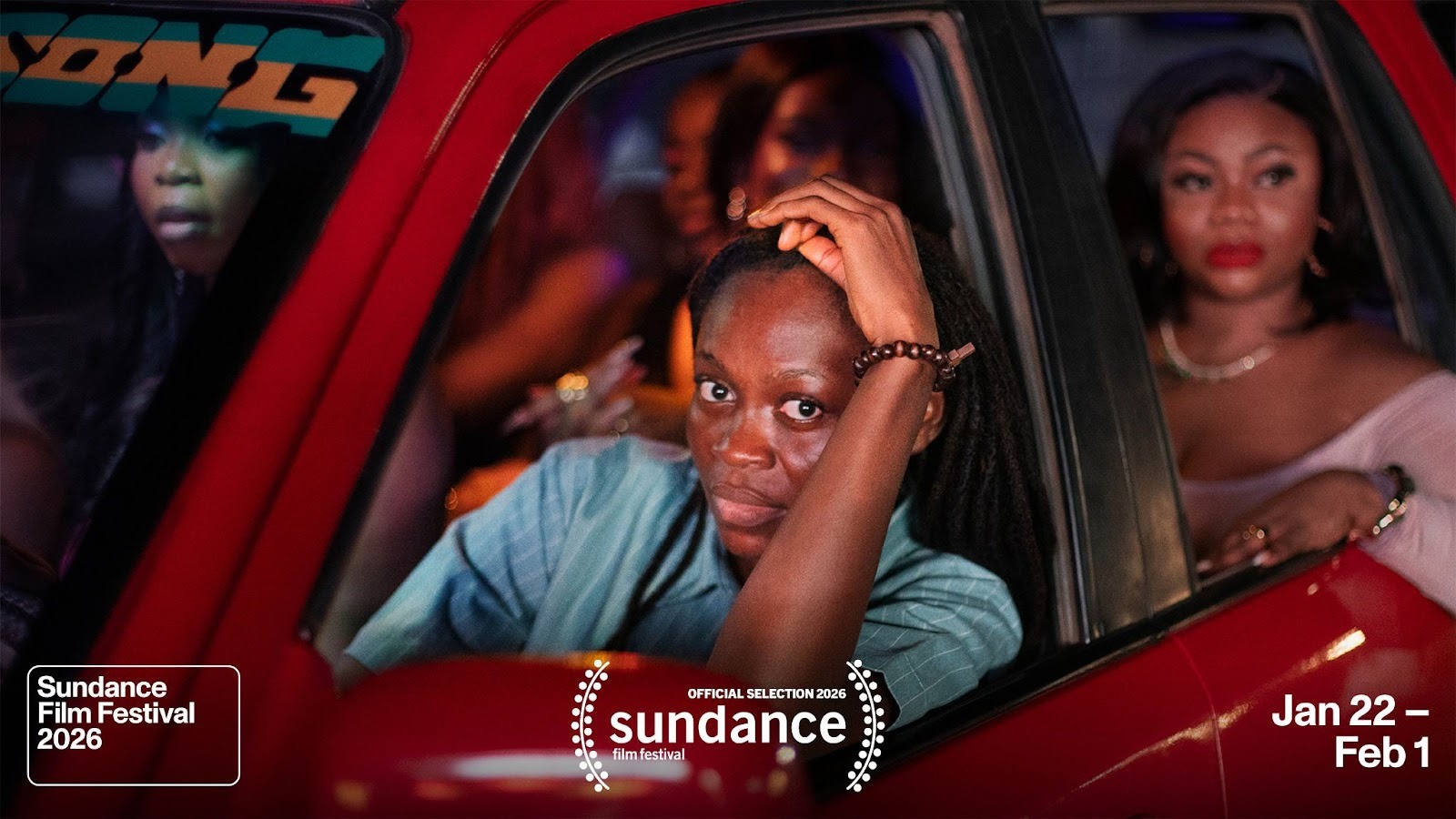
LADY - writer/director Olive Nwosu (Nigeria)
Lady follows a young female cab driver in Lagos who meets a group of sex workers. Their sisterhood draws her into danger and joy, pushing her toward transformation. The film is listed in the World Cinema Dramatic Competition and is credited to Olive Nwosu as writer and director with producers Alex Polunin, John Giwa-Amu, and Stella Nwimo. The Sundance program page lists the film and credits.
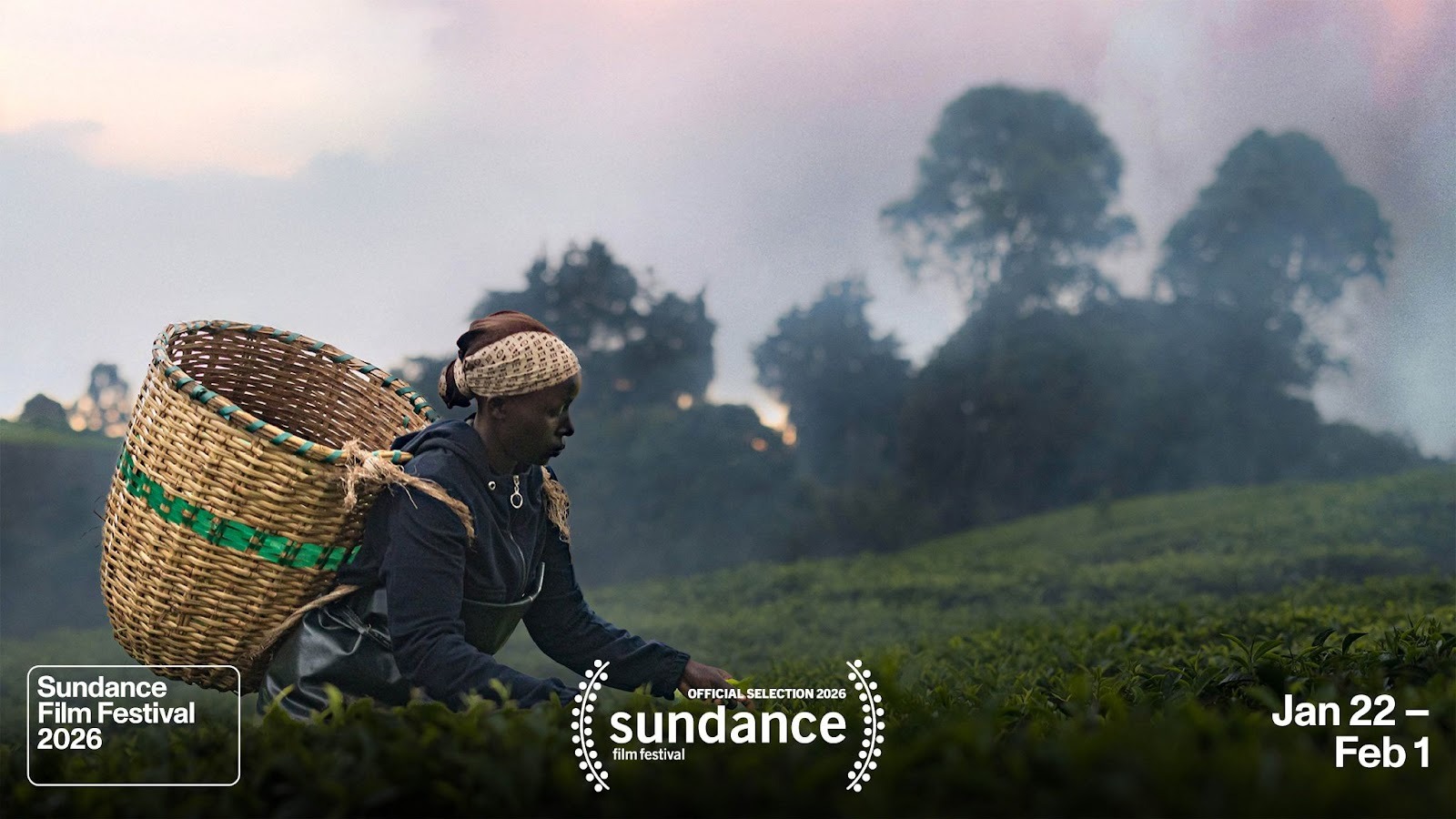
Kikuyu Land - directors Bea Wangondu and Andrew H. Brown (Kenya/USA)
Kikuyu Land is a world premiere selection in the World Cinematic Documentary Competition. It follows a Nairobi journalist who investigates a land conflict involving local government and a multinational company, a story that digs into questions of power, memory, and community journalism. Sundance has introduced the film’s filmmakers in Meet the Artist events and in social posts by industry outlets.
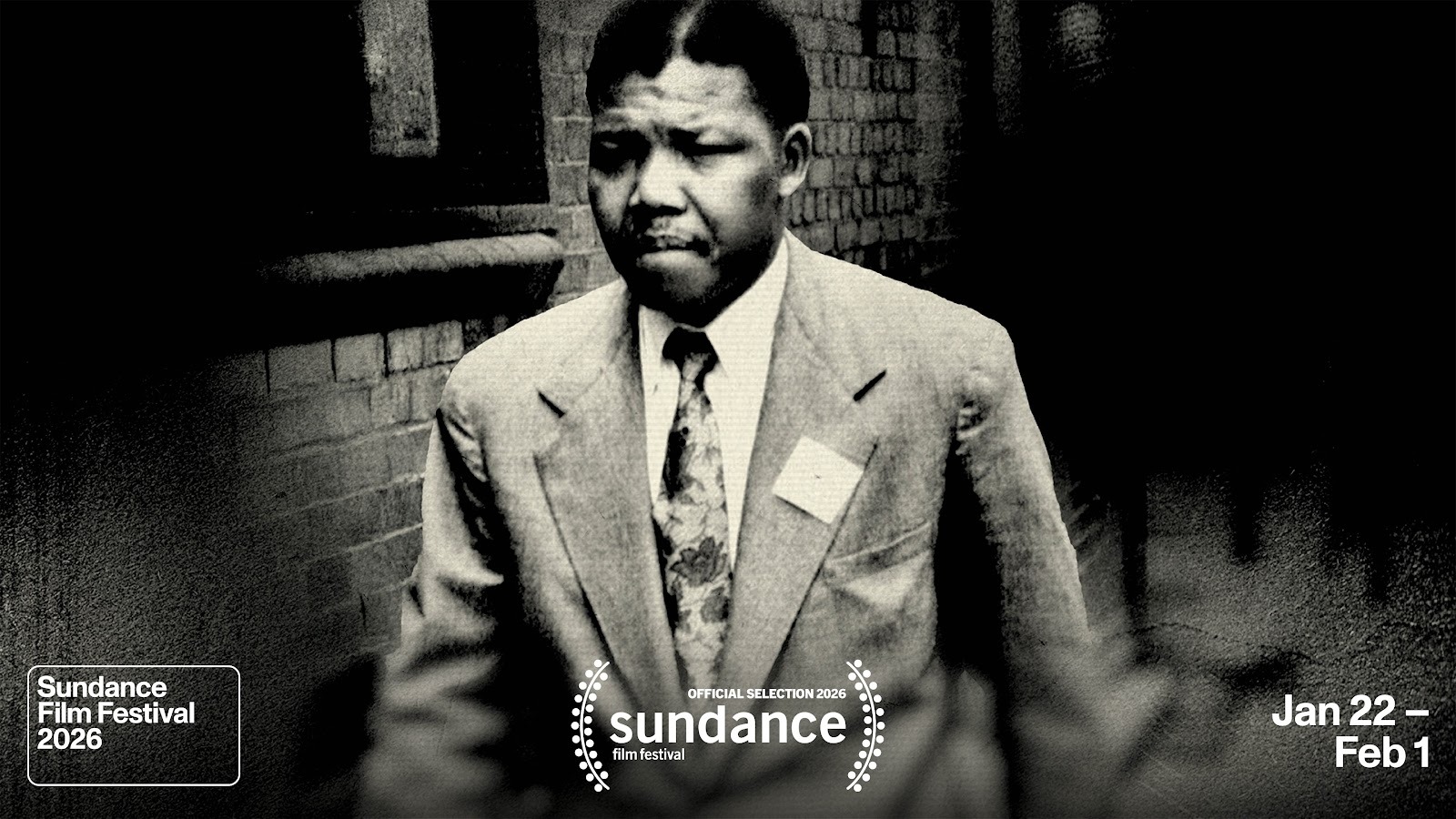
Troublemaker - director Antoine Faqua (South Africa, US, UK)
Troublemaker is a documentary feature that leverages archival materials and interviews to examine a major moment in South African history and its long arc into the present. The film is presented as a co-production with South African partners and is positioned among the festival’s higher-profile documentary premieres. It brings an international director’s gaze to a South African subject, and Sundance lists it in the 2026 lineup.
Sundance remains the most visible American launchpad for independent cinema. A World Cinema slot increases a film's international exposure, invites critical attention, and often opens distribution channels that would otherwise be very hard to access. For African filmmakers, that visibility can mean festival bookings, buyers, and press that place a film on a global map. The Sundance announcement notes that the 2026 festival includes 90 feature films representing 28 countries and a high number of world premieres, demonstrating its international reach. For LADY, a narrative that is rooted in Lagos, Sundance gives a global audience a view of what it means to live in Nigeria beyond Nollywood conventions. The film's inclusion in WCDC frames it as a story with both local specificity and universal stakes. For Kikuyu Land, a documentary on land and power, Sundance’s documentary spotlight can accelerate conversations about extractive practices and press freedom across Africa. Troublemaker arrives with the potential to connect South African history to a global audience.
There are three short observations that I notice emerge from this lineup. First, the story range is widening. The films are not small variations on a single contemporary theme. They tackle labor and solidarity in Lagos, investigative journalism in Kenya, and historical reckoning in South Africa. Shows that Sundance slate reflects a growing appetite for African stories that are politically engaged and formally confident. Second is that co-production models matter. Both Kikuyu Land and Troublemaker show us how partnerships across countries and funding bodies can position African stories for major festivals. There’s no doubt that co-production brings resources and distribution pathways, but it also raises questions about editorial control and whose perspective leads the narrative. And for my third observation, the festival circuit is indeed a doorway to new audiences and deals because Sundance programming connects these films to potential buyers, streaming programmers, and press coverage. That pipeline has a direct effect on whether a film reaches cinemas, festivals, and streaming services worldwide.
When Sundance accepts African films, it does more than program titles. It amplifies questions about representation, funding, and film culture. Festivals can shift which stories are considered universal rather than regional. For filmmakers, that can mean more funding, stronger export opportunities, and access to global collaborators. For audiences, it means wider access to stories that refuse simplistic labels. Sundance’s choice to include these films points to a future where African filmmakers use global stages to set their own terms. Sundance begins January 22nd, 2026. These films will have their first public moment on an international stage. These three films do different things. LADY looks inward at the city and its intimate economies. Kikuyu Land looks outward at structures of power. Troublemaker looks back at history with new archival tools. But together they suggest a practical truth, that African cinema is not a single story.


.png)

