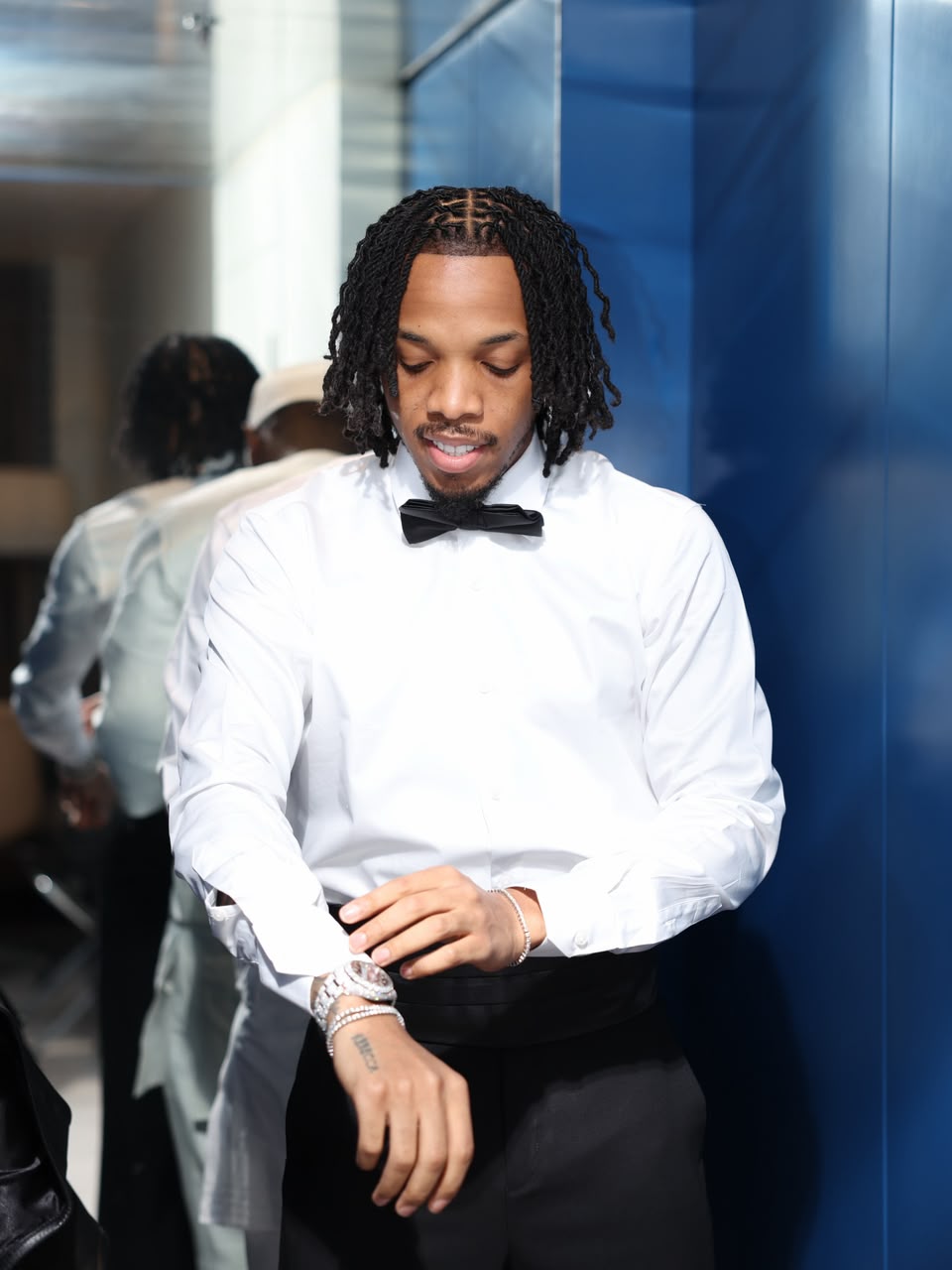
Tekno Years Deeper In Where Did Love Go?

Authored by

Since 2012, Tekno has been evolving as a maestro at his craft. From writing Davido's 'If', to co-producing Kizz Daniel's 'Buga (Lo Lo Lo)', and building the legwork dance into a cultural staple before the internet had a name for his style, he’s been scoring feats only expected from pros.. Then, one day in late 2018, he announced that his voice had given out -- and at the peak of his career.  What followed was a 12-hour surgery in the United States, over $2 million in refunded show fees, and months of silence that he has only just recently to speak about publicly. Throughout his ordeal, one thing that kept him going besides the music was his daughter.Now, his third album, Where Did Love Go? arrives as a new chapter in his journey. It’s his first album release with emPawa Africa and a trove of deeper expressions from the 33-year-old crooner. Catching up with Deeds, we spoke about his surgery, his favourite track on the album, what his voice means to him now, and what Billie Eilish calling him her favourite artist actually says about the reach of his music.

Sophia For Deeds: For anyone reading this and discovering you for the first time, how would you introduce yourself?

Someone that loves to live life to the fullest. Music makes me happy.

You wrote “If” for Davido, co-wrote and produced “Buga” for Kizz Daniel, helped build the sonic language of Afrobeats in the 2010s and yet the conversation around your legacy often feels incomplete. Why do you think it may be the case?

It will be complete in due time. I think everything happens naturally. You get me? The story being complete is me as an artist deciding I'm walking away and I don't want to make music anymore. And then we can say, oh, he left it at that. As long as I'm out here still making music in due time the story will be as complete as it needs to because everyone has their own route in it.  So it's like you just let it play out and we all see.

You were diagnosed with muscle tension dysphonia - a condition that robbed you of your voice for months while a fraudulent doctor charged you $1,600 per session telling you that you were recovering. You eventually had a 12-hour robotic surgery in the US and refunded over $2 million in show fees. What was the moment you realised how serious it actually was?

Normally when you perform, you scream while performing, you would have a sore throat and say anywhere from one week to two to three weeks. The sore throat was normal. I think when it was two months, three months, and my throat still felt like, what? What the hell is going on?  That's when I really started getting scared. Something is definitely off. But also on the night of my show in Ghana, when this happened, we were supposed to go out and party that night. But you know like when you just have this weird feeling in your body like something has happened.  But I couldn't really place what happened. I just said, I don't feel okay. I'm good, but I just don't feel right. I don't think I want to go out tonight.  But I didn't realize at this time that my vocal notes had been mashed up. But I think three months, two months to three months is when I realized this thing is not going away. This might be a little more serious than I thought. That's when the fear really kicked in.

You have spoken about contemplating suicide during that period. What kept you going?

My daughter. I don't play with that. There was a time I went two weeks without speaking and to be quiet for two weeks straight. Yeah, it was definitely one of the hardest things I think in the world that really put me to the limit. And to actually go through that and find out there was no improvement. Dude was just lying to me. That right there was what made me like, I want all this to stop. But when I wasn't like getting that whole kid for.  Because we did.  Don't talk for one week.  I went back basically after one week. You wanted me to go two weeks without saying anything. In the process of two weeks without options in the world, bro.

Coming out of that experience, how did it change the way you approach making music - specifically the voice you almost lost?

I think I'll show that in this movie or book or something. There's not enough words for me to describe or elaborate it properly.  I think that would be better told in a book or movie.
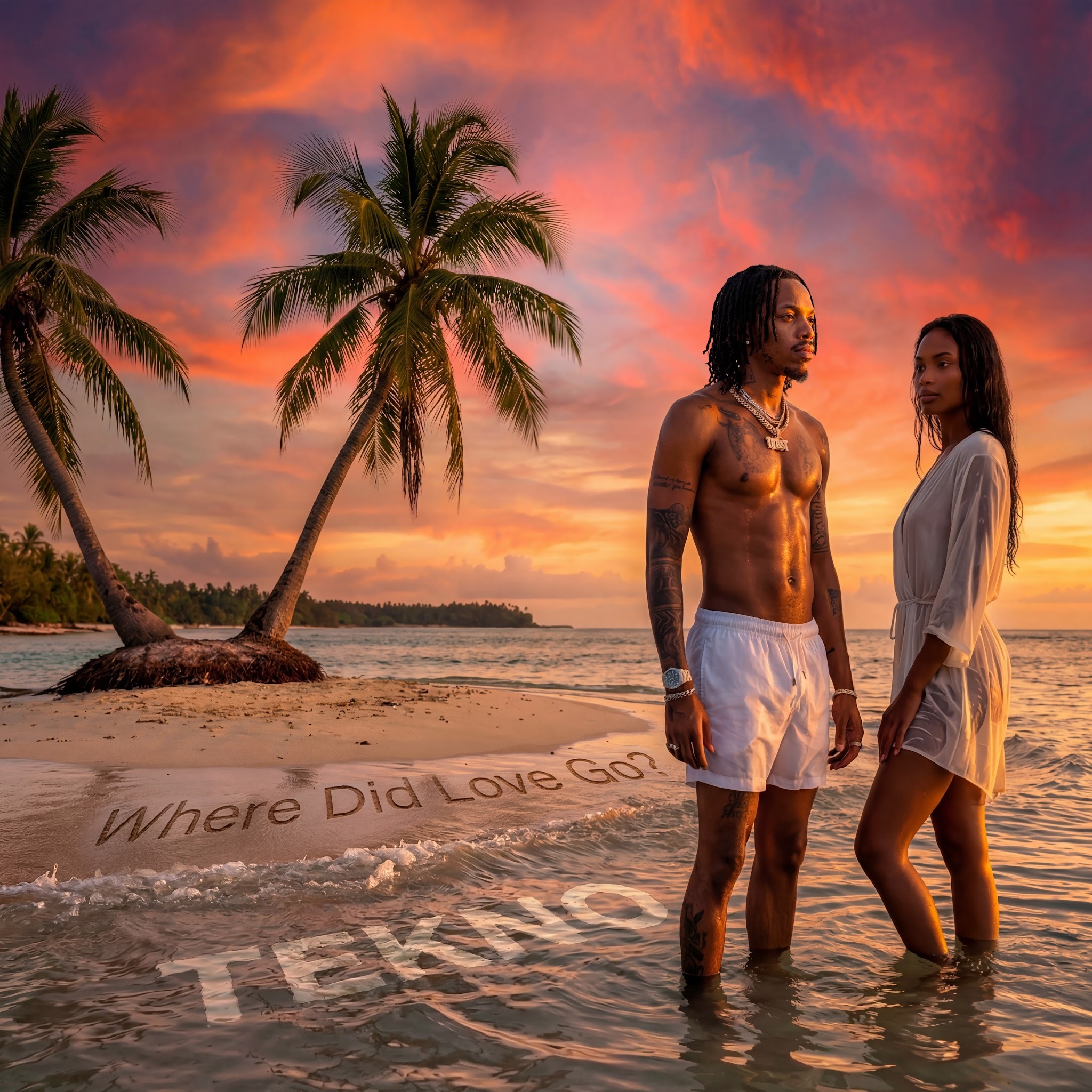
Credit:Where did love go? Album Cover

Where Did Love Go? is your third album and your first since joining emPawa Africa. Why was now the right time for this project and why emPawa?

emPawa, because Eazi and I are family. Together, you know, but with a contract. I don't know if that word is correct, like just obligations. I had contract wise with the company I was working with before I decided to move to Empire. And with the album, I feel like I just enjoy making music so much and it probably took me a while to realize that. And before the years out releasing another album still. So I feel like that was the kickoff. The next one will be halftime and the following will be full time and it doesn't stop and it keeps going. 

“Wedding Day” is your favourite track on the album. There’s something specific about watching people you’ve performed for at their weddings separate shortly after. How much of this album is personal observation versus something more universal?

I would say Adaeze, but Wedding Day can take it. I won't have a problem with that.  Not someone that's really into marriage that much (laughing) but I would say Adaeze. But like Wedding Day, I can definitely have it for sure.

Personal observation hm, I actually have a friend that it happened to. Two years ago I was at a wedding performance. Before, I used to say make it sound like it's her fault because me and the guy in question were friends. But then someone in the future later told me, "Don't be like that” because you don't know it from her perspective. There's always three sides to a story.  This side, that side, and what actually happened. So in retrospect, I don't know if it was her fault, I don't know if it was his fault. But I was there at the wedding and they didn't even last a year, six months and it was done.

In the world where we live basically, this happens every day. And hearing stories and actually knowing one personally kind of really shapes the idea of where love is right now.

Billie Eilish has called you her favourite artist. What does that kind of recognition from someone outside the African music ecosystem mean to you?

I guess, like, if. If the food is sweet, it's sweet. You get me? It won't matter if you have a Portuguese tongue or a Nigerian tongue or a Jamaican tongue. If the taste is fire, like, it's definitely going to hit them violets. That's basically how I say it. 
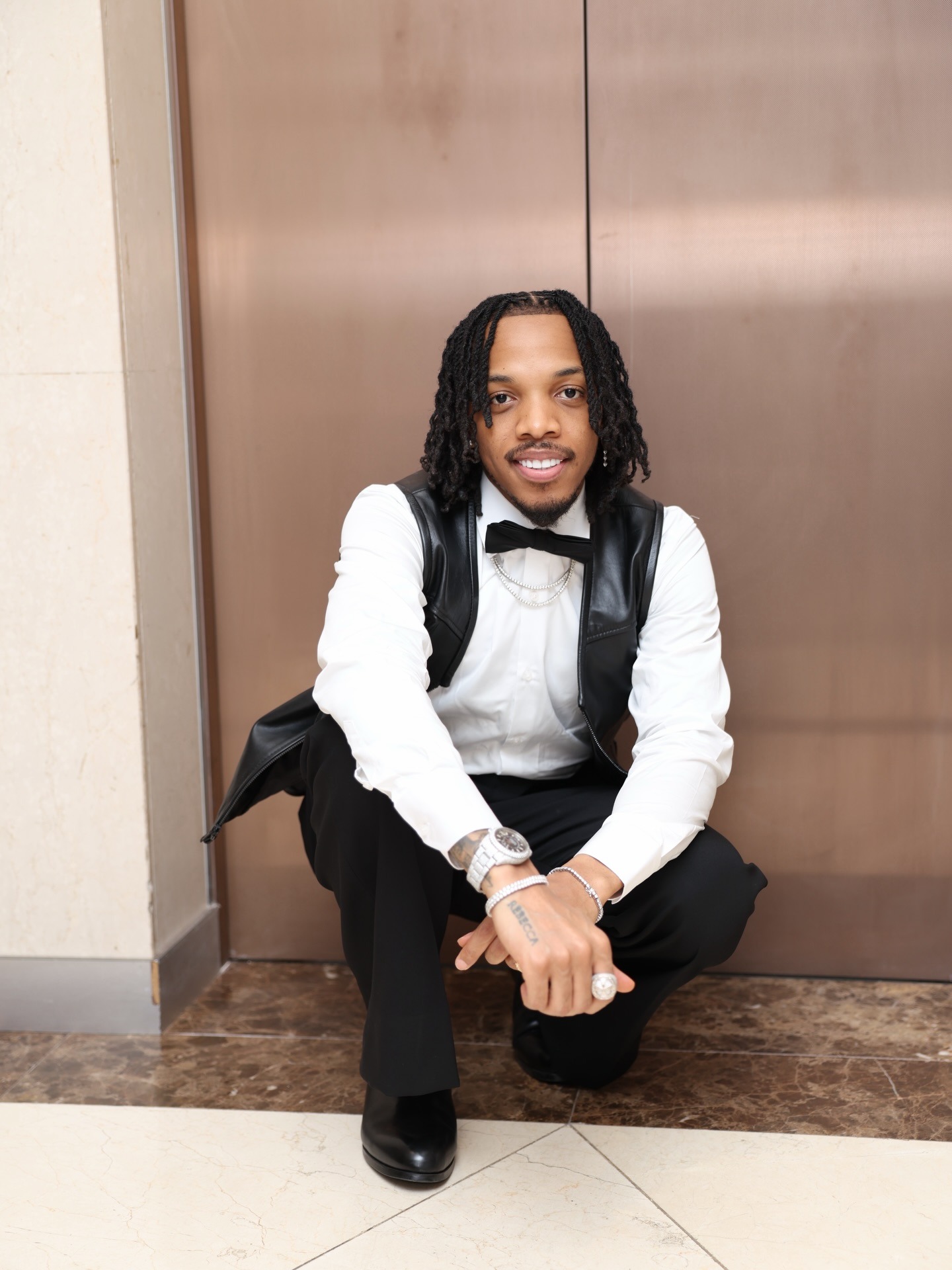
Credit: Tekno

Your dancing is as much a part of who you are as your voice - the footwork, the legwork, the effortless movement that was part of your visual identity before Poco Lee and that whole wave made it a full culture. Do you feel like you get enough credit for what you started on the dance floor, the same way the conversation around your musical contributions sometimes falls short?

I feel like I actually do, if I'm being honest, when we talk about just the fans that actually love me that would ask me “when are you gonna do a video where you're just dancing?” We were in the studio session one time, and we had Bankuli and a couple of people, and he had, like, these two artists he was working with. I think one of them is a female, 14 or 16, like, but they're still, like, growing, like training her to, like, you know, grow up. She asked me a question. I said yes. She said, are you still gonna dance and do this and do that? I was just laughing so much.

So I feel like to those that it really matters that they do know it. Also, I'm not the only person dancing on the internet. There's a bunch of people dancing on the Internet, so I'm not gonna try to, you know, want all the glory or the credit to myself. It's like me dancing on the Internet brought a bunch of smiles to a bunch of faces around the world. So for that, I'm satisfied enough with that. So I wouldn't really care as much as who gets the credit, who doesn't get the credit.  Michael Jackson is my biggest inspiration, and he's not even here to get the credit. You get me?  So, yeah, it really doesn't matter.

 So that means if we want to see you dancing, we should watch Pana?

No, no, I got something coming for y’all. Say nothing.  Say less.  Say less.  I have a track coming. It's called NO. In this track, the embodiment of my footwork is there from start to finish.  It's a lovely one. I look forward to that.

As we wrap up - Where Did Love Go? is being described as “slept on.” What do you want people to understand about this album that the streaming numbers might not be saying?

The mistake people make a lot of time is, people want to keep track of everything.

I don't look at it like that. You get me? It's art. Keep making art and keep putting art out. I'm not worried about all that. Like saying, oh, the streaming is this, or the streaming is that. People got a lot going on in their life, and the algorithm has switched from, oh, like, this is beautiful music.  Listen to it. They're looking for trends and they're looking for virality. You get me? The whole world is actually singing music. So, like, to be able to make music and put it out on its own and itself is a blessing.

So if you enjoy the process of what you do, you don't really care too much about all this, because if I specifically did it just for the numbers, streaming and what people have to say about it, other than actually enjoying it, I most likely won't be here making music, to be honest.
Tekno Years Deeper In Where Did Love Go?

Authored by
This is some text inside of a div block.

Since 2012, Tekno has been evolving as a maestro at his craft. From writing Davido's 'If', to co-producing Kizz Daniel's 'Buga (Lo Lo Lo)', and building the legwork dance into a cultural staple before the internet had a name for his style, he’s been scoring feats only expected from pros.. Then, one day in late 2018, he announced that his voice had given out -- and at the peak of his career.  What followed was a 12-hour surgery in the United States, over $2 million in refunded show fees, and months of silence that he has only just recently to speak about publicly. Throughout his ordeal, one thing that kept him going besides the music was his daughter.Now, his third album, Where Did Love Go? arrives as a new chapter in his journey. It’s his first album release with emPawa Africa and a trove of deeper expressions from the 33-year-old crooner. Catching up with Deeds, we spoke about his surgery, his favourite track on the album, what his voice means to him now, and what Billie Eilish calling him her favourite artist actually says about the reach of his music.

Sophia For Deeds: For anyone reading this and discovering you for the first time, how would you introduce yourself?

Someone that loves to live life to the fullest. Music makes me happy.

You wrote “If” for Davido, co-wrote and produced “Buga” for Kizz Daniel, helped build the sonic language of Afrobeats in the 2010s and yet the conversation around your legacy often feels incomplete. Why do you think it may be the case?

It will be complete in due time. I think everything happens naturally. You get me? The story being complete is me as an artist deciding I'm walking away and I don't want to make music anymore. And then we can say, oh, he left it at that. As long as I'm out here still making music in due time the story will be as complete as it needs to because everyone has their own route in it.  So it's like you just let it play out and we all see.

You were diagnosed with muscle tension dysphonia - a condition that robbed you of your voice for months while a fraudulent doctor charged you $1,600 per session telling you that you were recovering. You eventually had a 12-hour robotic surgery in the US and refunded over $2 million in show fees. What was the moment you realised how serious it actually was?

Normally when you perform, you scream while performing, you would have a sore throat and say anywhere from one week to two to three weeks. The sore throat was normal. I think when it was two months, three months, and my throat still felt like, what? What the hell is going on?  That's when I really started getting scared. Something is definitely off. But also on the night of my show in Ghana, when this happened, we were supposed to go out and party that night. But you know like when you just have this weird feeling in your body like something has happened.  But I couldn't really place what happened. I just said, I don't feel okay. I'm good, but I just don't feel right. I don't think I want to go out tonight.  But I didn't realize at this time that my vocal notes had been mashed up. But I think three months, two months to three months is when I realized this thing is not going away. This might be a little more serious than I thought. That's when the fear really kicked in.

You have spoken about contemplating suicide during that period. What kept you going?

My daughter. I don't play with that. There was a time I went two weeks without speaking and to be quiet for two weeks straight. Yeah, it was definitely one of the hardest things I think in the world that really put me to the limit. And to actually go through that and find out there was no improvement. Dude was just lying to me. That right there was what made me like, I want all this to stop. But when I wasn't like getting that whole kid for.  Because we did.  Don't talk for one week.  I went back basically after one week. You wanted me to go two weeks without saying anything. In the process of two weeks without options in the world, bro.

Coming out of that experience, how did it change the way you approach making music - specifically the voice you almost lost?

I think I'll show that in this movie or book or something. There's not enough words for me to describe or elaborate it properly.  I think that would be better told in a book or movie.

Credit:Where did love go? Album Cover

Where Did Love Go? is your third album and your first since joining emPawa Africa. Why was now the right time for this project and why emPawa?

emPawa, because Eazi and I are family. Together, you know, but with a contract. I don't know if that word is correct, like just obligations. I had contract wise with the company I was working with before I decided to move to Empire. And with the album, I feel like I just enjoy making music so much and it probably took me a while to realize that. And before the years out releasing another album still. So I feel like that was the kickoff. The next one will be halftime and the following will be full time and it doesn't stop and it keeps going. 

“Wedding Day” is your favourite track on the album. There’s something specific about watching people you’ve performed for at their weddings separate shortly after. How much of this album is personal observation versus something more universal?

I would say Adaeze, but Wedding Day can take it. I won't have a problem with that.  Not someone that's really into marriage that much (laughing) but I would say Adaeze. But like Wedding Day, I can definitely have it for sure.

Personal observation hm, I actually have a friend that it happened to. Two years ago I was at a wedding performance. Before, I used to say make it sound like it's her fault because me and the guy in question were friends. But then someone in the future later told me, "Don't be like that” because you don't know it from her perspective. There's always three sides to a story.  This side, that side, and what actually happened. So in retrospect, I don't know if it was her fault, I don't know if it was his fault. But I was there at the wedding and they didn't even last a year, six months and it was done.

In the world where we live basically, this happens every day. And hearing stories and actually knowing one personally kind of really shapes the idea of where love is right now.

Billie Eilish has called you her favourite artist. What does that kind of recognition from someone outside the African music ecosystem mean to you?

I guess, like, if. If the food is sweet, it's sweet. You get me? It won't matter if you have a Portuguese tongue or a Nigerian tongue or a Jamaican tongue. If the taste is fire, like, it's definitely going to hit them violets. That's basically how I say it. 

Credit: Tekno

Your dancing is as much a part of who you are as your voice - the footwork, the legwork, the effortless movement that was part of your visual identity before Poco Lee and that whole wave made it a full culture. Do you feel like you get enough credit for what you started on the dance floor, the same way the conversation around your musical contributions sometimes falls short?

I feel like I actually do, if I'm being honest, when we talk about just the fans that actually love me that would ask me “when are you gonna do a video where you're just dancing?” We were in the studio session one time, and we had Bankuli and a couple of people, and he had, like, these two artists he was working with. I think one of them is a female, 14 or 16, like, but they're still, like, growing, like training her to, like, you know, grow up. She asked me a question. I said yes. She said, are you still gonna dance and do this and do that? I was just laughing so much.

So I feel like to those that it really matters that they do know it. Also, I'm not the only person dancing on the internet. There's a bunch of people dancing on the Internet, so I'm not gonna try to, you know, want all the glory or the credit to myself. It's like me dancing on the Internet brought a bunch of smiles to a bunch of faces around the world. So for that, I'm satisfied enough with that. So I wouldn't really care as much as who gets the credit, who doesn't get the credit.  Michael Jackson is my biggest inspiration, and he's not even here to get the credit. You get me?  So, yeah, it really doesn't matter.

 So that means if we want to see you dancing, we should watch Pana?

No, no, I got something coming for y’all. Say nothing.  Say less.  Say less.  I have a track coming. It's called NO. In this track, the embodiment of my footwork is there from start to finish.  It's a lovely one. I look forward to that.

As we wrap up - Where Did Love Go? is being described as “slept on.” What do you want people to understand about this album that the streaming numbers might not be saying?

The mistake people make a lot of time is, people want to keep track of everything.

I don't look at it like that. You get me? It's art. Keep making art and keep putting art out. I'm not worried about all that. Like saying, oh, the streaming is this, or the streaming is that. People got a lot going on in their life, and the algorithm has switched from, oh, like, this is beautiful music.  Listen to it. They're looking for trends and they're looking for virality. You get me? The whole world is actually singing music. So, like, to be able to make music and put it out on its own and itself is a blessing.

So if you enjoy the process of what you do, you don't really care too much about all this, because if I specifically did it just for the numbers, streaming and what people have to say about it, other than actually enjoying it, I most likely won't be here making music, to be honest.
This is some text inside of a div block.

Tekno Years Deeper In Where Did Love Go?

Authored by

Since 2012, Tekno has been evolving as a maestro at his craft. From writing Davido's 'If', to co-producing Kizz Daniel's 'Buga (Lo Lo Lo)', and building the legwork dance into a cultural staple before the internet had a name for his style, he’s been scoring feats only expected from pros.. Then, one day in late 2018, he announced that his voice had given out -- and at the peak of his career.  What followed was a 12-hour surgery in the United States, over $2 million in refunded show fees, and months of silence that he has only just recently to speak about publicly. Throughout his ordeal, one thing that kept him going besides the music was his daughter.Now, his third album, Where Did Love Go? arrives as a new chapter in his journey. It’s his first album release with emPawa Africa and a trove of deeper expressions from the 33-year-old crooner. Catching up with Deeds, we spoke about his surgery, his favourite track on the album, what his voice means to him now, and what Billie Eilish calling him her favourite artist actually says about the reach of his music.

Sophia For Deeds: For anyone reading this and discovering you for the first time, how would you introduce yourself?

Someone that loves to live life to the fullest. Music makes me happy.

You wrote “If” for Davido, co-wrote and produced “Buga” for Kizz Daniel, helped build the sonic language of Afrobeats in the 2010s and yet the conversation around your legacy often feels incomplete. Why do you think it may be the case?

It will be complete in due time. I think everything happens naturally. You get me? The story being complete is me as an artist deciding I'm walking away and I don't want to make music anymore. And then we can say, oh, he left it at that. As long as I'm out here still making music in due time the story will be as complete as it needs to because everyone has their own route in it.  So it's like you just let it play out and we all see.

You were diagnosed with muscle tension dysphonia - a condition that robbed you of your voice for months while a fraudulent doctor charged you $1,600 per session telling you that you were recovering. You eventually had a 12-hour robotic surgery in the US and refunded over $2 million in show fees. What was the moment you realised how serious it actually was?

Normally when you perform, you scream while performing, you would have a sore throat and say anywhere from one week to two to three weeks. The sore throat was normal. I think when it was two months, three months, and my throat still felt like, what? What the hell is going on?  That's when I really started getting scared. Something is definitely off. But also on the night of my show in Ghana, when this happened, we were supposed to go out and party that night. But you know like when you just have this weird feeling in your body like something has happened.  But I couldn't really place what happened. I just said, I don't feel okay. I'm good, but I just don't feel right. I don't think I want to go out tonight.  But I didn't realize at this time that my vocal notes had been mashed up. But I think three months, two months to three months is when I realized this thing is not going away. This might be a little more serious than I thought. That's when the fear really kicked in.

You have spoken about contemplating suicide during that period. What kept you going?

My daughter. I don't play with that. There was a time I went two weeks without speaking and to be quiet for two weeks straight. Yeah, it was definitely one of the hardest things I think in the world that really put me to the limit. And to actually go through that and find out there was no improvement. Dude was just lying to me. That right there was what made me like, I want all this to stop. But when I wasn't like getting that whole kid for.  Because we did.  Don't talk for one week.  I went back basically after one week. You wanted me to go two weeks without saying anything. In the process of two weeks without options in the world, bro.

Coming out of that experience, how did it change the way you approach making music - specifically the voice you almost lost?

I think I'll show that in this movie or book or something. There's not enough words for me to describe or elaborate it properly.  I think that would be better told in a book or movie.

Credit:Where did love go? Album Cover

Where Did Love Go? is your third album and your first since joining emPawa Africa. Why was now the right time for this project and why emPawa?

emPawa, because Eazi and I are family. Together, you know, but with a contract. I don't know if that word is correct, like just obligations. I had contract wise with the company I was working with before I decided to move to Empire. And with the album, I feel like I just enjoy making music so much and it probably took me a while to realize that. And before the years out releasing another album still. So I feel like that was the kickoff. The next one will be halftime and the following will be full time and it doesn't stop and it keeps going. 

“Wedding Day” is your favourite track on the album. There’s something specific about watching people you’ve performed for at their weddings separate shortly after. How much of this album is personal observation versus something more universal?

I would say Adaeze, but Wedding Day can take it. I won't have a problem with that.  Not someone that's really into marriage that much (laughing) but I would say Adaeze. But like Wedding Day, I can definitely have it for sure.

Personal observation hm, I actually have a friend that it happened to. Two years ago I was at a wedding performance. Before, I used to say make it sound like it's her fault because me and the guy in question were friends. But then someone in the future later told me, "Don't be like that” because you don't know it from her perspective. There's always three sides to a story.  This side, that side, and what actually happened. So in retrospect, I don't know if it was her fault, I don't know if it was his fault. But I was there at the wedding and they didn't even last a year, six months and it was done.

In the world where we live basically, this happens every day. And hearing stories and actually knowing one personally kind of really shapes the idea of where love is right now.

Billie Eilish has called you her favourite artist. What does that kind of recognition from someone outside the African music ecosystem mean to you?

I guess, like, if. If the food is sweet, it's sweet. You get me? It won't matter if you have a Portuguese tongue or a Nigerian tongue or a Jamaican tongue. If the taste is fire, like, it's definitely going to hit them violets. That's basically how I say it. 

Credit: Tekno

Your dancing is as much a part of who you are as your voice - the footwork, the legwork, the effortless movement that was part of your visual identity before Poco Lee and that whole wave made it a full culture. Do you feel like you get enough credit for what you started on the dance floor, the same way the conversation around your musical contributions sometimes falls short?

I feel like I actually do, if I'm being honest, when we talk about just the fans that actually love me that would ask me “when are you gonna do a video where you're just dancing?” We were in the studio session one time, and we had Bankuli and a couple of people, and he had, like, these two artists he was working with. I think one of them is a female, 14 or 16, like, but they're still, like, growing, like training her to, like, you know, grow up. She asked me a question. I said yes. She said, are you still gonna dance and do this and do that? I was just laughing so much.

So I feel like to those that it really matters that they do know it. Also, I'm not the only person dancing on the internet. There's a bunch of people dancing on the Internet, so I'm not gonna try to, you know, want all the glory or the credit to myself. It's like me dancing on the Internet brought a bunch of smiles to a bunch of faces around the world. So for that, I'm satisfied enough with that. So I wouldn't really care as much as who gets the credit, who doesn't get the credit.  Michael Jackson is my biggest inspiration, and he's not even here to get the credit. You get me?  So, yeah, it really doesn't matter.

 So that means if we want to see you dancing, we should watch Pana?

No, no, I got something coming for y’all. Say nothing.  Say less.  Say less.  I have a track coming. It's called NO. In this track, the embodiment of my footwork is there from start to finish.  It's a lovely one. I look forward to that.

As we wrap up - Where Did Love Go? is being described as “slept on.” What do you want people to understand about this album that the streaming numbers might not be saying?

The mistake people make a lot of time is, people want to keep track of everything.

I don't look at it like that. You get me? It's art. Keep making art and keep putting art out. I'm not worried about all that. Like saying, oh, the streaming is this, or the streaming is that. People got a lot going on in their life, and the algorithm has switched from, oh, like, this is beautiful music.  Listen to it. They're looking for trends and they're looking for virality. You get me? The whole world is actually singing music. So, like, to be able to make music and put it out on its own and itself is a blessing.

So if you enjoy the process of what you do, you don't really care too much about all this, because if I specifically did it just for the numbers, streaming and what people have to say about it, other than actually enjoying it, I most likely won't be here making music, to be honest.

Other Stories
London
London
Lagos
London
Newyork
London
Shop
Join the community.
You are now subscribed to receive updates.
Oops! Something went wrong while submitting the form.