.svg)

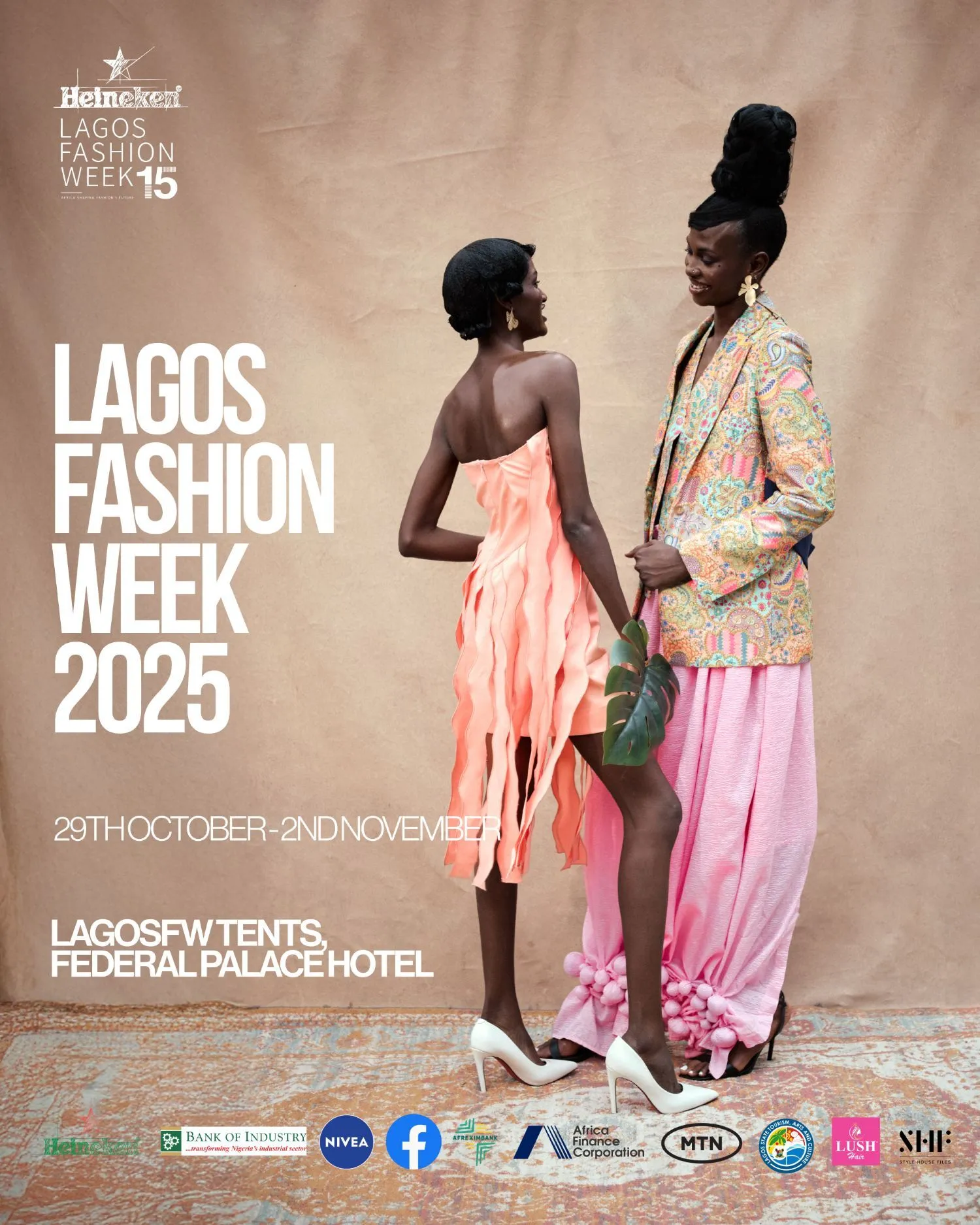
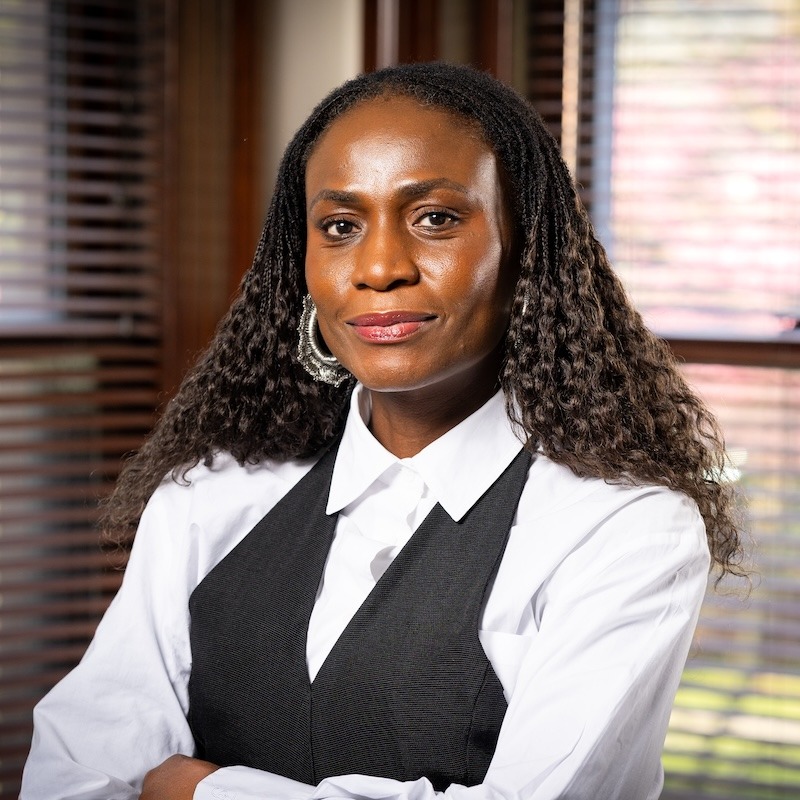
Omoyemi Akerele trained as a lawyer before she started asking harder questions about infrastructure. She holds degrees in law from University of Lagos and international economic law from Warwick, practiced as a stylist and fashion editor starting in 2004, then founded Style House Files in 2008 and Lagos Fashion Week in 2011.
Fourteen years later, the question she's still solving isn't how to put on better runway shows, it's how to build the commercial infrastructure that turns African fashion from creative expression into a $15 billion export industry. In November 2025, Prince William's Earthshot Prize gave her £1 million to prove the model works beyond Lagos. The real test starts now.
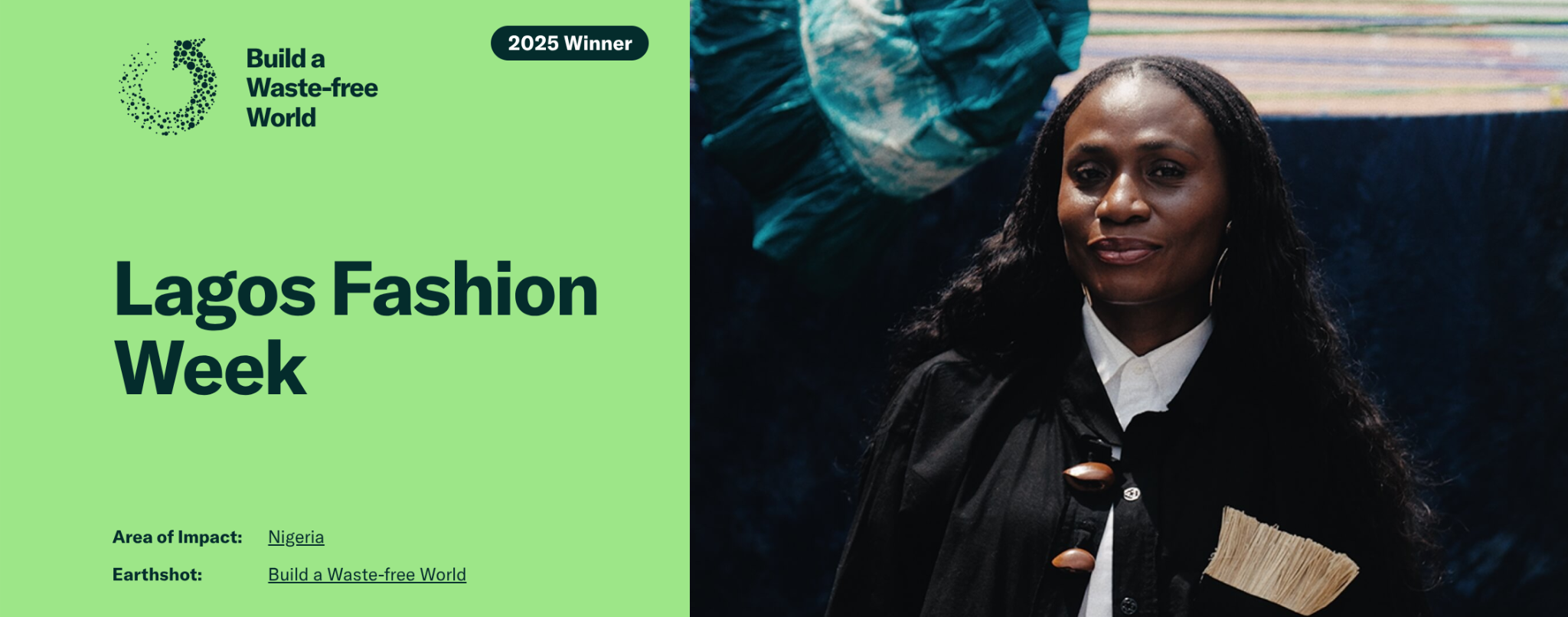
The Earthshot win wasn't recognition for event production. Lagos Fashion Week beat 2,500 nominees from 72 countries in the "Build a Waste-Free World" category because it's building industrial infrastructure around circular fashion at scale. Every designer showing at LFW must demonstrate sustainable practices from material sourcing and dyeing to production methods and transportation. That's not aspiration, it's mandatory to get on the runway. The infrastructure backing those standards includes Fashion Focus Africa, a year-long incubator providing business development coaching, creative workshops, and access to the Fashion Focus Fund.
Past beneficiaries like Orange Culture, Kenneth Ize, Emmy Kasbit, and Ejiro Amos Tafiri didn't just get runway time, they got the structure to build export-ready businesses. Green Access, now in its seventh edition, pushes emerging designers to treat pre and post-consumer textile waste as design opportunity rather than disposal problem, rooting innovation in indigenous craft techniques and youth-driven micro-economies. SHF Trains partners with Nigerian Export Promotion Council to build garment manufacturing capacity that can actually fulfill international orders. The results show in the data: 68% of brands attending Lagos Fashion Week secured new funding or distribution deals post-event, and the platform has directly impacted over 3,800 beneficiaries with another 14,000 reached indirectly.
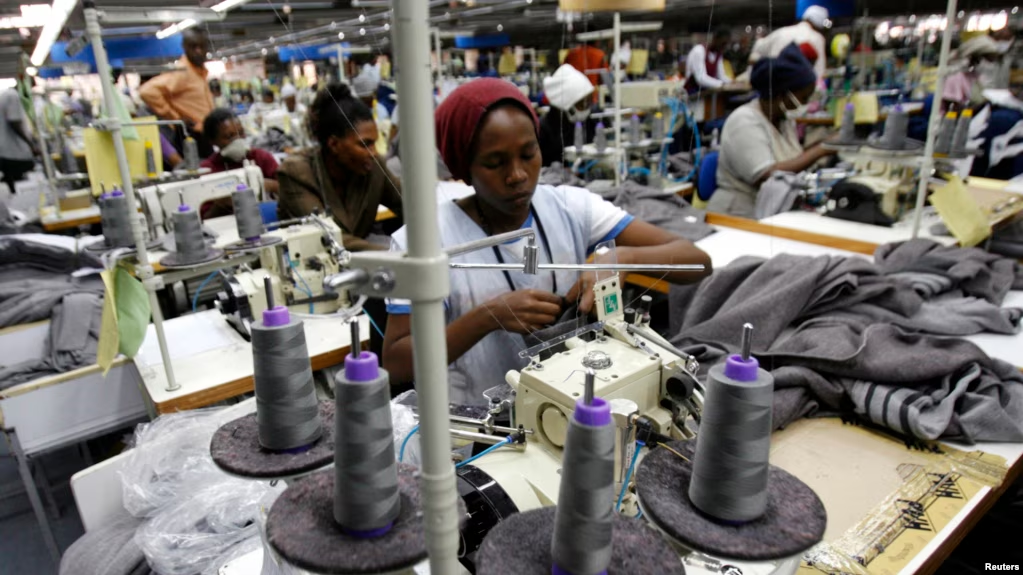
The timing of the Earthshot win matters because it arrived three weeks after Africa Finance Corporation announced partnership with LFW for 2025, explicitly backing manufacturing transformation over creative visibility. AFC isn't sponsoring runway shows, they're funding infrastructure through their investee company ARISE Integrated Industrial Platforms, which operates the Glo-Djigbé Industrial Zone in Benin Republic where African cotton gets processed into finished garments exported to global retailers including The Children's Store in the United States. The facility runs on 100% renewable energy, recycles 95% of its water, and creates thousands of skilled jobs for local youth.
That's the infrastructure LFW is positioning itself to connect with: factories that can turn design into reliable export supply chains. The broader context is an $82 billion market opportunity for African fashion, with apparel and textile exports projected to hit $15 billion by 2030, but only if the continent can shift from exporting raw materials to producing and exporting finished goods at quality and scale that international buyers trust.
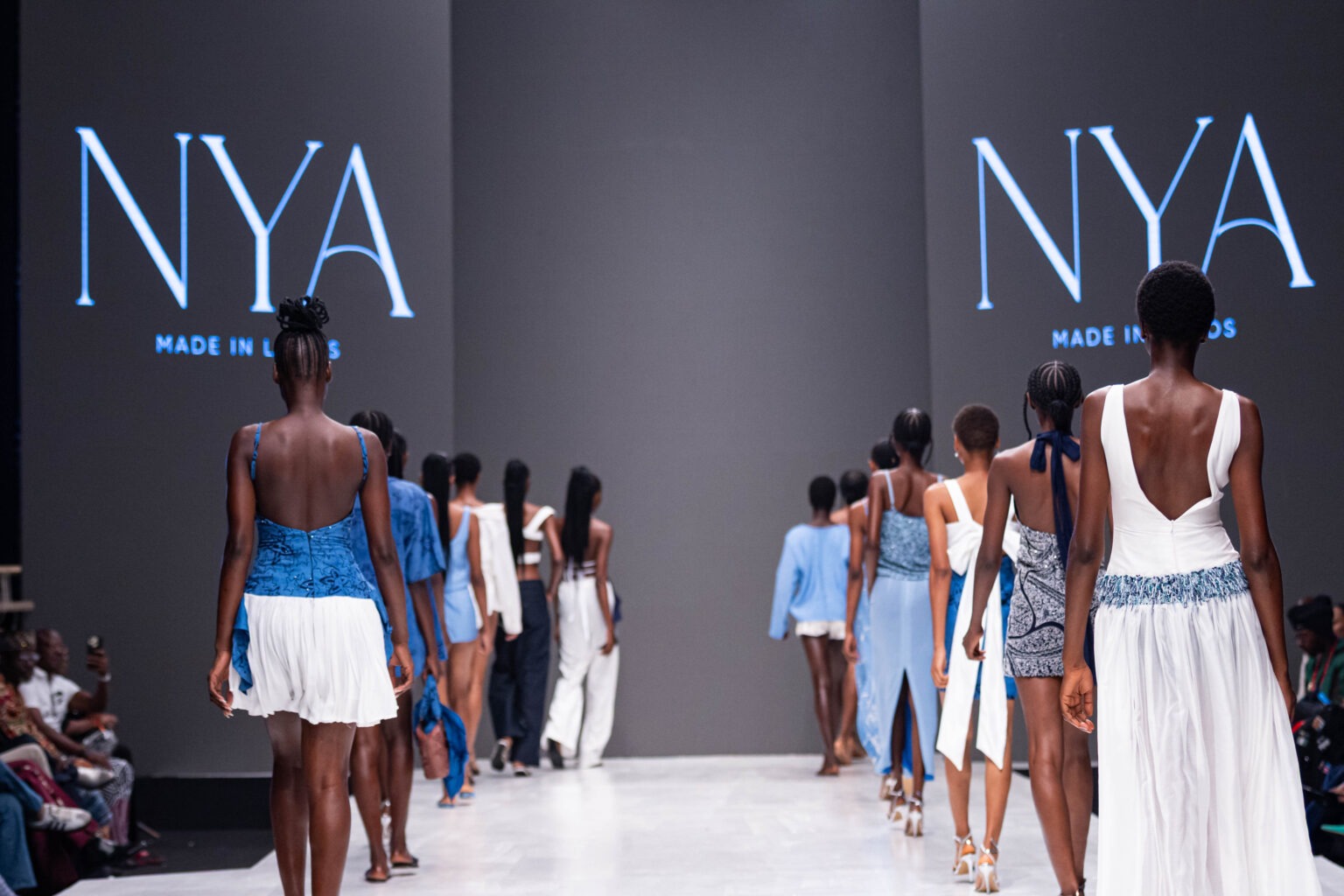
Akerele's plan for the Earthshot funding targets the gap between runway and retail. She's establishing the first fully functional circular fashion hub in Lagos designed to travel to other African cities, powered by culture and craftsmanship to transform textile waste into new materials, new businesses, and sustainable livelihoods. The model needs to work for a continent with over 30 fashion weeks and a population projected to reach 2.5 billion by 2050. By 2030, LFW aims to replicate its sustainability framework across fashion weeks in Kigali, Dakar, and Accra, with training, infrastructure, and systems prioritizing environmental stewardship and creative equity. That replication depends on proving the hub model generates measurable economic returns, not just cultural impact.
The African Fashion Development Initiative, which Akerele launched to provide micro-grants and capacity building for emerging entrepreneurs, is testing whether access to finance combined with legal counsel, business consulting, and systems implementation can address the structural barriers that keep African fashion brands from scaling. Traditional bank loans remain inaccessible due to high interest rates, venture capital flows to other sectors, and competitions with financial rewards are scarce for fashion specifically.

The 15th anniversary edition in 2025, themed "In Full Bloom," positioned LFW's evolution from showcase to strategic platform. The Fashion Business Series moderated by Ezinne Chinkata brought together designers, investors, lawyers, and corporate executives to discuss IP systems, scalable business models, and textile value chain development. A legal panel urged designers to prioritize trademark registration as counterfeiting losses mount. The International Buyers' Hub expanded to connect fashion buyers and investors from Europe, Asia, and the US directly with African brands, strengthening export capacity and promoting African textiles as global commodity.
Title sponsorship from Heineken since 2015, plus partnerships with Afreximbank, Bank of Industry, and MTN Nigeria, shows corporate interest in backing infrastructure over one-off activations. The SwapShop initiative promoting circular economy through swapping, resale, and upcycling brings the sustainability thesis to consumer level, challenging fast fashion culture in Nigeria through hands-on workshops led by sustainable designers and eco-conscious partners running repair booths and recycling stations.

LFW's global recognition extends beyond the Earthshot Prize. Akerele served on the advisory committee for MoMA's 2017 exhibition "Items: Is Fashion Modern?" featuring African designers and textiles, advised the curatorial team for Victoria & Albert Museum's 2022 "Africa Fashion" exhibition where LFW runway footage was featured, works with British Fashion Council and UNESCO, and was named a climate leadership fellow at Yale's Jackson School of Global Affairs in 2025.
She's been on Business of Fashion's Global 500 list since 2017 and was appointed Zero Oil Ambassador for Nigeria by NEPC in 2021, highlighting fashion's role in diversifying exports beyond oil. That advisory work feeds back into LFW's operating model: understanding how international institutions evaluate African fashion informs what infrastructure needs to exist for designers to access those platforms sustainably.
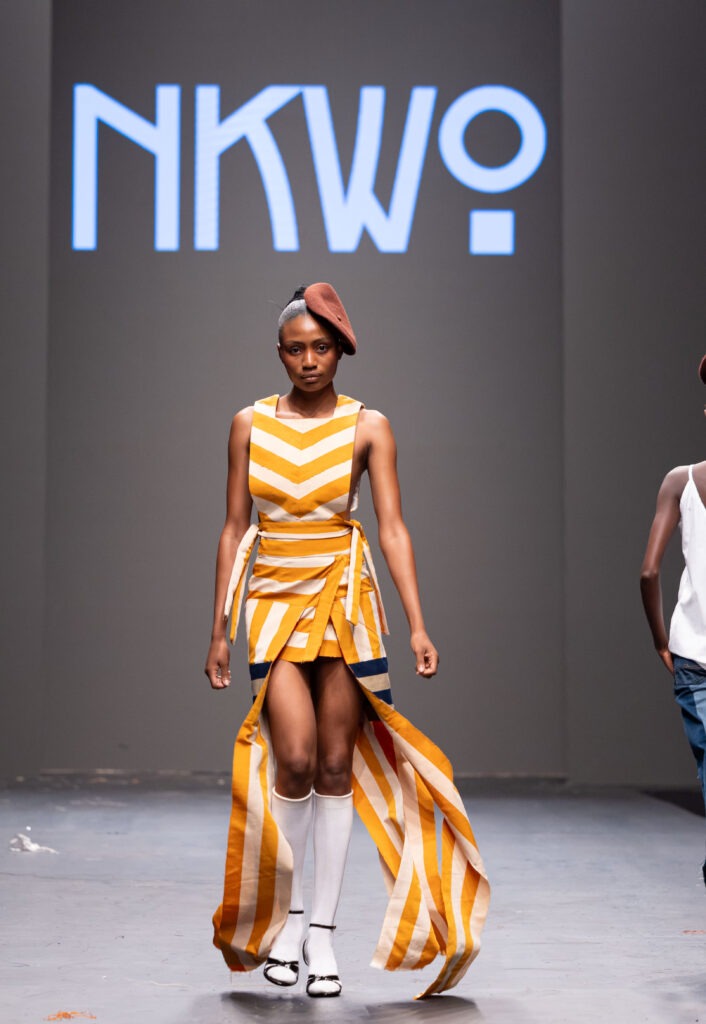
The question for year sixteen isn't whether Lagos Fashion Week can put on a good show, it's whether the circular fashion hub model generates returns that justify replication across five cities by 2030. If the infrastructure works, African fashion shifts from being a creative curiosity to a manufacturing powerhouse that captures more value by exporting finished goods instead of raw materials.
Akerele is set to prove that.


.png)

