.svg)


Oluwapelumi Dada was on his bike in San Francisco when he spotted Sam Parr jogging through the neighbourhood. Dada chased him down, out of breath, and pitched an idea: an app that would let you apply for jobs the way you swipe through dating profiles. Parr, founder of The Hustle and serial entrepreneur, posted about the encounter to 1.7 million followers on X. He called Dada the kind of young founder you bet on early, and he wasn’t wrong. Dada had turned down internship offers from Tesla and Dell to build this thing full-time.
.jpeg)
That thing is now Sorce. And the question it's actually answering isn't about convenience or gamification. The question is whether the job market's fundamental infrastructure, the way talent and opportunity find each other, is broken beyond what "incremental" improvements can fix.
The data says yes. A typical computer science student applies to 100-200 internships before getting a match. In the current market, that number often doubles. Each application means re-entering the same information into different portals, rewriting cover letters for companies that may never read them, managing passwords across dozens of sites. Sorce figured the bottleneck in job search is not actually discovery, but execution. LinkedIn hosts over 15 million active job listings. Indeed aggregates 45-50% of all online job postings worldwide. The jobs are there. The friction is in getting to them.

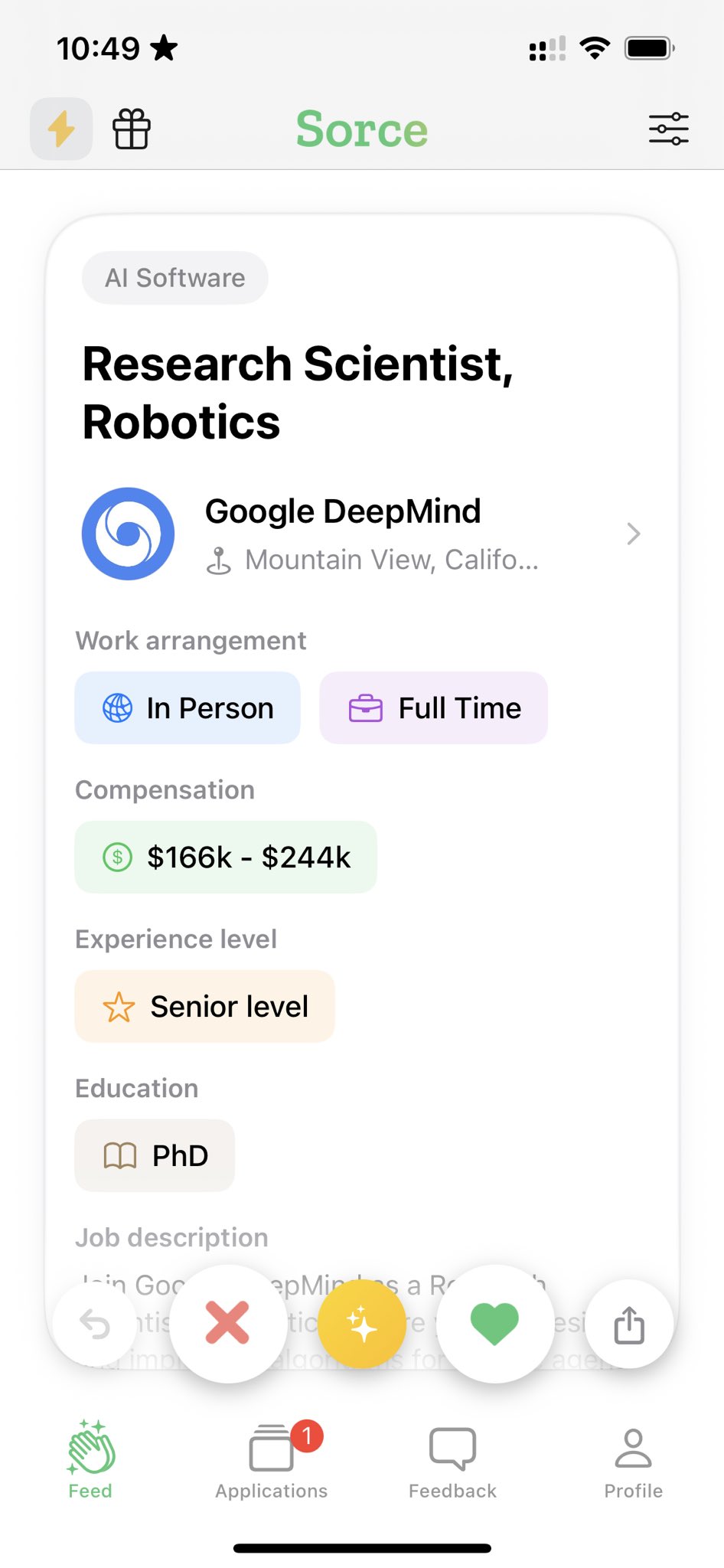
Sorce's answer: swipe right, and an AI agent navigates to the company's website, fills out the application, generates a tailored cover letter, and submits. What takes 15 minutes manually now takes a few seconds. Dozens of logins become one unified interface. The experience becomes seamless.

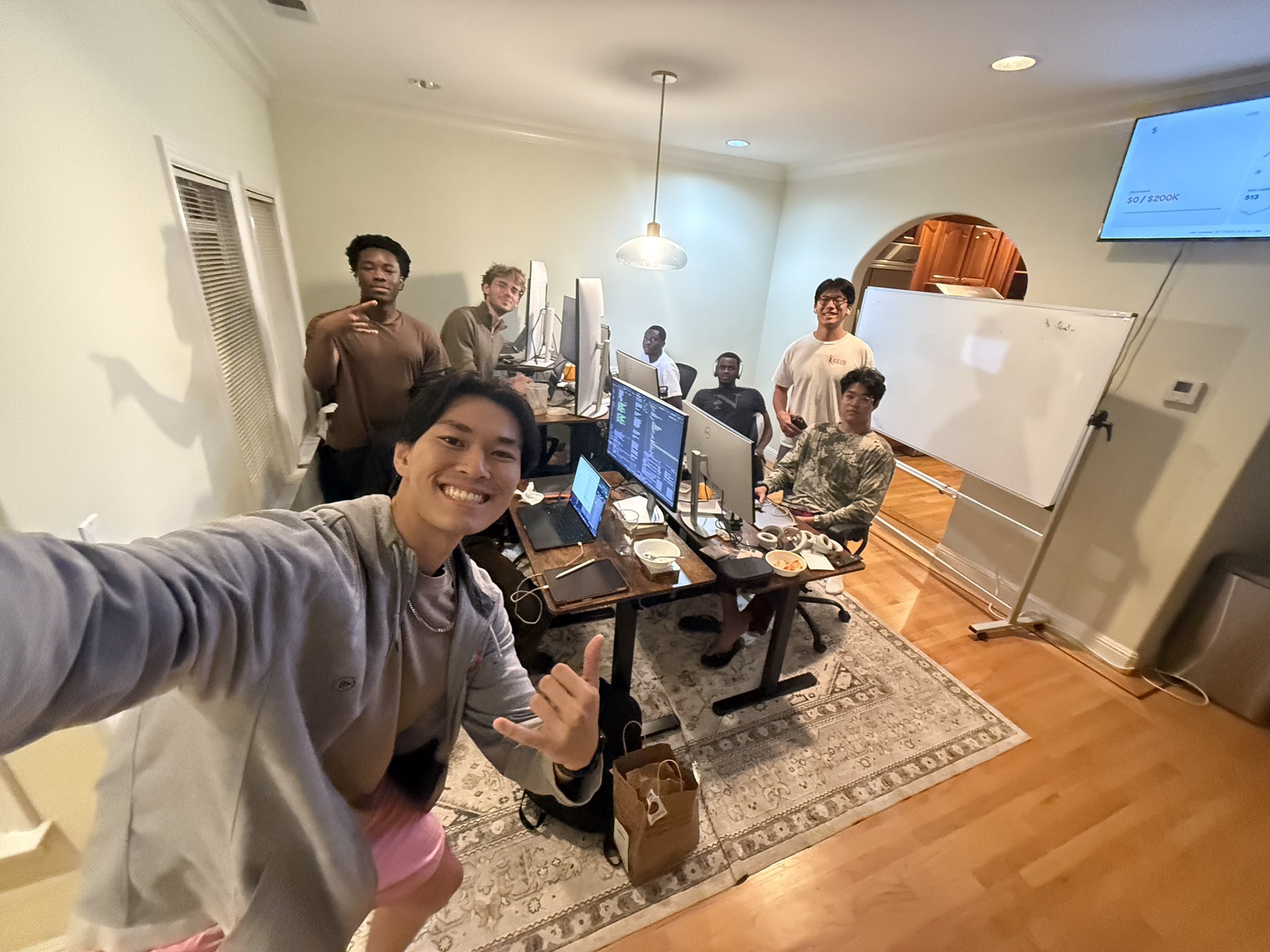
The founding team reads like a bet on Nigerian technical talent at the highest levels of American tech. Dada, the CEO, interned at Tesla and Dell while studying computer science at Huston-Tillotson University in Austin. Daniel Ajayi, the CTO, graduated from MIT and interned at Citadel Securities and Nvidia. David Alade, who built the iOS app, studied at Northeastern, worked at JPMorgan and the Network Science Institute. All three are Nigerian. All three are 21 and 22 years old. They met on X and built the first version of Sorce in seven weeks.
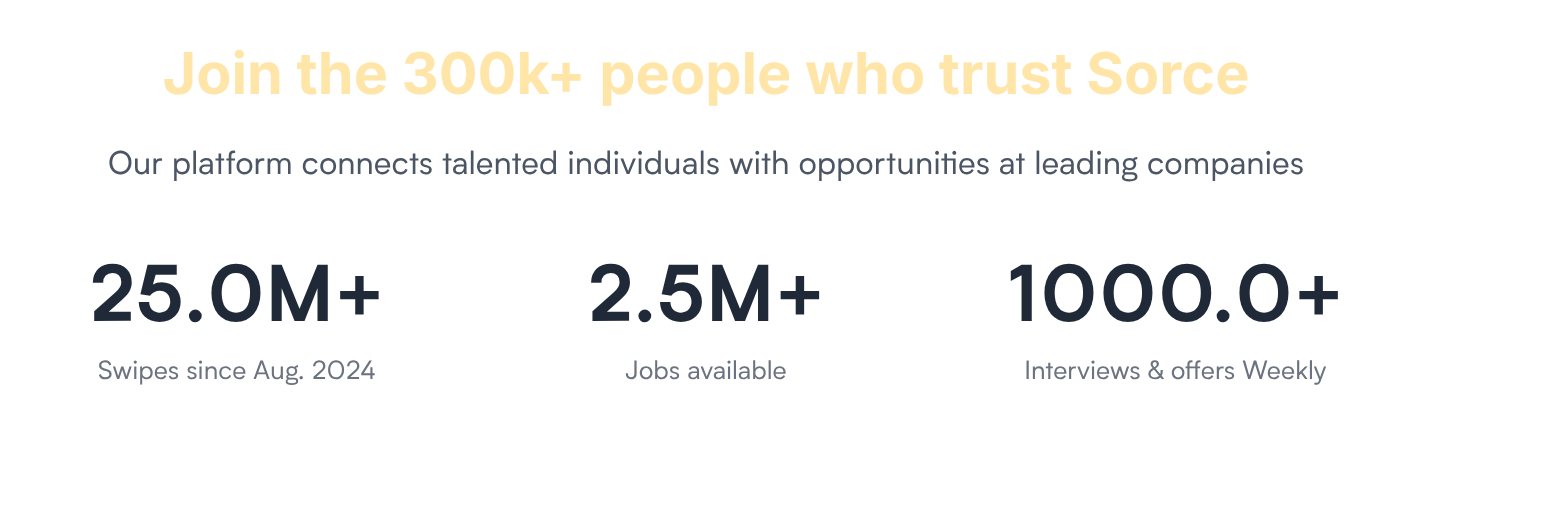
The numbers since launch show what viral adoption looks like when the underlying product actually works: 500,000 users, over 20 million swipes, more than 2.5 million job listings in the database. Users have landed interviews at over 150 companies including OpenAI, Nvidia, SpaceX, Coca-Cola, Samsung and Visa amongst others. Over 1,000 people have secured jobs interviews % offers weekly through the platform.

The investor roster includes Founders Inc. and Y Combinator. Angel investors include Opeyemi Awoyemi, co-founder of Jobberman, one of the biggest job boards in Africa, and Adewale Yusuf, founder of AltSchool Africa. Dada joked that the man who built one of Africa's largest job boards is now investing in his job app. The symmetry isn't accidental: African founders are building global infrastructure, and the people who understand what that looks like are paying attention.
As with AI and other new technology, critics aren't wrong to ask questions. Some argue that automating applications dehumanizes an already broken system, that if AI is applying and AI is screening, hiring becomes algorithms rejecting algorithms. Others point out that terms of service and compliance questions remain unresolved. And there's the scale question: Sorce's AI agent works across thousands of employer portals with constantly changing structures.

But if anything, the team has shown they can ship through complexity. Matthew Trent, a Canadian intern who joined through Sorce itself, rebuilt the search infrastructure to understand meaning rather than just keywords. Search for "someone who talks to people and writes stories" and journalist roles surface. That change doubled engagement. The team is now six people, described by Dada as "cracked."

Sorce positions itself against LinkedIn the way Uber positioned against taxi commissions or Airbnb against hotel pricing, not necessarily as a better version of what exists, but as a different category. LinkedIn is a professional network that happens to have jobs. Indeed is a job aggregator that optimizes for volume. Sorce is trying to be the execution layer, infrastructure that sits between candidates and opportunities and removes all the friction in between.
Whether they get there depends on whether the marketplace can flip. Right now they're building the supply side: candidates, applications, proof that people land interviews. The demand side, employers paying for access, recruiting teams using Sorce as their talent pipeline, is next. Dada has said a funding round is coming that will reveal more about the company's trajectory.
But the thesis itself is already validated: job hunting is broken infrastructure, not a discovery problem. Whoever fixes the plumbing eats the market share, and Sorce is a wild card who showed up with the tools the industry did not know it needed to fix this plumbing issue.





.png)

