.svg)

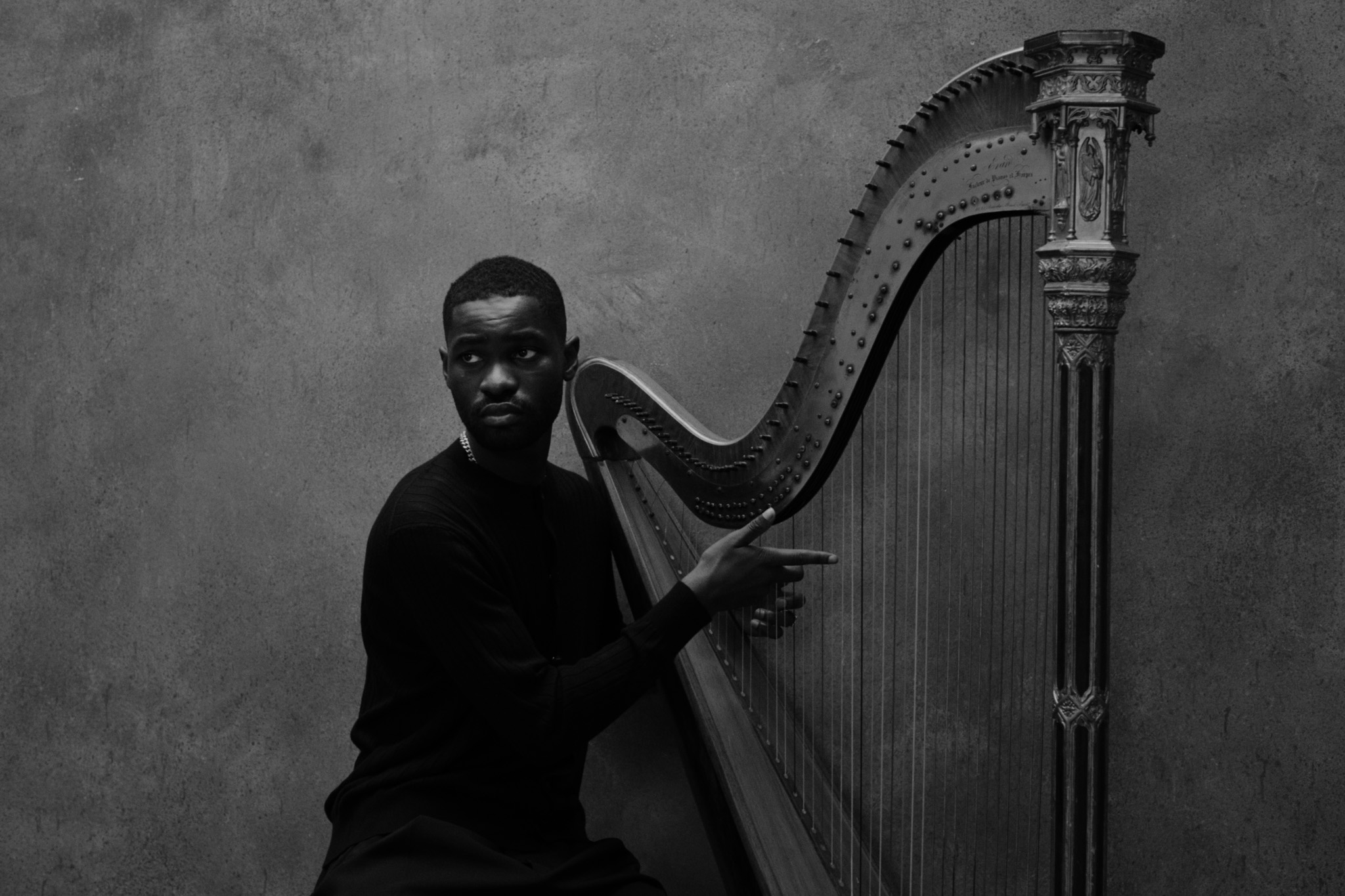
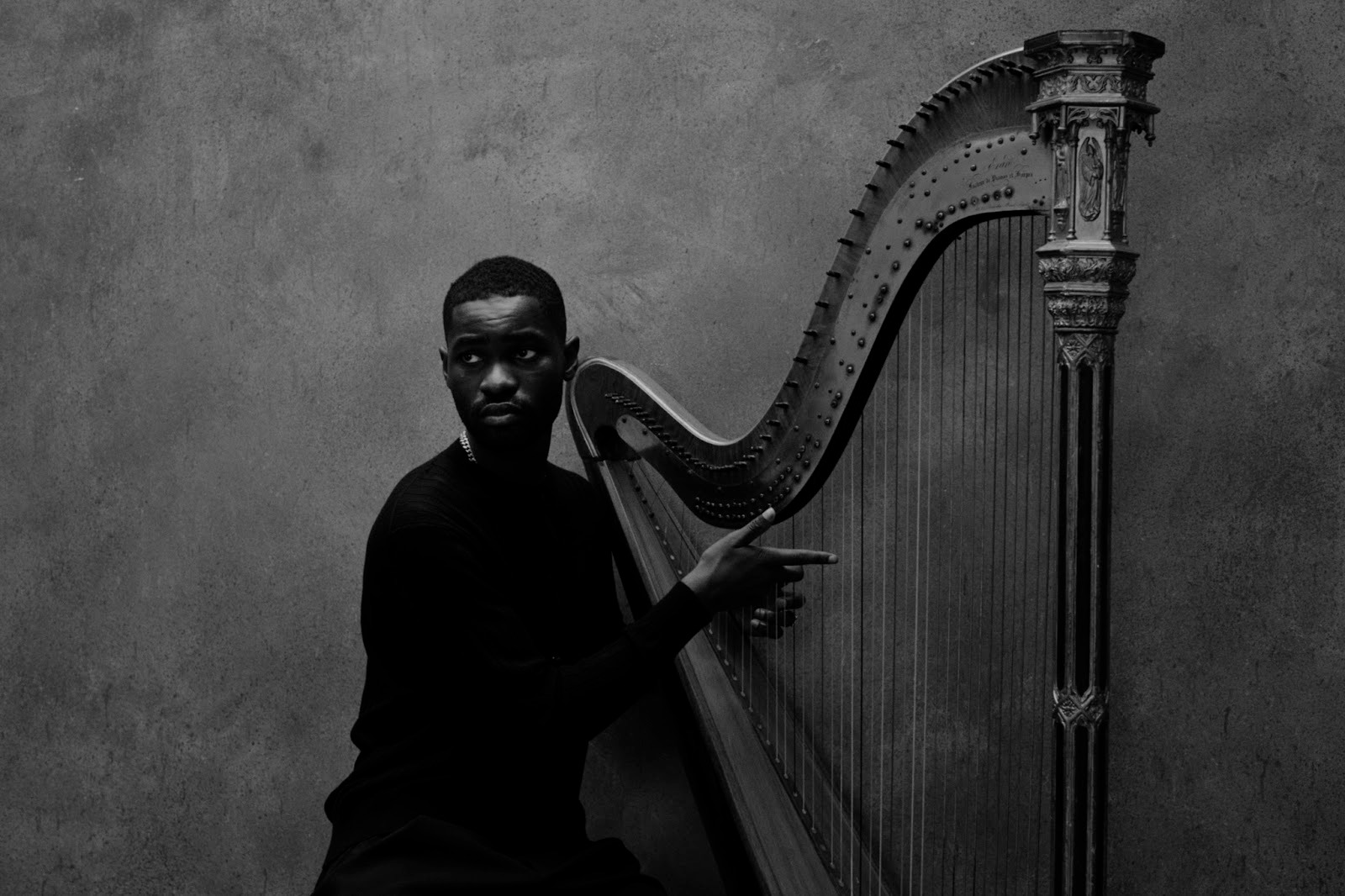
Momentously dark, brooding, heavy piano chords strike a succession of strings at record timing, to open ‘History’ — the first cinematic track of the album.
“I'm from South where they struggle with sayin' your name / But it's easy when pronouncin' you dead on the scene… / You know it's history in the makin' (Ooh) / Shall we make it?”

Setting a commanding tone for Dave’s new full-length project after almost four years, the sharp, melancholic wit that is persistent in Dave’s storytelling collectively complements James Blake’s spacey, atmospheric production. Together, they offer listeners an uncanny opportunity to momentarily exist in a live conversation between Dave and Dave’s inner psyche. As harmonious vocal ballads juxtapose the dark, emotive questioning on the state of one’s existence, UK rapper Dave elucidates deep introspection and emotional turbulence in ‘The Boy Who Played The Harp.’
Hailing from Brixton, South London, British-Nigerian artist Santan Dave, born David Orobosa Omoregie, emerged onto the rap scene in 2015. His brilliantly precise freestyle on the underground rap channel Blackbox fused anecdotes of his real-life struggles into an enticingly hypnotic rap cadence– resonating with listeners drawn to his authentic delivery. The tenor of his lyricism narrates the realities of growing up in the Streatham district in South London, where a broken criminal justice system directly impacted his family and upbringing. Through the years, he has built a massive base: from winning a Mercury Prize for his release of ‘Psychodrama’ in 2019, to securing a MOBO award for his sophomore studio album, ‘We’re All Alone in This Together.’
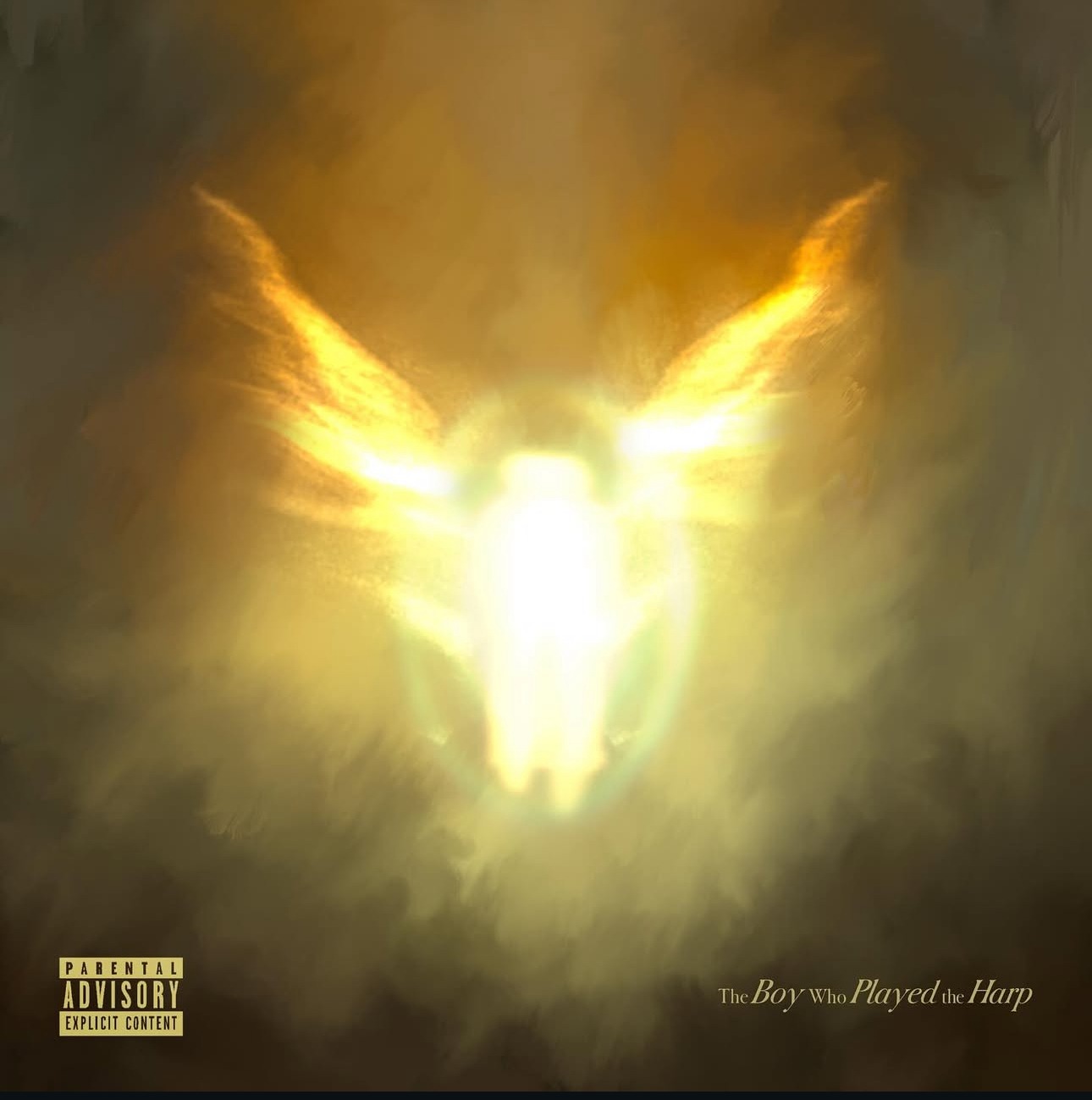
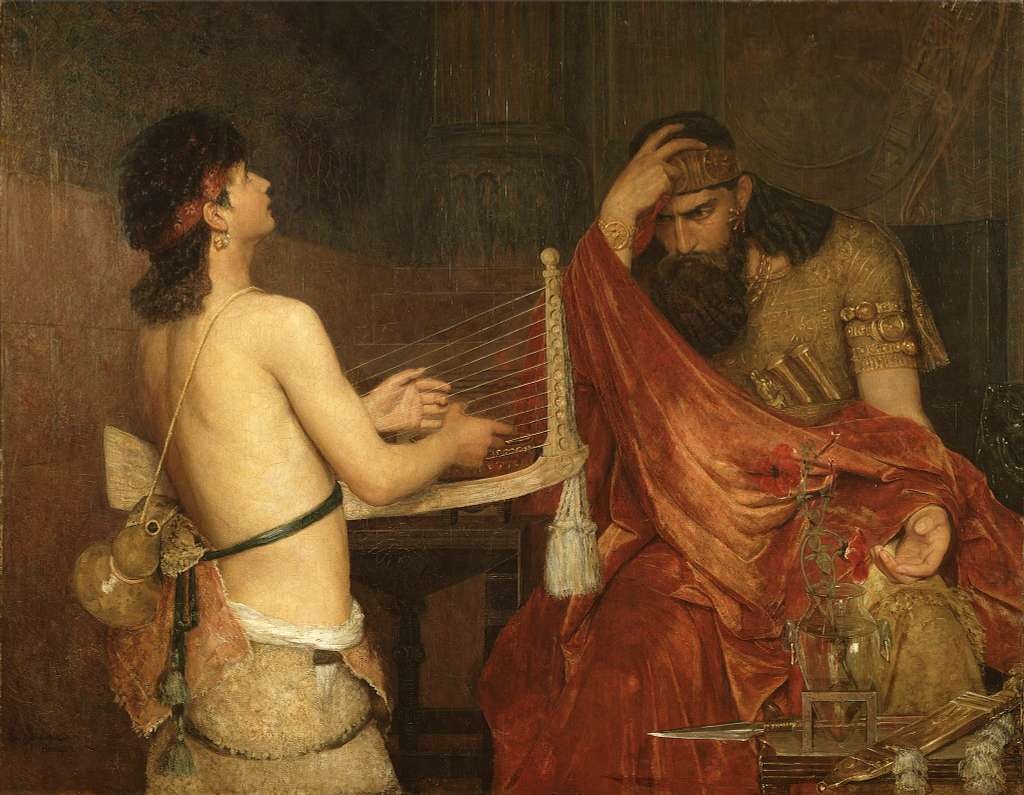
Dave bases the album’s title on Biblical King David, who plays the harp in the Book of Samuel to soothe King Saul’s evil spirits and demons. The harp’s power to relieve Saul’s darkness parallels Dave’s strong connection to music and the enormity of its ability to dispel deep, complex emotions. This theme expands across the album as Dave unravels the varying depths of his anxieties – a damaging criminal justice system, an increasingly rushed and algorithmic-focused creative process, and the existential weight of the passage of time.
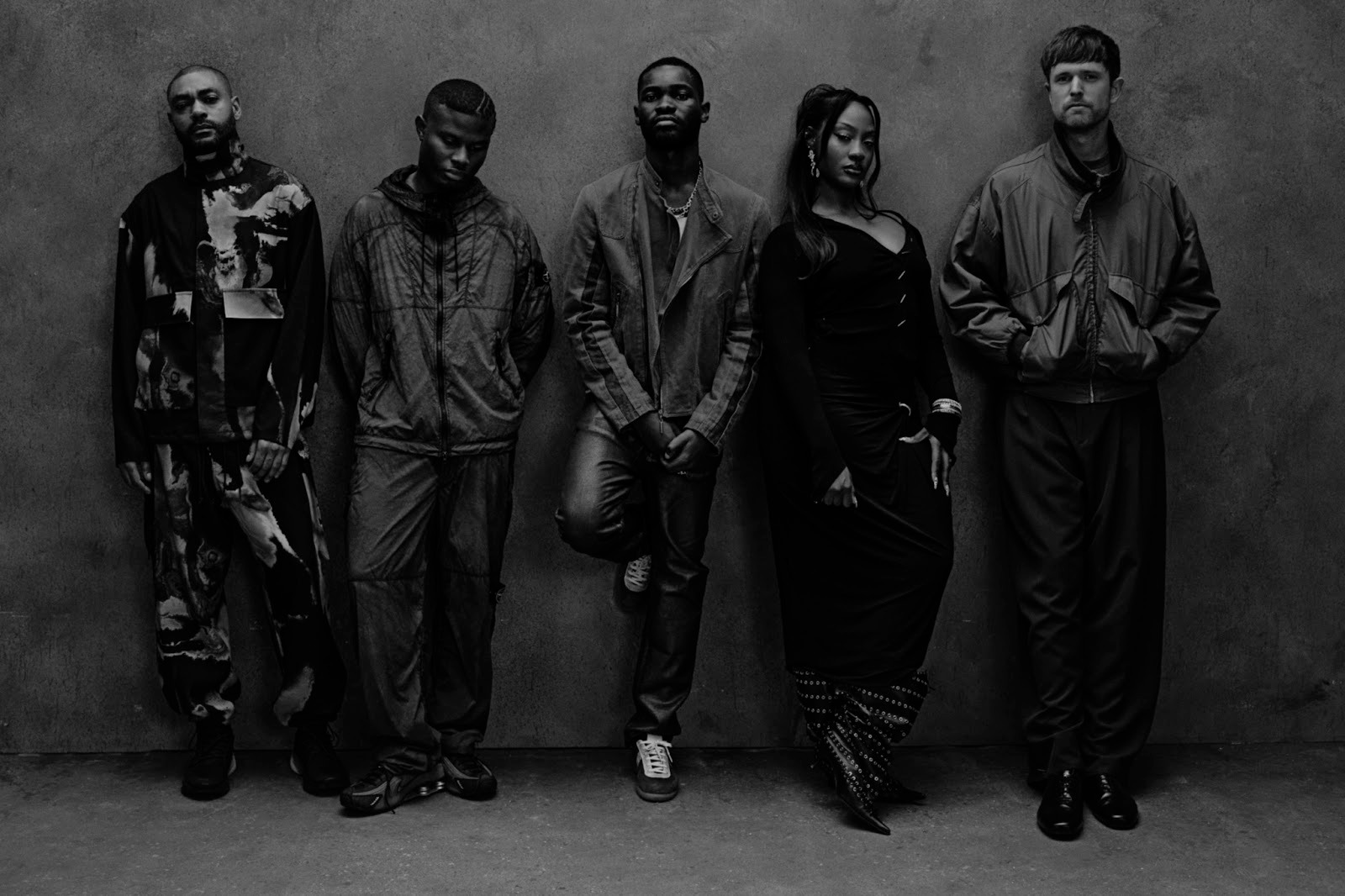
Already charting at #5 on the UK Official Singles Chart, Tems and Dave collaborate on ‘Raindance’ – a light, sweet record fusing afrobeats, afroswing, and rap. Dave’s heavy cadence and Tems' soft vocals provide a colorful texture to the song, indicative of the creatively expansive approach he brings to his records.
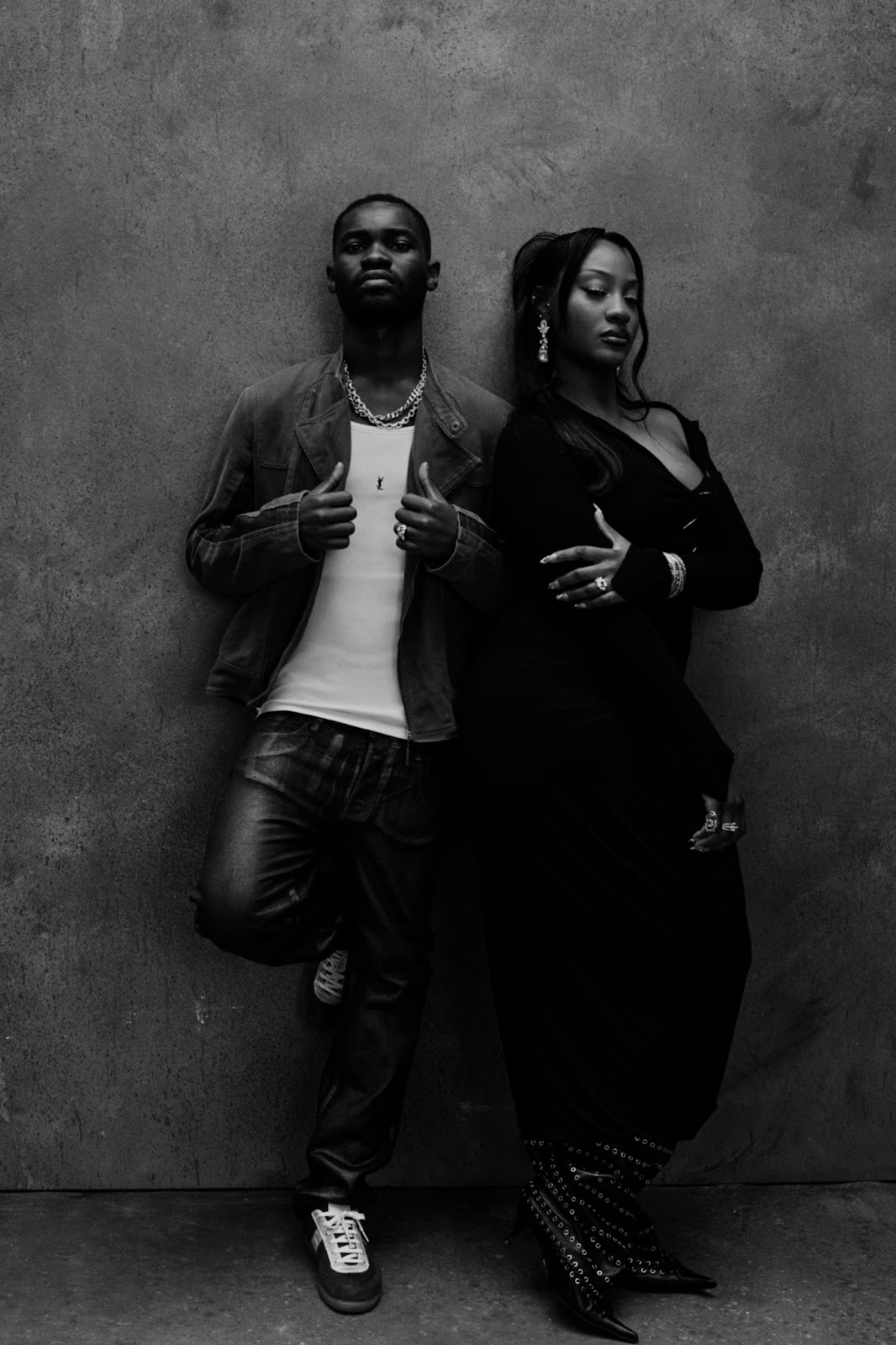
‘Selfish’ runs almost counter to the energy in ‘Raindance’ – where a haunting piano follows a descriptive narrative throughline of Dave’s pensive fears of never finding love, hesitance of therapy’s efficacy, and anxieties of running out of time. He introspects on a series of what-ifs:
“What if I'm selfish? / What if the kids just wanna be kids / What if my fear of doin' it wrong's the reason I haven't been doin' it right? / What if I never find love? / What if I'm damaged? Or what if I waited too long / Or what if I'm faded? Or what if anxiety's growin' inside me / That I might have left all my best years behind me? / Or what if I'm scared as I touch twenty-seven / That you don't appear in my idea of heaven?”
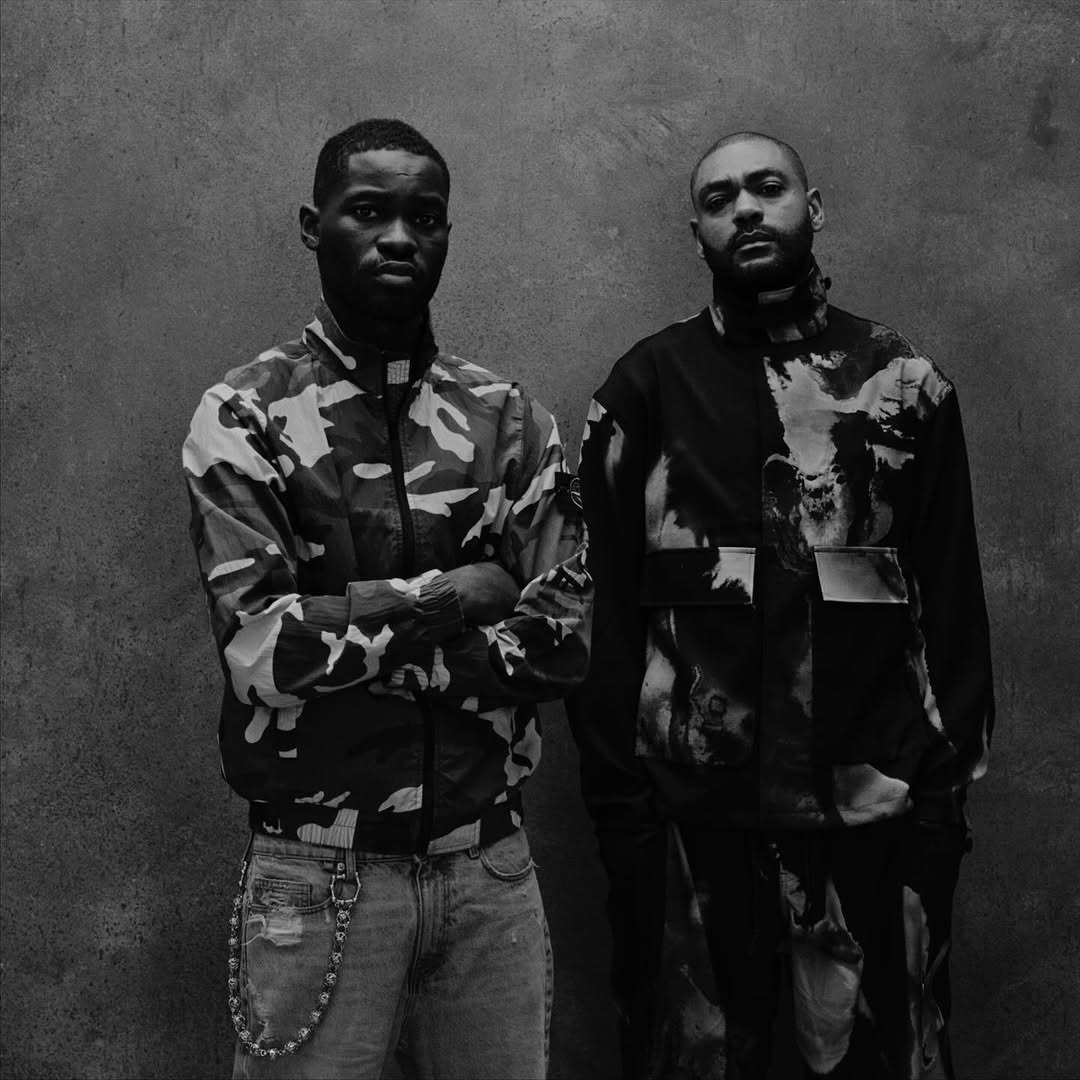
Building on themes of introspection, one of the most brilliant moments on this project is ‘Chapter 16.’ Featuring Kano with Dave, their back-and-forth banter almost mimics an off-guard, unscripted conversation between two friends simply catching up.
Dave: I moved out West, and it's nice in these days, we drivin'
Kano: Ah, your lifestyle bougie (Ah), lifestyle bougie (Ah, cool)
I used to push a silver Porsche with two seats
Dave: (Of course you did)
Kano: Leatherbacks, cosy baby seats in the SUV
You know I've been Naij' and I've never had Egusi
Dave: (So, blud, what was you eatin'?)
Kano: Fried plantin
Dave: You ain't have the pepper soup, G? And it's "Plantain"
Dave has always looked up to Kano, one of East London’s top grime rappers. While chatting about pepper soup, egusi, and the correct pronunciation of plantain, Dave delves into deeper ruminations on his hesitations, reservations, and general obscurities he wrestles with as an artist in this generation. What does it mean to excel tremendously as a rap artist in a world that is simultaneously on fire?
Kano encourages Dave to remember the power of presence, community, and perspective, especially in an unforgiving music industry.
“You got a lot of years ahead of you / Some years'll worsen you and some will better you / If it's not positive, drop it, the street's residue / But keep a piece of yourself when you're sellin' you../ This game ain't for the throne, and kings are checkable / It's to be a better you, envy's inevitable / And please take pics with your friends 'cause I'm tellin' you / This industry attention will sever crews”
Dave’s relationship with the creative process is paramount in this album, as he notes in ‘My 27th Birthday’
“But when I'm all alone, I won't lie, I question myself
Am I self-destructive? Am I doin' the best for myself?
I know I love music, but I question the rest of myself
Like, why don't you post pictures? Or why don't you drop music?
Or why not do somethin' but sittin' and stressin' yourself?
Ten years I been in the game and I won't lie, it's gettin' difficult
This shit used to be spiritual…
[and] why we countin' the numbers, how the music make you feel?”
These lines of worry are accompanied by call-and-response echoes of "everything's fine,” noting the cognitive dissonance Dave feels between making good music and the innate pressures of conformity associated with that. Impending social pressure and fear are heavily prevalent in the creative process. Creating for creation’s sake, for Dave, seems to have lost its fervor, as he describes how the music process used to feel much more spiritual. In a world of increased automation and algorithmic agility, audiences forget that there is a real person behind the music, with a large dedicated team committed to bringing an artist’s vision to life. In Dave’s recent Instagram caption, he highlights how formative those four years were for him and his music, emphasizing how his search for purpose guided him in the birth of his third studio album.
“You wanna know the reason it's taken me four years?
It's not 'cause I'm surrounded by yes-men and sycophants
It's 'cause I'm with producers and people that give a damn
It's me who's gotta carry the pressure, I live with that”
Lauryn Hill speaks to a similar theme, underscoring the importance of living life to create good art.

“I’m not in the studio right now, and everybody thinks I’m crazy / Time is running out, and you have a window / For a while, I listened to that / Music was created / But it wasn't my best / There was no substance because there was no experience / …Never be afraid of not knowing / Think in doses / Think in experiences”

Refusing to be prescriptive, the nature of Dave’s storytelling invites listeners on an emotionally introspective journey through the labyrinthine of his creative mind. Each worry, hesitation, abundance, and proclamation Dave expresses design the sonic, melodic, and phonetic structure of each record.
King David and his harp,
Santan Dave and his pen.
“My ancestors, my ancestors told me that my life is prophecy
And it's not just me, it's a whole generation of people gradually makin' change
There ain't a greater task
Shift that, make a name, make a start
They don't know what they're facin' when they ask
With the will of David in my heart
The story of the boy who played the harp.”


.png)

