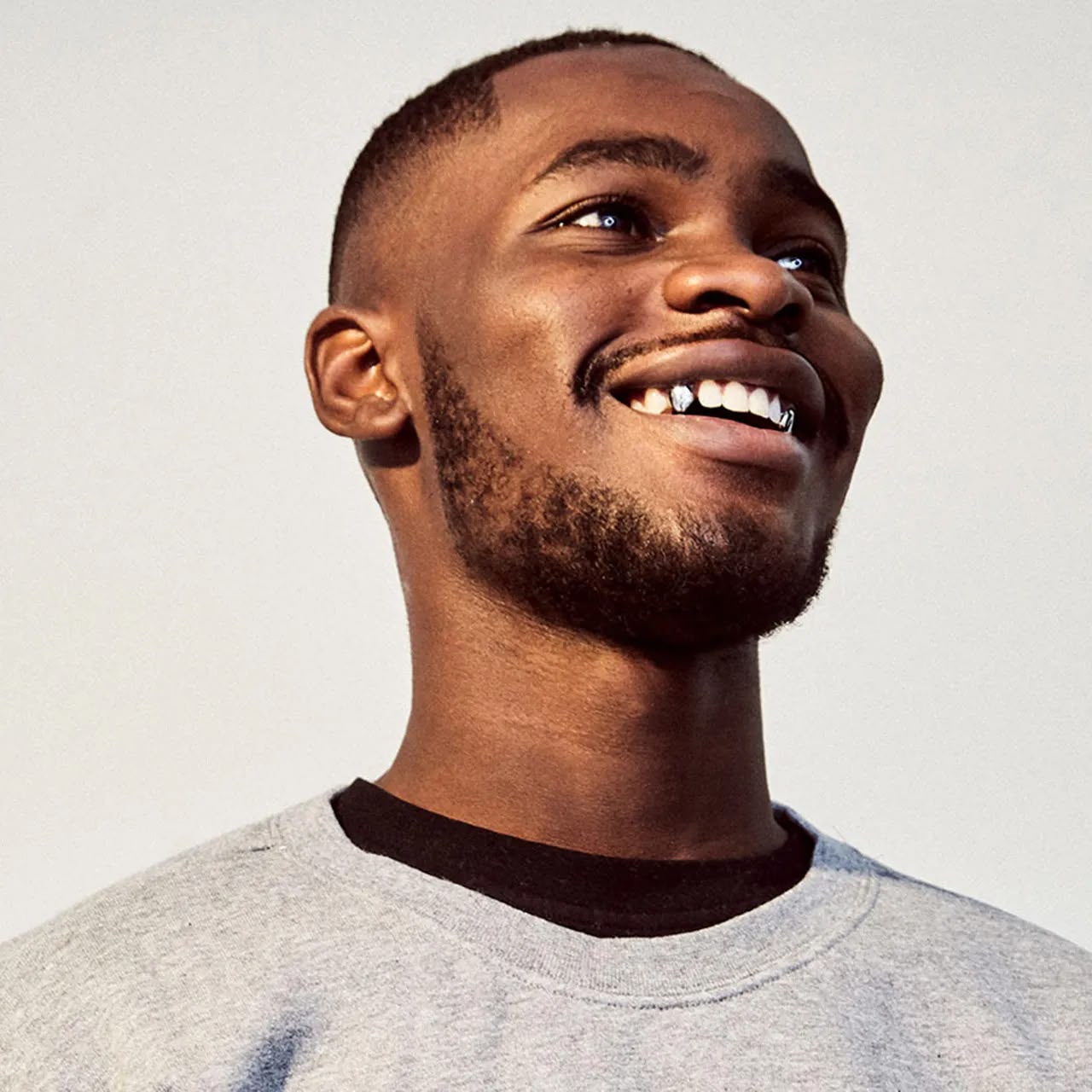
‘The Boy Who Played The Harp’ Is Set For Lagos

Authored by

Dave's A The Boy Who Played the Harp tour began on February 2, this year, in Munich, Germany, and will end on October 17 at the Wole Soyinka Centre for Culture and Creative Arts in Surulere, Lagos, sparking widespread excitement among his Nigerian fanbase. 

Across 43 shows in Europe, North America, Australia and Africa, Dave has taken the tour through some of the biggest markets in his career before bringing it to Lagos -- the city his parents are connected to -- for its final stop. The venue itself carries its own significance, named after Nigeria’s Nobel laureate Wole Soyinka.

Nigerian music has spent the last decade travelling outward, with Burna Boy, Wizkid, Tems and Davido among the artists who have taken music from Lagos to audiences around the world. At the same time, another part of that cultural exchange has been happening in the opposite direction. 

So many young artistes grew up in Nigerian homes on British streets, carrying both influences into their music without necessarily having to separate the two. Dave, real name David Orobosa Omoregie, is part of that generation. 

For this release, Dave seems to be quite proud of his Nigerian heritage. Wizkid appeared on We’re All Alone in This Together in 2021, not as a genre exercise but as part of a creative world that had already made room for that connection. Raindance, the only single from The Boy Who Played the Harp, features Tems and was filmed in Lagos. It became Dave’s first Billboard Hot 100 entry, with the video shot across Lagos streets in footage that could almost pass for a wedding before it reveals itself as a music video. Dave did not have to go looking for Nigeria. It was already present in the work, in his life and artistry. 
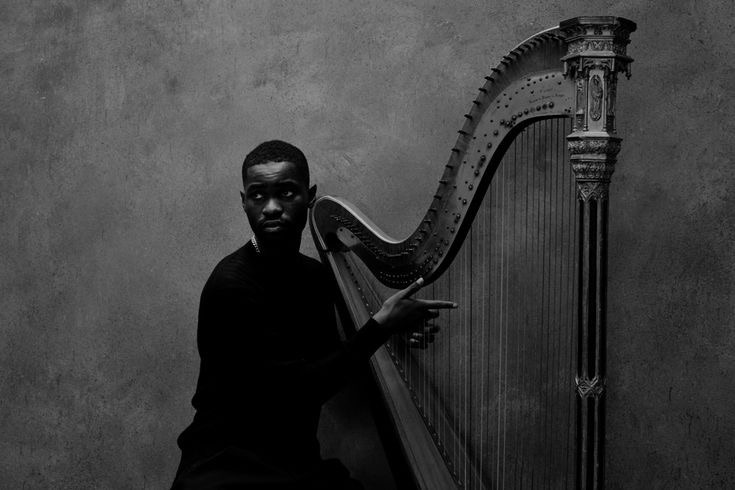
Credit: Santan Dave

The Boy Who Played the Harp is his third album and his most ambitious project yet. Its title references the biblical tale in 1 Samuel 16, when King Saul summons David, the young shepherd, to play the harp and soothe him when an evil spirit troubles him. Dave draws a deliberate connection between his biblical namesake and his own life, most clearly on the closing track: “My ancestors, my ancestors told me that my life is a prophecy. And it's not just me, it's a whole generation of people gradually making change.” 

The album opens with a church organ and ends with a verse about generational inheritance. In between, Dave writes about religion, guilt, masculinity, sexual assault, fame and what a man owes to the generation that comes after him. Marvellous confronts his own shortcomings, while Fairchild, featuring Nicole Blakk, recounts experiences of sexual assault and abuse rooted in male ignorance and places Dave within that wider conversation about male responsibility. My 27th Birthday asks what he has done to deserve what he has been given. Across the album, the questions are personal, but they keep returning to the people and histories that came before him and the generation that will follow.

Chapter 16 features Kano, bringing together two generations of British rap. Kano brings a connection to an earlier generation of British rap, while Tems on Raindance brings together two artists from the same diaspora whose music developed in very different places. James Blake and Jim Legxacy are woven into the album from the production itself, while Fraser T. Smith, who produced Psychodrama, returns here. The choices feel considered because the album itself asks to be listened to as a complete work, at a time when much of the music industry is built around singles, playlists and the constant demand for something new. The Boy Who Played the Harp debuted at number one in the UK with 73,799 album-equivalent units in its first week, giving Dave his third consecutive number one album.
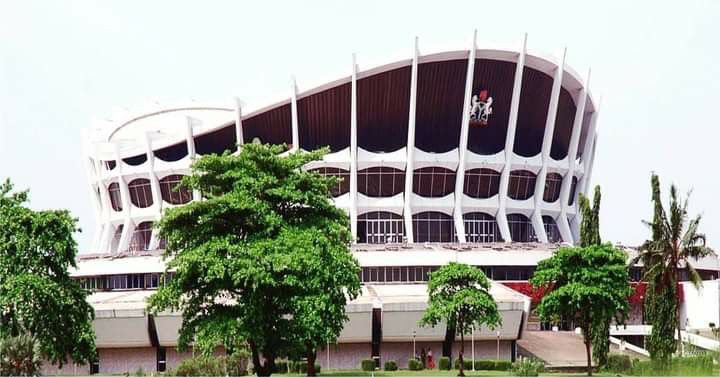
Credit: Wole Soyinka Centre For Culture and Creative Arts, Lagos

The venue for October 16 and 17 adds another layer to the Lagos shows. Dave will close a 43-date world tour in a venue carrying the name of one of Nigeria’s most important literary figures, bringing the run back to the country his family comes from. There is a natural connection between the setting and the questions that run through The Boy Who Played the Harp, an album concerned with inheritance, faith, identity and what one generation leaves for another, even if Dave has not presented the venue choice as a direct extension of those themes.

Lagos sent something to London decades ago: families, culture and ways of living that continued to evolve within the diaspora. For artists like Dave, that Nigerian identity exists alongside the British environment that shaped them, rather than separately from it. His Lagos shows bring those two parts of his story into the same place. 

[NB: Tickets for October 16 and 17 are available through Jetron Ticket, ranging from ₦30,000 to ₦500,000. The rear balcony sold out in June, and the tour that began in Munich will conclude in Lagos on October 17.]

Credit: Santan Dave
‘The Boy Who Played The Harp’ Is Set For Lagos

Authored by
This is some text inside of a div block.

Dave's A The Boy Who Played the Harp tour began on February 2, this year, in Munich, Germany, and will end on October 17 at the Wole Soyinka Centre for Culture and Creative Arts in Surulere, Lagos, sparking widespread excitement among his Nigerian fanbase. 

Across 43 shows in Europe, North America, Australia and Africa, Dave has taken the tour through some of the biggest markets in his career before bringing it to Lagos -- the city his parents are connected to -- for its final stop. The venue itself carries its own significance, named after Nigeria’s Nobel laureate Wole Soyinka.

Nigerian music has spent the last decade travelling outward, with Burna Boy, Wizkid, Tems and Davido among the artists who have taken music from Lagos to audiences around the world. At the same time, another part of that cultural exchange has been happening in the opposite direction. 

So many young artistes grew up in Nigerian homes on British streets, carrying both influences into their music without necessarily having to separate the two. Dave, real name David Orobosa Omoregie, is part of that generation. 

For this release, Dave seems to be quite proud of his Nigerian heritage. Wizkid appeared on We’re All Alone in This Together in 2021, not as a genre exercise but as part of a creative world that had already made room for that connection. Raindance, the only single from The Boy Who Played the Harp, features Tems and was filmed in Lagos. It became Dave’s first Billboard Hot 100 entry, with the video shot across Lagos streets in footage that could almost pass for a wedding before it reveals itself as a music video. Dave did not have to go looking for Nigeria. It was already present in the work, in his life and artistry. 

Credit: Santan Dave

The Boy Who Played the Harp is his third album and his most ambitious project yet. Its title references the biblical tale in 1 Samuel 16, when King Saul summons David, the young shepherd, to play the harp and soothe him when an evil spirit troubles him. Dave draws a deliberate connection between his biblical namesake and his own life, most clearly on the closing track: “My ancestors, my ancestors told me that my life is a prophecy. And it's not just me, it's a whole generation of people gradually making change.” 

The album opens with a church organ and ends with a verse about generational inheritance. In between, Dave writes about religion, guilt, masculinity, sexual assault, fame and what a man owes to the generation that comes after him. Marvellous confronts his own shortcomings, while Fairchild, featuring Nicole Blakk, recounts experiences of sexual assault and abuse rooted in male ignorance and places Dave within that wider conversation about male responsibility. My 27th Birthday asks what he has done to deserve what he has been given. Across the album, the questions are personal, but they keep returning to the people and histories that came before him and the generation that will follow.

Chapter 16 features Kano, bringing together two generations of British rap. Kano brings a connection to an earlier generation of British rap, while Tems on Raindance brings together two artists from the same diaspora whose music developed in very different places. James Blake and Jim Legxacy are woven into the album from the production itself, while Fraser T. Smith, who produced Psychodrama, returns here. The choices feel considered because the album itself asks to be listened to as a complete work, at a time when much of the music industry is built around singles, playlists and the constant demand for something new. The Boy Who Played the Harp debuted at number one in the UK with 73,799 album-equivalent units in its first week, giving Dave his third consecutive number one album.

Credit: Wole Soyinka Centre For Culture and Creative Arts, Lagos

The venue for October 16 and 17 adds another layer to the Lagos shows. Dave will close a 43-date world tour in a venue carrying the name of one of Nigeria’s most important literary figures, bringing the run back to the country his family comes from. There is a natural connection between the setting and the questions that run through The Boy Who Played the Harp, an album concerned with inheritance, faith, identity and what one generation leaves for another, even if Dave has not presented the venue choice as a direct extension of those themes.

Lagos sent something to London decades ago: families, culture and ways of living that continued to evolve within the diaspora. For artists like Dave, that Nigerian identity exists alongside the British environment that shaped them, rather than separately from it. His Lagos shows bring those two parts of his story into the same place. 

[NB: Tickets for October 16 and 17 are available through Jetron Ticket, ranging from ₦30,000 to ₦500,000. The rear balcony sold out in June, and the tour that began in Munich will conclude in Lagos on October 17.]

Credit: Santan Dave
This is some text inside of a div block.

‘The Boy Who Played The Harp’ Is Set For Lagos

Authored by

Dave's A The Boy Who Played the Harp tour began on February 2, this year, in Munich, Germany, and will end on October 17 at the Wole Soyinka Centre for Culture and Creative Arts in Surulere, Lagos, sparking widespread excitement among his Nigerian fanbase. 

Across 43 shows in Europe, North America, Australia and Africa, Dave has taken the tour through some of the biggest markets in his career before bringing it to Lagos -- the city his parents are connected to -- for its final stop. The venue itself carries its own significance, named after Nigeria’s Nobel laureate Wole Soyinka.

Nigerian music has spent the last decade travelling outward, with Burna Boy, Wizkid, Tems and Davido among the artists who have taken music from Lagos to audiences around the world. At the same time, another part of that cultural exchange has been happening in the opposite direction. 

So many young artistes grew up in Nigerian homes on British streets, carrying both influences into their music without necessarily having to separate the two. Dave, real name David Orobosa Omoregie, is part of that generation. 

For this release, Dave seems to be quite proud of his Nigerian heritage. Wizkid appeared on We’re All Alone in This Together in 2021, not as a genre exercise but as part of a creative world that had already made room for that connection. Raindance, the only single from The Boy Who Played the Harp, features Tems and was filmed in Lagos. It became Dave’s first Billboard Hot 100 entry, with the video shot across Lagos streets in footage that could almost pass for a wedding before it reveals itself as a music video. Dave did not have to go looking for Nigeria. It was already present in the work, in his life and artistry. 

Credit: Santan Dave

The Boy Who Played the Harp is his third album and his most ambitious project yet. Its title references the biblical tale in 1 Samuel 16, when King Saul summons David, the young shepherd, to play the harp and soothe him when an evil spirit troubles him. Dave draws a deliberate connection between his biblical namesake and his own life, most clearly on the closing track: “My ancestors, my ancestors told me that my life is a prophecy. And it's not just me, it's a whole generation of people gradually making change.” 

The album opens with a church organ and ends with a verse about generational inheritance. In between, Dave writes about religion, guilt, masculinity, sexual assault, fame and what a man owes to the generation that comes after him. Marvellous confronts his own shortcomings, while Fairchild, featuring Nicole Blakk, recounts experiences of sexual assault and abuse rooted in male ignorance and places Dave within that wider conversation about male responsibility. My 27th Birthday asks what he has done to deserve what he has been given. Across the album, the questions are personal, but they keep returning to the people and histories that came before him and the generation that will follow.

Chapter 16 features Kano, bringing together two generations of British rap. Kano brings a connection to an earlier generation of British rap, while Tems on Raindance brings together two artists from the same diaspora whose music developed in very different places. James Blake and Jim Legxacy are woven into the album from the production itself, while Fraser T. Smith, who produced Psychodrama, returns here. The choices feel considered because the album itself asks to be listened to as a complete work, at a time when much of the music industry is built around singles, playlists and the constant demand for something new. The Boy Who Played the Harp debuted at number one in the UK with 73,799 album-equivalent units in its first week, giving Dave his third consecutive number one album.

Credit: Wole Soyinka Centre For Culture and Creative Arts, Lagos

The venue for October 16 and 17 adds another layer to the Lagos shows. Dave will close a 43-date world tour in a venue carrying the name of one of Nigeria’s most important literary figures, bringing the run back to the country his family comes from. There is a natural connection between the setting and the questions that run through The Boy Who Played the Harp, an album concerned with inheritance, faith, identity and what one generation leaves for another, even if Dave has not presented the venue choice as a direct extension of those themes.

Lagos sent something to London decades ago: families, culture and ways of living that continued to evolve within the diaspora. For artists like Dave, that Nigerian identity exists alongside the British environment that shaped them, rather than separately from it. His Lagos shows bring those two parts of his story into the same place. 

[NB: Tickets for October 16 and 17 are available through Jetron Ticket, ranging from ₦30,000 to ₦500,000. The rear balcony sold out in June, and the tour that began in Munich will conclude in Lagos on October 17.]

Credit: Santan Dave
Other Stories
London
London
Lagos
London
Newyork
London
Shop
Join the community.
You are now subscribed to receive updates.
Oops! Something went wrong while submitting the form.
Subscribe