The Congolese City Building a Reputation Through Fashion

Authored by

The 13th International Fashion Carrousel highlighted Pointe-Noire's growing influence in African fashion

From June 4–7, Pointe-Noire played host to designers, models, creatives and fashion enthusiasts from across the continent for the 13th edition of the Carrousel International de la Mode, a fashion event that has steadily grown into one of Central Africa's most significant creative gatherings. But beyond the runway shows and textile displays, this year's edition offered something bigger: a glimpse into how fashion is helping reshape Pointe-Noire's identity.

Held under the theme "African Textiles: From Heritage to Global Value," the event celebrated traditional African fabrics while exploring their potential in international markets. Organizers positioned the theme as an invitation for participating countries to showcase their textile heritage and introduce local craftsmanship to broader audiences.
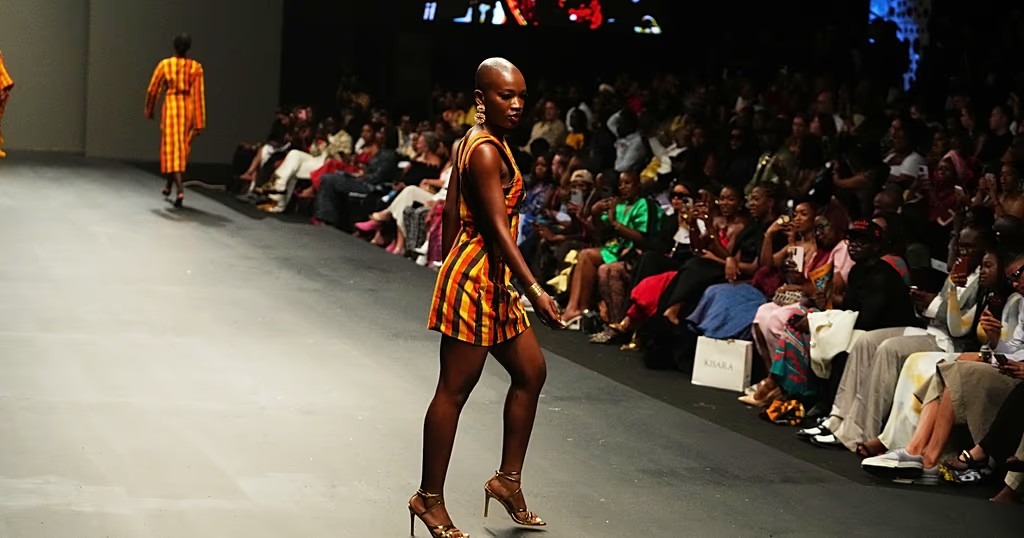
For many cities around the world, fashion has become more than an industry. It is a form of cultural influence, capable of attracting tourism, investment and international attention. Paris, Milan, Lagos and Johannesburg have all leveraged fashion as part of their cultural identities. Increasingly, Pointe-Noire appears to be making a similar case for itself. Known primarily as the Republic of Congo's economic capital and a major port city, Pointe-Noire is gradually expanding its reputation beyond commerce. Through events like the International Fashion Carrousel, the city is positioning itself as an emerging destination for creativity, culture and design.
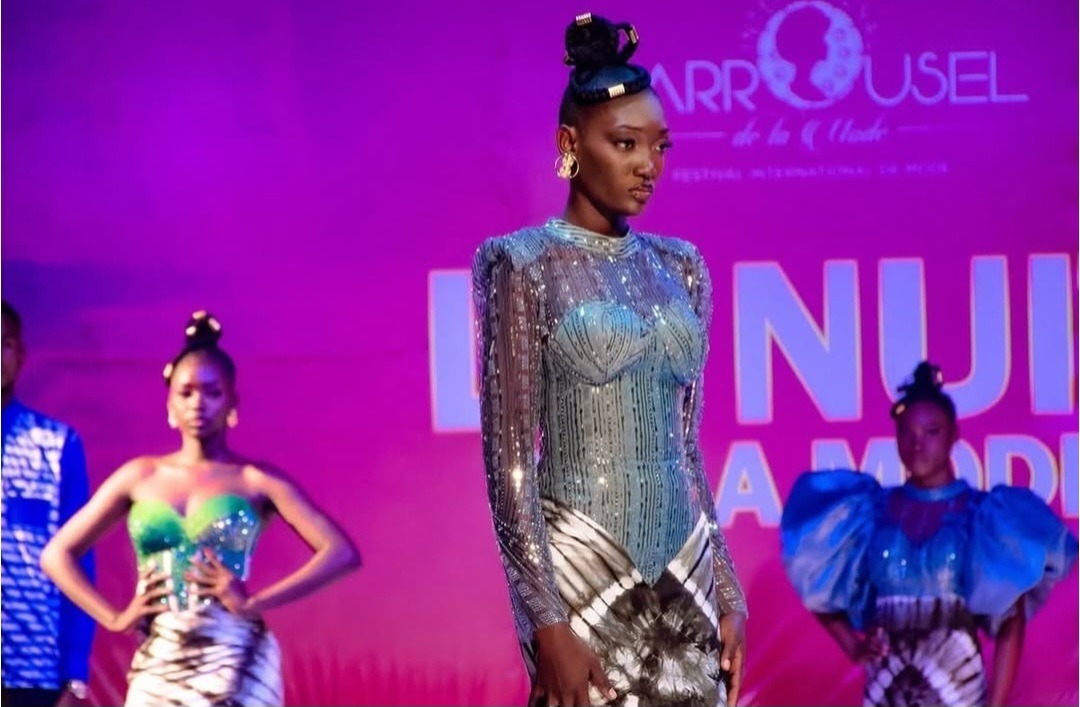
Image Courtesy of Carrousel International de la Model Instagram 

That shift was visible throughout this year's event. African fashion has spent years fighting to be recognized as more than a source of inspiration for global luxury brands. In Pointe-Noire, designers and organizers made it clear that the conversation is changing. The focus is no longer simply on preserving heritage–it is on transforming heritage into value.

Event founder, Pascaline Kabré Turmel, described the gathering as an opportunity for participants to discover and share the textile traditions of their respective countries while introducing those traditions to wider audiences. The ambition is not only cultural visibility but global relevance.

Several collections embodied that vision. Among the standouts was Maison EDI SESSI, whose latest collection,’Tweed Meets Kanvoh,’ reimagined the traditional woven cloth through contemporary tailoring and refined silhouettes, transforming a culturally significant textile into a statement of modern luxury. Beninese fashion house OK Fashion also turned heads with Jeunes Cadres, a collection by creative director Oslo Nassi that fused Kanvoh and industrial Bogolan to explore the relationship between heritage, ambition and contemporary African identity.

Fashion Night also welcomed Burkinabè designer Sébastien Bazemo, who unveiled his exclusive Tigré collection. Named after the Mooré word for "wedding," "celebration," or "gathering," the collection reflected the social and cultural significance of dress through expertly crafted silhouettes and rich textile storytelling. Together, the collections reinforced the event's central theme, demonstrating how African designers continue to reinterpret tradition for a global and increasingly contemporary audience. Throughout the event, the runway served as a showcase of how fashion can preserve tradition while creating new opportunities for local craftsmanship and creative industries.
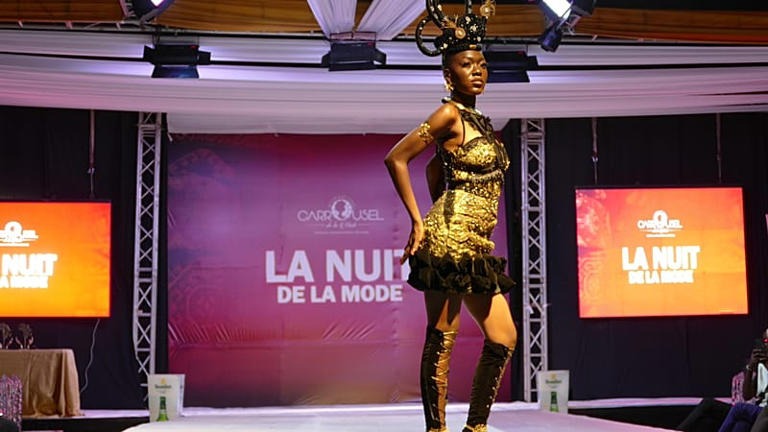
13th Carrousel International de la Mode © cleared

Thirteen editions in, the Carrousel International de la Mode has become more than an annual fashion event. It has evolved into a platform that elevates emerging talent, encourages regional collaboration, and strengthens the city's place within Africa's growing creative economy. Pointe-Noire may not yet sit alongside Lagos or Johannesburg in conversations about African fashion, but events like the Carrousel suggest it is steadily building a reputation of its own. For a city long associated with commerce and industry, its place on Africa's fashion map is becoming increasingly difficult to ignore.

‍IG:@_stanleykilonzo 

The Congolese City Building a Reputation Through Fashion

Authored by
This is some text inside of a div block.

The 13th International Fashion Carrousel highlighted Pointe-Noire's growing influence in African fashion

From June 4–7, Pointe-Noire played host to designers, models, creatives and fashion enthusiasts from across the continent for the 13th edition of the Carrousel International de la Mode, a fashion event that has steadily grown into one of Central Africa's most significant creative gatherings. But beyond the runway shows and textile displays, this year's edition offered something bigger: a glimpse into how fashion is helping reshape Pointe-Noire's identity.

Held under the theme "African Textiles: From Heritage to Global Value," the event celebrated traditional African fabrics while exploring their potential in international markets. Organizers positioned the theme as an invitation for participating countries to showcase their textile heritage and introduce local craftsmanship to broader audiences.

For many cities around the world, fashion has become more than an industry. It is a form of cultural influence, capable of attracting tourism, investment and international attention. Paris, Milan, Lagos and Johannesburg have all leveraged fashion as part of their cultural identities. Increasingly, Pointe-Noire appears to be making a similar case for itself. Known primarily as the Republic of Congo's economic capital and a major port city, Pointe-Noire is gradually expanding its reputation beyond commerce. Through events like the International Fashion Carrousel, the city is positioning itself as an emerging destination for creativity, culture and design.

Image Courtesy of Carrousel International de la Model Instagram 

That shift was visible throughout this year's event. African fashion has spent years fighting to be recognized as more than a source of inspiration for global luxury brands. In Pointe-Noire, designers and organizers made it clear that the conversation is changing. The focus is no longer simply on preserving heritage–it is on transforming heritage into value.

Event founder, Pascaline Kabré Turmel, described the gathering as an opportunity for participants to discover and share the textile traditions of their respective countries while introducing those traditions to wider audiences. The ambition is not only cultural visibility but global relevance.

Several collections embodied that vision. Among the standouts was Maison EDI SESSI, whose latest collection,’Tweed Meets Kanvoh,’ reimagined the traditional woven cloth through contemporary tailoring and refined silhouettes, transforming a culturally significant textile into a statement of modern luxury. Beninese fashion house OK Fashion also turned heads with Jeunes Cadres, a collection by creative director Oslo Nassi that fused Kanvoh and industrial Bogolan to explore the relationship between heritage, ambition and contemporary African identity.

Fashion Night also welcomed Burkinabè designer Sébastien Bazemo, who unveiled his exclusive Tigré collection. Named after the Mooré word for "wedding," "celebration," or "gathering," the collection reflected the social and cultural significance of dress through expertly crafted silhouettes and rich textile storytelling. Together, the collections reinforced the event's central theme, demonstrating how African designers continue to reinterpret tradition for a global and increasingly contemporary audience. Throughout the event, the runway served as a showcase of how fashion can preserve tradition while creating new opportunities for local craftsmanship and creative industries.

13th Carrousel International de la Mode © cleared

Thirteen editions in, the Carrousel International de la Mode has become more than an annual fashion event. It has evolved into a platform that elevates emerging talent, encourages regional collaboration, and strengthens the city's place within Africa's growing creative economy. Pointe-Noire may not yet sit alongside Lagos or Johannesburg in conversations about African fashion, but events like the Carrousel suggest it is steadily building a reputation of its own. For a city long associated with commerce and industry, its place on Africa's fashion map is becoming increasingly difficult to ignore.

‍IG:@_stanleykilonzo 

This is some text inside of a div block.

The Congolese City Building a Reputation Through Fashion

Authored by

The 13th International Fashion Carrousel highlighted Pointe-Noire's growing influence in African fashion

From June 4–7, Pointe-Noire played host to designers, models, creatives and fashion enthusiasts from across the continent for the 13th edition of the Carrousel International de la Mode, a fashion event that has steadily grown into one of Central Africa's most significant creative gatherings. But beyond the runway shows and textile displays, this year's edition offered something bigger: a glimpse into how fashion is helping reshape Pointe-Noire's identity.

Held under the theme "African Textiles: From Heritage to Global Value," the event celebrated traditional African fabrics while exploring their potential in international markets. Organizers positioned the theme as an invitation for participating countries to showcase their textile heritage and introduce local craftsmanship to broader audiences.

For many cities around the world, fashion has become more than an industry. It is a form of cultural influence, capable of attracting tourism, investment and international attention. Paris, Milan, Lagos and Johannesburg have all leveraged fashion as part of their cultural identities. Increasingly, Pointe-Noire appears to be making a similar case for itself. Known primarily as the Republic of Congo's economic capital and a major port city, Pointe-Noire is gradually expanding its reputation beyond commerce. Through events like the International Fashion Carrousel, the city is positioning itself as an emerging destination for creativity, culture and design.

Image Courtesy of Carrousel International de la Model Instagram 

That shift was visible throughout this year's event. African fashion has spent years fighting to be recognized as more than a source of inspiration for global luxury brands. In Pointe-Noire, designers and organizers made it clear that the conversation is changing. The focus is no longer simply on preserving heritage–it is on transforming heritage into value.

Event founder, Pascaline Kabré Turmel, described the gathering as an opportunity for participants to discover and share the textile traditions of their respective countries while introducing those traditions to wider audiences. The ambition is not only cultural visibility but global relevance.

Several collections embodied that vision. Among the standouts was Maison EDI SESSI, whose latest collection,’Tweed Meets Kanvoh,’ reimagined the traditional woven cloth through contemporary tailoring and refined silhouettes, transforming a culturally significant textile into a statement of modern luxury. Beninese fashion house OK Fashion also turned heads with Jeunes Cadres, a collection by creative director Oslo Nassi that fused Kanvoh and industrial Bogolan to explore the relationship between heritage, ambition and contemporary African identity.

Fashion Night also welcomed Burkinabè designer Sébastien Bazemo, who unveiled his exclusive Tigré collection. Named after the Mooré word for "wedding," "celebration," or "gathering," the collection reflected the social and cultural significance of dress through expertly crafted silhouettes and rich textile storytelling. Together, the collections reinforced the event's central theme, demonstrating how African designers continue to reinterpret tradition for a global and increasingly contemporary audience. Throughout the event, the runway served as a showcase of how fashion can preserve tradition while creating new opportunities for local craftsmanship and creative industries.

13th Carrousel International de la Mode © cleared

Thirteen editions in, the Carrousel International de la Mode has become more than an annual fashion event. It has evolved into a platform that elevates emerging talent, encourages regional collaboration, and strengthens the city's place within Africa's growing creative economy. Pointe-Noire may not yet sit alongside Lagos or Johannesburg in conversations about African fashion, but events like the Carrousel suggest it is steadily building a reputation of its own. For a city long associated with commerce and industry, its place on Africa's fashion map is becoming increasingly difficult to ignore.

‍IG:@_stanleykilonzo 

Other Stories
London
London
Lagos
London
Newyork
London
Shop
Join the community.
You are now subscribed to receive updates.
Oops! Something went wrong while submitting the form.