.svg)


With the city stretched out beneath them, skaters, DJs, and fashionistas alike gathered on The Mall Rooftop in Westlands, Nairobi, on April 12th, 2026. Staking claim over everything the light touched, event organisers Jelimo Cheboi and Antoinette Apondi of GirlSkate Nairobi assessed the expanse of East Africa’s creative scene from their throne in the empire. The rapid rise of skating on the continent has reached new heights amongst the youth, through tailored communities inviting people of all interests, ages, and abilities to take part and find a home. What Cheboi and Apondi found, though, was a disconnect between the inclusivity advertised and its reality, particularly in the creative space.
What began as an innocent interest for inclusion and growth has turned into an Eden-esque escape for any creative, honouring the multi-hyphenate, non-confirmative youth in Kenya’s capital. From creating space for women and non-binary people to call home in a male-dominated area to today’s inclusion of music, fashion, and art in their mission, GirlSakte Nairobi’s reach is shedding light on the true vehicle of change, redefining culture for youth in the Eastern region of Africa.
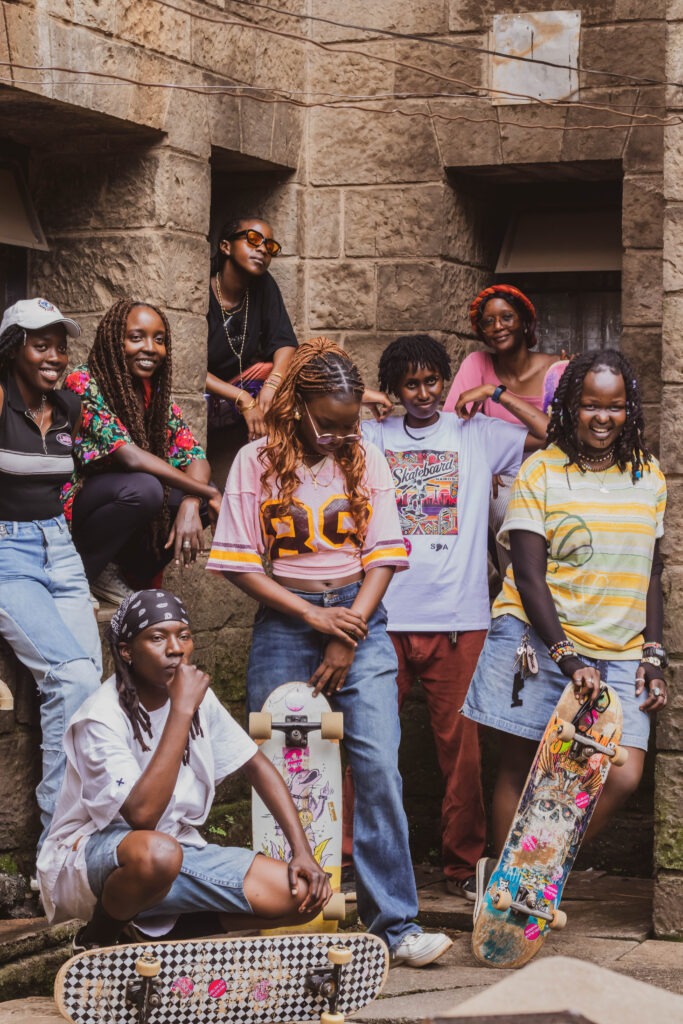
Founded in 2023, GirlSkate has spent the last three years disrupting the marginalisation of women in skateboarding and creative spaces, starting in its home country and spreading abroad. Posting a collection of skating lessons, informative videos, and community events, the organisation was founded on inclusion and has extended its ethos to the East’s blossoming creative economy and more established cities, like London.
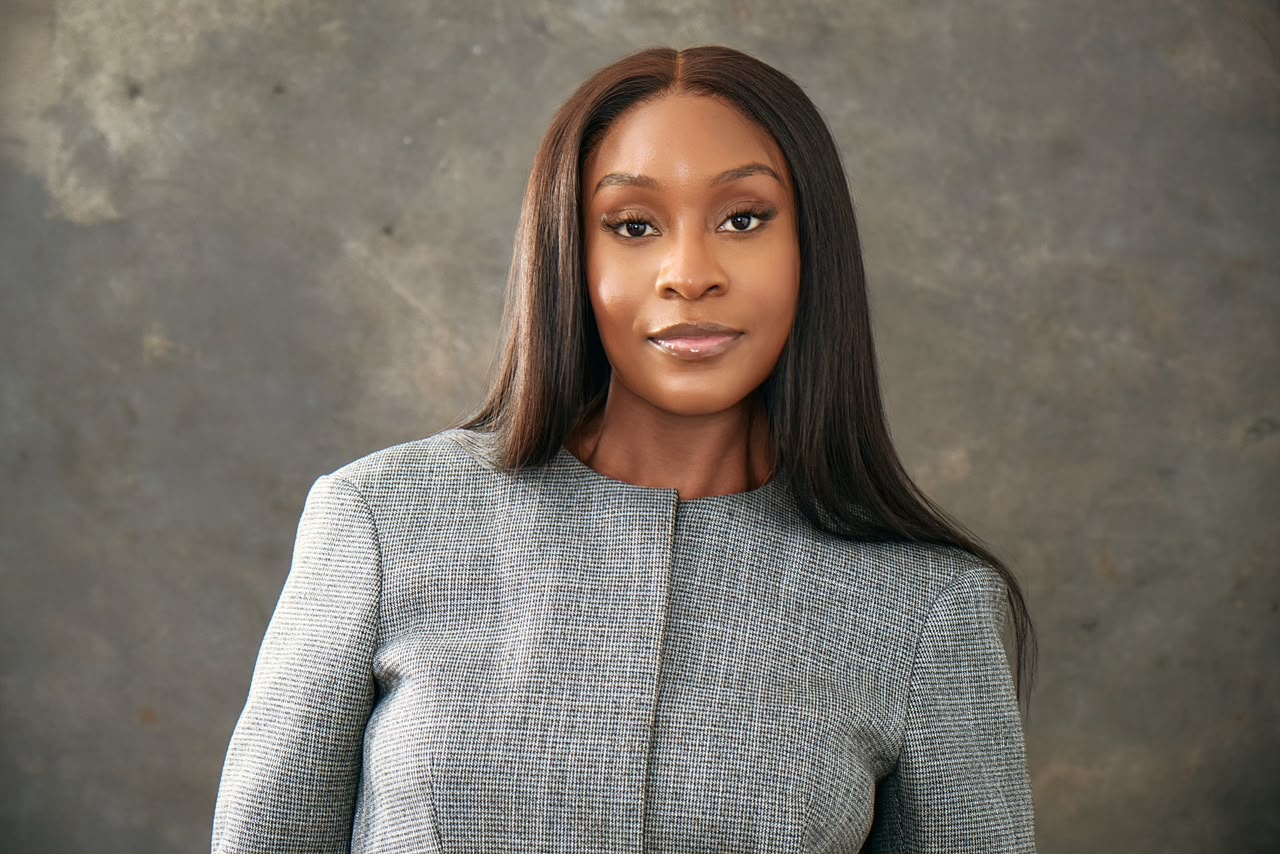
Cheboi, who started skating in 2022, recalled getting her first board, saying, “I had never seen a skateboard before or anyone who skateboarded apart from online or the movies or TV shows.” Today, the story has changed, with women openly skating through the streets and exploring self-expression through the community and opportunities it’s created. Her co-founder, Apondi, has been breaking down boundaries in the skating world and felt like the perfect example of what could be achieved, as she grew up skating - often as the only woman - and has been vital in representation and teaching newcomers. “What we’re doing,” Cheboi says, “is creating a more inclusive culture, where everybody is invited, and anyone can be a part of it.”
Since starting, The Mall has been sort of a ‘home base’ for the organisation. Home to their weekly sessions, lessons, and their Skate & Sound collaboration with Santuri Music Group also based there. The collaboration, intended to inspire a sense of community, brought members of GirlSkate together, creating bonds after expressing one facet of their identities.
“Skateboarding is a very attractive culture that brings in people from all kinds of artistic disciplines. We have people who are skaters and musicians, graffiti artists, fashion designers, fashion stylists, content creators, photographers, videographers - they usually all find themselves in this place… It draws people together into [a] space where there is so much creative energy, and we encourage a lot of creative collaborations and connections.”
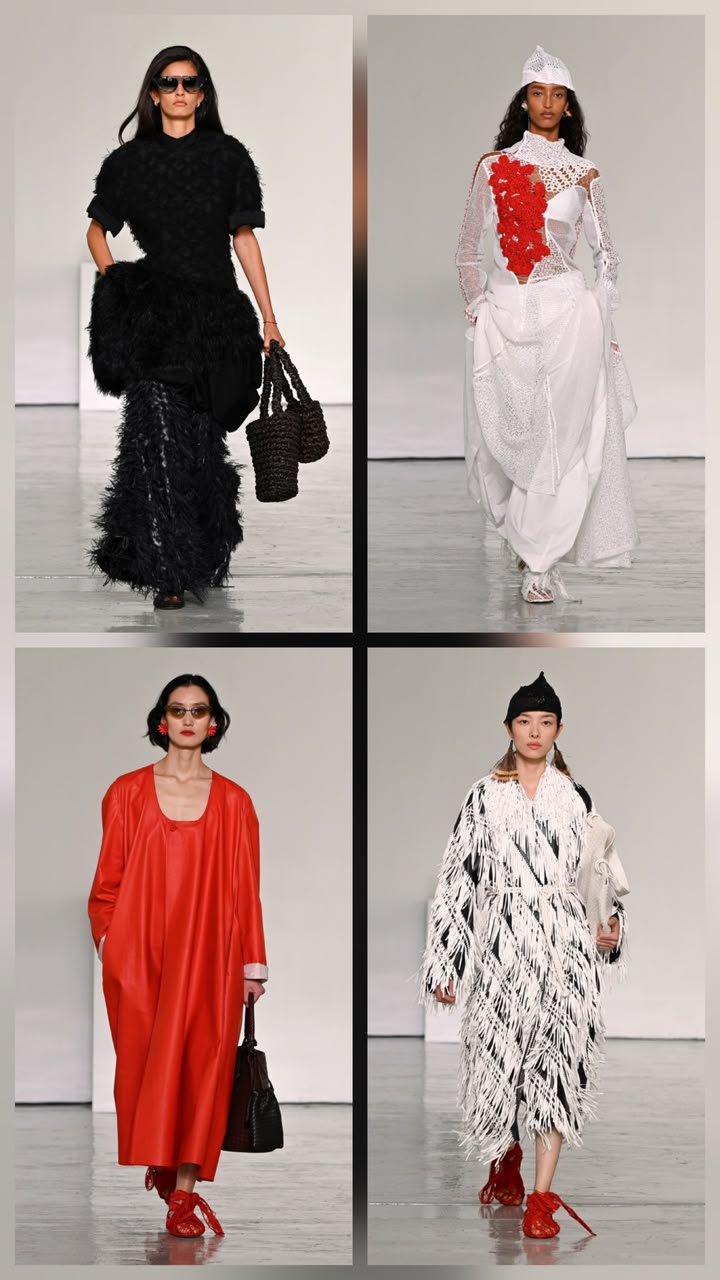
Most recently, in collaboration with the Skateboarding Society of Kenya (SSK), Members of the Earth and GirlSkate welcomed Zimbabwe’s Push Project to the 254, where an impromptu Skate and Sound found skaters as fashion designers and models. Unlike other skate jams hosted by the community, the views and music from the DJ gave way to a runway show of Nairobi-based and Zimbabwean designers spearheading a creative crusade.
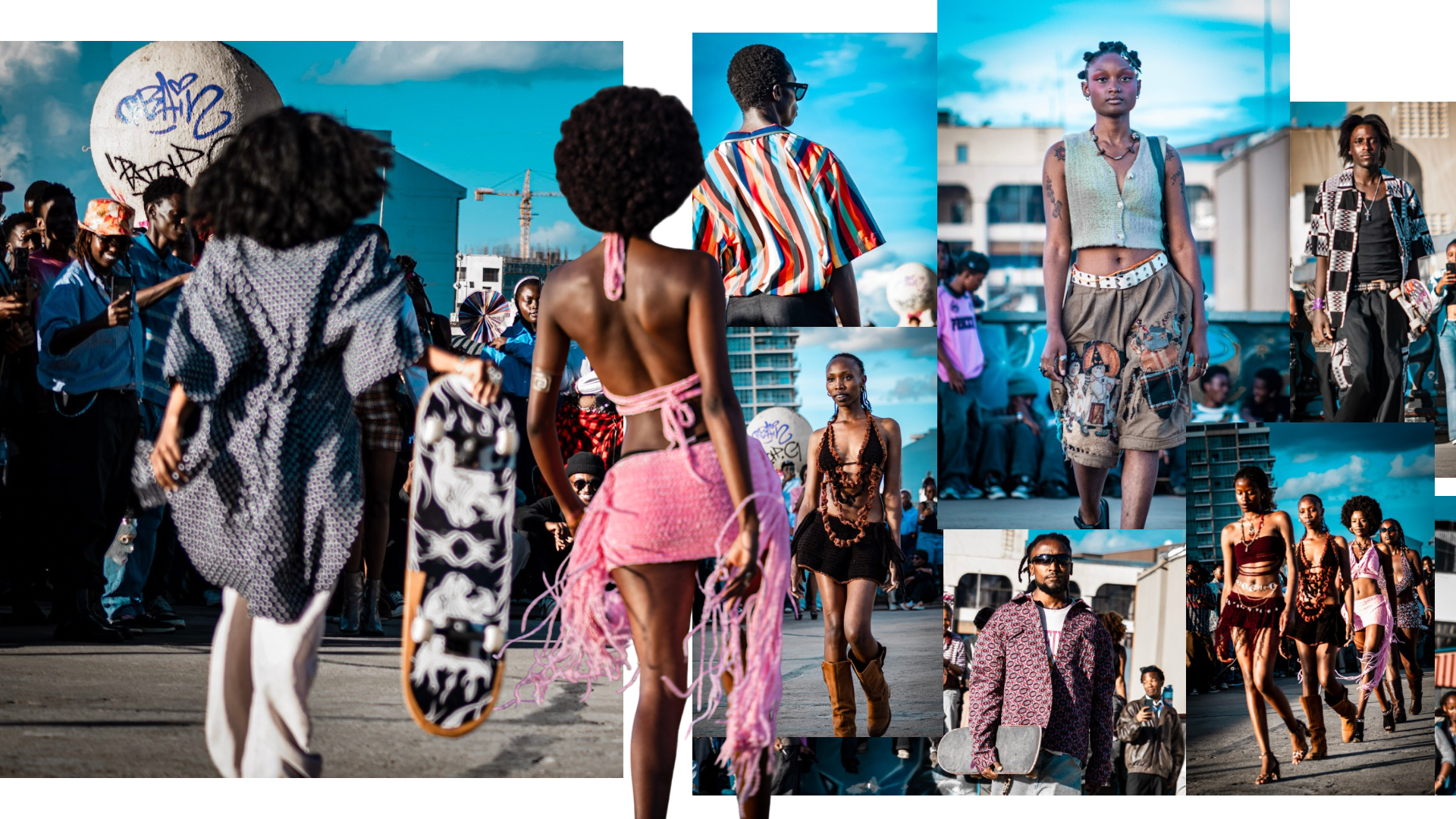
Having caught the attention of VOGUE, the Olympics, and Jordan with their work over the years, GirlSkate’s growing numbers have allowed their vision to follow suit. What are now known as Skate Jams paved the way, allowing aspiring DJs of any gender or skill level to play as skaters and skate enthusiasts hone their skills or catch a vibe. Dressed in popular, homegrown streetwear brands like Studio18 and PE$OS Nairobi, skate skills aren’t the only things expressed against the backdrop of the city’s skyline. Regional collaborations with Rwanda’s Fragile, Uganda-based Tutaabale, and skate shop Skating is Risky! have continued fashion and skating’s affair across borders, with equipment and funding flowing into the community as well.
Larger-scale activations and skate presentations, like Uganda’s annual Nyege Nyege Festival, Tanzania’s Boogie in the Bush events, and the PESOS x Grade Africa Protect the Future Event last month, have brought global eyes, connections, and tourism to the city and the group. Their most recent visit from the London-based skate group, Melanin Skate Gals and Pals, for the Kilele Summit, proves that fact.
Quick as it’s been, though, the birthing pains of the movement have been felt around the continent through the likes of Ethiopia Skate, Nigeria’s Dencity, Surf Ghana, and Skateistan in South Africa, to name a few. Recent statistics show the Middle East & Africa (MEA) skateboard market is expected to reach $224.3 million US dollars by 2030, with specific goals around the continent to recognise skaters to compete and provide representation, particularly as the 2028 Olympics loom.
Continuing to create space and visibility for youth and women amidst this push remains of the utmost importance to Cheboi and Apondi, as well as coping with disparities in equipment, skill growth, and a lack of skate shops.
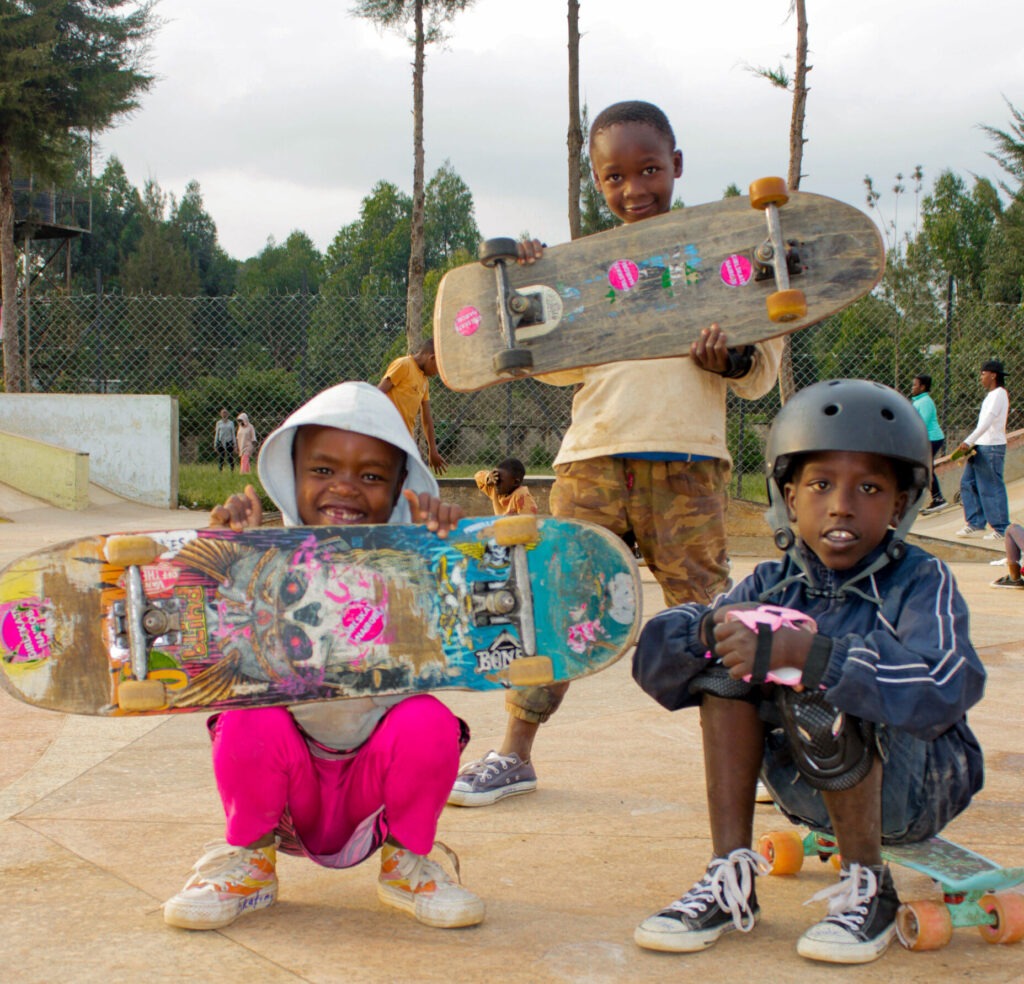
“Gaining global recognition is very important because it shows that we are legit - that what we’re doing is [valued] on a public stage. It grows our reach and makes people know that skateboarding exists in Nairobi and in Kenya. That women are running the scene itself. There’s more opportunity that comes with it - we get more partnerships and people [who] want to work with us. Or they want to fund what we’re doing because it’s really difficult to work without any support. ”
As they look to the future, GirlSkate sees skating in the stars. Cheboi said, “I can’t even believe that this happened in a few years...it’s really grown, and it’s opened up so many possibilities. Now every time we have events or skate jams, we have women participating, women are organising - previously, this was a dream. It wasn’t even possible for women to participate or compete against or [at] the same time as men.”
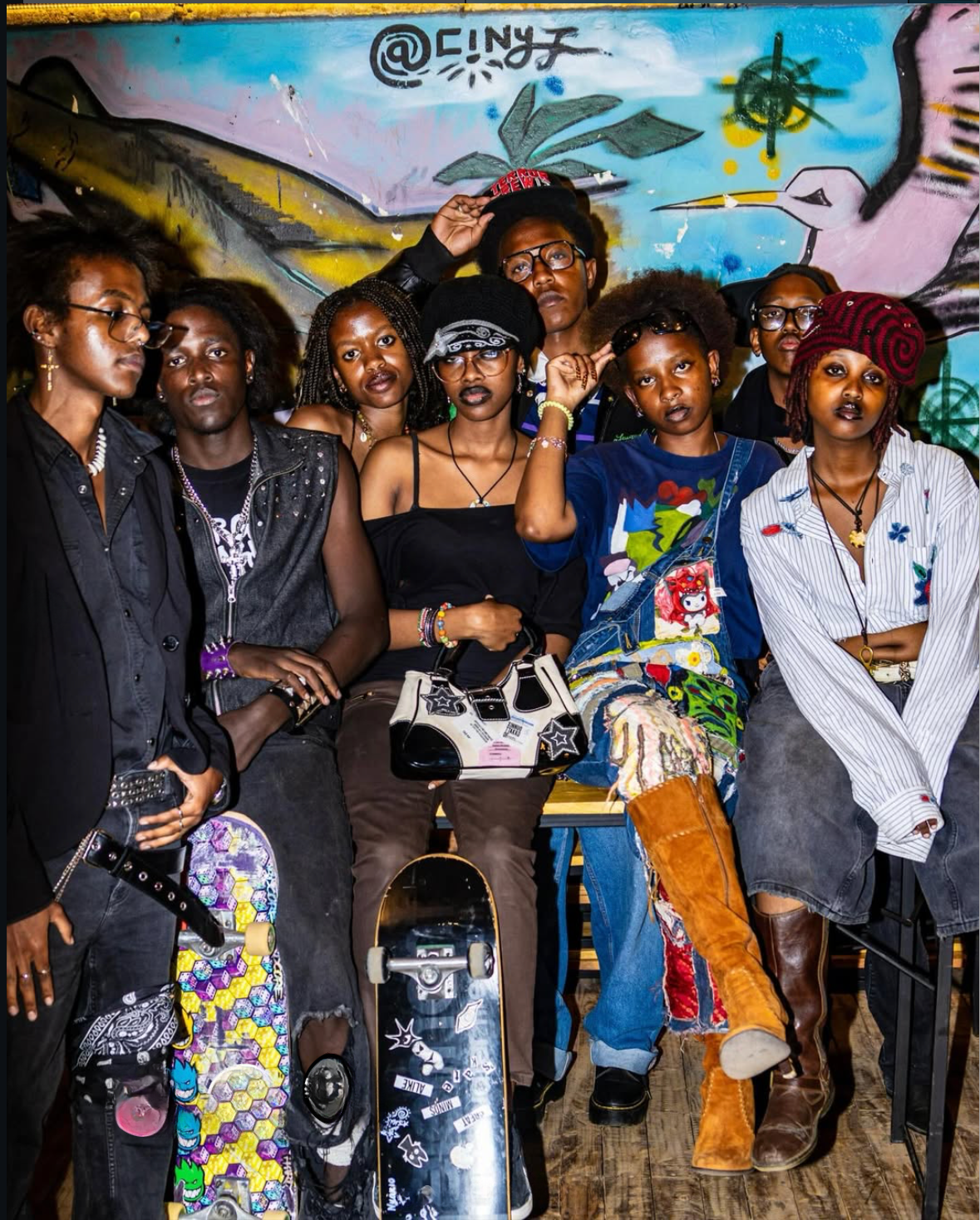
A recent grant awarded by a French organisation, SOA Paris, has given them the funding they need to host a pilot project in June, aimed at improving their skaters’ skillsets. “For now,” Cheboi said, “we’ve definitely shattered a lot of stereotypes and [stigmas]... we’ve won awards to do this, so I think there’s nothing stopping us now.”
IG: @clungaho


.png)

