
The Fragmentation of Afrobeats and what may be its future.

For years, Afrobeats has travelled globally as a relatively unified cultural export. With sounds rhythmic, vibrant, and immediately recognisable, rooted in dance music, movement, optimism, and charisma. As artists experiment with different influences, Afrobeats remained a recognisable centre to what the world understood as a polished but collective image of African cool. 

However, something has changed in the Nigerian pop culture over the last few decades, and it is recognisable. Its biggest stars no longer sound alike, market themselves alike, or even emotionally represent Africa in the same way. The rise of Asake, Rema and Tems suggests that Nigerian music is entering a new phase where artists are no longer giving the same version of African identity to the world. This is not the collapse of Afrobeats. It’s the fragmentation which may be the clearest indicator that Nigerian pop culture is maturing. 

For a long time, African artists have been expected to function as cultural representatives before they could exist as individuals. Global success often came with the burden of how their music had to “introduce” Africa to the world in ways that their international audience could understand comfortably. The pressure to remain recognisably  African while sounding globally accessible shone brightly, which is why they had to conform because the industry rewarded familiarity. 

The new generation of Nigerian artists is beginning to erase and reject that collective responsibility. They are onto building distinct artistic worlds instead. 

                               Photo credit: Threads 

Rema is one of the artists who barely behaves as if he is interested in preserving traditional ideas for the African market. His music draws inspiration from Afrobeats, trap, futuristic pop production and internet-age, chaos all at once. Visually, he operates less like a traditional Popstar and more like a digitally assembled global youth figure with his Gothic styling, anime reference, rebellious unpredictability and emotionally unstable aesthetics.

What Rema makes important is not his commercial success. It is what his success represents culturally. He signals the arrival of a Nigerian artist who is no longer interested in explaining Africa to the world. His music asks to be consumed on its own terms. 
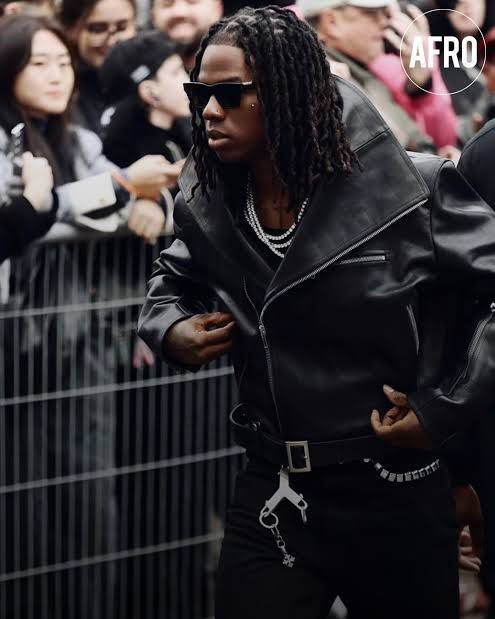
  Photo credit: Afro

The confidence marks a shift. Earlier generations of Nigerian stars often presented Africanness as a collective identity. Rema presents identity as fluid, fragmented and personal. His music does not ask to be interpreted through the lens of “African authenticity”. It asks to be consumed as culture on its own terms. In many ways, he represents the internetification of Nigerian pop culture, an era where artists are shaped as much by online subculture as they are by local musical traditions. And there is Asake, who appears to move in a completely different direction. 

 Photo credit: LAMAG

Where Rema feels culturally borderless, Asake feels aggressively rooted, and he explores it. His music is packed with Yoruba slang, Fuji cadences, street spirituality and local textures that would once have been considered too culturally specific for mainstream global crossover. Yet it travels anyway. 

This is what makes Asake important. For years, there was an unspoken assumption that global success required dilution, where African artists could succeed internationally, but only after softening the local edges of their sound. However, Asake’s rise disrupts this logic completely. Instead of reducing cultural specificity, he intensifies it. Quietly, it has been proven that as he doubles down on local language, rhythm and identity, the audience across the world is willing to engage with Nigerian music without demanding translation first. This matters as it reflects a broader cultural power shift. 

 Photo credit: BRIT Awards

Tems represents the most radical of all. Unlike older expectations placed on African stars, Tems does not perform exuberance for a global audience. Her music is restrained, atmospheric and emotionally inward. She comes through feelings rather than spectacle. Even her vocal delivery resists excess. 

 Photo credit: Temsbaby on Instagram

What Tems exports is not just sound but mood. This distinction reveals how pop culture is becoming increasingly individualistic. Tems operate from introspection.  Her artistry is rooted in solitude, vulnerability and emotional ambiguity. She is not trying to embody a continent; she is trying to express herself. And the global audience is responding to that, honestly. 

Together, Rema, Asake and Tems reveal a setting larger than musical diversity. They reveal the collapse of a singular African pop identity. This may sound alarming to people invested in preserving Afrobeats as a stable cultural category, but it is a sign of creative expansion. Mature cultural industries do not produce one aesthetic language forever; instead, they diversify and create subcultures, contradictions and competing artistic identities. American pop music does not sound one way, nor does Latin or K-pop, which are increasingly fragmented. Nigerian music would inevitably reach this point. 

This is why conversations about Nigerian music often feel confused right now. The category itself is struggling to contain the reality of what Nigerian artists are becoming. The confusion, however, is necessary because Nigerian pop culture is not a singular sound. 

The fragmentation of Afrobeats should not be mistaken for weakness. It is evidence that the culture is becoming expansive enough to contain multiple selves at once. Nigerian music is no longer exporting one African identity to the world. It is exporting individuals.

 IG: anuhola_

The Fragmentation of Afrobeats and what may be its future.

This is some text inside of a div block.

For years, Afrobeats has travelled globally as a relatively unified cultural export. With sounds rhythmic, vibrant, and immediately recognisable, rooted in dance music, movement, optimism, and charisma. As artists experiment with different influences, Afrobeats remained a recognisable centre to what the world understood as a polished but collective image of African cool. 

However, something has changed in the Nigerian pop culture over the last few decades, and it is recognisable. Its biggest stars no longer sound alike, market themselves alike, or even emotionally represent Africa in the same way. The rise of Asake, Rema and Tems suggests that Nigerian music is entering a new phase where artists are no longer giving the same version of African identity to the world. This is not the collapse of Afrobeats. It’s the fragmentation which may be the clearest indicator that Nigerian pop culture is maturing. 

For a long time, African artists have been expected to function as cultural representatives before they could exist as individuals. Global success often came with the burden of how their music had to “introduce” Africa to the world in ways that their international audience could understand comfortably. The pressure to remain recognisably  African while sounding globally accessible shone brightly, which is why they had to conform because the industry rewarded familiarity. 

The new generation of Nigerian artists is beginning to erase and reject that collective responsibility. They are onto building distinct artistic worlds instead. 

                               Photo credit: Threads 

Rema is one of the artists who barely behaves as if he is interested in preserving traditional ideas for the African market. His music draws inspiration from Afrobeats, trap, futuristic pop production and internet-age, chaos all at once. Visually, he operates less like a traditional Popstar and more like a digitally assembled global youth figure with his Gothic styling, anime reference, rebellious unpredictability and emotionally unstable aesthetics.

What Rema makes important is not his commercial success. It is what his success represents culturally. He signals the arrival of a Nigerian artist who is no longer interested in explaining Africa to the world. His music asks to be consumed on its own terms. 

  Photo credit: Afro

The confidence marks a shift. Earlier generations of Nigerian stars often presented Africanness as a collective identity. Rema presents identity as fluid, fragmented and personal. His music does not ask to be interpreted through the lens of “African authenticity”. It asks to be consumed as culture on its own terms. In many ways, he represents the internetification of Nigerian pop culture, an era where artists are shaped as much by online subculture as they are by local musical traditions. And there is Asake, who appears to move in a completely different direction. 

 Photo credit: LAMAG

Where Rema feels culturally borderless, Asake feels aggressively rooted, and he explores it. His music is packed with Yoruba slang, Fuji cadences, street spirituality and local textures that would once have been considered too culturally specific for mainstream global crossover. Yet it travels anyway. 

This is what makes Asake important. For years, there was an unspoken assumption that global success required dilution, where African artists could succeed internationally, but only after softening the local edges of their sound. However, Asake’s rise disrupts this logic completely. Instead of reducing cultural specificity, he intensifies it. Quietly, it has been proven that as he doubles down on local language, rhythm and identity, the audience across the world is willing to engage with Nigerian music without demanding translation first. This matters as it reflects a broader cultural power shift. 

 Photo credit: BRIT Awards

Tems represents the most radical of all. Unlike older expectations placed on African stars, Tems does not perform exuberance for a global audience. Her music is restrained, atmospheric and emotionally inward. She comes through feelings rather than spectacle. Even her vocal delivery resists excess. 

 Photo credit: Temsbaby on Instagram

What Tems exports is not just sound but mood. This distinction reveals how pop culture is becoming increasingly individualistic. Tems operate from introspection.  Her artistry is rooted in solitude, vulnerability and emotional ambiguity. She is not trying to embody a continent; she is trying to express herself. And the global audience is responding to that, honestly. 

Together, Rema, Asake and Tems reveal a setting larger than musical diversity. They reveal the collapse of a singular African pop identity. This may sound alarming to people invested in preserving Afrobeats as a stable cultural category, but it is a sign of creative expansion. Mature cultural industries do not produce one aesthetic language forever; instead, they diversify and create subcultures, contradictions and competing artistic identities. American pop music does not sound one way, nor does Latin or K-pop, which are increasingly fragmented. Nigerian music would inevitably reach this point. 

This is why conversations about Nigerian music often feel confused right now. The category itself is struggling to contain the reality of what Nigerian artists are becoming. The confusion, however, is necessary because Nigerian pop culture is not a singular sound. 

The fragmentation of Afrobeats should not be mistaken for weakness. It is evidence that the culture is becoming expansive enough to contain multiple selves at once. Nigerian music is no longer exporting one African identity to the world. It is exporting individuals.

 IG: anuhola_
This is some text inside of a div block.

The Fragmentation of Afrobeats and what may be its future.

For years, Afrobeats has travelled globally as a relatively unified cultural export. With sounds rhythmic, vibrant, and immediately recognisable, rooted in dance music, movement, optimism, and charisma. As artists experiment with different influences, Afrobeats remained a recognisable centre to what the world understood as a polished but collective image of African cool. 

However, something has changed in the Nigerian pop culture over the last few decades, and it is recognisable. Its biggest stars no longer sound alike, market themselves alike, or even emotionally represent Africa in the same way. The rise of Asake, Rema and Tems suggests that Nigerian music is entering a new phase where artists are no longer giving the same version of African identity to the world. This is not the collapse of Afrobeats. It’s the fragmentation which may be the clearest indicator that Nigerian pop culture is maturing. 

For a long time, African artists have been expected to function as cultural representatives before they could exist as individuals. Global success often came with the burden of how their music had to “introduce” Africa to the world in ways that their international audience could understand comfortably. The pressure to remain recognisably  African while sounding globally accessible shone brightly, which is why they had to conform because the industry rewarded familiarity. 

The new generation of Nigerian artists is beginning to erase and reject that collective responsibility. They are onto building distinct artistic worlds instead. 

                               Photo credit: Threads 

Rema is one of the artists who barely behaves as if he is interested in preserving traditional ideas for the African market. His music draws inspiration from Afrobeats, trap, futuristic pop production and internet-age, chaos all at once. Visually, he operates less like a traditional Popstar and more like a digitally assembled global youth figure with his Gothic styling, anime reference, rebellious unpredictability and emotionally unstable aesthetics.

What Rema makes important is not his commercial success. It is what his success represents culturally. He signals the arrival of a Nigerian artist who is no longer interested in explaining Africa to the world. His music asks to be consumed on its own terms. 

  Photo credit: Afro

The confidence marks a shift. Earlier generations of Nigerian stars often presented Africanness as a collective identity. Rema presents identity as fluid, fragmented and personal. His music does not ask to be interpreted through the lens of “African authenticity”. It asks to be consumed as culture on its own terms. In many ways, he represents the internetification of Nigerian pop culture, an era where artists are shaped as much by online subculture as they are by local musical traditions. And there is Asake, who appears to move in a completely different direction. 

 Photo credit: LAMAG

Where Rema feels culturally borderless, Asake feels aggressively rooted, and he explores it. His music is packed with Yoruba slang, Fuji cadences, street spirituality and local textures that would once have been considered too culturally specific for mainstream global crossover. Yet it travels anyway. 

This is what makes Asake important. For years, there was an unspoken assumption that global success required dilution, where African artists could succeed internationally, but only after softening the local edges of their sound. However, Asake’s rise disrupts this logic completely. Instead of reducing cultural specificity, he intensifies it. Quietly, it has been proven that as he doubles down on local language, rhythm and identity, the audience across the world is willing to engage with Nigerian music without demanding translation first. This matters as it reflects a broader cultural power shift. 

 Photo credit: BRIT Awards

Tems represents the most radical of all. Unlike older expectations placed on African stars, Tems does not perform exuberance for a global audience. Her music is restrained, atmospheric and emotionally inward. She comes through feelings rather than spectacle. Even her vocal delivery resists excess. 

 Photo credit: Temsbaby on Instagram

What Tems exports is not just sound but mood. This distinction reveals how pop culture is becoming increasingly individualistic. Tems operate from introspection.  Her artistry is rooted in solitude, vulnerability and emotional ambiguity. She is not trying to embody a continent; she is trying to express herself. And the global audience is responding to that, honestly. 

Together, Rema, Asake and Tems reveal a setting larger than musical diversity. They reveal the collapse of a singular African pop identity. This may sound alarming to people invested in preserving Afrobeats as a stable cultural category, but it is a sign of creative expansion. Mature cultural industries do not produce one aesthetic language forever; instead, they diversify and create subcultures, contradictions and competing artistic identities. American pop music does not sound one way, nor does Latin or K-pop, which are increasingly fragmented. Nigerian music would inevitably reach this point. 

This is why conversations about Nigerian music often feel confused right now. The category itself is struggling to contain the reality of what Nigerian artists are becoming. The confusion, however, is necessary because Nigerian pop culture is not a singular sound. 

The fragmentation of Afrobeats should not be mistaken for weakness. It is evidence that the culture is becoming expansive enough to contain multiple selves at once. Nigerian music is no longer exporting one African identity to the world. It is exporting individuals.

 IG: anuhola_

Other Stories
London
London
Lagos
London
Newyork
London
Shop
Join the community.
You are now subscribed to receive updates.
Oops! Something went wrong while submitting the form.