The Hits That Defined Two Decades of Timaya

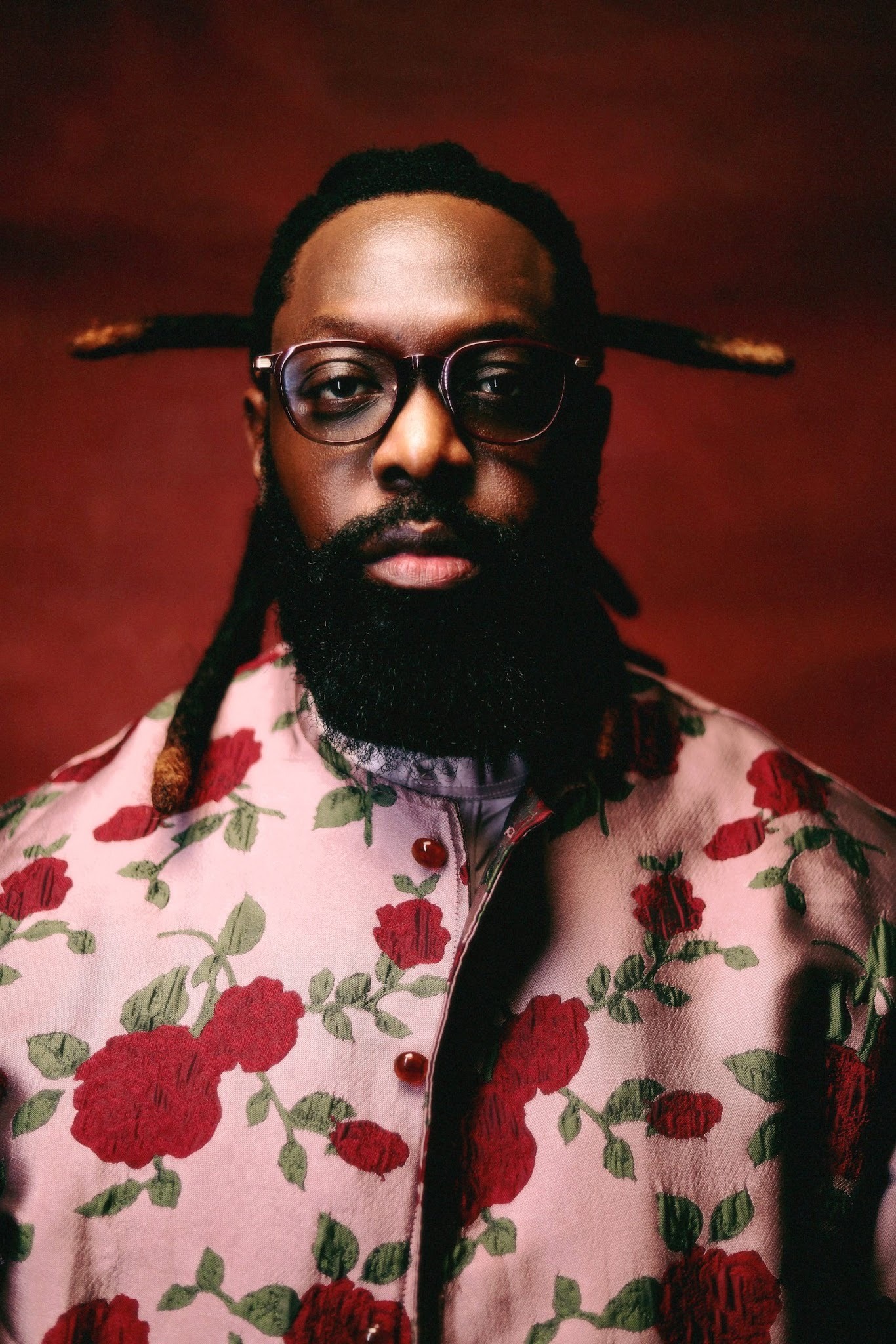
Twenty years after he stepped into the Nigerian music industry, Timaya is celebrating a career that has moved from dancehall, reggae, Afrobeats and Nigerian Pop without settling in one box. 

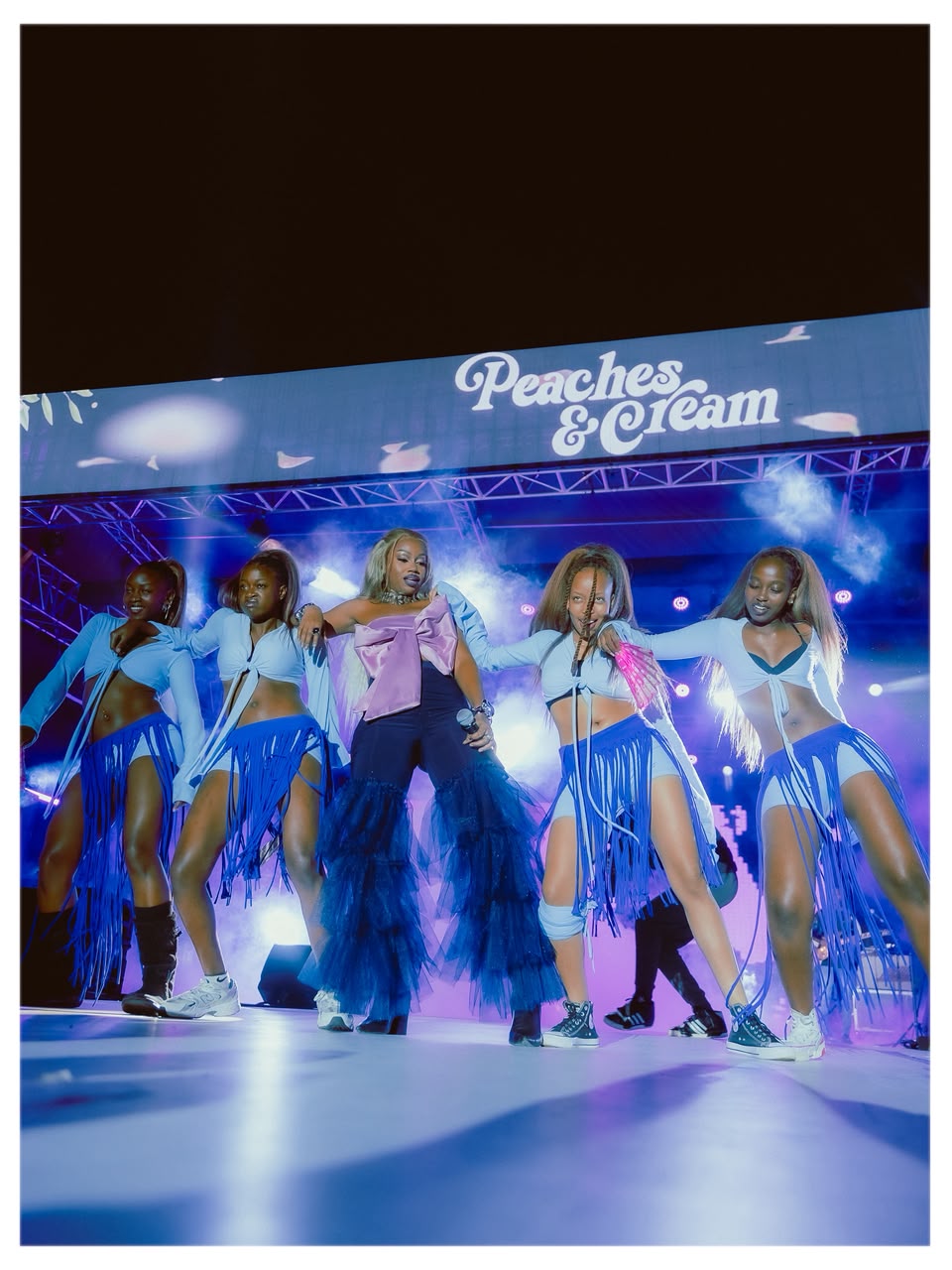
Last Saturday the Bayelsa-born singer marked two decades on stage with a special performance at Indigo, The 02 Arena in London, bringing together the music that carried him from his early days as “Plantain Boy”

His solo career began in 2005 when he dropped Dem Mama, a song that showed he was willing to confront serious subjects. The record, which addressed the Odi Massacre, became the foundation for his debut album “True Storywhich was released the following year. 

                                                        Photo credit: The Guardian

Gift and Grace ”, followed in 2008 before  “De Rebirthexpanded his reach with Plantain Boy”, a record that cemented his streetwise personality and dancehall-infected sound that became central to his identity.

By the time Long Life N’ Prosperity and “Upgrade” arrived, Timaya had established himself as an artist that is capable of turning everyday Nigerian language, slang and experience into songs and records that were built for movement.

Upgrade ”, released in 2012 produced Bum Bum”, one of the songs that became synonymous with his name and got an international remix that featured Jamaican dancehall star, Sean Paul. 
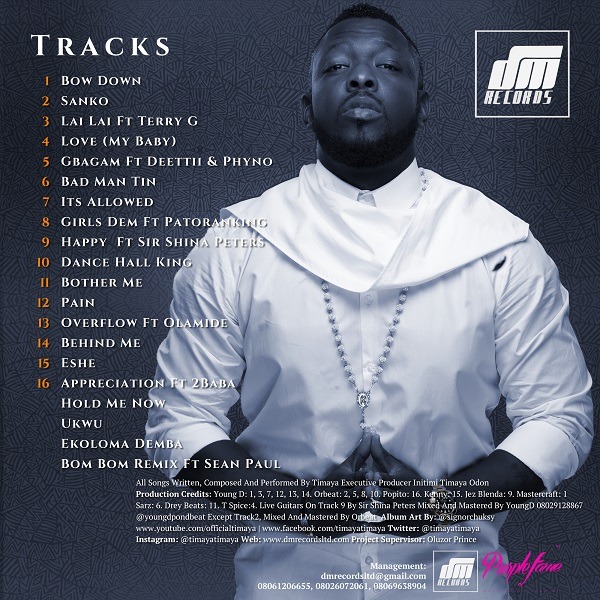
                                                            Photo credit: Epiphany Album Cover

His 2014 album, Epiphanycontinued the run with Sanko while bringing together collaborations with artists including 2Baba, Olamide, Phyno, Patoranking, Terry G and Sir Shina Peters. The album reflected Timaya’s ability to move between Nigerian pop and Carribean-influenced sounds without losing the identity he had built for himself. 

After several years of singles and collaborations, Timaya returned with Chulo Vibes  in 2019, an EP that featured Burna Boy, Machel Montano and Alikiba. A year later, Gratitude   was born which included “Gra Gra”, “Balance”, “I can’t kill myself”, “Don Dada”,  and Born To Win”. 

His catalogue continued to grow with Gladiator  , released in 2024. The album had featured collaborations with Tiwa Savage, Olamide, Phyno, Konshens, Enugu and Mr Killa, which included songs like Get My Money Right”, “Sweet Us ”, “Dey Your Dey and In My Head”. 

Even with the fast changing sounds and beats, Timaya continued releasing music in his own style. His recent catalogue includes Big Man Ting”, with Skiibi and Teni, Patek with DJ Obi, Odeshi  with Flavour and Yung Alpha and his 2026 single Only God ”. 

Twenty years in, Timaya’s catalogue tells the story of an artist who has consistently adapted without abandoning the sound that first made him recognized. From Dem Mama, to Bum Bum, Sanko, I Can’t Kill Myself and Only God, the records chart more than just a career, they document sounds and moments that shaped Timaya as a person, brand and career over the last two decades.

His London anniversary was therefore a celebration of longevity, effort and adaptability.  It was also a reminder of how much music Timaya has posited intro the Nigerian soundscape and how many of his songs have become a part of the soundtrack for 20 years. 

The Hits That Defined Two Decades of Timaya

This is some text inside of a div block.

Twenty years after he stepped into the Nigerian music industry, Timaya is celebrating a career that has moved from dancehall, reggae, Afrobeats and Nigerian Pop without settling in one box. 

Last Saturday the Bayelsa-born singer marked two decades on stage with a special performance at Indigo, The 02 Arena in London, bringing together the music that carried him from his early days as “Plantain Boy”

His solo career began in 2005 when he dropped Dem Mama, a song that showed he was willing to confront serious subjects. The record, which addressed the Odi Massacre, became the foundation for his debut album “True Storywhich was released the following year. 

                                                        Photo credit: The Guardian

Gift and Grace ”, followed in 2008 before  “De Rebirthexpanded his reach with Plantain Boy”, a record that cemented his streetwise personality and dancehall-infected sound that became central to his identity.

By the time Long Life N’ Prosperity and “Upgrade” arrived, Timaya had established himself as an artist that is capable of turning everyday Nigerian language, slang and experience into songs and records that were built for movement.

Upgrade ”, released in 2012 produced Bum Bum”, one of the songs that became synonymous with his name and got an international remix that featured Jamaican dancehall star, Sean Paul. 

                                                            Photo credit: Epiphany Album Cover

His 2014 album, Epiphanycontinued the run with Sanko while bringing together collaborations with artists including 2Baba, Olamide, Phyno, Patoranking, Terry G and Sir Shina Peters. The album reflected Timaya’s ability to move between Nigerian pop and Carribean-influenced sounds without losing the identity he had built for himself. 

After several years of singles and collaborations, Timaya returned with Chulo Vibes  in 2019, an EP that featured Burna Boy, Machel Montano and Alikiba. A year later, Gratitude   was born which included “Gra Gra”, “Balance”, “I can’t kill myself”, “Don Dada”,  and Born To Win”. 

His catalogue continued to grow with Gladiator  , released in 2024. The album had featured collaborations with Tiwa Savage, Olamide, Phyno, Konshens, Enugu and Mr Killa, which included songs like Get My Money Right”, “Sweet Us ”, “Dey Your Dey and In My Head”. 

Even with the fast changing sounds and beats, Timaya continued releasing music in his own style. His recent catalogue includes Big Man Ting”, with Skiibi and Teni, Patek with DJ Obi, Odeshi  with Flavour and Yung Alpha and his 2026 single Only God ”. 

Twenty years in, Timaya’s catalogue tells the story of an artist who has consistently adapted without abandoning the sound that first made him recognized. From Dem Mama, to Bum Bum, Sanko, I Can’t Kill Myself and Only God, the records chart more than just a career, they document sounds and moments that shaped Timaya as a person, brand and career over the last two decades.

His London anniversary was therefore a celebration of longevity, effort and adaptability.  It was also a reminder of how much music Timaya has posited intro the Nigerian soundscape and how many of his songs have become a part of the soundtrack for 20 years. 

This is some text inside of a div block.

The Hits That Defined Two Decades of Timaya

Twenty years after he stepped into the Nigerian music industry, Timaya is celebrating a career that has moved from dancehall, reggae, Afrobeats and Nigerian Pop without settling in one box. 

Last Saturday the Bayelsa-born singer marked two decades on stage with a special performance at Indigo, The 02 Arena in London, bringing together the music that carried him from his early days as “Plantain Boy”

His solo career began in 2005 when he dropped Dem Mama, a song that showed he was willing to confront serious subjects. The record, which addressed the Odi Massacre, became the foundation for his debut album “True Storywhich was released the following year. 

                                                        Photo credit: The Guardian

Gift and Grace ”, followed in 2008 before  “De Rebirthexpanded his reach with Plantain Boy”, a record that cemented his streetwise personality and dancehall-infected sound that became central to his identity.

By the time Long Life N’ Prosperity and “Upgrade” arrived, Timaya had established himself as an artist that is capable of turning everyday Nigerian language, slang and experience into songs and records that were built for movement.

Upgrade ”, released in 2012 produced Bum Bum”, one of the songs that became synonymous with his name and got an international remix that featured Jamaican dancehall star, Sean Paul. 

                                                            Photo credit: Epiphany Album Cover

His 2014 album, Epiphanycontinued the run with Sanko while bringing together collaborations with artists including 2Baba, Olamide, Phyno, Patoranking, Terry G and Sir Shina Peters. The album reflected Timaya’s ability to move between Nigerian pop and Carribean-influenced sounds without losing the identity he had built for himself. 

After several years of singles and collaborations, Timaya returned with Chulo Vibes  in 2019, an EP that featured Burna Boy, Machel Montano and Alikiba. A year later, Gratitude   was born which included “Gra Gra”, “Balance”, “I can’t kill myself”, “Don Dada”,  and Born To Win”. 

His catalogue continued to grow with Gladiator  , released in 2024. The album had featured collaborations with Tiwa Savage, Olamide, Phyno, Konshens, Enugu and Mr Killa, which included songs like Get My Money Right”, “Sweet Us ”, “Dey Your Dey and In My Head”. 

Even with the fast changing sounds and beats, Timaya continued releasing music in his own style. His recent catalogue includes Big Man Ting”, with Skiibi and Teni, Patek with DJ Obi, Odeshi  with Flavour and Yung Alpha and his 2026 single Only God ”. 

Twenty years in, Timaya’s catalogue tells the story of an artist who has consistently adapted without abandoning the sound that first made him recognized. From Dem Mama, to Bum Bum, Sanko, I Can’t Kill Myself and Only God, the records chart more than just a career, they document sounds and moments that shaped Timaya as a person, brand and career over the last two decades.

His London anniversary was therefore a celebration of longevity, effort and adaptability.  It was also a reminder of how much music Timaya has posited intro the Nigerian soundscape and how many of his songs have become a part of the soundtrack for 20 years. 

Other Stories
London
London
Lagos
London
Newyork
London
Shop
Join the community.
You are now subscribed to receive updates.
Oops! Something went wrong while submitting the form.