.svg)

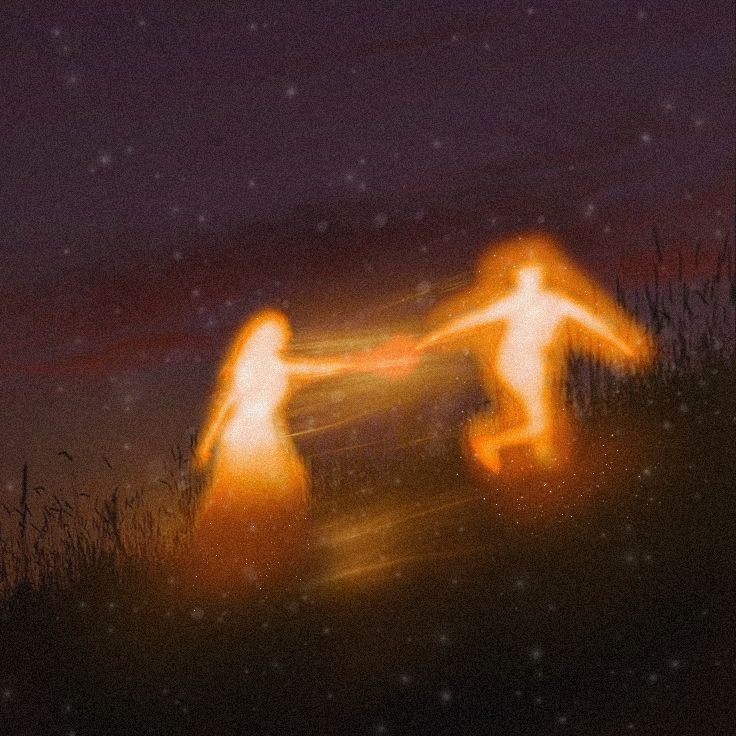
I’ve noticed a pattern in our generation, myself included. We crave love, yet we aren't ready for commitment. This isn’t just about romance; it cuts across friendships and platonic bonds, too. Everyone is avoiding getting hurt. Everyone is "protecting their peace." Somehow, we are all playing games with the people we actually care about. But if no one is willing to get hurt, who is supposed to feel anything at all? I remember a friend once told me, “Love is war.” I disagree. Love isn’t war. Love is selflessness. It’s the willingness to meet people in their language, not just ours.
“Curated Playlist: Ready For Love
Need a reminder of what honest, selfless love sounds like? These tracks embody the commitment and romance we should strive for”
Instead of keeping score, true selflessness means choosing to show up authentically, regardless of the immediate return. It is the courage to give 100% of your current capacity to a person or a bond simply because you value them. This level of investment is what builds resilient relationships, whether they are platonic or romantic. It moves beyond the idea of "I will only give if I am guaranteed safety," and instead embraces the beautiful, messy reality that love is a risk worth taking.
A recent article on psychotherapy for young women explained our generation’s dilemma perfectly: “Many young adults tell me that they’d rather appear “unbothered” than risk caring too much. The language of Gen Z dating (ghosting, zombieing, sneaky links) reflects this tension between wanting closeness and fearing rejection. Emotional safety often feels harder to find than physical connection.
There’s also a cultural shift underneath all this. This generation came of age in a world of constant comparison and exposure. Where love and heartbreak can easily go viral. Vulnerability has become synonymous with risk, and control feels like protection. But when you build walls to stay safe, you also block the very connection you long for.”
We are trading connection for control. This brings me to "Love Languages." I think we misunderstand them. Knowing your love language isn't a list of demands for how you want to be treated, it is a challenge regarding how willing you are to love someone else in a way that speaks to them.
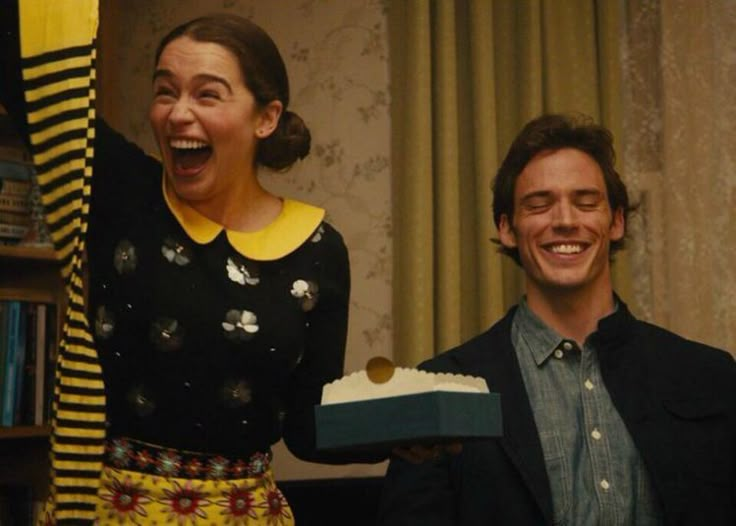
For example, if my primary love language is Words of Affirmation, but my partner’s is Acts of Service, true love isn't just about me needing their compliments. It's about me making a conscious effort to do something practical for them,running an errand, fixing a meal, even though that action doesn't naturally occur to me. This act of stretching beyond our emotional comfort zone is where genuine, selfless love resides. It shows a commitment to their wellbeing that transcends our own preferred method of receiving care.
That is the real test: Do we have the capacity to love without transaction?
- To be the friend who calls first.
- To check in consistently without thinking, “They’re not doing the same for me.”
- To show up because of who we are, not because of what we want back.
This non-transactional commitment is essential, because the price of community is inconvenience. We cannot expect deep, supportive friendships if we only show up when it's easy, convenient, or strictly reciprocal. True love, platonic or otherwise, requires us to absorb a degree of inconvenience for the sake of the bond.
In relationships, this means accepting your partner for who they are, not who they could be. If you don’t like someone’s habits before you date them, you don’t have the right to date them with the intent to fix them. Change should come from their own willingness and love, not your pressure.
When we expect our partners to change, we’re essentially communicating, “I accept you, but only the future version of you I have designed.” That isn't love; it's a lack of patience combined with a desire for control. True acceptance means giving grace to their current imperfections and allowing their own internal motivation to guide their growth, rather than wielding the relationship as a tool for their reform.
Love will always ask something of us. It demands honesty, patience, and the courage to show up when it feels safer to disappear. Maybe the problem isn’t that we don’t know how to love, it’s that we’re terrified of the vulnerability required to do it right. Love only grows where we put our guard down.
And perhaps that is the one lesson our generation has yet to learn.




.png)

