.svg)

The history of Nigerian music does not start and end with Fela Kuti. For the glorious child that is Afrobeats today was once dust, before the labour of the hands of those that lived before it, their struggle for firmament and form breathing life into its nostrils many years later. But time and again, history itself informs us, albeit by its inaction, on how often and large the war stories of women go untold. It is a disembodiment in practice. Or, as is more seemly, organised obliteration. But what is certainly not possible to erase is the understanding that if there is an ubiquity of successful women in contemporary Nigerian music today, it is no doubt thanks to the women pacesetters that have come before them, fighting then to be seen just as what they were—artists who just wanted to matter—in a field swamped with prejudice.
In the wilds of the industry, these Nigerian women blazed trails across diverse genres, bringing, perhaps what could be named as most imperative: a differing point of view. That is, beyond mere sonic variety, or as opposed to mannequin representation (where the presence of women is only some sort of side attraction), the light of these women’s voices reproduced a new spectrum of experiences, stories. Of pleasure, pain, agitation… what it meant—means—to be a woman.
The following is an impossible-yet-necessary attempt at highlighting the triumph of some of these women.
1. Christy Essien-Igbokwe.
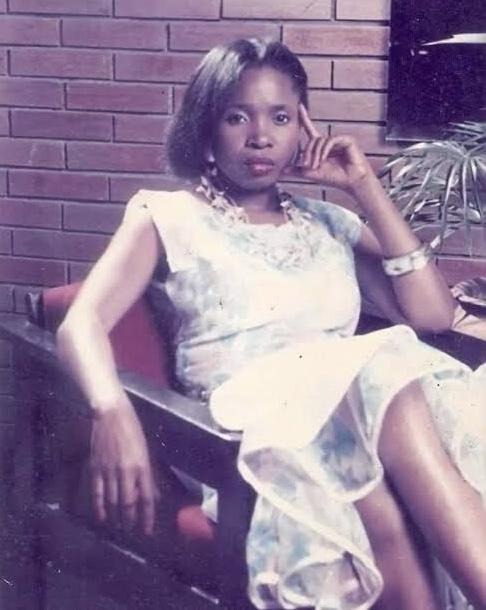
From the 1970s to the late 90s, Christy Essien-Igbokwe established herself as a Nigerian pop culture sensation. Her roots in music and acting would yield fruits of a career studded with excellence, and flowers alike in the plethora of awards and honours (including Doctorates) she received at home and abroad in both fields. She sang in her native language, Ibibio, but also in Igbo,Yoruba, Efik, and English, recording ten albums to her name, including the 1981 favourite, ‘Ever Liked My Person?’ which would go on to be the pioneering platinum album in Nigerian music history. From a discography charged with traces of R&B, Soul, and Highlife came hit tracks such as ‘Seun Rere’, ‘Rumours’, and ‘You Can’t Change a Man’. From a seventeen year old releasing her debut album in 1977 to becoming the ‘Lady of Songs.’ Between 1996 and 1999, she served as the first female president of the Performing Musicians Association of Nigeria. She passed away amid immense tributes in 2011.
2. The Lijadu Sisters.
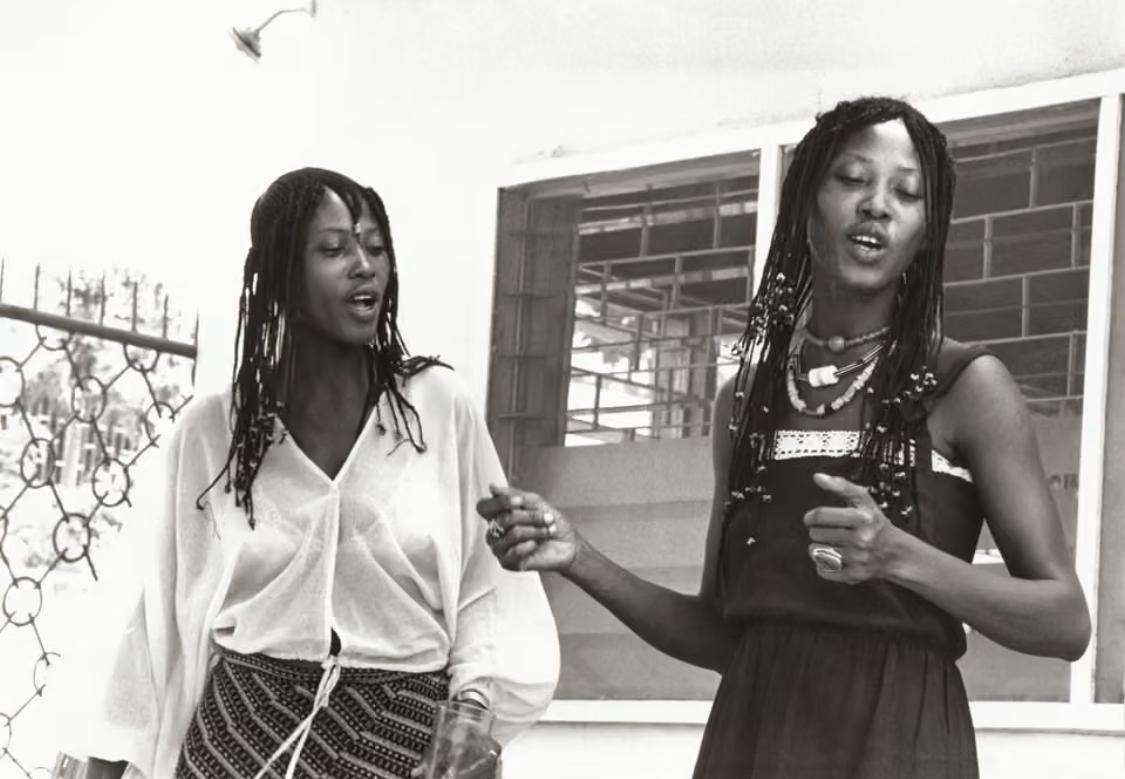
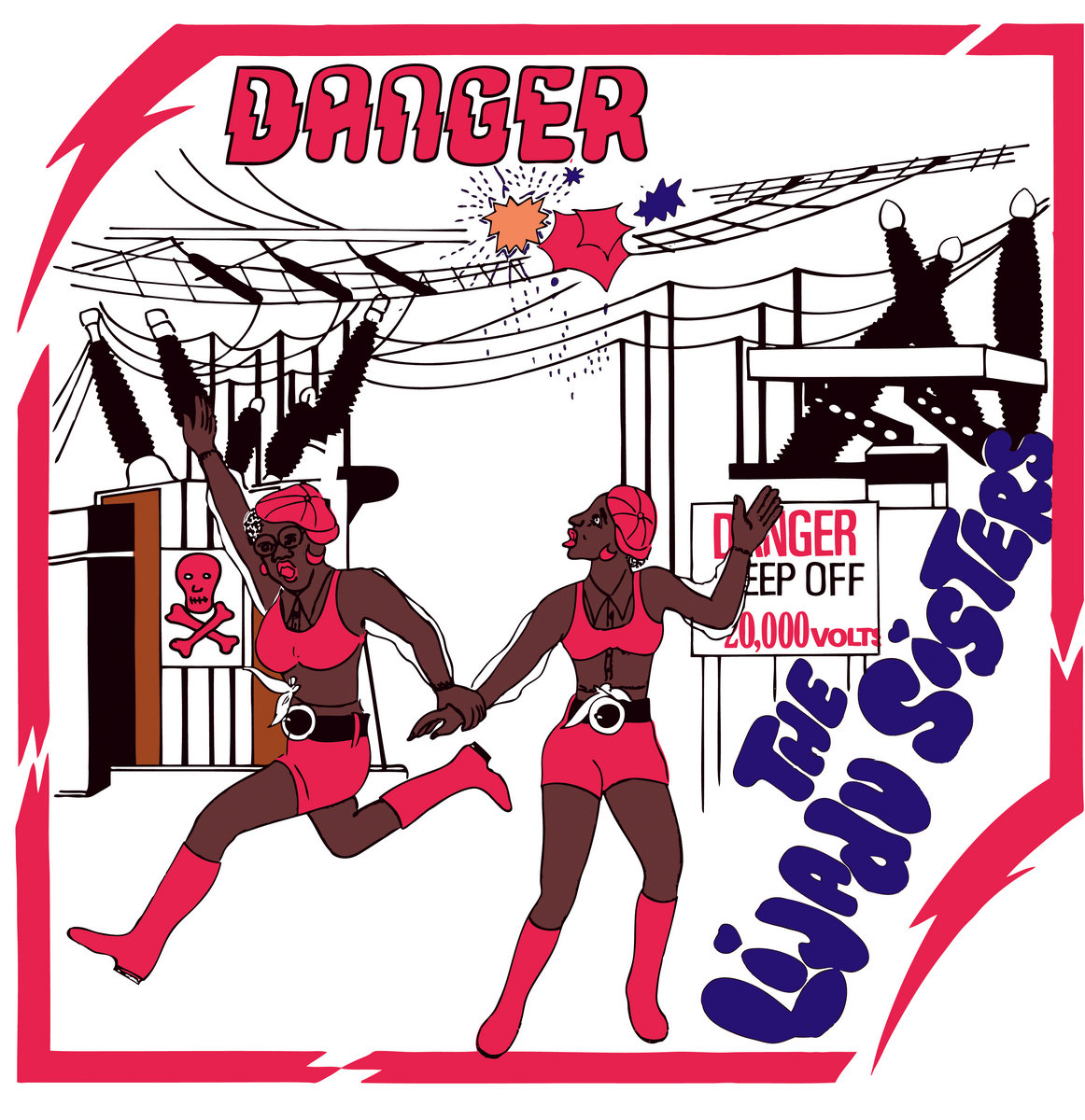
Ambitious twin sisters determined to make a name for themselves debuted on the bubbling and male-centric post-civil war music scene with a ballad to their mother, ‘Iya Mi Jowo’, at twenty, in 1968. Later came the record deal with Afrodisia. Then ‘Danger’ (1976)—their first international breakthrough; then three more seminal albums to complete an incredible run of four in four years. Having drawn influences from their mother’s foreign record collection and later from local genres, collaborations with multinstrumentalist Biddy Wright and renowned drummer Ginger Baker further refined their fusion of Afrobeat, Rock, Reggae, & Jazz. ‘Come on Home’, ‘Orere-Elejigbo’, and ‘Life’s Gone Down Low’ are some of their most popular tracks. In the 1979 documentary, Kokombe: The Nigerian Music Pop Scene, the sisters are filmed amplifying the rising agency of women in post-colonial Nigeria as well as their dissatisfaction at the exploitative behaviour of their label bosses, mirroring some of the themes that pervade their work. Today, while Kehinde is of blessed memory, Taiwo lives in Harlem, preserving the legend of her sister, and the legacy of their music.
3. Queen Oladunni Decency.
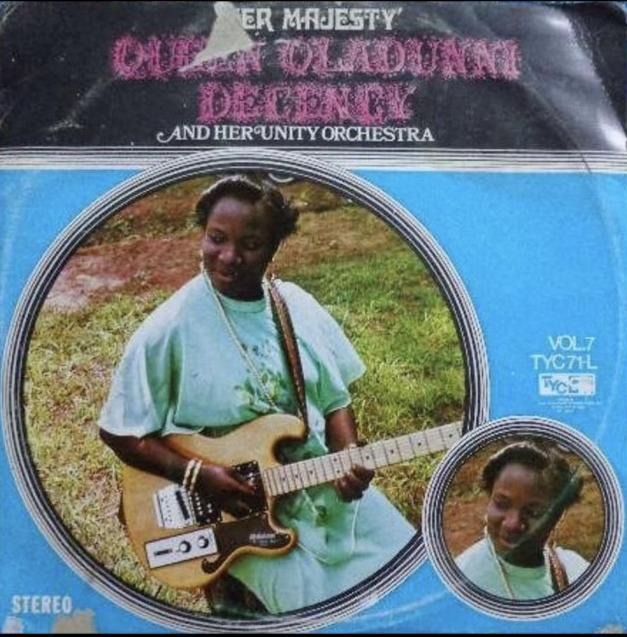
Born Serifatu Oladunni Oduguwa, seventeen-year old Queen Oladunni Decency broke the gender monopoly of Yoruba Juju music with her guitar and an audacious band in 1956. The first female guitarist in Nigeria, she first shredded the sexist dissonance that alienated the co-existence of two ideas: women, and musical instruments. She would then, off the growing mobility of women that the civil war afforded, achieve huge success as a band leader, performing to critical acclaim as Her Majesty Queen Oladunni and Her Unity Orchestra. She attained national recognition and was fondly called ‘Mummy Juju’ by fans. Sadly she passed away at 28.
4. Hajiya Fatima Lolo.
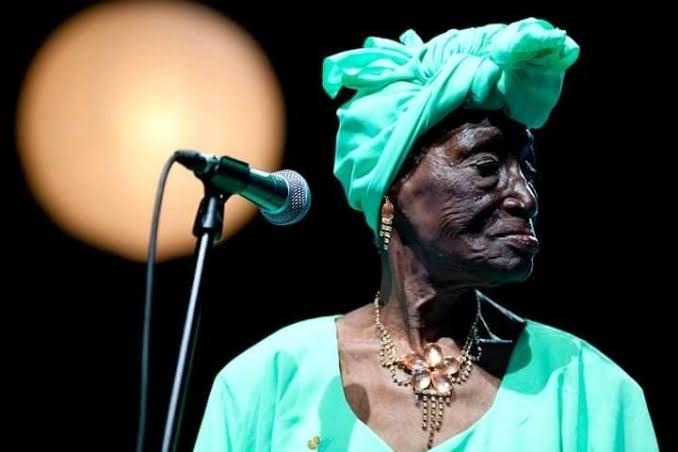
What’s more poetic than a historian living for more than a hundred years? Fatima Muhammadu Kolo, turned Fatima Lolo, began her journey to stardom performing in village gatherings first, then in more elaborate circles in her place of birth, Etsu, in Northern Nigeria. Lolo’s grip on the reins of glory would be tighter after getting turbaned Sagi Ningbazhi (Queen of Musicians) by the 10th Etsu Nupe, ruler of the Nupe people, bringing prestige to her local music industry. Alongside Her Nupe Group, Lolo became a staple in the company of dignitaries throughout the North, carrying in Nupe music the memory of a people and a wisdom seasoned by time. One of her most enduring releases is her 1985 album, ‘Ewodechizi’. Her many years of excellence would eventually earn her a National Honour, a Member of the Order of Niger. And on May 15, 1997, aged 106 and after a lifetime of riding, the Queen descended from her horse.
5. Onyeka Onwenu.
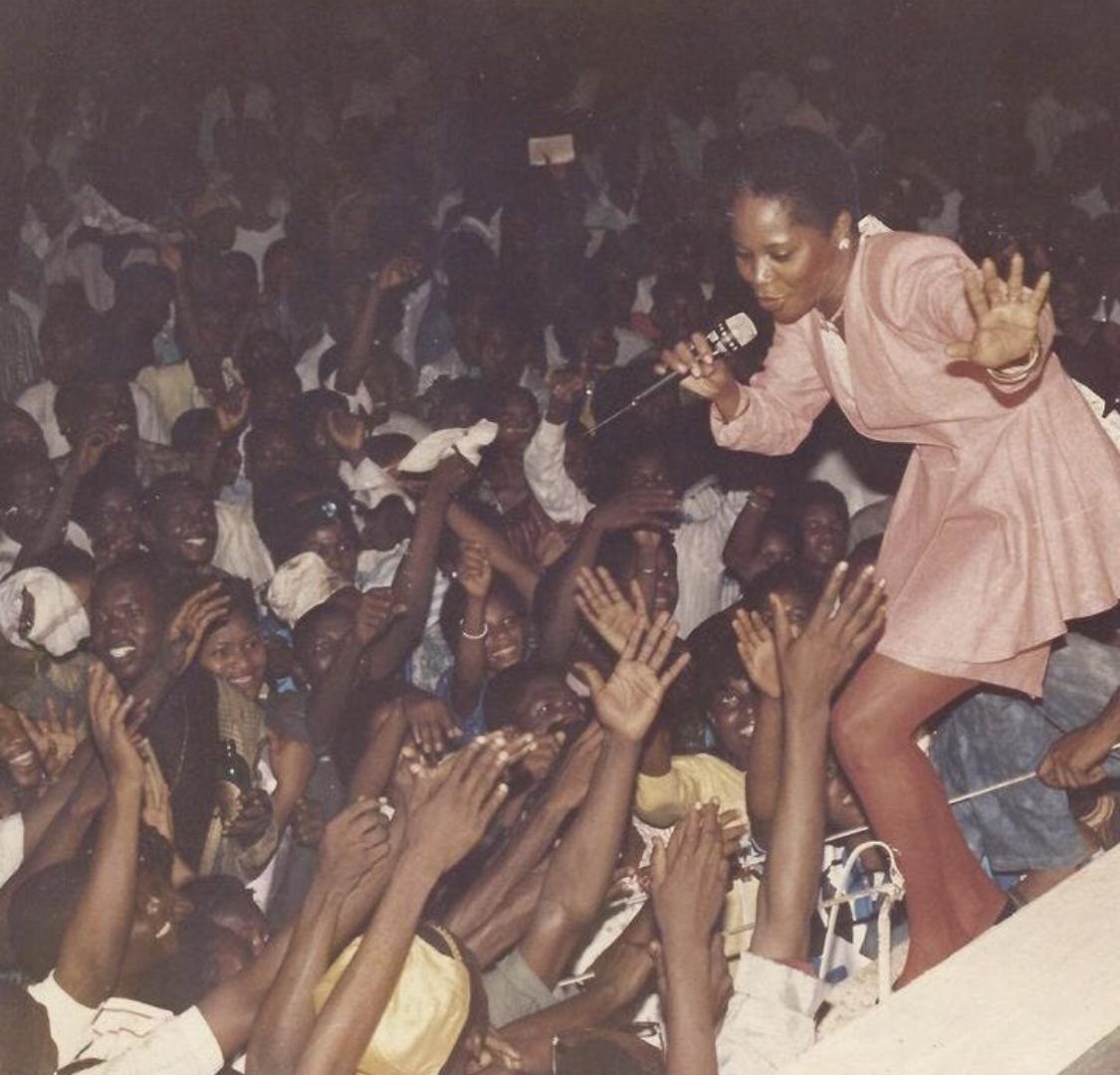
Onyeka Onwenu was a multihyphenate. Dazzling audiences with glitter as she wielded her talents across music, journalism, film, fashion, and activism, shapeshifting, earning her the nickname ‘Elegant Stallion.’ While working her broadcasting job at Nigerian Television Authority (NTA), she released her 1981 debut LP, ‘For the Love of You’. Onwenu wrote and presented a BBC documentary; Onwenu won a Best Actress award at the Africa Movie Academy Awards; Onwenu, while at NTA and when it was unpopular, protested against their refusal to pay royalties on her song. All these with the image of her manicured hair and its slight patch of grey so that it is almost inseparable from her icon. Of her many hits, the 1986 anthem, ‘One Love’, is the best known. She released four albums in total before switching her Soul and Pop majors for Gospel in the nineties. She was twice awarded the National Honours, and also later served as the Executive Director of the National Centre for Women Development in 2013. She passed away amid nationwide tributes in July 2024.
6. Salawa Abeni.
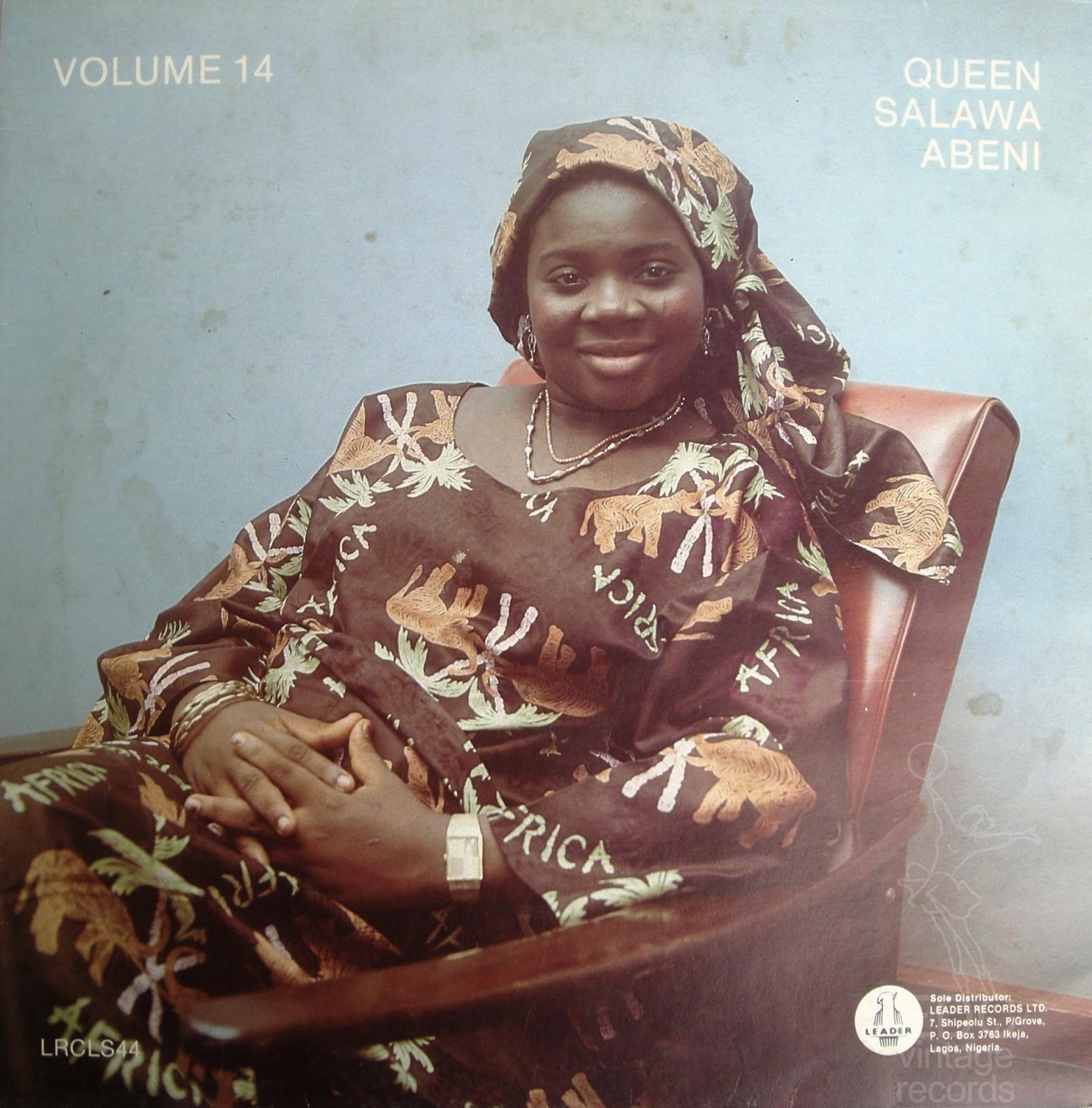
For Waka music, Batile Alake first, then Salewa Abeni. But it was Abeni who took the recipe from the fifties to sate the appetite of the seventies. She contemporaralised Waka music, a traditional genre that was an offspring of, and popular among Yoruba muslim women. As a teenager she sold one million copies of her 1976 debut record, ‘Late Murtala Muhammed’, becoming the first Nigerian female artist to achieve the feat, quickly turning her to the life of fame. At the turn of the eighties, Salawa Abeni and Her Africa Waka Modernizer had injected popular appeal into a redundant genre, contesting the field with more enduring and male-dominated genres in the industry. ‘Gentle Lady’ is one of her most evergreen songs, her 1990 hit. Two years later she was crowned “Queen of Waka Music” by the then monarch of Oyo, the Alaafin, Oba Lamidi Adeyemi. In a 2011 interview for her 50th birthday, “A lot of water has passed under the bridge,” Abeni says; “I never knew I was going to be as great as this…”
7. Evi-Edna Ogholi.
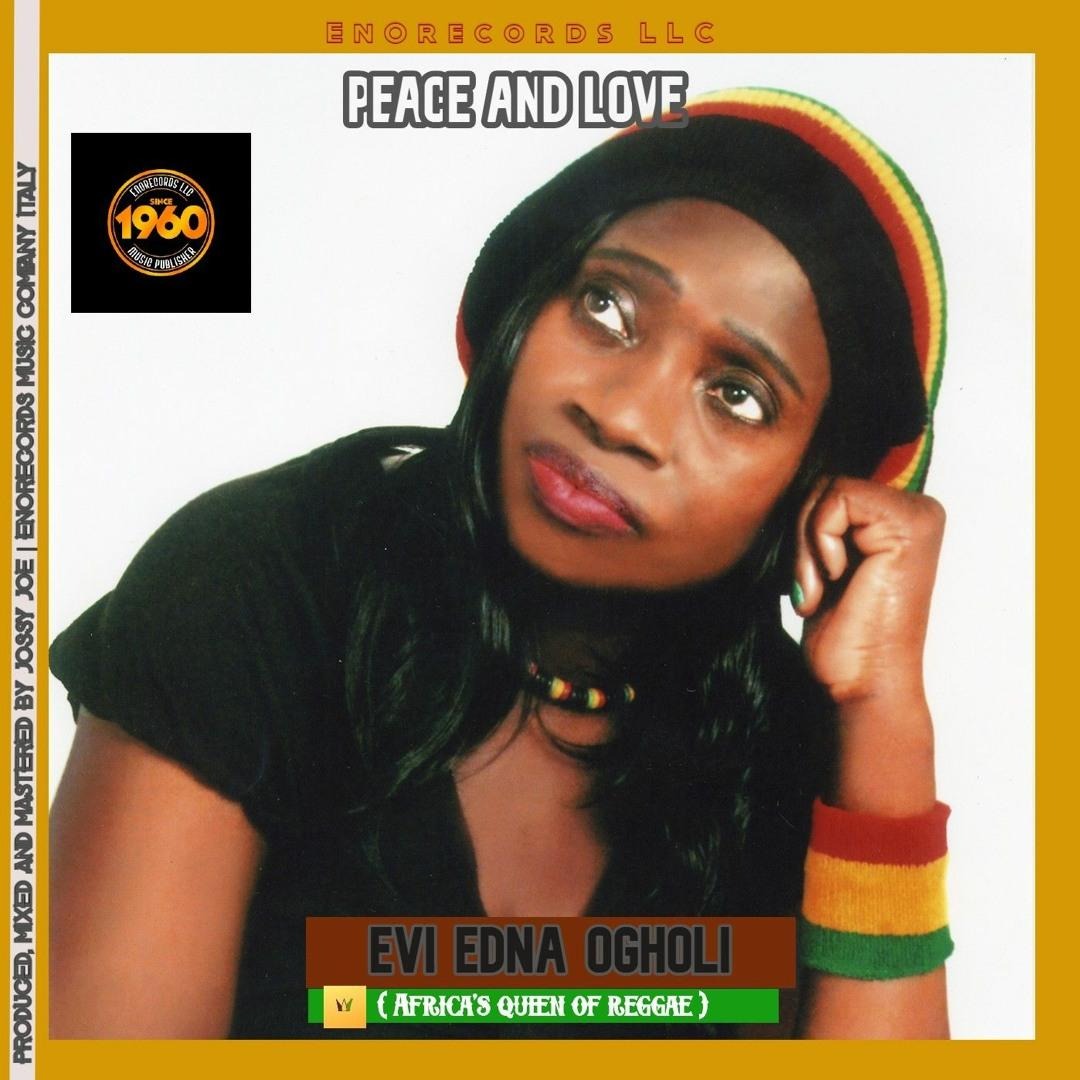
At twenty-one, Evi-Edna Ogholi happened upon the late 1980s with ‘My Kind of Music’, a reggaeton album of African expression. Coming into a male-thick genre and from the same enclave (Delta state) as reggae maestro Majek Fashek, she shows no diffidence when she sings, “Special dedication to all lovers of reggae / music / all over the world” on the album’s titular track. She would later be dubbed the Queen of African Reggae by fans, often sporting Jamaican costume and a wide smile. ‘Happy Birthday’, and ‘Oghene Me’ are her most famous tracks today.
It is a marvel to see how far women have come: from existing as microfauna in an ecosystem that moralised feminine participation in popular music to producing immortals even across different genres. Today, although women still struggle more to break barriers in the industry when compared to their male counterparts, it is, again, thanks to these women pacesetters that have come before them, fighting to be seen just as what they were. And while there remains many more of them to be talked about, an attempt at total recognition has been declared impossible from the gun.
IG: @fortuneakande


.png)

