.svg)


In its sixth edition, the Red Bull Dance Your Style Kenya arrived at Nairobi’s KICC Tsavo Hall on May 24. Built around one-on-one freestyle battles and unpredictable music selections, the competition challenges dancers to adapt instantly while winning over the crowd rather than a traditional judging panel. But beyond the competition format itself, the event also highlighted something much larger happening across the continent–the growing visibility and interconnectedness of African street dance culture.
As Red Bull Dance Your Style continues expanding through countries including Kenya, Nigeria, Tanzania, and Uganda, the competition has become part of a wider ecosystem connecting dancers, creatives, and youth communities across borders. In many ways, the event reflects how African youth culture itself is becoming increasingly collaborative through music, fashion, internet culture, and movement.
That transformation is happening both online and offline. Through TikTok, Instagram Reels, and music-driven creator communities, dance trends now circulate rapidly between African cities, often blurring distinctions between local and regional styles. Amapiano choreography, Afro-fusion movement, dancehall influences, and street-inspired freestyle routines have become part of a constantly evolving visual language shared by young people across the continent.
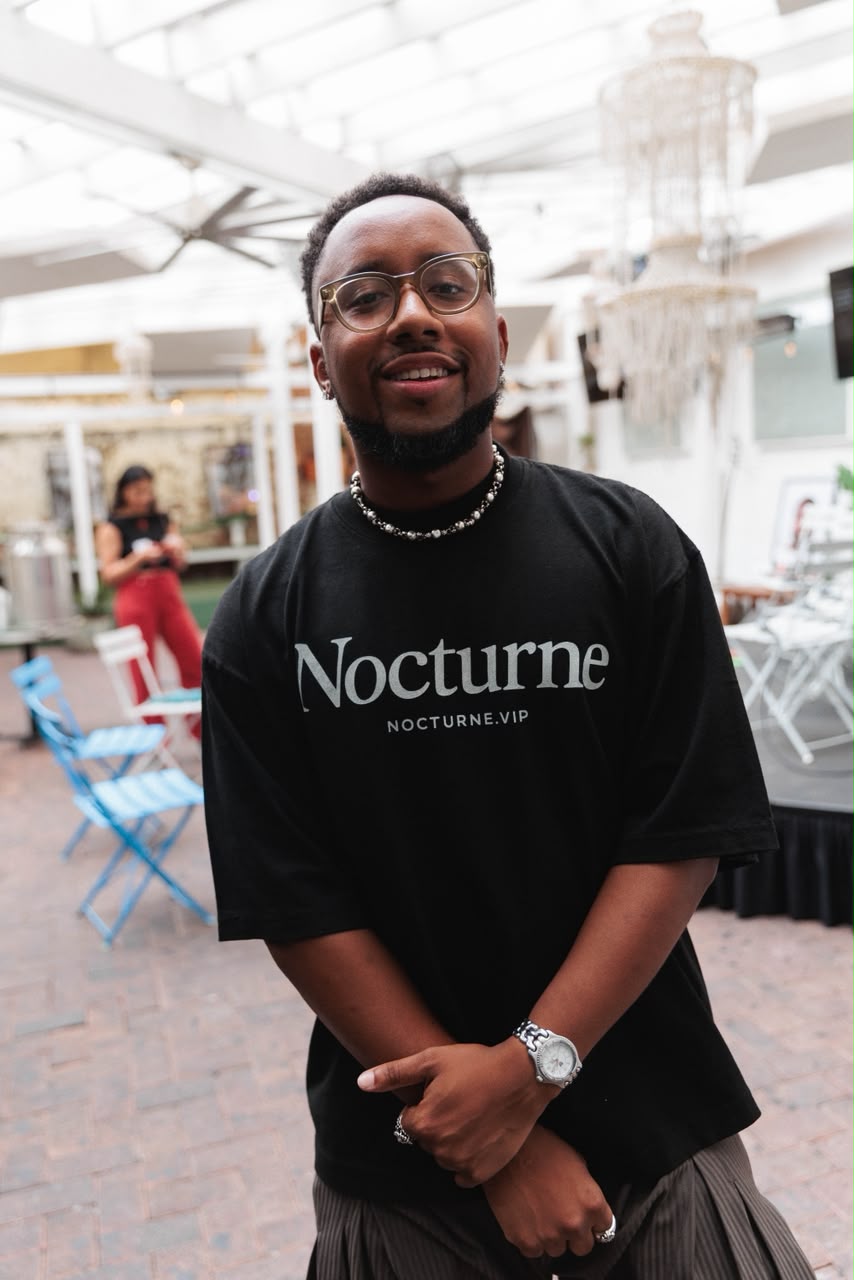
For PESOS’s founder and creative director, Edmund Eldridge, Red Bull Dance Your Style arrived at a moment when African youth are already actively shaping and expanding these cultural movements on their own. “It strongly highlights how the African youth are actively taking part in growing the subculture and pushing the boundaries to evolve the movement art,” Eldridge says.
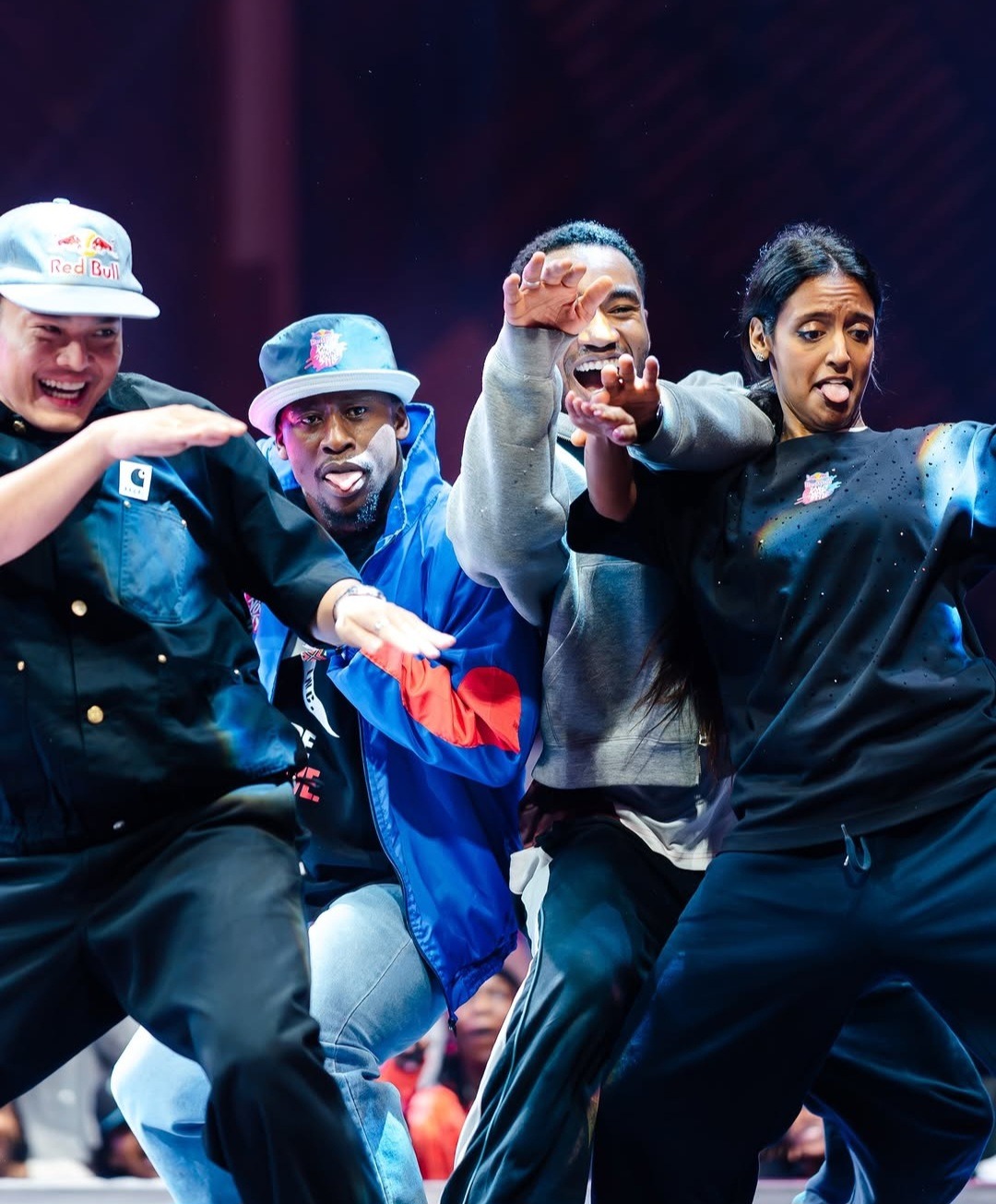
PESOS collaborated with Red Bull Kenya on the event’s creative direction and campaign visuals, bringing together dancers and artists already rooted within Nairobi’s street culture. Eldridge describes the collaboration as a natural intersection between fashion, dance and youth identity. “Streetwear and dance emerged together from the same cultural DNA; hip-hop,” he explains.
The campaign featured collaborators including dancer Ian Tico, artist Xenia Manasseh, and the Legitz dance collective, all chosen for their connection to the culture beyond performance alone. According to Eldridge, the goal was to document Kenyan street dance culture through a contemporary visual lens while still preserving its authenticity. “The idea was to merge the Kenyan street dance art with our contemporary style of documentation to uplift the visuals,” he says. That emphasis on authenticity speaks to a larger shift currently happening within African creative industries. Historically, many dance communities existed outside institutional or commercial support structures, developing instead through community-led spaces, informal networks, and online sharing.
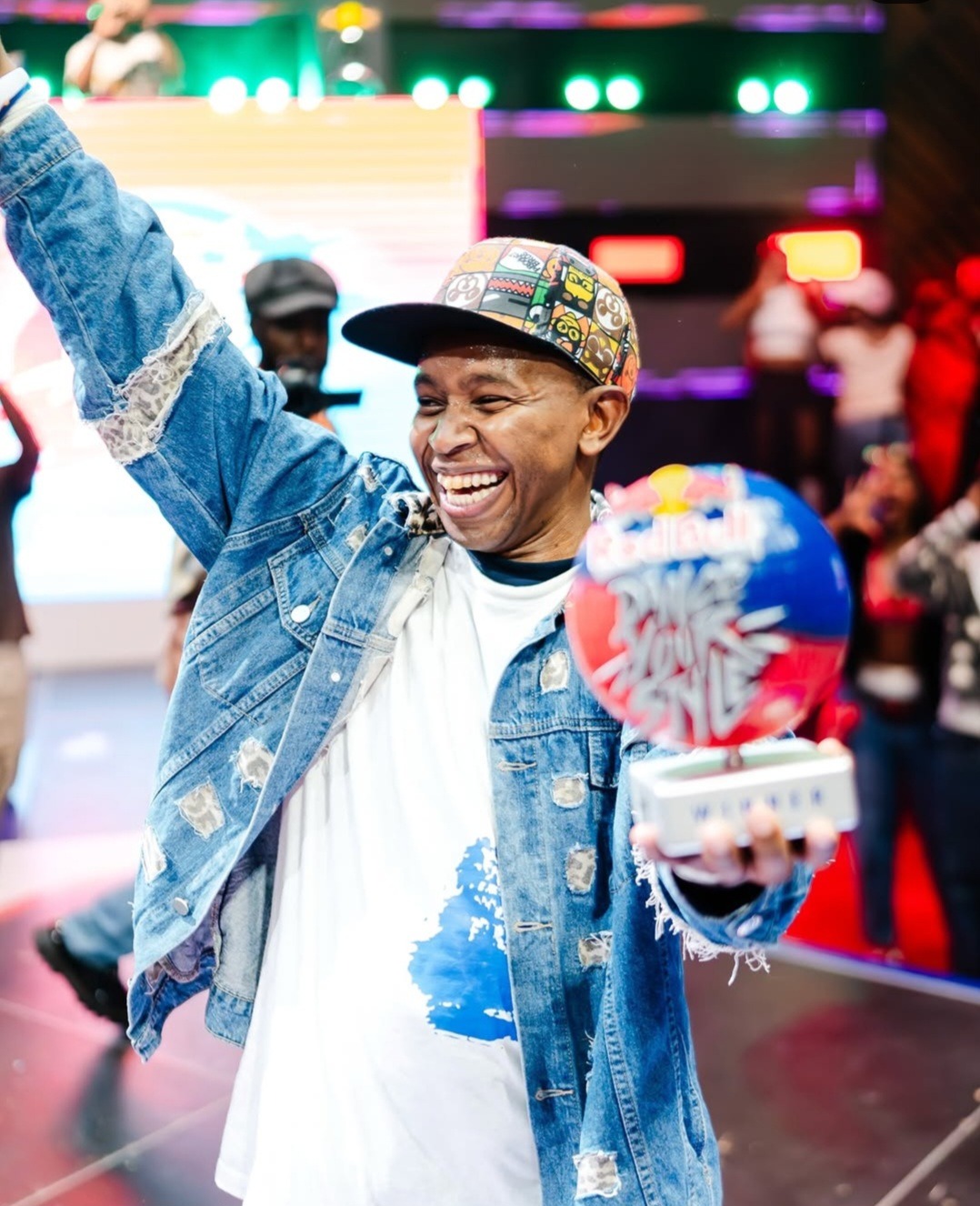
Events like Red Bull Dance Your Style are now bringing greater visibility to those communities while simultaneously creating new opportunities for dancers and creatives. This year’s edition ultimately crowned dancer Zac_the.great as Kenya’s representative for the World Final set to take place later this year in Zurich, Switzerland, where dancers from over 50 countries are expected to compete.
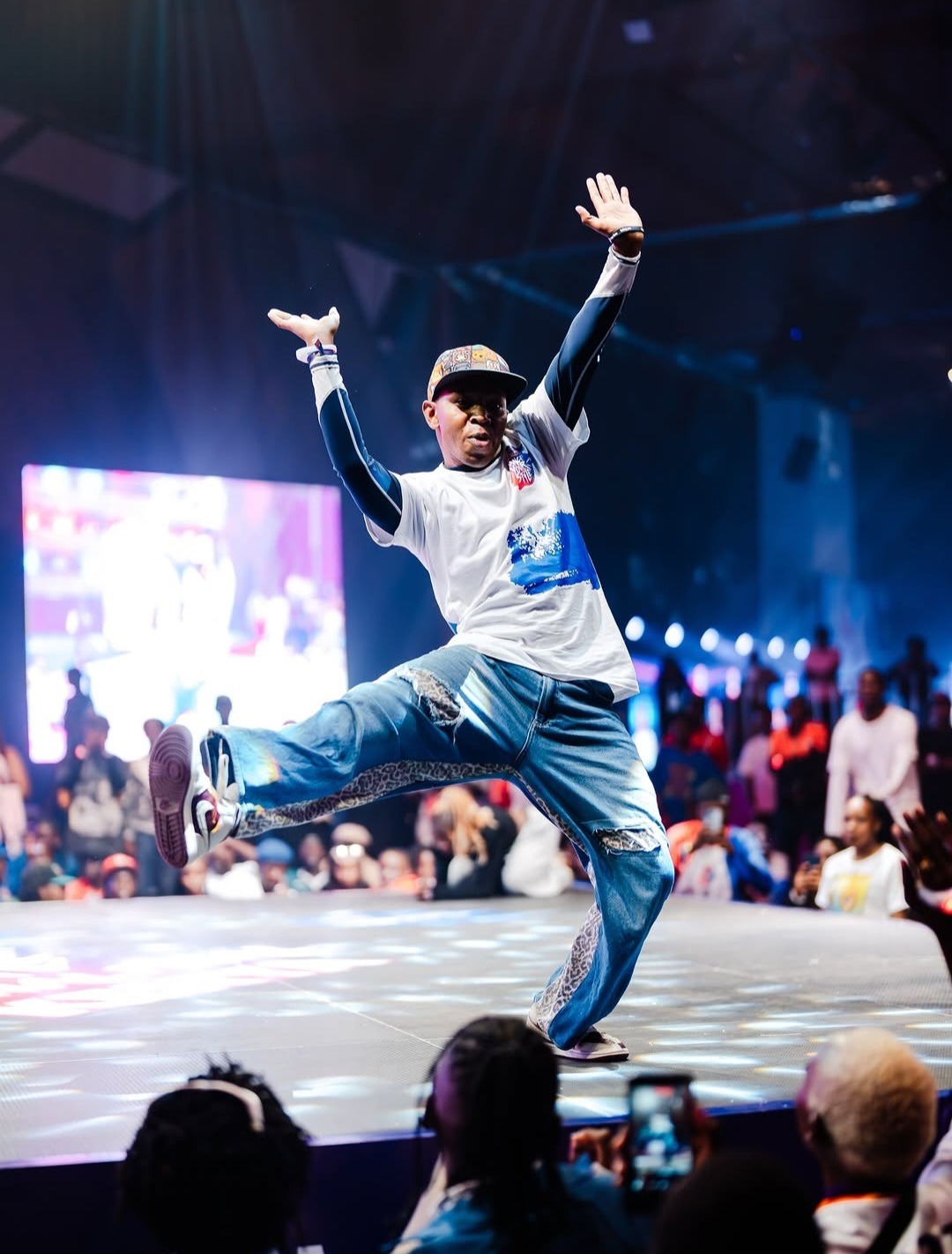
The event also created moments of cultural exchange that extended beyond the competition floor itself. Eldridge recalls international dancers connecting with Kenyan performers throughout the weekend, sharing routines and learning local dance styles from one another. “We saw Kenyan dancers teaching the Kenyan street dances to one of the foreign dancers,” he says. “That shows you that the youth want to connect beyond borders.”
Those moments reflect a broader reality within contemporary African youth culture: connection increasingly happens through shared creative language. Music has already demonstrated Africa’s global influence over the past decade through genres like Afrobeats and amapiano. Dance culture now appears positioned for similar expansion, fueled largely by young creators building audiences online while simultaneously developing local scenes on the ground.
Still, Eldridge believes recognition for many African creatives remains overdue, admitting, “These subcultures are lives we see people live every day, and it’s painful to see very gifted people not getting the recognition they deserve.” For him, collaborations like Red Bull Dance Your Style are not simply about entertainment or short-term visibility, but about long-term cultural investment and changing perceptions around creative work itself. “We want more kids growing up to be confident that they can follow their passions, get recognition and also get paid for it,” he says.
Later this year, Kenya’s newest Red Bull Dance Your Style champion will carry that same energy from Nairobi to Zurich for the world finals, representing not only personal ambition but the momentum of a dance culture increasingly refusing to remain local. As African street dance continues evolving across borders, competitions like Red Bull Dance Your Style are becoming more than performance spaces; by helping document, connect and legitimize creative communities already shaping the future of African youth culture in real time.


.png)

