The Politics of Beauty: Who Decides What Is Desirable?

Authored by

Beauty is often presented as subjective. It is made to look as though one has a choice or say in what “beauty” means. Yet overtime, we have had it in the opposite way. From skin tone and body type to facial shape and hair texture, beauty standards rarely spring up naturally. They are constantly pushed out by the media and enforced. Until these standards become so familiar that they feel natural and are left unchallenged, unquestioned and passed down.

In this current time, beauty standards are playing a huge role in society and getting more visibility and interest than ever before. Social media is a powerful tool being used to promote this. There's a rising pressure on many to meet up with the trends emerging. The trends move on fast, but the pressure to conform remains constant. The politics of beauty is not only about appearance; it is about access, validation, and survival. Who gets seen. Who gets celebrated. And who is being taught, quietly, that they must adjust themselves to belong.

Beauty standards are not accidental. It's society coming up and taking notes from the ones who are in power. They define what looks desirable according to their looks and lifestyle. Power—the media, fashion industries, and dominant cultures— decides what is called beautiful, and everyone else gradually adjusts to it. The media repeated these so-called ideal standards until they felt normal. Gradually, these standards are passed down as tradition rather than choice. Specific beauty hierarchies have been spread globally, while the market makes sure to intensify on the publicity of these standards—turning people's insecurity into profit. What we call beauty, in this current time is less about a person but the influence of what the society has constantly put out. How beauty standards are historically produced.

Once a standard is set, it's made custom and enforced. It's first portrayed as culture, then carried far and wide by the media. When the same type of body or face is shown repeatedly as ideal, it starts to feel normal and correct. Hence, bringing about a rise in insecurity and the pressure to meet up by all means. Gradually, people have stopped questioning the birth of these standards. Once they're passed down and constantly in one's face,  it begins to look like the norm. Then, we find people acknowledging that the standards are exactly how beauty is and should be. At this point, beauty standards feel natural, even though they were created by man. We forget that these same standards are subjective to change. 
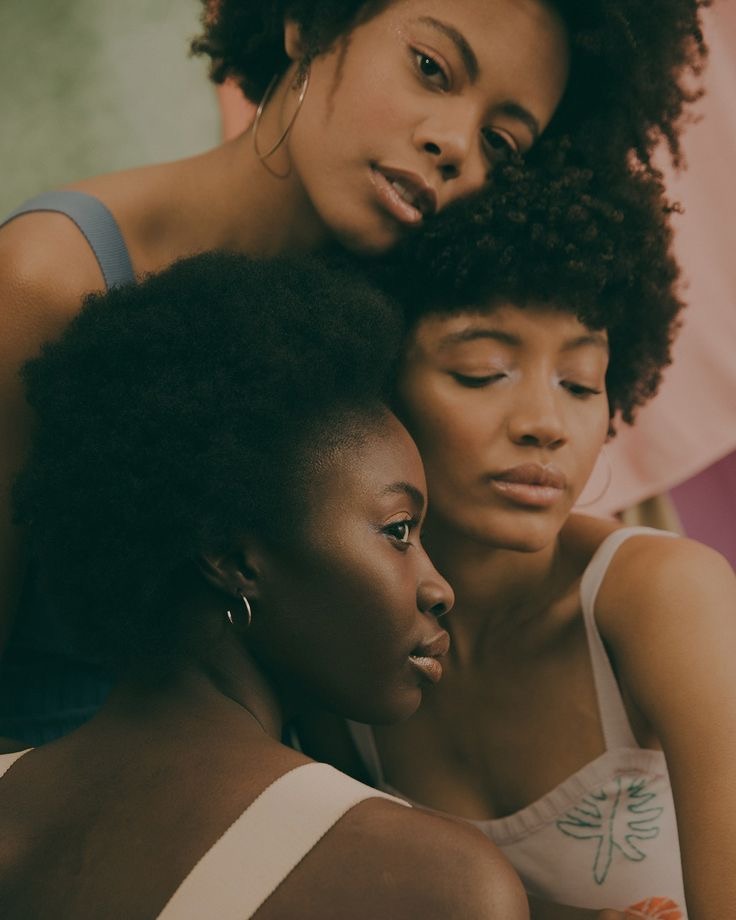
Image: Official page of photographer- Mark Clennon

Colonialism has a large influence in the history and enforcement of these standards that are being set as the ideal look. European beauty standards were spread across the world, especially Africa. It enforced the need for straightened  hairs, lighter skin, narrow noses because they were positioned as superior. The African Indigenous features were then labeled as unfit or undesirable. These standards  didn’t disappear after colonialism; they settled into everyday preferences, exchanging what is unfit to be fit.

Once this has been achieved, the media no longer needs to enforce these standards on people. The people themselves take it upon themselves to enforce the standards on each other. For example, when the natural African hair is rocked or worn to an official setting,  the person is either subjected to ridicule or made to know that it is unbefitting for such a setting. 

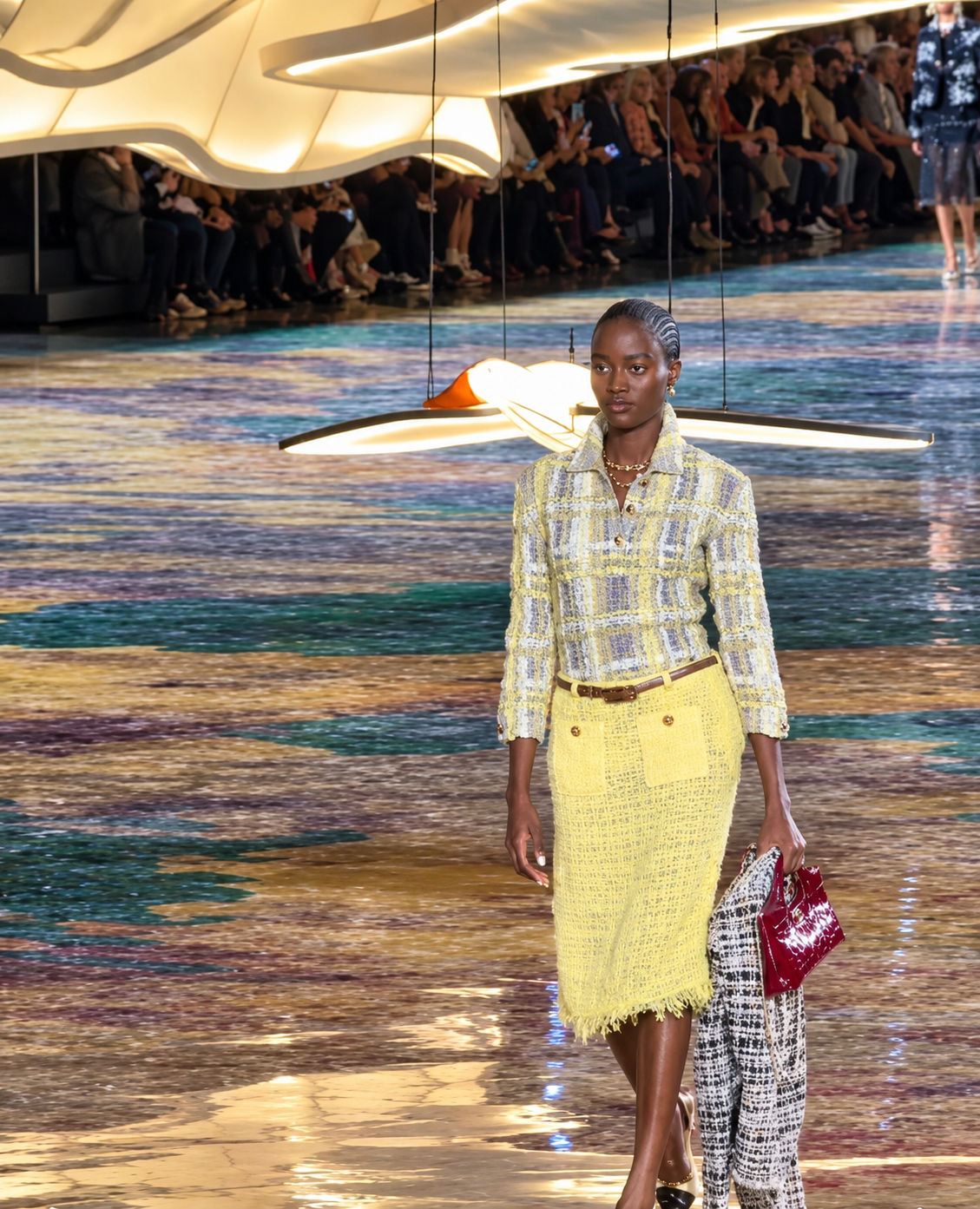
Social media promised a shift, but it basically refurbished the same standards under new terms. Beauty and Fashion industries are not left out. They constantly redefine what beauty looks like to ensure no standard remains stable for long. Each shift introduces a new correction, a new solution, a new urgency. What began as wanting to look your best quietly becomes self-scrutinization driven by the fear of falling outside the current standard. This has done nothing but leave a dent on the esteem and perception of how most persons see themselves.

Yet resistance continues to surface. Across fashion, art, and digital spaces, movements challenging dominant beauty narratives. Unstraightened natural hair, unaltered bodies, and self-directed representation disrupt the flow of what colonialism and media have constantly dished.  In  moments like this, visibility becomes more than expression—it becomes refusal. A revolt against the beauty standards set from the lens of people who self-impose.

Still, the emotional cost of exclusion is difficult to dismiss. Internalised standards shape how people assess themselves, how they enter rooms, how much space they feel permitted to occupy. Comparison becomes a habit. Shame settles quietly. The pressure to meet up is loud. Hence, the surgeries and struggle to look a particular way.
@Adedoyin Adeoye

The Politics of Beauty: Who Decides What Is Desirable?

Authored by
This is some text inside of a div block.

Beauty is often presented as subjective. It is made to look as though one has a choice or say in what “beauty” means. Yet overtime, we have had it in the opposite way. From skin tone and body type to facial shape and hair texture, beauty standards rarely spring up naturally. They are constantly pushed out by the media and enforced. Until these standards become so familiar that they feel natural and are left unchallenged, unquestioned and passed down.

In this current time, beauty standards are playing a huge role in society and getting more visibility and interest than ever before. Social media is a powerful tool being used to promote this. There's a rising pressure on many to meet up with the trends emerging. The trends move on fast, but the pressure to conform remains constant. The politics of beauty is not only about appearance; it is about access, validation, and survival. Who gets seen. Who gets celebrated. And who is being taught, quietly, that they must adjust themselves to belong.

Beauty standards are not accidental. It's society coming up and taking notes from the ones who are in power. They define what looks desirable according to their looks and lifestyle. Power—the media, fashion industries, and dominant cultures— decides what is called beautiful, and everyone else gradually adjusts to it. The media repeated these so-called ideal standards until they felt normal. Gradually, these standards are passed down as tradition rather than choice. Specific beauty hierarchies have been spread globally, while the market makes sure to intensify on the publicity of these standards—turning people's insecurity into profit. What we call beauty, in this current time is less about a person but the influence of what the society has constantly put out. How beauty standards are historically produced.

Once a standard is set, it's made custom and enforced. It's first portrayed as culture, then carried far and wide by the media. When the same type of body or face is shown repeatedly as ideal, it starts to feel normal and correct. Hence, bringing about a rise in insecurity and the pressure to meet up by all means. Gradually, people have stopped questioning the birth of these standards. Once they're passed down and constantly in one's face,  it begins to look like the norm. Then, we find people acknowledging that the standards are exactly how beauty is and should be. At this point, beauty standards feel natural, even though they were created by man. We forget that these same standards are subjective to change. 

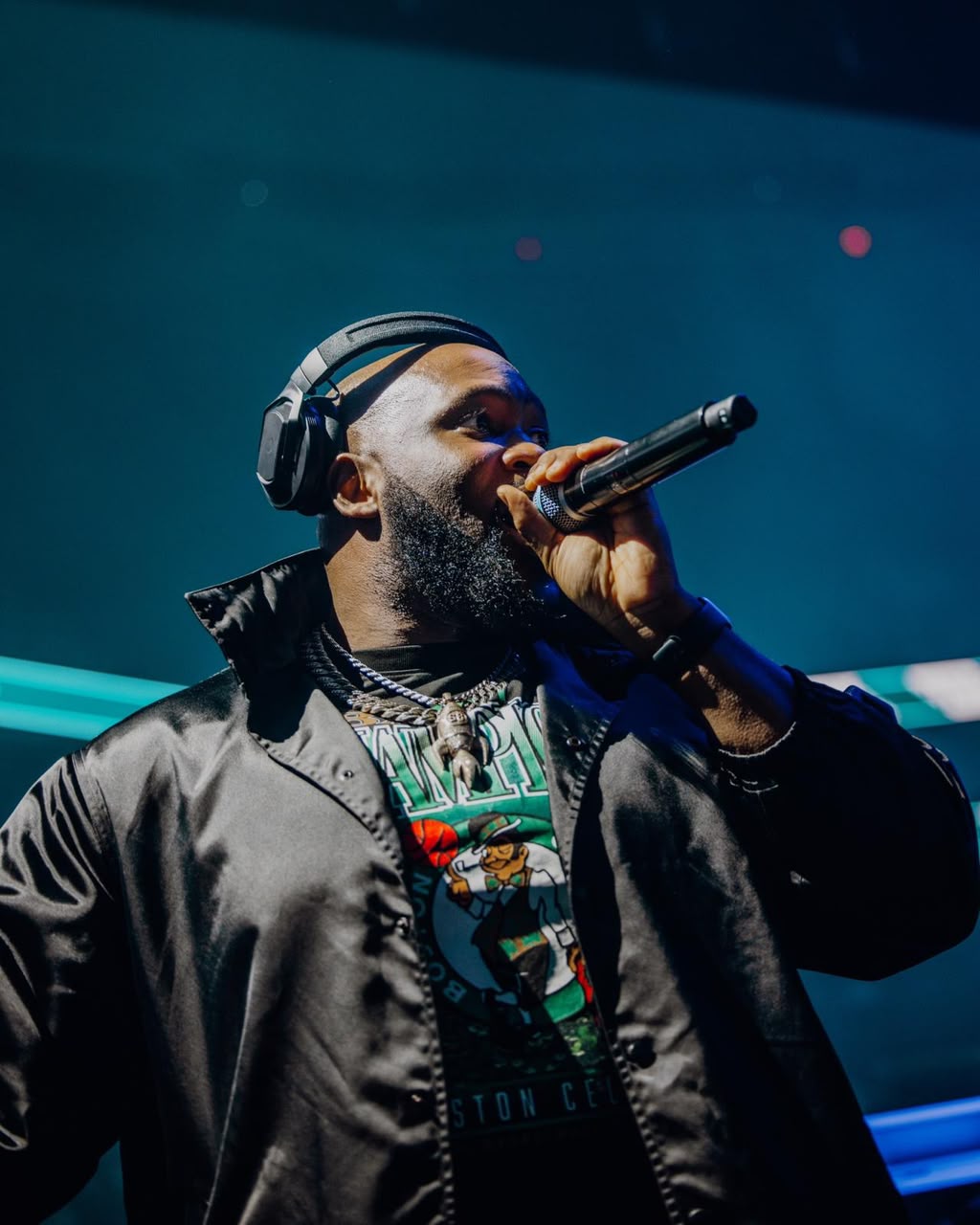
Image: Official page of photographer- Mark Clennon

Colonialism has a large influence in the history and enforcement of these standards that are being set as the ideal look. European beauty standards were spread across the world, especially Africa. It enforced the need for straightened  hairs, lighter skin, narrow noses because they were positioned as superior. The African Indigenous features were then labeled as unfit or undesirable. These standards  didn’t disappear after colonialism; they settled into everyday preferences, exchanging what is unfit to be fit.

Once this has been achieved, the media no longer needs to enforce these standards on people. The people themselves take it upon themselves to enforce the standards on each other. For example, when the natural African hair is rocked or worn to an official setting,  the person is either subjected to ridicule or made to know that it is unbefitting for such a setting. 

Social media promised a shift, but it basically refurbished the same standards under new terms. Beauty and Fashion industries are not left out. They constantly redefine what beauty looks like to ensure no standard remains stable for long. Each shift introduces a new correction, a new solution, a new urgency. What began as wanting to look your best quietly becomes self-scrutinization driven by the fear of falling outside the current standard. This has done nothing but leave a dent on the esteem and perception of how most persons see themselves.

Yet resistance continues to surface. Across fashion, art, and digital spaces, movements challenging dominant beauty narratives. Unstraightened natural hair, unaltered bodies, and self-directed representation disrupt the flow of what colonialism and media have constantly dished.  In  moments like this, visibility becomes more than expression—it becomes refusal. A revolt against the beauty standards set from the lens of people who self-impose.

Still, the emotional cost of exclusion is difficult to dismiss. Internalised standards shape how people assess themselves, how they enter rooms, how much space they feel permitted to occupy. Comparison becomes a habit. Shame settles quietly. The pressure to meet up is loud. Hence, the surgeries and struggle to look a particular way.
@Adedoyin Adeoye

This is some text inside of a div block.

The Politics of Beauty: Who Decides What Is Desirable?

Authored by

Beauty is often presented as subjective. It is made to look as though one has a choice or say in what “beauty” means. Yet overtime, we have had it in the opposite way. From skin tone and body type to facial shape and hair texture, beauty standards rarely spring up naturally. They are constantly pushed out by the media and enforced. Until these standards become so familiar that they feel natural and are left unchallenged, unquestioned and passed down.

In this current time, beauty standards are playing a huge role in society and getting more visibility and interest than ever before. Social media is a powerful tool being used to promote this. There's a rising pressure on many to meet up with the trends emerging. The trends move on fast, but the pressure to conform remains constant. The politics of beauty is not only about appearance; it is about access, validation, and survival. Who gets seen. Who gets celebrated. And who is being taught, quietly, that they must adjust themselves to belong.

Beauty standards are not accidental. It's society coming up and taking notes from the ones who are in power. They define what looks desirable according to their looks and lifestyle. Power—the media, fashion industries, and dominant cultures— decides what is called beautiful, and everyone else gradually adjusts to it. The media repeated these so-called ideal standards until they felt normal. Gradually, these standards are passed down as tradition rather than choice. Specific beauty hierarchies have been spread globally, while the market makes sure to intensify on the publicity of these standards—turning people's insecurity into profit. What we call beauty, in this current time is less about a person but the influence of what the society has constantly put out. How beauty standards are historically produced.

Once a standard is set, it's made custom and enforced. It's first portrayed as culture, then carried far and wide by the media. When the same type of body or face is shown repeatedly as ideal, it starts to feel normal and correct. Hence, bringing about a rise in insecurity and the pressure to meet up by all means. Gradually, people have stopped questioning the birth of these standards. Once they're passed down and constantly in one's face,  it begins to look like the norm. Then, we find people acknowledging that the standards are exactly how beauty is and should be. At this point, beauty standards feel natural, even though they were created by man. We forget that these same standards are subjective to change. 

Image: Official page of photographer- Mark Clennon

Colonialism has a large influence in the history and enforcement of these standards that are being set as the ideal look. European beauty standards were spread across the world, especially Africa. It enforced the need for straightened  hairs, lighter skin, narrow noses because they were positioned as superior. The African Indigenous features were then labeled as unfit or undesirable. These standards  didn’t disappear after colonialism; they settled into everyday preferences, exchanging what is unfit to be fit.

Once this has been achieved, the media no longer needs to enforce these standards on people. The people themselves take it upon themselves to enforce the standards on each other. For example, when the natural African hair is rocked or worn to an official setting,  the person is either subjected to ridicule or made to know that it is unbefitting for such a setting. 

Social media promised a shift, but it basically refurbished the same standards under new terms. Beauty and Fashion industries are not left out. They constantly redefine what beauty looks like to ensure no standard remains stable for long. Each shift introduces a new correction, a new solution, a new urgency. What began as wanting to look your best quietly becomes self-scrutinization driven by the fear of falling outside the current standard. This has done nothing but leave a dent on the esteem and perception of how most persons see themselves.

Yet resistance continues to surface. Across fashion, art, and digital spaces, movements challenging dominant beauty narratives. Unstraightened natural hair, unaltered bodies, and self-directed representation disrupt the flow of what colonialism and media have constantly dished.  In  moments like this, visibility becomes more than expression—it becomes refusal. A revolt against the beauty standards set from the lens of people who self-impose.

Still, the emotional cost of exclusion is difficult to dismiss. Internalised standards shape how people assess themselves, how they enter rooms, how much space they feel permitted to occupy. Comparison becomes a habit. Shame settles quietly. The pressure to meet up is loud. Hence, the surgeries and struggle to look a particular way.

@Adedoyin Adeoye

Other Stories
London
London
Lagos
London
Newyork
London
Shop
Join the community.
You are now subscribed to receive updates.
Oops! Something went wrong while submitting the form.