.svg)

Owekitibwa Nuwa Wamala Nnyanzi, speaking at a Kuonyesha Art Fund event, had warned, “Be very careful about what you're reporting…it is the first call when looking at history.” Though aimed at newspaper journalists and ‘media people,’ his admonition is relevant in discussing the influence of creative expression on culture and ultimately historical representation.
Recently, online reactions to singer-songwriter Olivia Dean’s music and her modest aesthetic sparked widespread praise, with commenters calling her a “breath of fresh air.” One user in response to a critic calling her music “boring” wrote, “they are used to nonsensical lyrics, auto tune and oversexualization. That’s what they call exciting.”
If such sentiment reflects the broader cultural mood, it raises a pressing question: have contemporary creatives, entrusted with articulating the public’s minds and in turn documenting history, grown careless about their role in shaping culture and history, and what would it take to restore creative work to its former glory?
Creativity, the interplay between originality and usefulness, impacts culture in complex ways. It functions not just as expression but as a moral act that influences how identity, experience, and history are understood.
This dynamic is clear in works like Burna Boy’s ‘Collateral Damage,’ which entertains yet also operates as transnational protest because listeners recognise their lived realities within it. With this, creativity becomes both a mirror and a catalyst.
African artists have long understood this dual role. Ken Nwadiogbu’s “recreating his realities” and similar practices across Uganda, Ghana, Kenya and Nigeria show art as cultural intervention, not just mere self-expression.
Yet, a growing cultural fatigue suggests creativity is slipping into moral ambivalence; as Chiara Palazzolo argues, art is never “extra-moral,” and neglecting this responsibility can normalize harm or reinforce stereotypes.
The Olivia Dean moment on TikTok underscores this. Audiences celebrate her artistic intentionality not only for its beauty but for its contrast to what they perceive as excess and moral erosion, revealing a renewed appetite for art that is not just skilful, but ethically grounded.
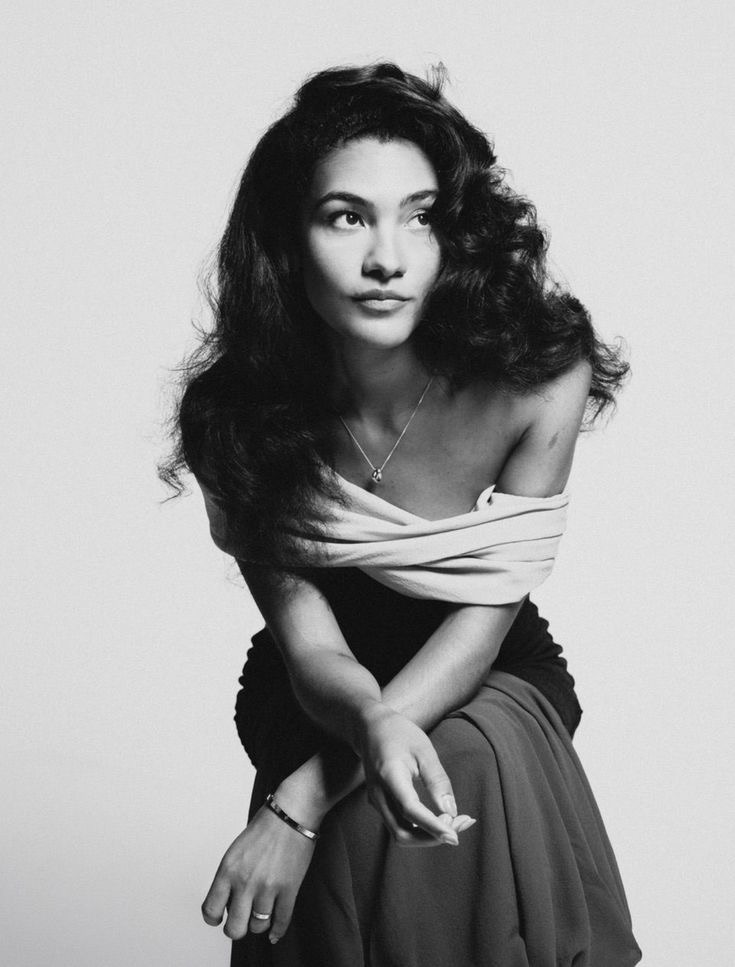
Olivia Dean for Vogue 2025
Culture and creativity exist in a feedback loop. When artists create, they contribute to the cultural environment; when culture shifts, it in turn reshapes artistic output. This mutual influence can elevate society, but it can also usher in harm when left unchecked.
Across Nigeria and the African diaspora, the loop’s effects are unmistakable. Nollywood molds ideas of romance, gender roles, and success/socioeconomic aspirations.
Afrobeats heavily influences fashion, language, and identity politics. Social media skits often slip from satire into stereotyping, normalizing biases.
The pattern is simple: people mirror what they consume, and creatives, because of their visibility, shape far more than they intend.
Collective ethical creativity, therefore, becomes crucial. Not for censorship, but for awareness that art helps form public consciousness. Works like Falz’s ‘This Is Nigeria’ or Fafunwa’s theatre prove that creativity can challenge norms, expose truth, and reimagine values.
But when creators prioritise virality, shock, or profit without regard for consequence, culture pays the price. The “downward slope” audiences lament is less about aesthetic decline and more about the erosion of the ethical imagination that once anchored African art.
Restoration is not a call for nostalgia but for responsibility. The aim is not to restrict creativity, but to ground it in the awareness that artistic work shapes a society’s moral architecture.
A renewed creative culture would require:
- Intentionality—artists who ask what their work will generate in the world;
- Cultural literacy—an understanding of the communities they influence;
- Ethical imagination—a commitment to elevating rather than eroding values;
- Respect for legacy—the knowledge that every work enters the cultural archive; and
- Audience responsibility—consumers who demand integrity, depth, and meaning.
The goal is not to return to the past but to reclaim the principle that made past creative work impactful: art that is both free and responsible.
Returning to Nnyanzi’s warning, the question posed earlier can now be answered. Yes, creatives often underestimate the cultural and moral weight of their work, yet audience pushback shows that restoring artistic integrity requires recognizing creative expression not as mere entertainment but as cultural authorship that must be handled with care.


.png)

