.svg)


Few artists have had a front-row seat to Afrobeats' global rise quite like Wizkid. Fewer still can claim to have helped engineer it. Over the last fifteen years, the Lagos-born artist has evolved from a teenage sensation into one of the most influential figures in contemporary music, building a career defined by chart-topping records, sold-out arenas, industry accolades, and cultural milestones that have helped reshape perceptions of African music worldwide.
What began with local radio hits and regional acclaim eventually became something much larger. Alongside a generation of African artists pushing the genre forward, Wizkid emerged as one of the defining faces of Afrobeats' international breakthrough, helping carry sounds born in Lagos to audiences across Europe, North America, Asia, and beyond.
Today, his legacy extends far beyond streaming numbers or chart positions. It can be found in the global appetite for African music, the doors opened for younger artists, and the growing recognition of Afrobeats as one of the defining musical movements of the 21st century.
Ahead of our upcoming album pre-release listening experience in Paris, we revisit the milestones, records, and defining moments that have shaped Wizkid's remarkable rise and cemented his place among music's most important global stars.
The Superstar Era That Started It All
When ‘Superstar’ arrived in 2011, Nigerian music was entering a period of rapid transformation. The country's pop scene was becoming increasingly ambitious, driven by a generation of artists determined to create music that could compete on an international level while remaining distinctly African.
At just twenty years old, Wizkid found himself at the center of that movement. The album produced a string of defining records, including ‘Holla At Your Boy,’ ‘Pakurumo,’ ‘Don't Dull,’ and ‘Tease Me,’ songs that quickly became staples across radio stations, clubs, and university campuses throughout Africa. More importantly, Superstar introduced listeners to an artist whose instincts extended beyond conventional pop stardom.
His ability to blend Nigerian influences with contemporary R&B, dancehall, and pop created a sound that felt both local and globally accessible. That balance would later become one of the defining characteristics of Afrobeats' international appeal. For many fans, Superstar was simply the arrival of a promising young artist. In hindsight, it was the foundation of a career that would help redefine African music's place within global culture.
How "Ojuelegba" Changed Everything
Still on the rise, ‘Ojuelegba,’ is perhaps Wizkid’s career’s turning point. Released on his self-titled 2014 LP, ‘Ayo,’ the song reflected on his journey through one of Lagos' most recognizable neighborhoods, documenting ambition, struggle and perseverance with a level of vulnerability that distinguished it from many contemporary hits.
The record resonated deeply throughout Africa, but its influence soon expanded far beyond the continent. After attracting the attention of British grime star Skepta and eventually Drake, 'Ojuelegba’ received an official remix that introduced Wizkid to a wider international audience. Its significance cannot be measured solely through streams or chart positions. The song became one of the earliest modern Afrobeats records to demonstrate that African music could travel globally without abandoning its cultural identity. Rather than adapting himself for international audiences, Wizkid watched international audiences adapt to him.
Looking back, ‘Ojuelegba’ represented more than a successful single. It served as a bridge between regional stardom and global recognition, helping establish a pathway that countless African artists would later follow.
The One Dance Effect

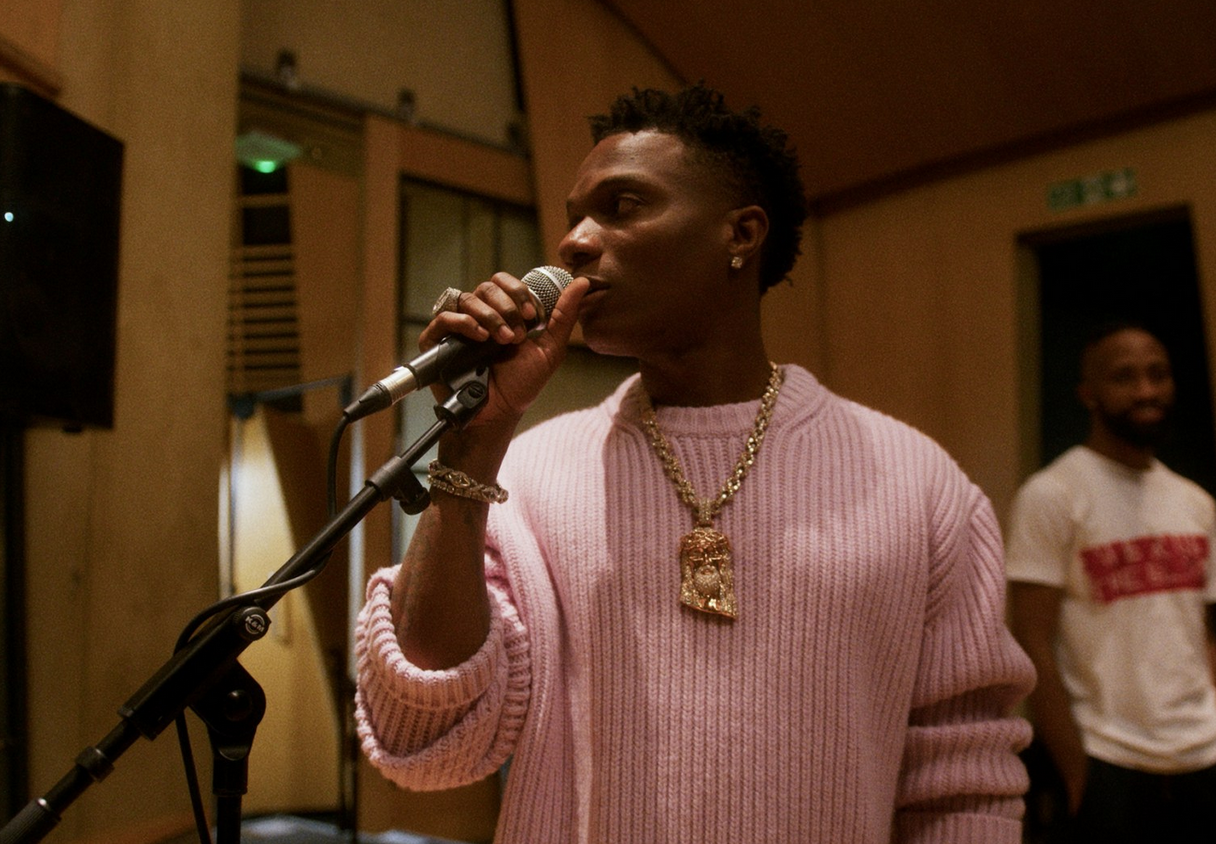
Come 2016, and ‘One Dance’ dominates. The Drake global smash featuring Wizkid and Kyla became one of the defining songs of the streaming era. The record topped charts across multiple countries and ultimately became the first song in Spotify history to surpass one billion streams. For Wizkid, the collaboration represented a dramatic shift in visibility. Audiences who had never encountered Afrobeats suddenly found themselves dancing to rhythms and melodies rooted in African music traditions. What made the achievement particularly significant was that the song's success wasn't framed as a niche cultural moment–it was mainstream popular culture at its absolute peak.
The industry's response was immediate. Major labels increased their investment in African talent. International media outlets began paying closer attention to Afrobeats. New audiences became curious about the artists shaping the genre's future. Nearly a decade later, the ripple effects of the hit remain impossible to ignore.
The momentum generated by 'Ojuelegba' and 'One Dance' eventually led to Wizkid signing a landmark global deal with RCA Records, positioning him among the first African artists to secure major-label backing on that scale.
Collaborations That Expanded the Map
As Wizkid's profile continued to grow, so did the scale of his collaborations. Over the years, he has worked alongside some of the biggest names in music, including Beyoncé, Chris Brown, H.E.R., Justin Bieber, Skepta, Ella Mai, Brent Faiyaz and more. Yet what makes these collaborations notable isn't simply the star power involved. It's the fact that Wizkid managed to maintain his artistic identity throughout them.
His involvement in Beyoncé's ‘The Lion King: The Gift’ project marked a particularly important milestone. ‘Brown Skin Girl’ won Best Music Video at the 63rd Grammy Awards, earning Wizkid his first Grammy and further cementing his position on the global stage. The achievement reflected a broader shift taking place within global music. African artists were no longer being invited into international conversations as occasional guests. They had become central contributors shaping the direction of contemporary popular culture.
The Made in Lagos Phenomenon
While Wizkid had already achieved international success, ‘Made in Lagos’ elevated him into an entirely different category. Released in 2020, the album arrived during a period of global uncertainty and quickly established itself as one of the defining projects of the decade. Built around understated production, rich melodies, and a refined sense of confidence, it showcased an artist operating at the height of his creative powers.
At the center of its success was ‘Essence,’ featuring Tems, the song evolved from a fan favorite into a genuine global phenomenon. Its rise felt organic, fueled by listener enthusiasm rather than traditional industry machinery. Eventually, it became the first Nigerian song to reach the Billboard Hot 100 Top 10, helping introduce Afrobeats to audiences on an unprecedented scale. More importantly, the track changed perceptions by demonstrating that African music didn't need to conform to existing industry expectations to achieve mainstream success. Instead, the industry was beginning to adapt to Africa. The album also became one of the longest-charting African projects in Billboard history, further demonstrating Afrobeats' growing commercial power outside the continent.
Conquering the World's Biggest Stages
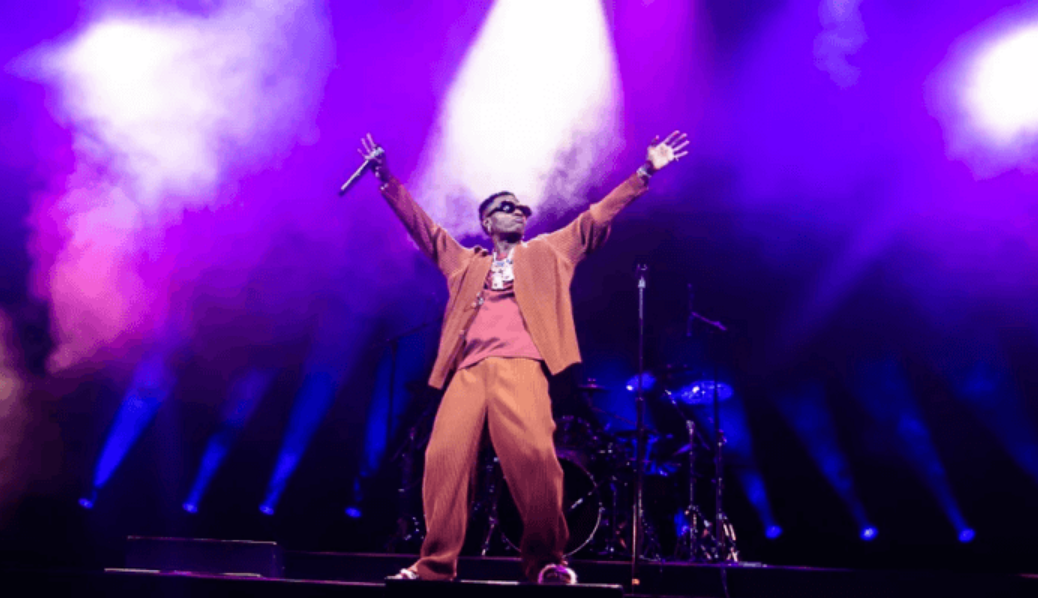
Streaming success tells one story. Live performance tells another. Throughout his career, Wizkid has repeatedly demonstrated an ability to convert popularity into real-world audience demand. From selling out London's Royal Albert Hall to becoming the first African artist to headline three consecutive nights at the O2 Arena, his live achievements have consistently expanded expectations surrounding African artists.

In 2023, he reached another historic milestone when he became the first African artist to headline Tottenham Hotspur Stadium in London. The significance of the moment extended beyond attendance figures. Stadium performances occupy a different category of live entertainment altogether, reserved for artists capable of mobilizing massive audiences across countries, demographics and generations. By reaching that level, Wizkid wasn't simply breaking records. He was redefining what was possible for African performers on the global stage.
The Legacy of the Blueprint
More than a decade after his breakthrough, Wizkid's influence extends far beyond music. His career helped create pathways for a new generation of African artists seeking global audiences. He demonstrated that international success did not require abandoning local identity. He proved that music created in Lagos could resonate in London, Los Angeles, Paris, and beyond.
Even as he enters a new chapter, Wizkid continues to evolve. His 2024 album ‘Morayo’ offered one of the most personal projects of his career, revealing a more reflective side of the artist while reinforcing the creative versatility that has defined his longevity.
Today's Afrobeats landscape is larger, more visible, and more commercially powerful than ever before. While many artists contributed to that growth, Wizkid remains one of its most important architects. His achievements can be measured through awards, streams, sold-out venues, and chart records. Yet his greatest accomplishment may be something far less quantifiable. He helped change the way the world listens to Africa–and in doing so, helped reshape the global music landscape itself.
IG:@_stanleykilonzo
Cover Credit: Kevin Amato / GQ South Africa





.png)

