.svg)

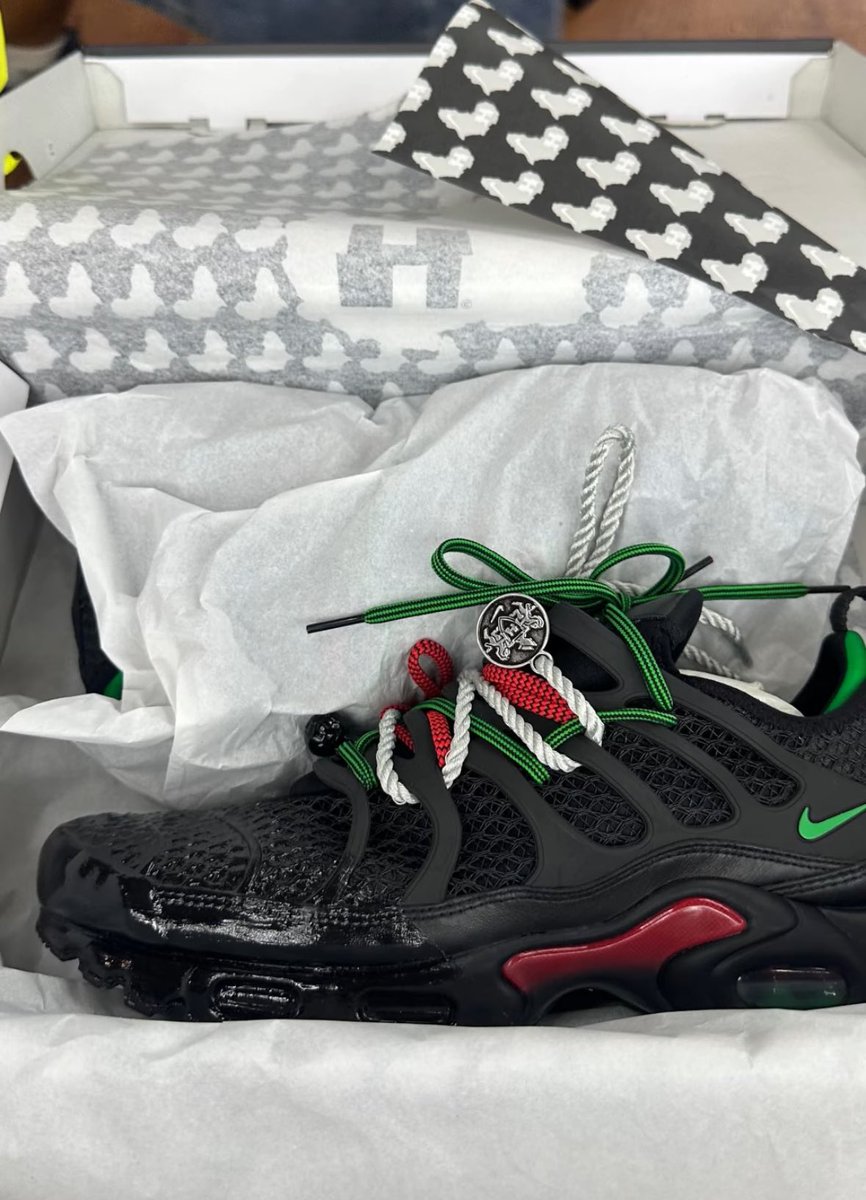
Everyone is talking about the HOMECOMING x Nike Air Max Plus collaboration. And they should be. Launching during the HOMECOMING festival between April 2–7, 2026, the shoe arrived not just as a limited drop but as a cultural landmark, one that landed differently than anything Nike has put into the world before. This is not just a big-time collaboration. This is something else entirely.
Grace Ladoja is the first African woman to collaborate with Nike.
It is a headline that makes you stop and feel exactly how far and how fast culture is moving in Africa and in the diaspora. Nike collaborations have always been reserved for the most influential names in the world: Virgil Abloh, Michael Jordan, and Serena Williams. The fact that Grace Ladoja now sits in that same sentence, as the founder of HOMECOMING, as a cultural curator who built her platform from the ground up in Lagos, tells us the creative and cultural codes of the world has genuinely shifted.
HOMECOMING was always a stage for youth culture. A space built to give everyone, in music, fashion, art, and beyond, the chance to shine, and to see that the life they were imagining for themselves was not out of reach. But this collaboration elevated that mission to a new frequency. Grace is not simply a founder who partnered with a brand. She is someone who grew up dreaming about these very shoes.
"I saved up my bus fare to buy the shoe when I was young. I walked to school for 60 days to buy this shoe, so it feels really special to have it be the first thing I've worked on with Nike,” Ladoja stated in an interview with Hypebae. “I'm a sneakerhead, and I interned at Crooked Tongues when I was younger. I've been in sneaker culture, and I know what the shoe represents. Sneakerheads love it. Roadmen love it. Future African creatives love it. The silhouette is amazing. It's a perfect shoe for me." -
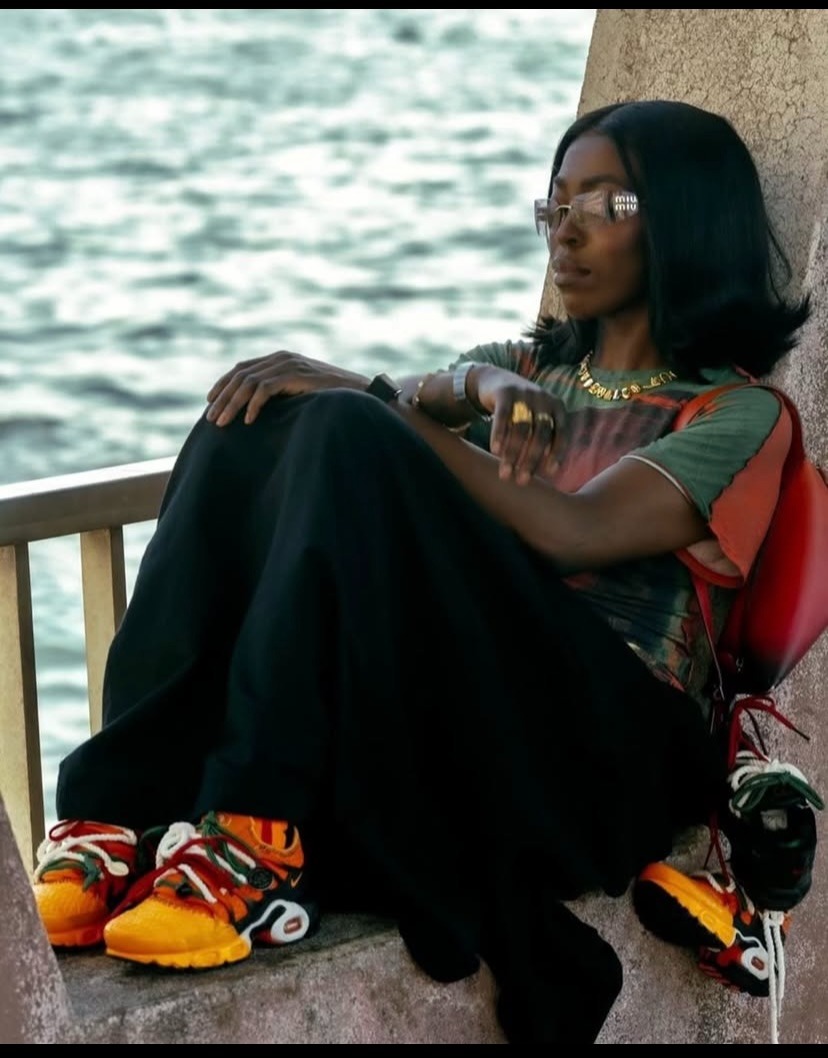
For any young person in Africa who grew up saving coins, studying drops, understanding instinctively that the shoe on your foot was a statement about who you were and who you were becoming, this collaboration does something that goes beyond aesthetics. It says. someone who grew up exactly like you made this. That kind of visibility alters what young people believe to be possible for themselves. It dismantles the quiet, persistent lie that African creatives are supporting acts in the global cultural story rather than its authors.
"One colorway is really about the African sunrise. When you're in Nigeria or anywhere in West Africa, the sunrise and the sunset is a deep orange,” Ladoja explains. “It feels quite magical. That color celebrates a kind of rebirth or restart… With the textures, the whole shoe is inspired by the weaving technique and texture that was around the African sponge."
Every young person who learns the story behind this shoe, that a Nigerian woman built a festival, built a global creative community, and then sat down with Nike to design something loaded with Pan-African meaning, gives them permission to do more. For too long, Africa has been reduced to a single story often describing it as a place that contributes colour and rhythm to global culture while rarely receiving credit for either. African creativity has consistently been simplified, reshaped, and packaged to fit a Western narrative. This collaboration changes that. The creative energy pouring out of African cities, Lagos especially, has been dismantling that tag for years. But dismantling a narrative takes more than art. It takes infrastructure, institutions, and moments that cannot be ignored. This is one of those moments. When Africans are not just inspired by this collaboration but working on it, when the campaign involves African photographers, African creatives, and African magazines, the shift becomes structural. It becomes a new standard; one that the industry can see, and one that the next generation of African creatives can measure themselves against.
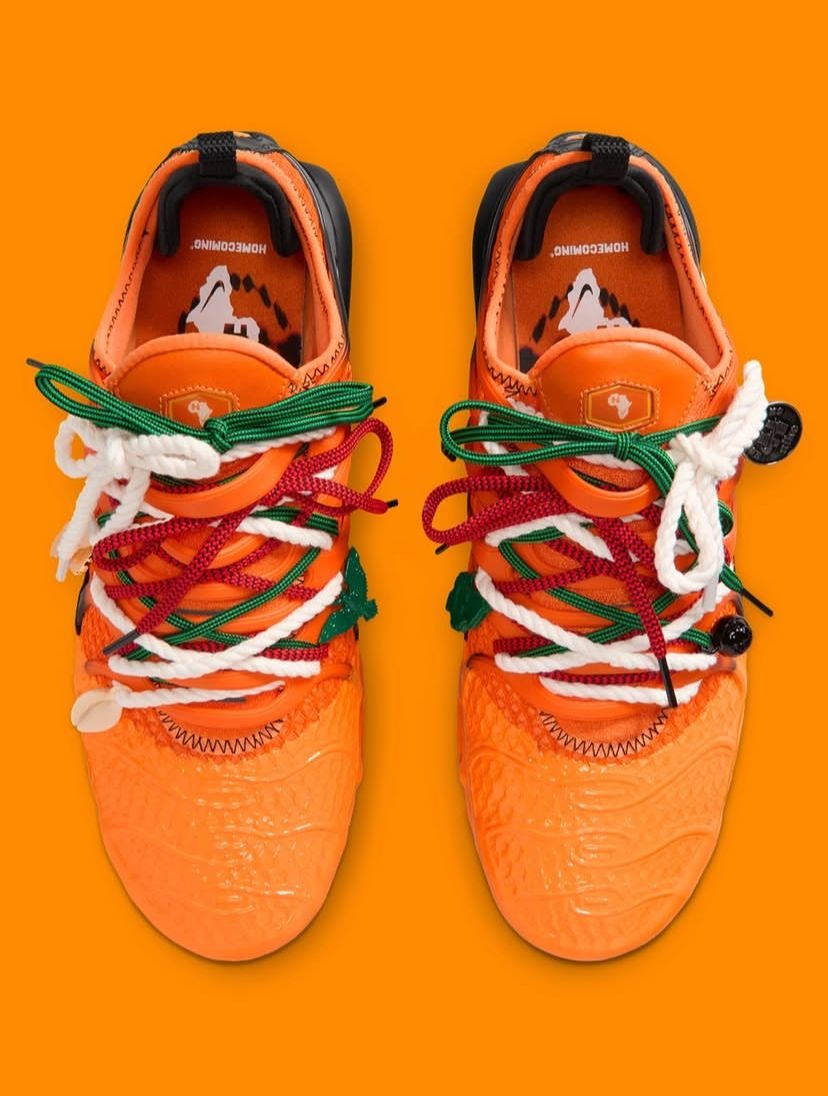
Grace Ladoja did not just make shoes. She made an argument. The argument is that African creativity is not regional, niche or alternative. It is central. It is what the world is moving towards, and it has been here all along. Through community, through consistency, through a refusal to shrink HOMECOMING into something more palatable, more portable, or more legible to audiences who were never the intended ones, Grace has built something that now has the whole world paying attention. This is not an ordinary collaboration. It may be one of the most significant moments in African youth culture of this generation, not because of the brand attached to it, but because of the story it tells about who gets to shape global culture.
The answer, finally, undeniably, is: us.


.png)

