.svg)

Of the many traditions in my home, the most annoying one growing up was the 9 pm Network news we had to watch, and right after it came the morning news while I got dressed for school. But right now, that routine feels hollow, because when I hear the phrase “unconfirmed number of students,” I don’t hear a vague statistic. I hear a gut‑wrenching echo of fear.
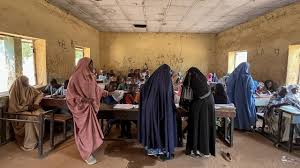
In the early hours of 21 November 2025, armed men attacked St. Mary’s Private Catholic Secondary School in the Papiri community of Agwara LGA, Niger State. Reports say they came in by the dozens on motorcycles and a van, raiding the school hostel. The authorities are still scrambling to confirm exactly how many students and staff were taken. Some say more than fifty, others claim over a hundred. Security forces are combing nearby forests now. The horror is real, the count still rising, and families are waiting in dread.
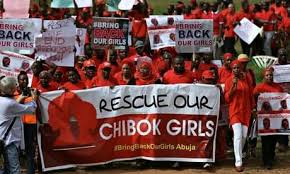
That sentence, “unconfirmed number of students,” slams into me like a brick. Because I know how this goes. I’ve lived through the memory of a similar news flash. I know how it feels when what starts as a report becomes a wound that never fully heals. I remember April 2014. I was dressed for school, my bag packed, when Big Mummy told me we weren’t going that day. She told me why. 276 girls had been kidnapped at Government Girls’ Secondary School in Chibok, Borno State, by Boko Haram. Girls my age. Girls who could have been me. That number swirled in my mind, and it never quite left.
But Chibok was only the beginning.
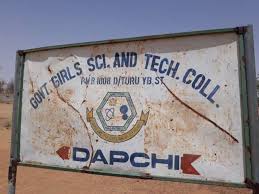
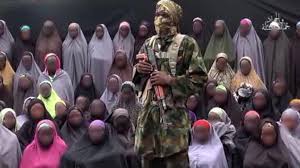
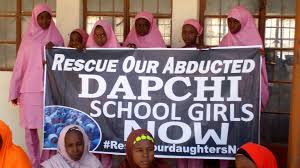
In February 2018, around 110 girls were taken from Government Girls’ Science & Technical College in Dapchi, Yobe State. Some returned, but not all.
On 12 December 2020, 344 boys were stolen from the Government Science Secondary School in Kankara, Katsina State. Then on 17 February 2021, 27 students, plus three staff and twelve family members, were abducted from Government Science College in Kagara, Niger State, in a raid so early that pupils were asleep. One student died.
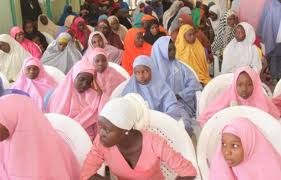
Just over a week later, on 26 February 2021, 279 female students, aged 10 to 17, were taken from their school in Jangebe, Zamfara State.
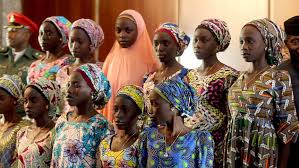
On 11 March 2021, 39 students (23 girls, 16 boys) from the Federal College of Forestry Mechanization, Afaka (Kaduna State), were kidnapped in a massive raid. On 20 April 2021, armed bandits struck again at Greenfield University in Kaduna State. At least 22 people including students and staff were taken; reports say five students and one staff later died.
A month later, in May 2021, a koranic Islamic school in Tegina, Niger State, was hit. Between 100–200 children were abducted, some so young that they couldn’t walk, others released for that reason. Then in March 2024, in a horrifying raid just after morning assembly, over 200 pupils including both primary and secondary students were taken from a school in Kuriga, Kaduna State.
There are others too. On 17 June 2021, around 11 students were taken from Government College, Birnin Yauri in Kebbi State. And these are just some of the recorded mass abductions. The tally is long. These are not just numbers. These are children. Girls and boys. Teenagers dreaming of graduation, of writing essays, of laughing with friends in the school yard. Students packed into dormitories, studying, sleeping, never imagining that the night could break into shouts, gunfire, and the roar of motorcycles.
In Kagara, they took not just students, but teachers and their families, mothers or younger siblings sleeping beside them, now ripped into the unknown. In Jangebe, young girls woke up to the sound of gunfire, to people barging into their school, herding them into trucks, shouting demands that felt like final verdicts. In Tegina, some children were too small to run, too small to defend themselves. They were just children.
Each abduction left a scar. Parents waiting, hoping. Security forces scrambling. Ransom demands. Negotiations. Sometimes releases. Sometimes escape. And often long-term trauma that no one counts in the news. I think about today, about those children in Papiri, Niger State. I wonder about their names, though I don’t know them yet. I imagine their parents, waking up, realizing their children are missing. I think about the fear that must be another kind of weight, the weight of uncertainty, of grief, of hope.

This story is not new. It repeats. It adapts. Boko Haram started some of these raids, but many now are carried out by bandits, groups who see kidnapping as business, as bargaining leverage. There is a booming, brutal industry in this. Not just violence, but extortion, politics, power. And every time, a school becomes a battlefield. A place that should be safe for learning, for growing, becomes a target instead.
I want to name them, all of them, because forgetting is part of how this continues. Those 276 girls from Chibok. Some were freed, others remain unaccounted for. Those 110 from Dapchi, those 344 Kankara boys, the Jangebe girls, the Tegina children, the Kuriga pupils, the Greenfield students. Behind each number is a person, a family, a story. And now, tonight, those students from St. Mary’s, Papiri. Their names are not yet all out, their numbers not fully confirmed. But they are there. They are among us. And until they are safely home, there must be no silence, no looking away, no accepting this as normal.
This is our story. This is Nigeria’s story. And the world must keep listening.



.png)

