.svg)

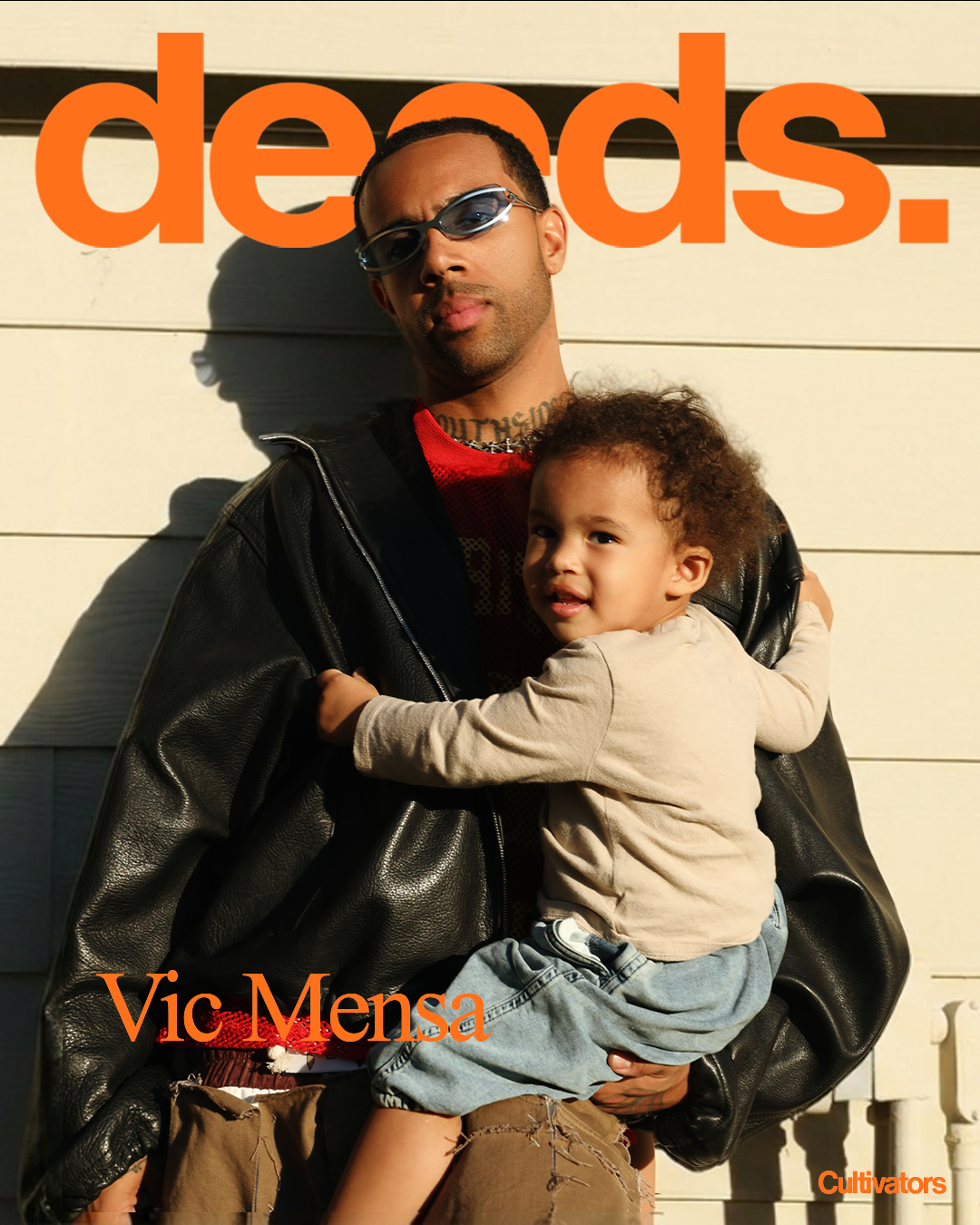
Long before his recent Webby Award win for The Orange Tree, Vic Mensa had established himself as one of the most compelling cultural voices of his generation. Artist, activist, community organizer, filmmaker, and entrepreneur, the Chicago-raised Ghanaian-American has spent more than a decade building bridges between Black America and the African continent while challenging conventional ideas of what a modern artist can be.
At a time when visibility is often mistaken for impact, Mensa’s work has consistently extended beyond music. From grassroots initiatives addressing systemic inequality and providing resources to underserved communities, to creating platforms that preserve and celebrate Black culture, his career reflects a commitment to action as much as expression. Whether through activism, storytelling, fashion, film, or music, his work is rooted in a larger mission: cultivating connection, consciousness, and cultural exchange across the African diaspora.
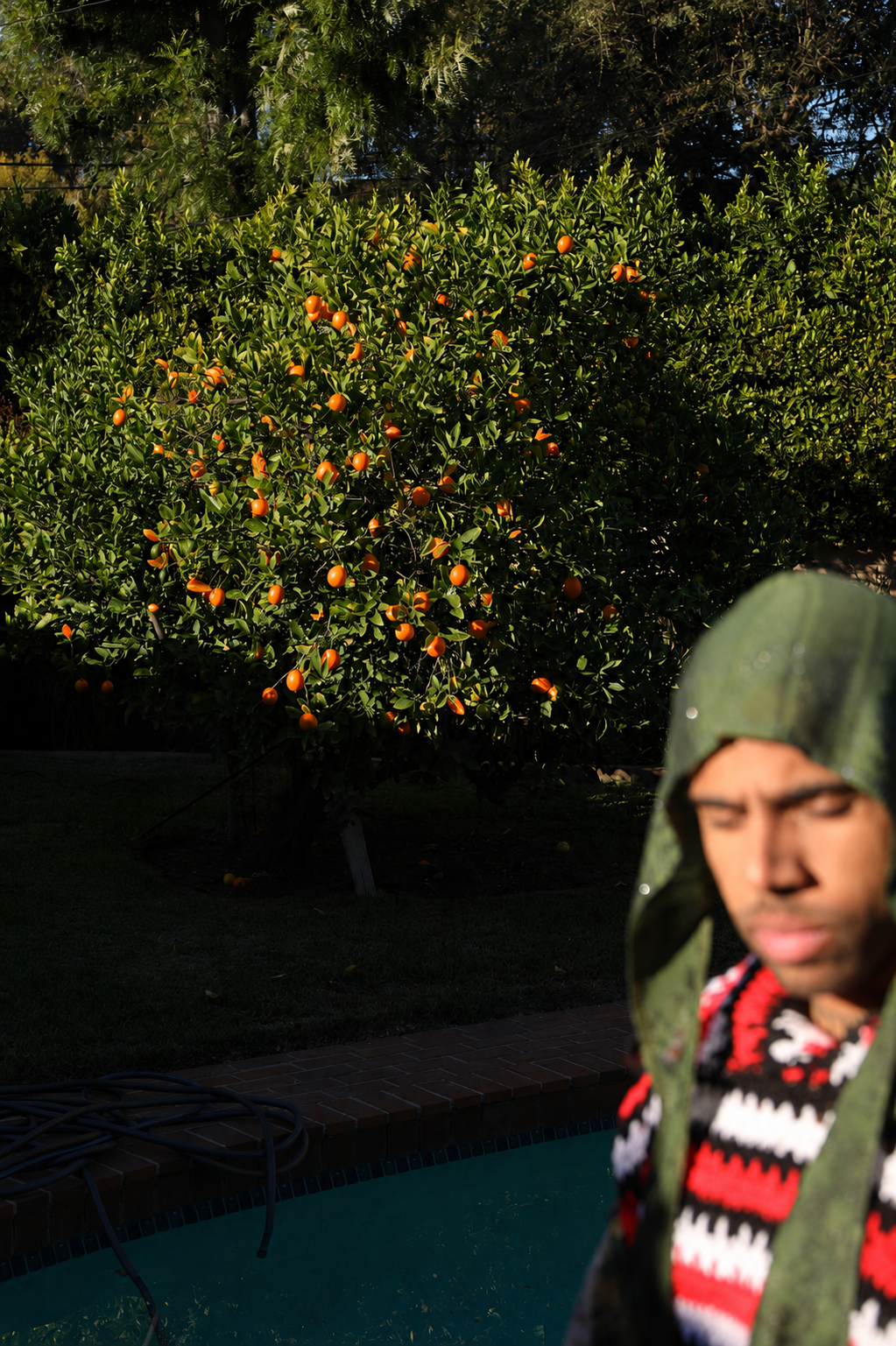
That perspective is deeply informed by his own identity. “Chicago is essential to my unique framing,” he says in a conversation with Deeds Magazine. “The South Side-meets-Ghana is the DNA. The only thing that will be valuable for artists [over time] is their unique framing.”
With a gritty voice and a punk-rock sensibility, Mensa first emerged as a singular force with his 2013 mixtape INNANETAPE, distinguishing himself through a rare combination of vulnerability, political awareness, and creative fearlessness. His debut album, The Autobiography, peeled back the layers of his personal struggles while sparking conversations around addiction, mental health, and social justice.
Over the years, his creative universe has expanded far beyond music. From the SaveMoneySaveLife Foundation and his 93PUNX collective to his award-winning storytelling platform The Orange Tree, Mensa has continued to use culture as a vehicle for dialogue, education, and transformation.
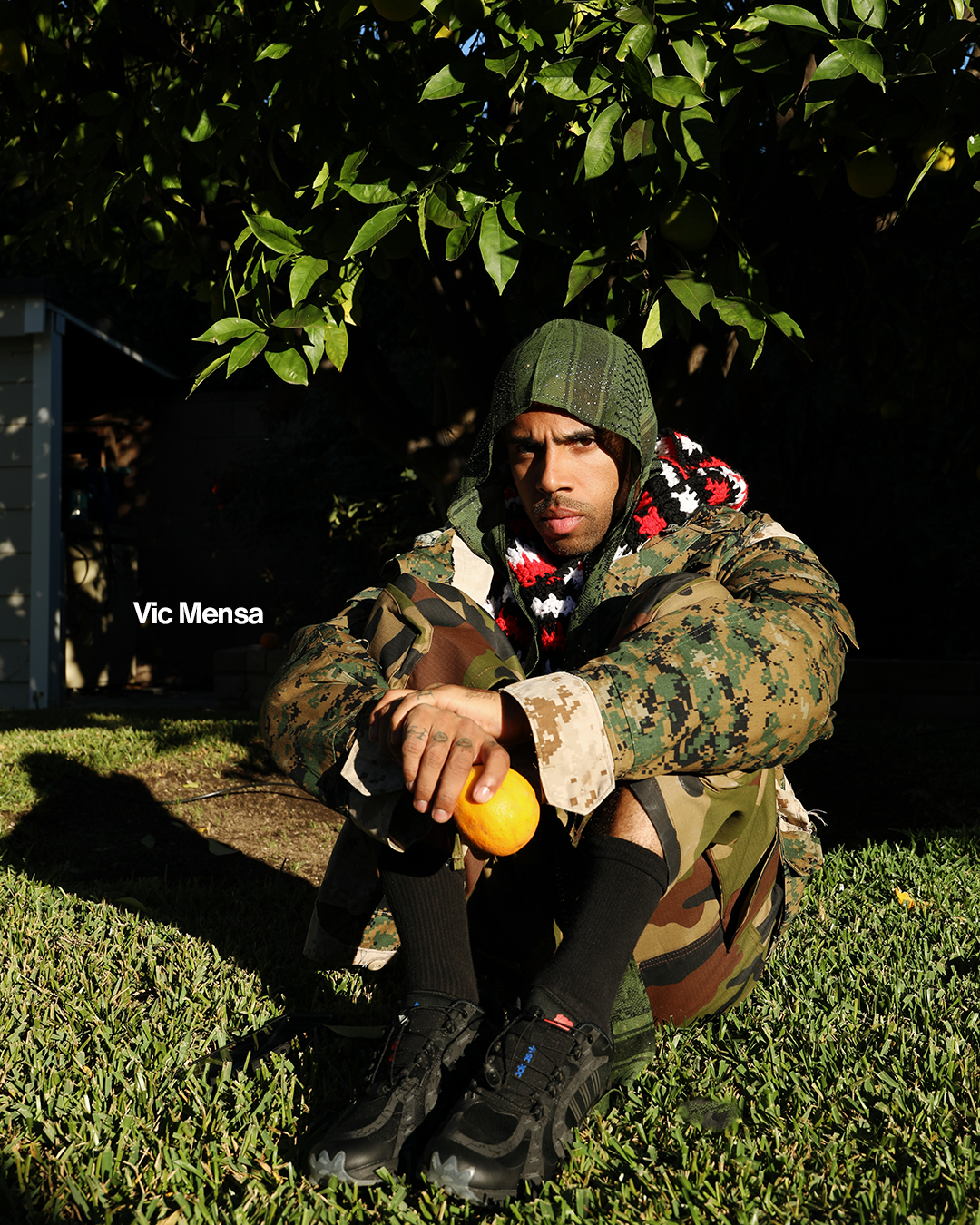
As part of our Cultivators Issue, we sat down with the multifaceted creative to discuss spirituality, fatherhood, Black identity, cultural responsibility, and the evolving legacy he hopes to leave behind.
You've built a career that refuses to stay inside one box. Was there ever pressure to simplify yourself for the industry?
There's always feedback from various people over the years about what lane to stay in or what I should do. Open to it as it can help you grow but can also lead you away from other ideas. I've found that I'm at my best when I put intention behind my work.
You've spoken openly about sobriety, healing, and discipline over the past few years. How has that shift changed the way you approach art, success, and masculinity?
Sobriety is instrumental to the approach in that every decision is intentional. There was less free-wheeling for sure, maybe less playful, but also more sustainable. As a drug addict I'm on the shot clock, the crash is coming. On masculinity? i don't know. I don't really think about masculinity a lot. I think I'm more focused on just being a human.
There's a strong spiritual thread running through your recent work and interviews. How has reconnecting with faith and African spirituality reshaped your understanding of identity?
Faith is central to my reimagination of self. I need faith to stay above water. I lean on the ancestors and Allah in the same breath.
.jpeg)
Your recent Webby Awards recognition feels like a moment that reflects the cultural impact of your storytelling beyond music. What did that win mean to you personally, and what do you think it says about the kind of narratives audiences are connecting to right now?
The Webby Award was fire! I appreciate the people winning that for me and my manager Meg submitting it. The Orange Tree Series is interesting work. I’ve always said that sometimes my ideas come out as a song, sometimes an essay or a script, sometimes a film. But at the end of the day it's just ideas. It's been recharging to see people connect to me for just being me.
A lot of artists speak about "using their platform," but your activism has consistently felt rooted in real community work. How do you balance visibility with genuine impact?
Visibility is important in certain ways as it can raise awareness to causes that are important. When I'm able to raise awareness to causes that I care for whether it's with shoe donations, giving back directly with clothing or food and clean water in Ghana, I want to make sure it has good intentions behind it. For media/attention, if it comes and makes a difference that can be a blessing too.
You've collaborated with artists across rap, punk, electronic music, and alternative spaces while still sounding unmistakably like yourself. How important has creative freedom been in your journey?
I'm a Gemini so I'm very polar. I've done a lot of different things in the past but I try not to think about them too much. Most of my day is spent just returning to the present.
What does family mean to you right now? What /who is the singular most important part of your life right now?
.jpeg)
Becoming a father has changed everything about my life. It all revolves around that role now, around my son and his mother.
How would you describe your connection and responsibility to Black culture as an African and an American.
I first visited Ghana 20 years ago now, it's crazy to realize how long it's been. As a conduit between the black American experience and the continent I feel l am in a unique position to be a bridge for these two intrinsically intertwined worlds.
Your artistry often feels deeply cinematic or even the emotional structure of your music videos and performances. Do you see yourself expanding further into film and visual storytelling?
I've been learning a lot about filmmaking both behind the camera and on the page. I've written countless scripts, jokes, scenes, skits, you name it. I made a short film earlier this year called Halfrican that l've submitted to a few film festivals and will be coming online soon. So yes, Film is a very significant part of what I see for myself in the future.
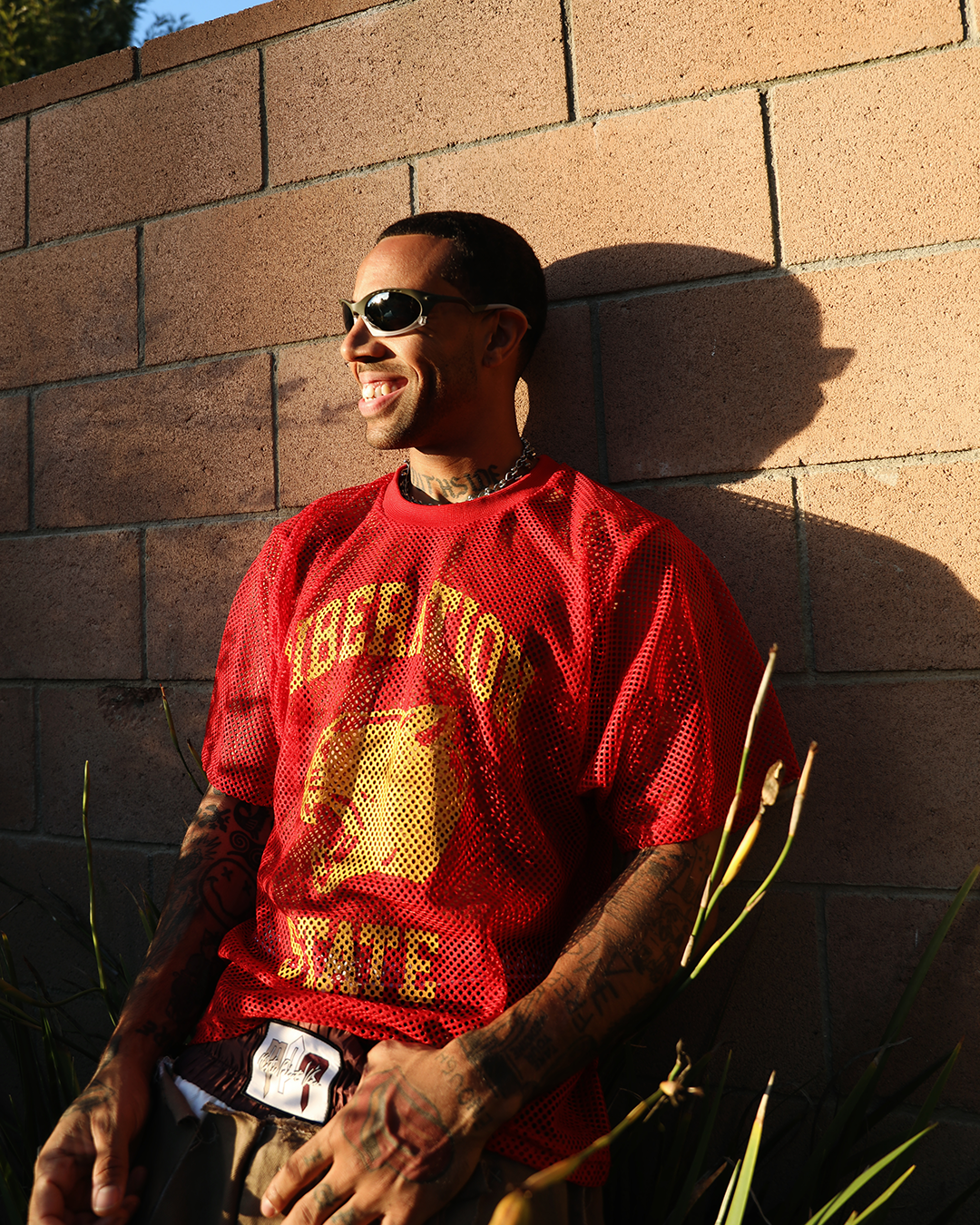
We're seeing a growing cultural bridge between Black America and Africa. From your perspective, what conversations still need to happen between both worlds?
Colonialism has done a number on us. We fixate on our differences because it has always served our oppressor for us to be divided. Massive resources from multinational parasites are poured into fan the flames of discord amongst people of African descent, globally. Education is the answer. Africans are educated on black Americans black Americans are educated on Africans are educated on Caribbean's, The bickering and fighting takes a completely different turn.
A lot of younger artists are struggling with the pressure of constant visibility and online performance. What advice would you give creatives trying to protect their humanity while building a career in public?
It's definitely a different time than when I started. You're going to have people who doubt you, everyone does no matter what you do. If you're dedicated and creative, there is no ceiling. Don't be afraid to fail.
Do you think audiences are finally becoming more open to emotional honesty from male artists?
Yes and no. I think audiences and fans gravitate to what they gravitate to, if we're being honest, comments and headlines can change opinions too. Releasing music, it's an extension of myself and whatever opinions or thoughts, hopefully good that people have on it means a lot.
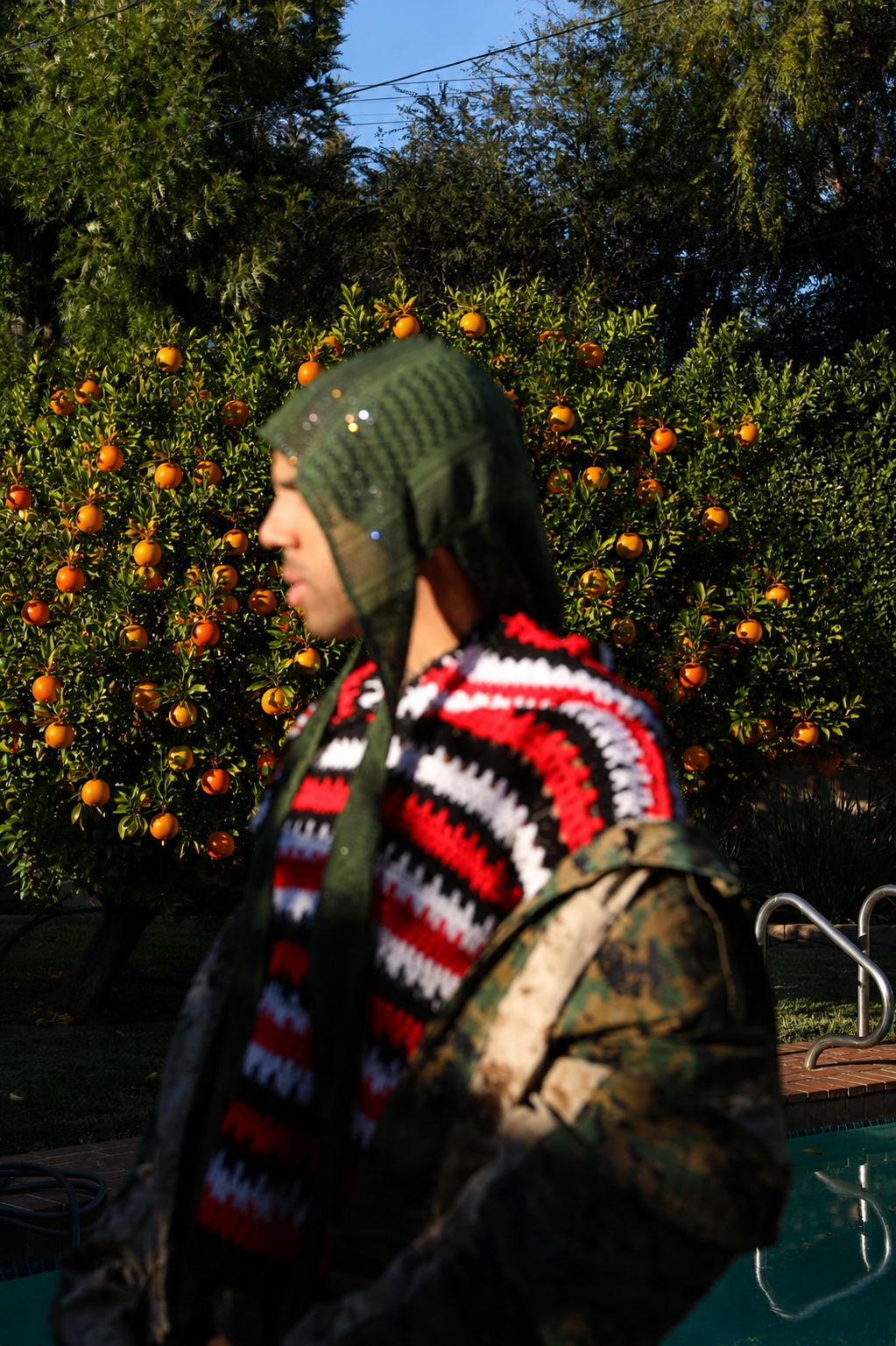
What's something people misunderstand about evolution especially when it happens publicly?
When it comes to music you can't make the same album twice. It just doesn't work. Would Michael be Michael if he made two thriller's? Just like yourself or whoever is reading this, you can't expect an artist to be the same person they were when they dropped an album 3-5 years ago. The person or music can be different. I challenge myself constantly to evolve and try new things.
Deeds Magazine focuses heavily on cultural architects and cultivators shaping global Black culture. Who are some people - famous or not - that have cultivated you?
I would say Aja Monet is a person who has cultivated me and organized me into movements. I give a lot of credit to her. She introduced me to Malcolm x Autobiography when I was 16, took me to Palestine in 2017, and has always cultivated my gifts.
.jpeg)
Looking ahead, what kind of legacy feels most important to you now. Is it the music, the impact, the ideas, or the lives changed along the way?
Lives changed, luckily I'm able to do that with music, impact, and ideas. The most important thing to me is doing the right thing. When I leave this earth one day, as we all do.
That will matter the most to me.
Your work has always existed at the intersection of Music, Activism, Spirituality, and Personal evolution. What does being a Cultivator mean to you at this stage of your life and career?
Being a cultivator is being a curator, I think i’m always curating influences, inspirations and ideas into a creative way of being.
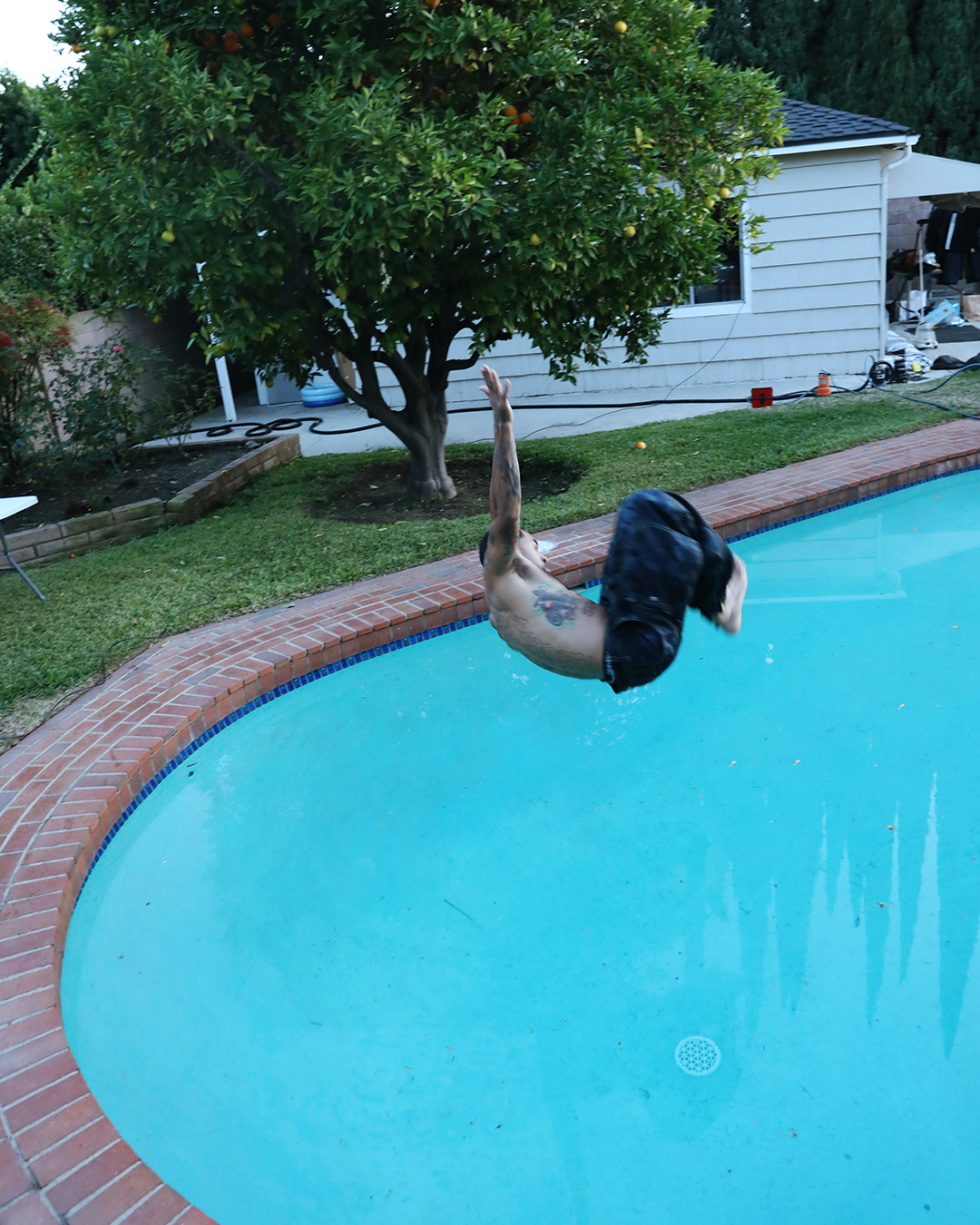
Credits
CD : Roderick Ejuetami
Photographed by Roderick Ejuetami (@deeds_art)
Styling : Sina Braetz (@sinabraetz)
Video: @johnny_cooke
Design: @salame
Photo assistant : @merklafamilia
styling assistant
Maria-Cristina Scheifler
@cristinamariahahaha
Wearing : @legacy.world Collection 3 durag
Glasses: BRU Eyewear
Shirt:Vic Mensa
Pants: Milli Point Two
Shoes: New Rock
Jacket Saturday Night) Special
Glasses: BRU Eyeyewear
Shirt:Vic Mensa
Pants: Milli Point Two
Shoes: New Rock
Interview: Roderick Ejuetami
Editor : Ify
Eic : Roderick Ejuetami


.png)

