.svg)


In December of 2023, I was in Dar es Salaam, Tanzania, for a holiday trip and to visit family. During my time there, it was nearly impossible to find any spaces to meet fellow young people with creative interests outside of just nightlife activities. I remember asking my cousins for recommendations of creative spaces, and all they could suggest was an art gallery called Rangi.
Fast forward two years, and I had the pleasure of interviewing Vintage Space, a fast-growing creative collective based in Dar es Salaam.

Vintage Space was founded in 2024 by BM, a Tanzanian creative, as an online space for selling and exchanging vintage clothes. It went on to develop into a vibrant online community of young Tanzanians who shared a love for creativity. Upon gaining a surge in online following, Vintage Space transitioned into offering in-person creative experiences that channelled art, fashion, and music into a cultural incubator.
BM, now the Creative Director of Vintage Space, is an accomplished photographer and videographer in his own right, having worked with African artists such as Vanessa Mdee, Juma Jux, Sho Madjozi, and others within the Tanzanian, South African, Kenyan, and Nigerian music scene.
At some point in his career, BM felt jaded by his work with artists and began looking for a change in his creative endeavors. Although grateful for the opportunities, he was tired of just being the man behind the camera and wanted to create something of his own. As a person who found self-expression through fashion, BM began collecting vintage clothing items and exchanging them with his friends and the community of fellow vintage enthusiasts. From there, he found Vintage Space and turned it into one of the first and most popular creative collectives out of Dar es Salaam.
Since its establishment, Vintage Space has grown into an ecosystem of young Tanzanian creatives who come together to express their creativity through fashion, art, and music. This collective has gone on to host highly sought-after curated events across the city, partnering up with local brands, artists, designers, musicians, and businesses to bring innovative experiences for local creatives to be in community with one another.
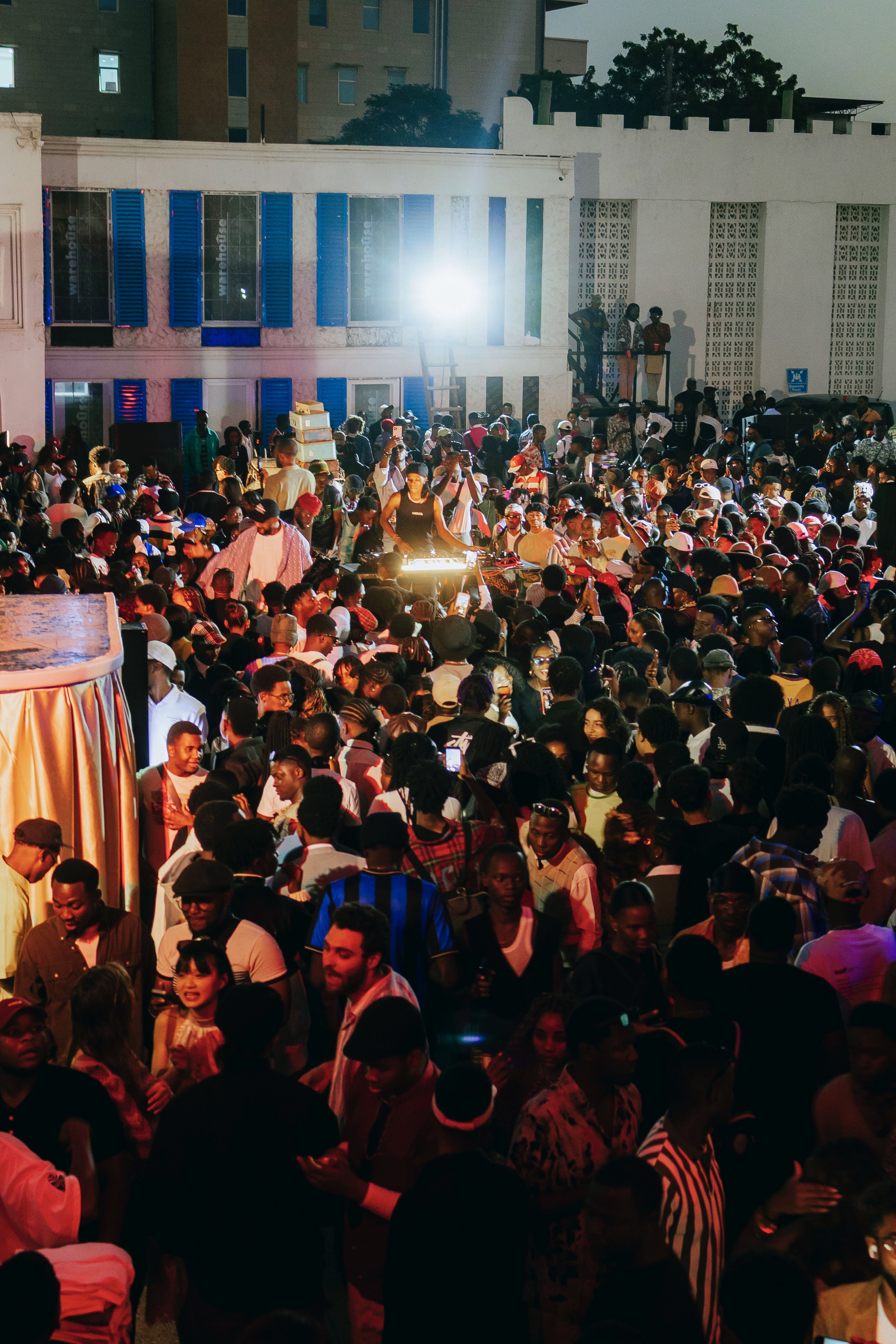
Vintage Space is not just your regular curated event group; it’s a community of Tanzanian creatives who are choosing to define youth culture in their own language. They are creating a new path that questions convention in favor of a more expressive society that speaks through design, style, and cultural movement.
Now, my words won’t do justice in articulating the impact of Vintage Space. Hence why I interviewed BM to help us understand how this collective is shaping a new creative identity for Tanzania.
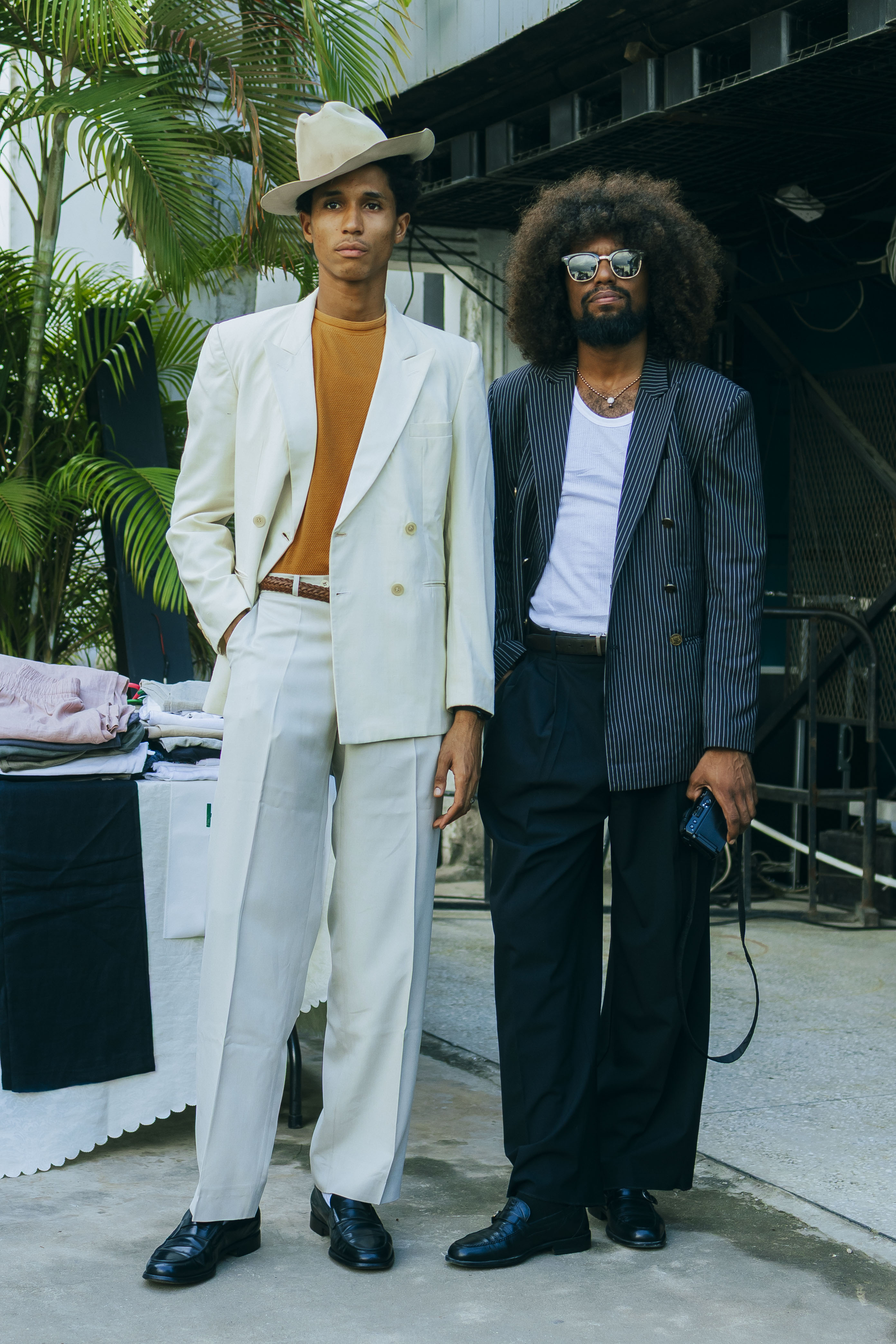
What is Vintage Space? And what inspired you to start this collective?
Vintage space started as a space where we can bring our people. We felt like the creative scene here didn't feel like us. Everybody was just doing their own things, like it felt so individual. So, for vintage space, I wanted to have this space where we can just come together and express ourselves through creativity. And that's why we started Vintage Space.
But our entry point was just selling vintage stuff. We started to collect these thrifted, unique clothes. Cause for me as a Tanzanian, I felt so bad when I go to these stores here in Dar es Salaam or in TZ in general. You might have money, but you go to these stores and you end up finding nothing you like.
So, we started collecting these vintage pieces and shared them with the people who also would like to purchase them. We then opened an Instagram and called it Vintage Space, because I didn’t wanna call it a store since I don't want it to be a store. I want it to be something bigger than just a store. I want it to be more of a community, more of a place where you can come, tell our stories and be ourselves. We then started selling stuff online, documenting these outfits. Then we started to build a following of people who loved our content and all that.
We got invited to this popup, we documented the whole popup. And we saw a lot of people coming together. And I was like, maybe we can do more of this but just bring our people as Vintage Space. We had already built a strong community online, so now we are taking this thing to in-person.
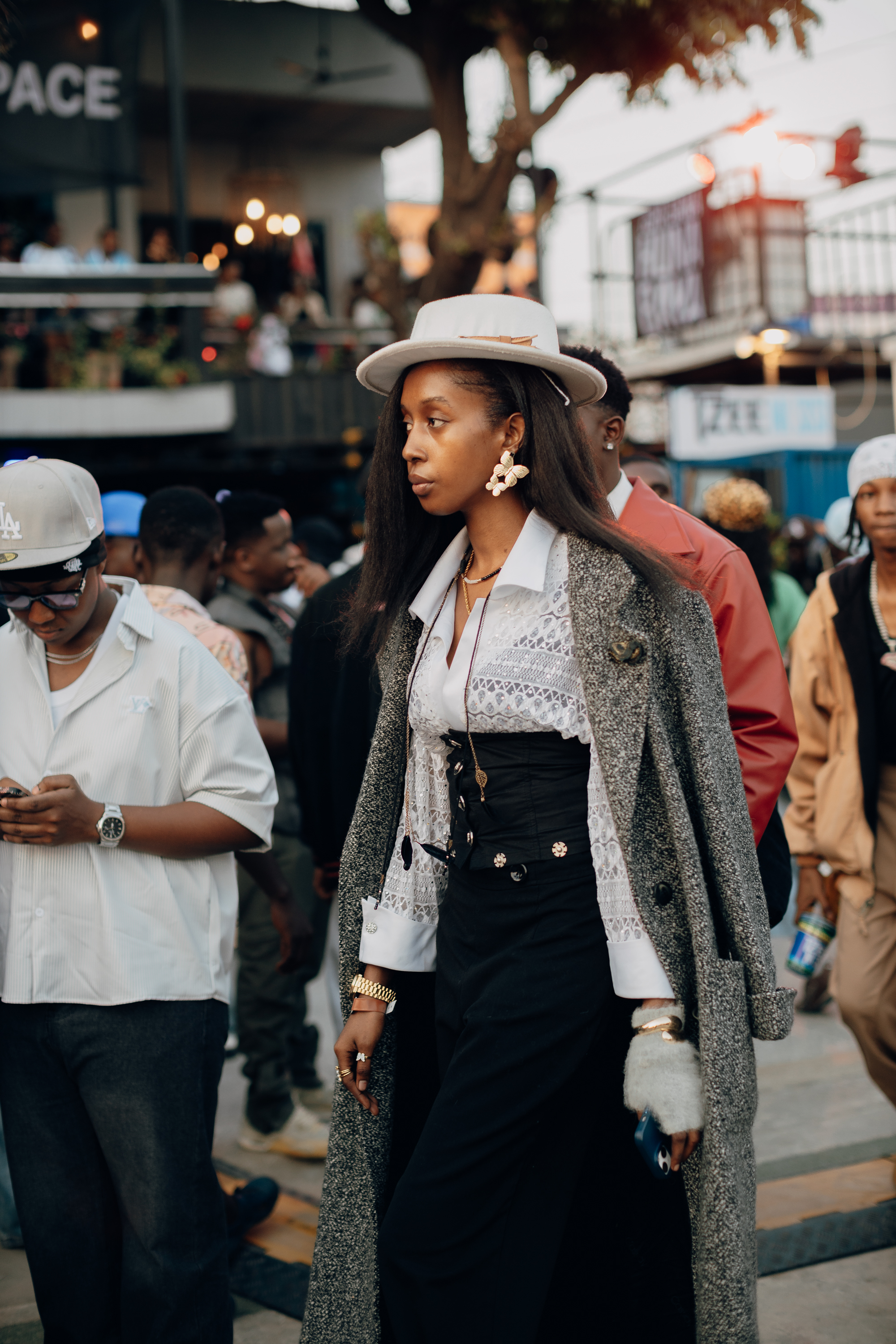
Who is Vintage Space curating these creative experiences for?
Vintage space has grown into something bigger than just clothes. It's more of a community. We have built a creative ecosystem where we have a lot of creatives coming together. One of our biggest demographic, I would say is creative youth. We have a lot of creative youth coming together and just expressing themself in a very creative way.
Because it felt like all these other spaces that we had, they felt old and not modern, they don't speak our language and they don't look like us. We want to create a space where we can just come together with people who are like-minded and just get creative. It's not just about fashion, painting, or clothes, but sometimes it's also about music. It's about the language you speak, it's about the way you see things. So it's deeper than just one thing right now. It's a cultural movement.
How do you go about incorporating art, music, as well as fashion into these experiences that you curate?
I feel like music is more of a soundtrack to whatever you're doing. Even if you're a painter, even if you're an artist. When you are, when you're sewing, when you are painting, you just listen to music. They say music is what is used to decorate time and art is how we decorate space. So for us, we just found a place where we can connect all these things together. We're just connecting music, connecting culture, connecting fashion, connecting creativity, and just creating this one thing that's culture in general.
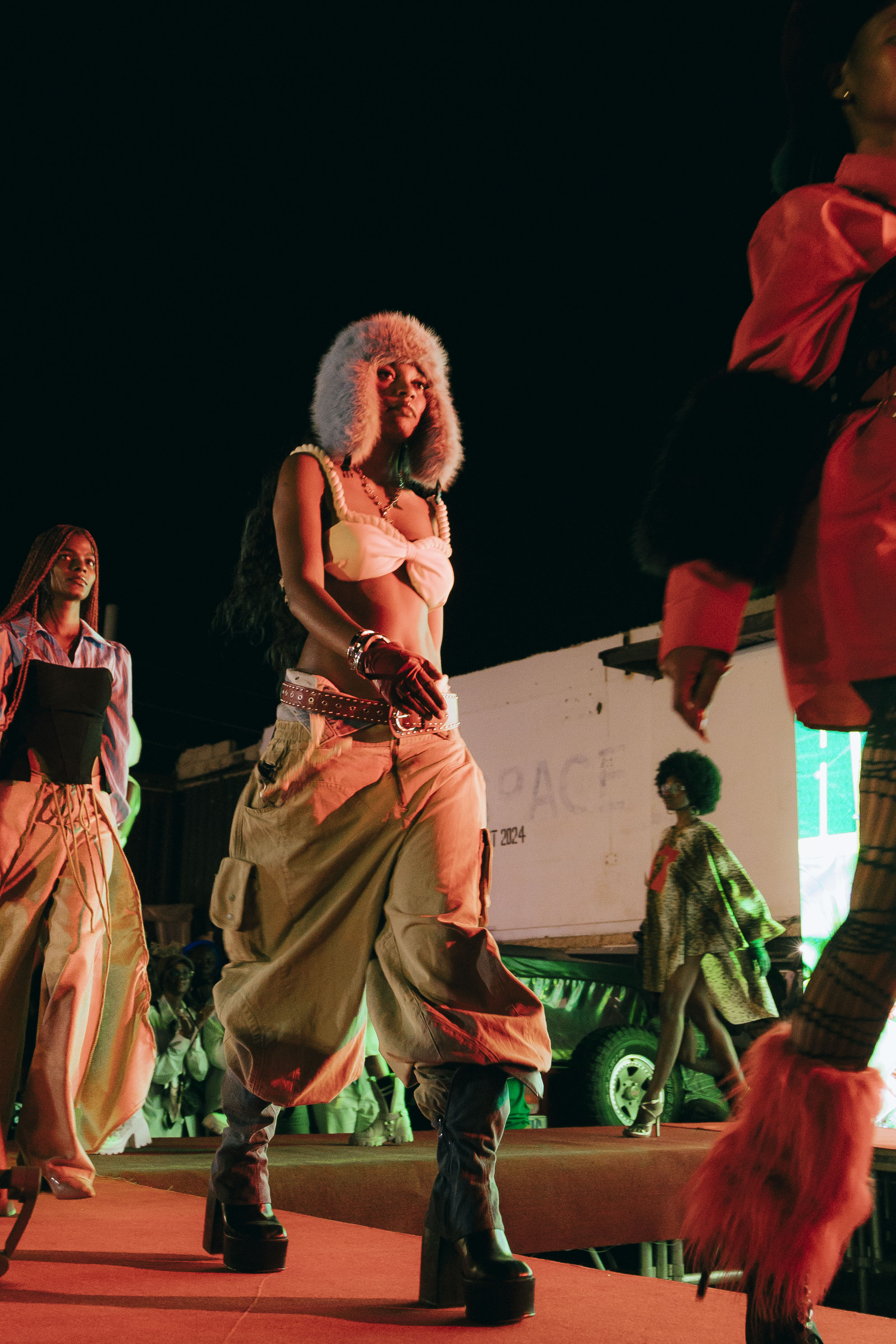
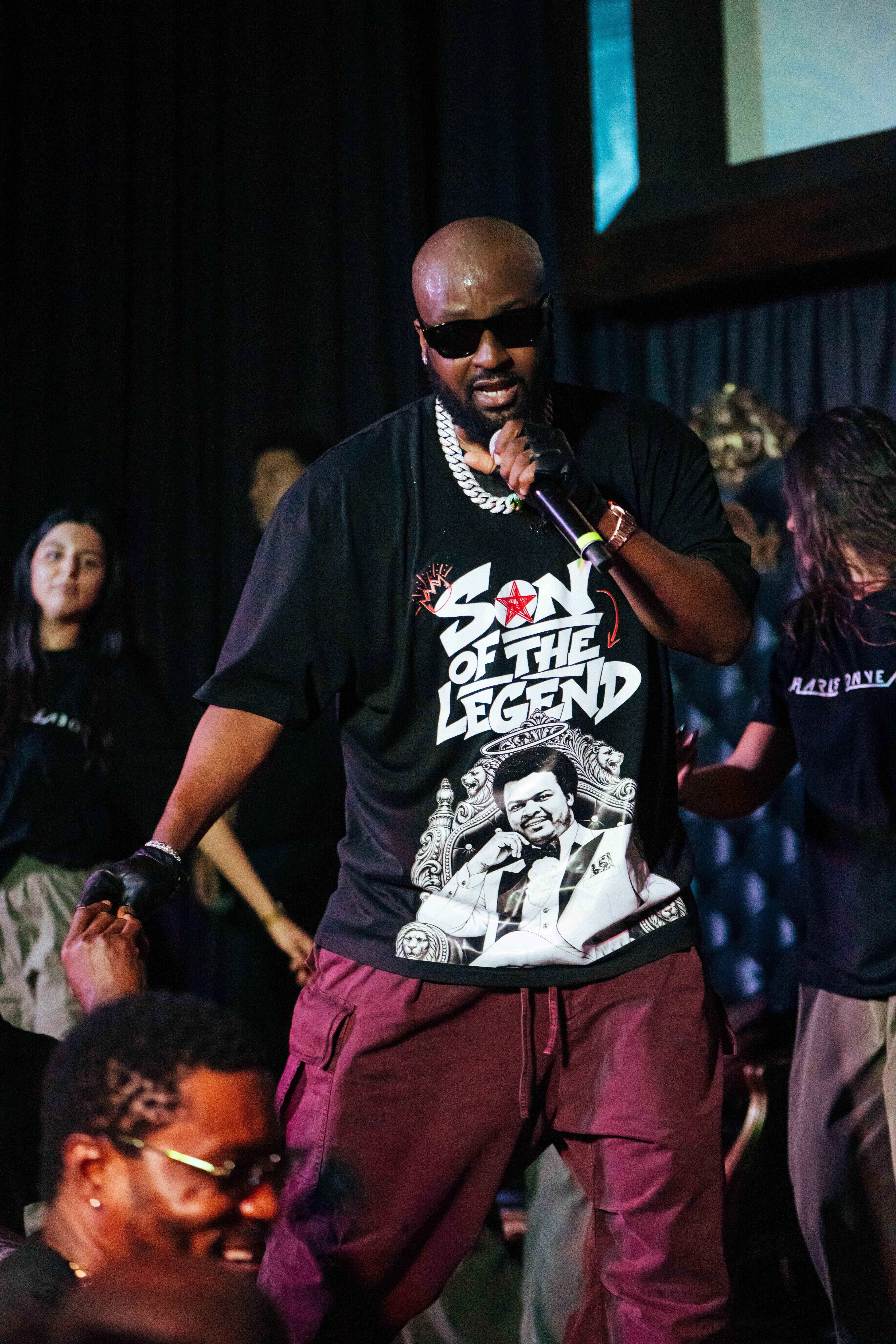
When it comes to our events, we give opportunities to young designers that have brands they want to showcase. But we also have people of any sort of art form. Some are painters, so now they have a space where they can come and showcase whatever they're doing.
And for us, Vintage Space, it's not about just selling stuff. It's not a popup anymore. It's more of a space where we come to tell our stories. So if you have a brand, you want to have an audience, you want to speak directly to your audience, Vintage Space is the place to be. You can meet people who speak the same language as you. They dress like you. Everybody is an individual, but at the same time, we speak the same language.
What role does the actual physical space play in determining what kind of experiences you can curate?
We don’t let a space define the event. It doesn’t matter where we are, at the end we will always have the same kind of people, vibe, and energy just in a different kind of way. For us, it’s more about the experience, and less about the space.
First of all, we are curating the look and the feel of the space. And the second thing we get to curate the music. What kind of music are we going to listen to? It's not just about us having a dj, just playing random music. It’s about having people who understand the culture. Play the kind of music that resonates with the culture and sometimes it’s even about the kind of graphics you're using for the event. You don't just wanna bring these crazy backdrops and just over brand it. We're not throwing an event. This is not even an event to us, this is a space where we get to create. We are creating that environment where everybody feels safe, feels like this is my space and I can just be myself.
What impact, if any, has Vintage Space had on the current landscape of the creative scene in Dar es Salaam?
The impact is that now we have a little bit of representation, that's the first thing. But the second thing right now, we have a hub of young creatives and we are inspiring more people to get creative. Like you see young designers who design special outfits for our events. They are going to the market, sourcing fabrics, sewing the clothes, designing it, and coming to the [Vintage Space] events. So to me that's very huge. Right now you go to Vintage Space, you see these young designers meeting a photographer, and the next day you're seeing this photographer linked with these designers.
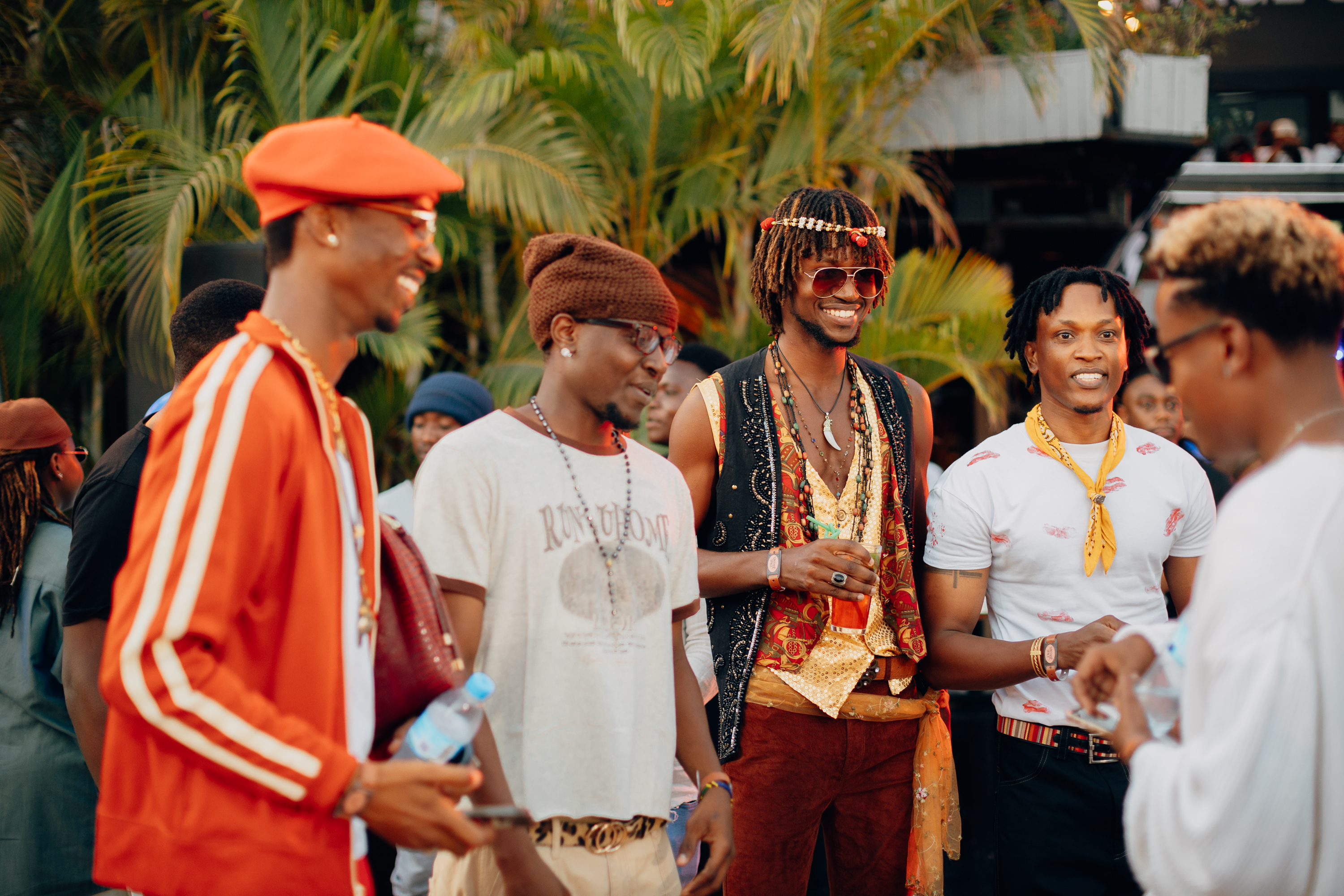
We are creating our own opportunity now. We don't wait for people to come and say, okay, right now you can have this. We don't want to be used by big brands as just content creators who are influencers for them. We are creating our own brands, by using our own resources, which are the people just coming together to make this magic. I feel like Vintage Space is more of a pioneer, but everyone can create their own [space]. We need more creative communities like these.
When I look through your instagram, I mostly see a lot of fashion that is inspired by the west. Can we expect any efforts from Vintage space to showcase fashion that is rooted in the various Tanzanian cultural attires?
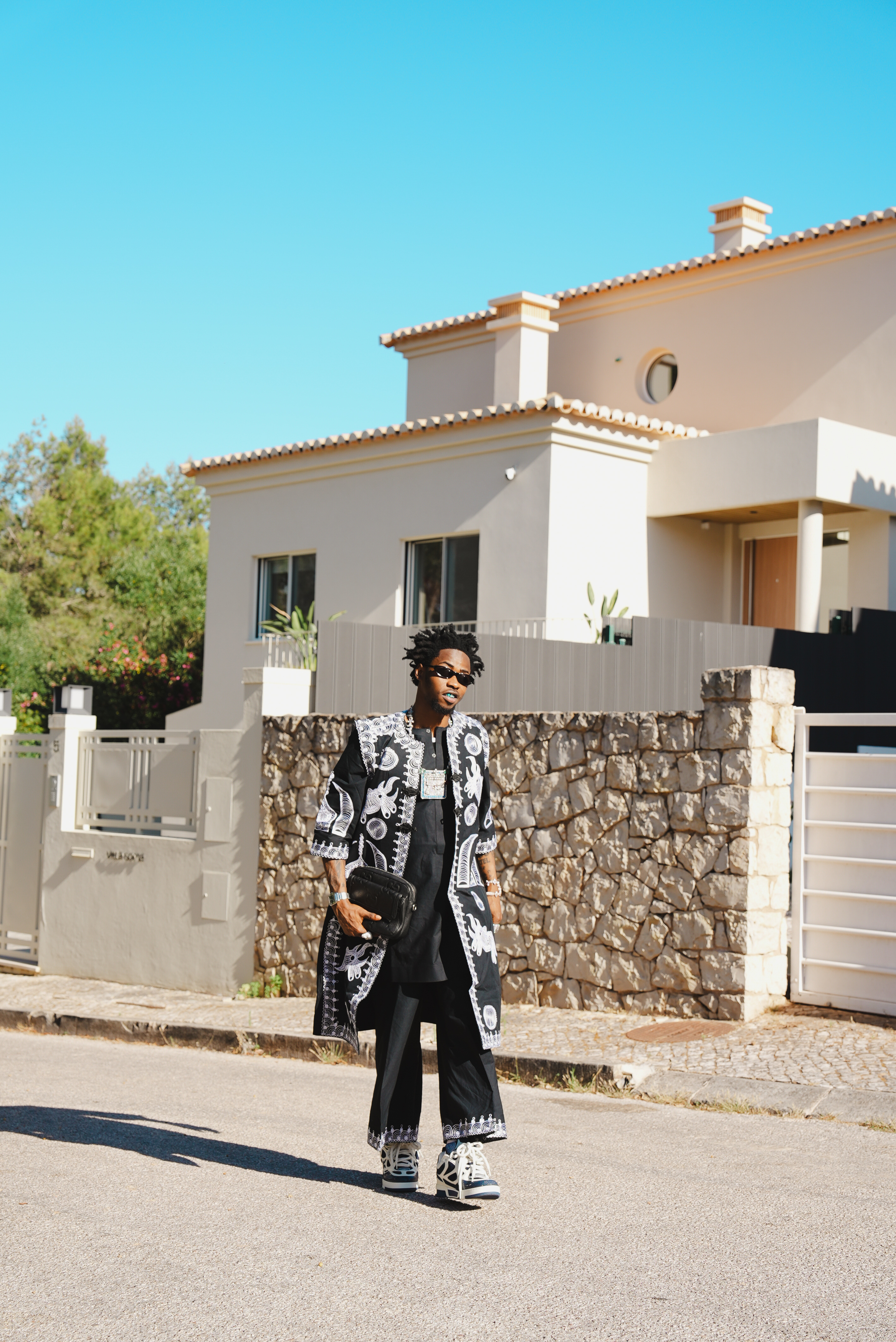
We are very proud of our culture but growing up we didn’t see enough representation of Tanzanian youth culture. So when you go online, the only cool thing that you see is from abroad. We have created a space where people now are starting to show up because people used to feel shy to just dress nice to go somewhere. We have young designers. But to be honest, this is something that we have to work on. As a community in general, not just Vintage Space. I feel like we have all been inspired by these global celebrities, global musicians, global painters.
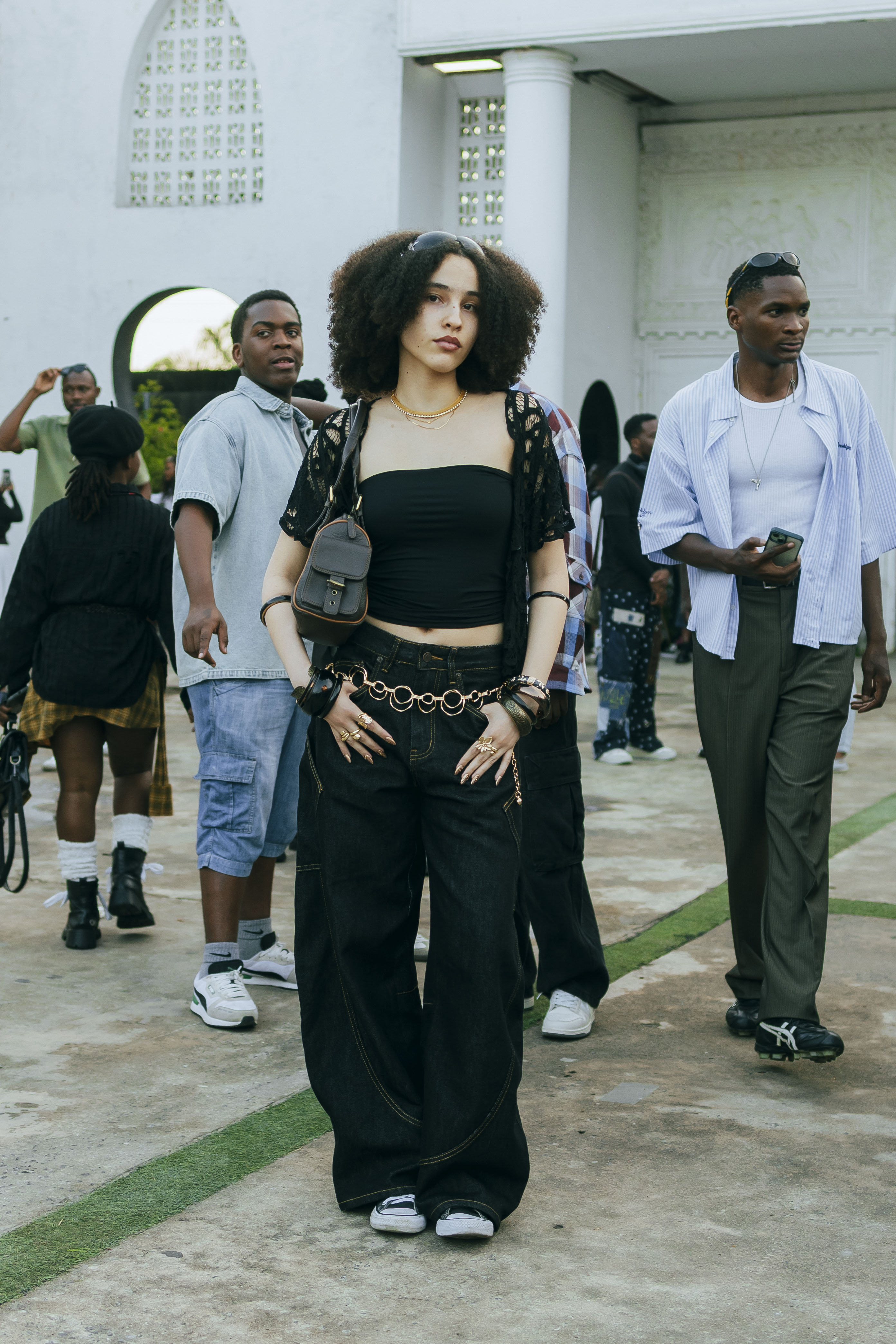
So, there's no way I would just go out there and just dress like a Maasai guy. It might be cool, but something is missing. I don't know what's missing, but I feel like we have to find the connection between the old and new and just to bring that together. But it’s good to have an identity. Your identity isn’t only about fashion. When you come to our events, it's not just about copying what’s happening out there. We’re creating a space where we combine things that inspire us with the things that are really us, and finding something unique.
These events are just a few months in the making. So we are still planning on doing workshops.
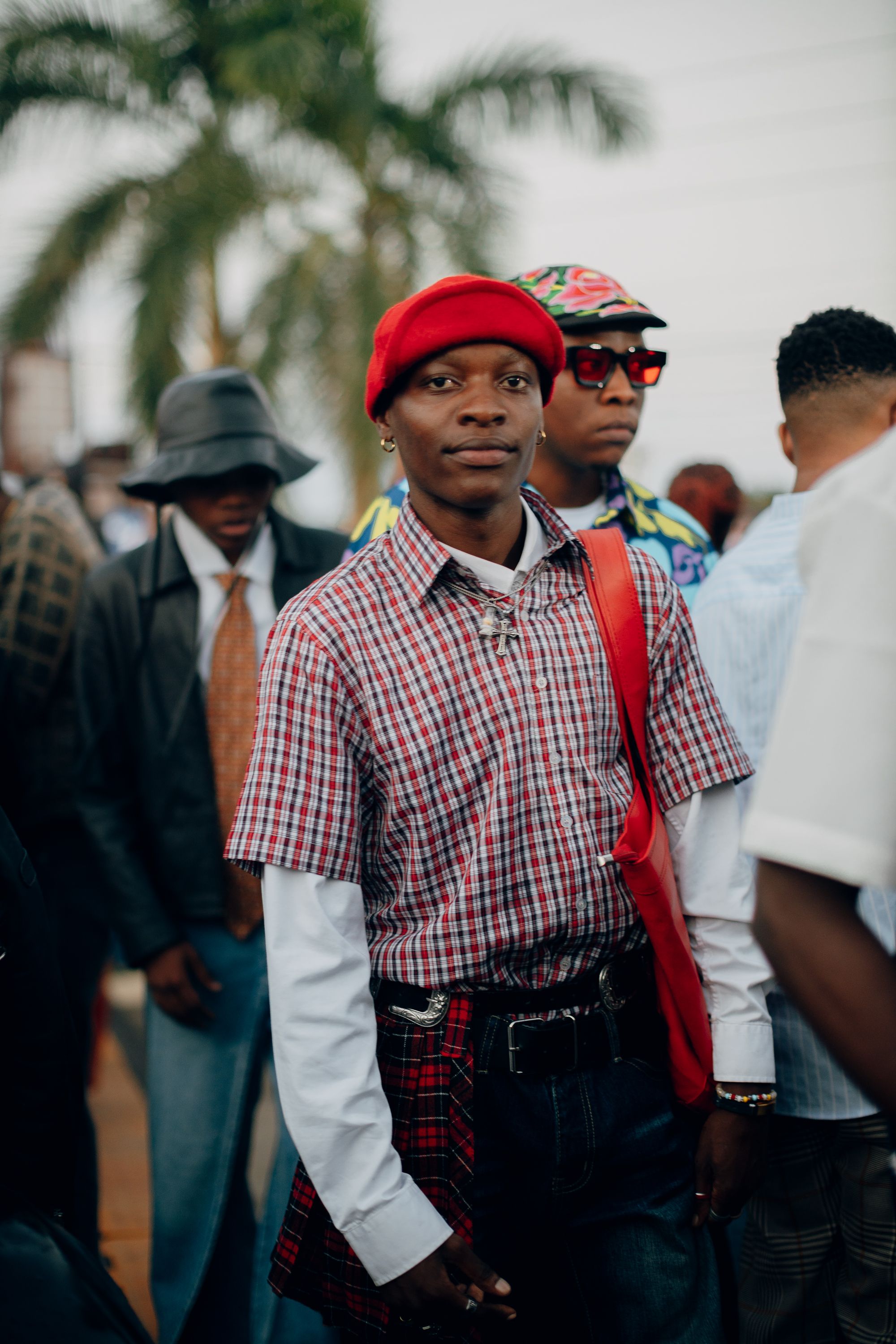
For example, I had this opportunity of meeting with this amazing fashion designer from Zanzibar, Farouq Abdela, who had styled people like Nina Simone, [Princess Diana, Mos Def, Salif Keita, Maya Angelou] and even worked with U.S. Presidents (Bill Clinton). So to us when we do this kind of work, there's not much representation of people from here doing amazing stuff internationally. But we have a lot of talents. At our last event, we had this designer called Goat Leon. We had him create a collection of 20 pieces and gave him an opportunity to showcase those pieces to a thousand people. To us, that's building a space where we get to create, we even made a proper campaign for him. We documented his creative process and posted this to a wider audience.

Do you plan on expanding your events and activations beyond Dar es Salaam to other cities across Tanzania?
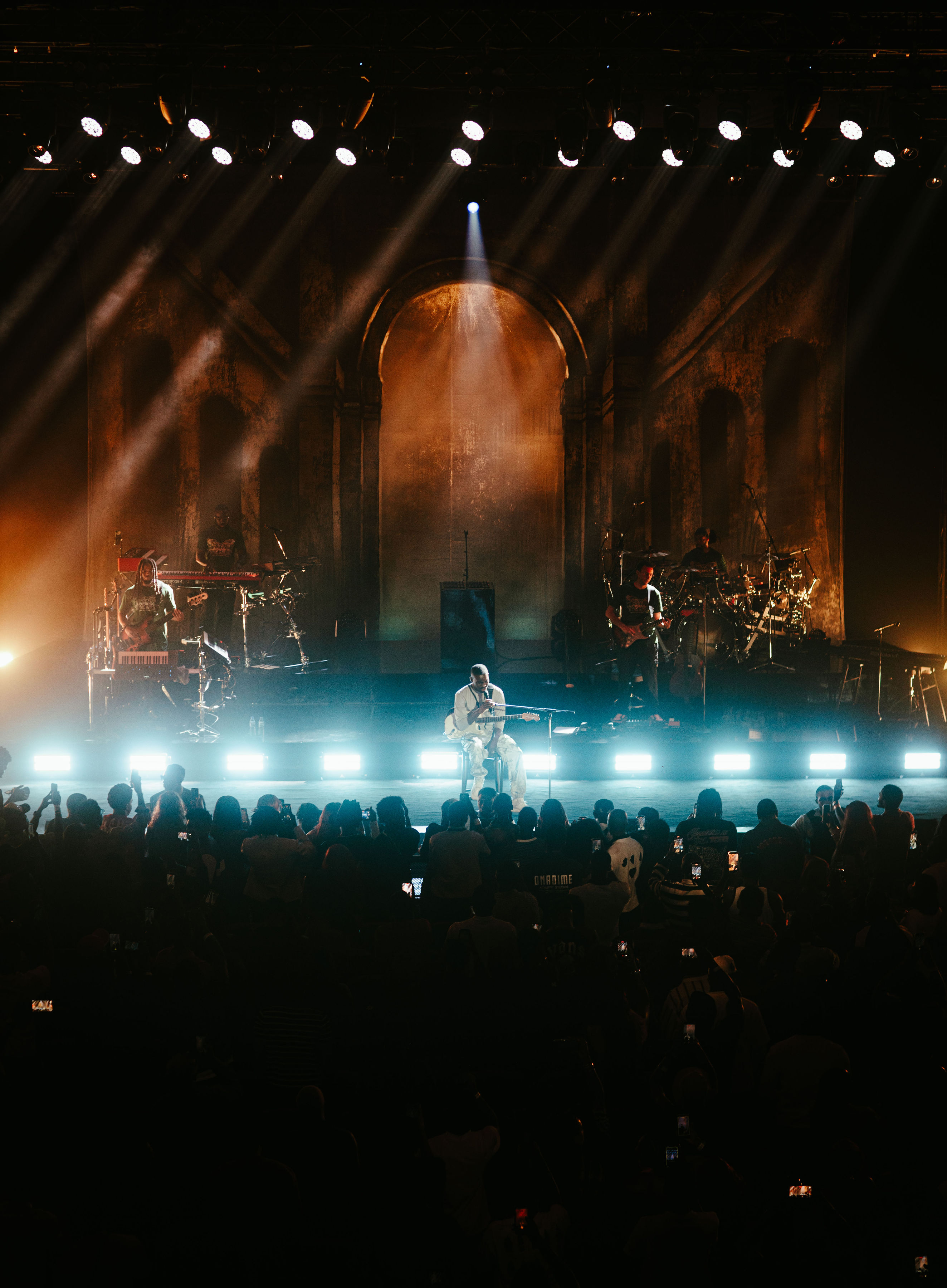
Yeah for sure. We wanna export this culture to a wider audience, cause this is how we live, eh, and we are not imitating anyone. We wanna grow, but we are proudly local. We want to do a proper tour, go to Arusha, go to Zanzibar. We want to cross countries, go to Kenya, Uganda, and Rwanda. This is just the beginning for us. And we want to connect with more people globally, not just East Africa.
Cover Image Photo Credit: @Tingzbongo


.png)

