.svg)

.jpg)
“Ntaba Ya Kin” is Next Up in Africa’s Rap World
In the midst of the vibrant streets of Kinshasa, the Democratic Republic of Congo, there hides a reality, often met with terror, poverty, and hardship, that finds a way to rise from the ashes. It comes as no surprise that an American genre like Trap music would find a place in this Congolese community, reimagined and authentized into its own Congo Trap movement by local rappers like Kevin, better known as Bogo Thegoat, or Ntaba Ya Kin. The lyrical content and aesthetic both mirror the sound that dominated North America in the past years, but while it may have fallen off across oceans, it is because of Kevin’s storytelling that we choose to pay attention.
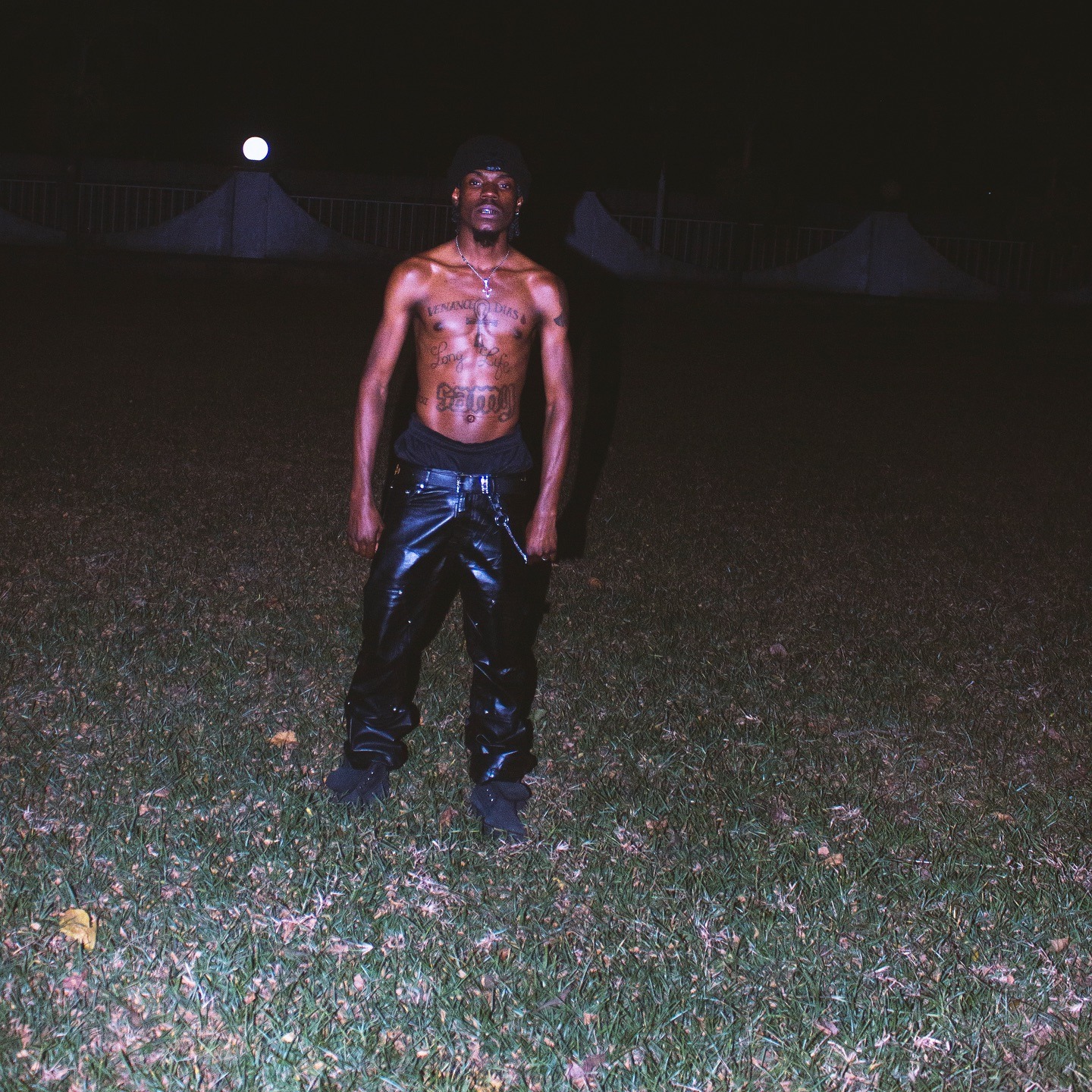
Like many young African boys, Kevin began his journey in the studies of Communication. For a long time, society has had everyone believing that the higher the level of education, the better the occupation you may land in the future. However, this concept, brought from the Occident through colonization, dismisses the reality that young Africans often face on the continent, from higher-ups' corruption to monthly payment rates as low as 50 dollars, which is currently the average that Kinshasa’s residents make. This idea that education is elite fails to recognize the lack of infrastructure in many African cities, actively preventing innovation and alternative ways of revenue from taking shape, where young Africans could thrive and keep up with the entrepreneurship of the world.
Kevin is no different to this harsh reality, and after his grandfather’s death, he decided to drop out of school and focus on music solely. In only 3 years, he has managed to garner an audience who not only sees themselves in his lyrics but also can find an escape in his music. Similarly to how Trap music in the US has given young black boys an alternative to the inescapable firm grip of gang violence and poverty, Kevin’s rap influences a generation long scattered and silenced. It obliges authorities to rethink their involvement in destabilizing the population and its chances of aspiring to a better life.
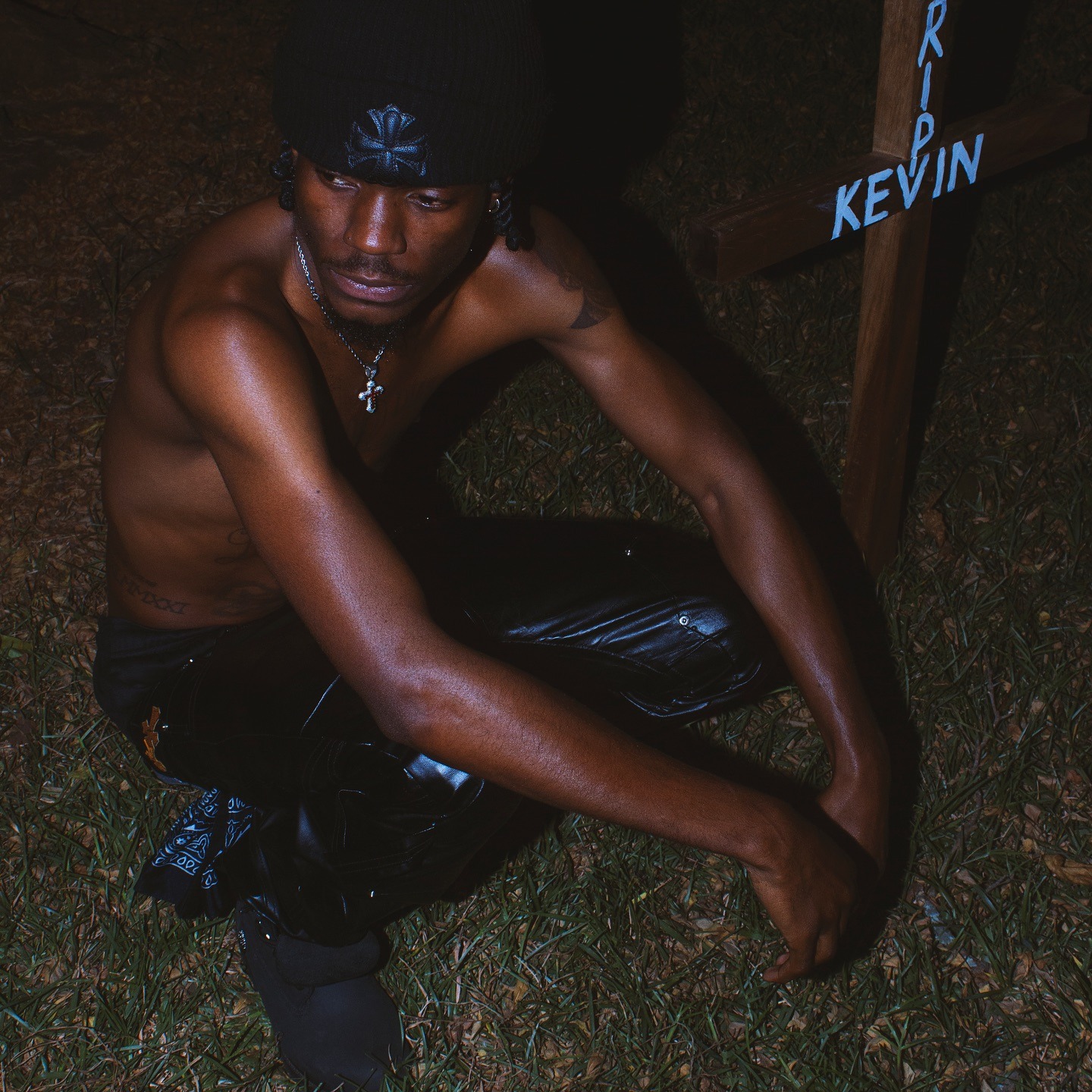
When you ought to try something new, it comes with its setbacks. Although Rap music is a thriving genre in Congo, it is nothing compared to its dominant sounds, such as Rumba or Soukous. Thus, it is up to Kevin’s persistence and ambition to keep this momentum alive. While Bogo Thegoat mostly raps in Lingala, which would target a smaller group than, let’s say, musicians who speak in French or English, his sound is so well-curated that it surpasses language barriers and has been met with millions of views across social media.
When you observe his fashion sense, it screams modernity and in-the-know of what young people, even outside of Congo, currently consume. When you listen to his interviews, he speaks in a sophisticated manner, in which you understand every thought process and what has ultimately brought him to pursue music and his plans for the future. It goes without saying, Kevin is Congolese through and through; he mingles with Trap music and its essence because he thinks more about having a global impact rather than just regionally. Which sets him apart.
In that sense, Kevin is radical in his approach, daring to branch out not only from a society that looks down on freedom of expression but also from a sonic culture that has seen little to no evolution from its Congolese origins. You see, the thing about Congolese people is that they are naturally very patriotic. Congolese music is made for Congolese people, and therefore, they have little interest in urbanisation or even making it more accessible with mixtures of languages or aesthetics, for example. For this reason, the music scene has seen little change, and that’s where Bogo Thegoat comes in. He challenges the status quo, showing how far one can go with just determination and a desire to push their music to the world.
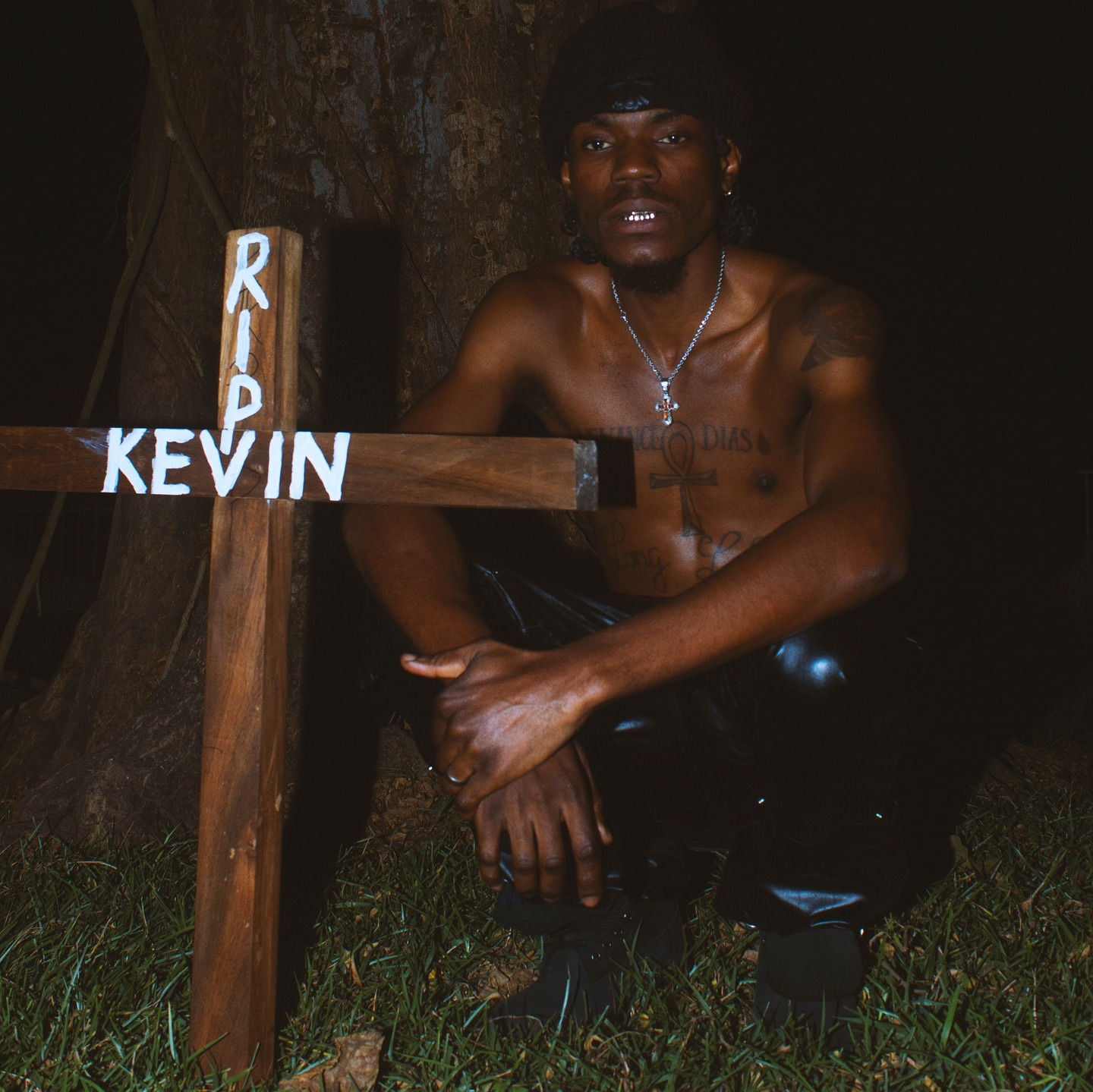
It is hard to predict whether Bogo Thegoat will manage to take his music out of the Congo, or even stay true to his roots once he does. Kevin’s message is pivotal in shedding light on a generation completely set aside and in need of a leading voice, similarly to how Trap music has impacted young people in the States. Unlike what most may think, Kevin’s music doesn’t glorify the hardship of Kinshasa, but unleashes reality in a way that can not be folded away and ignored. We are confident Bogo Thegoat can reignite Trap music, while showing everyone a piece of the world that we often close our eyes to.



.png)

