Why Meta’s New Instagram for TV App Matters for African Filmmakers

Authored by

For many independent African filmmakers, making a film is only half the battle. Getting it in front of audiences is often the greater challenge. Cinema screens remain limited in many parts of the continent, television acquisitions rarely favour independent creators, and streaming platforms commission only a fraction of the stories being produced each year.

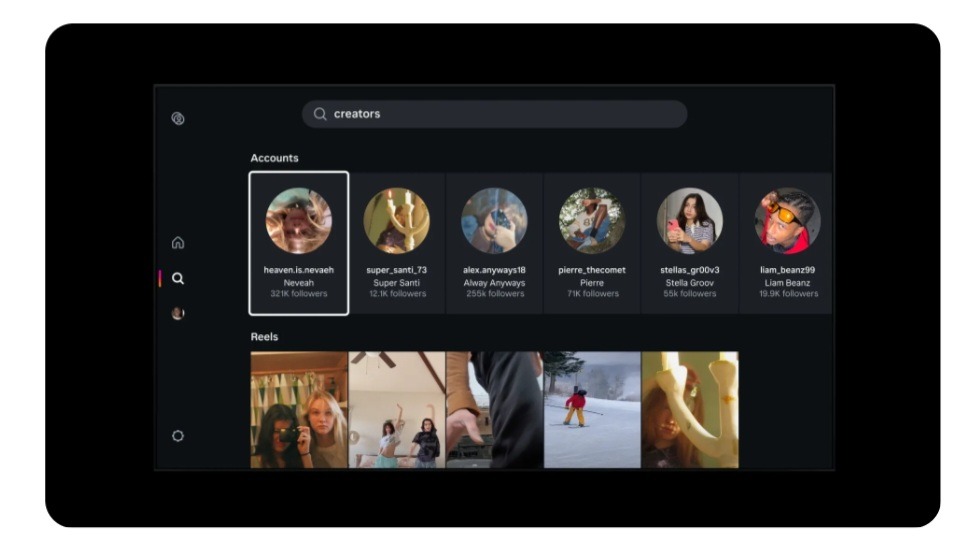
That is why Meta's new Instagram for TV app, currently rolling out on select smart TV platforms in the United States, deserves attention beyond the tech industry. If the app eventually launches across African markets, it could offer filmmakers and visual creators another way to bring their work from the smartphone to the living room without relying entirely on traditional distributors.

Meta's latest television push inevitably invites comparisons with IGTV, the company's unsuccessful attempt to popularise long-form video in 2018. But the two products are fundamentally different. While IGTV asked users to change how they consumed content on their phones, Instagram for TV extends the platform onto one of the largest screens in the home. Rather than replacing mobile viewing, it complements it, reflecting a broader shift in how social media platforms are beginning to compete with traditional streaming services for viewers' attention and for African filmmakers, the significance lies less in the technology itself than in what it could represent; another distribution pathway in an industry where opportunities remain scarce.

Africa produces thousands of films every year, yet only a small percentage secure wide theatrical releases or licensing deals with major streaming platforms. Services such as Netflix, Prime Video and Showmax have undoubtedly expanded the global visibility of African storytelling, but commissioning opportunities remain limited and highly competitive. Many independent directors, documentary filmmakers and experimental storytellers continue to struggle to find sustainable ways to reach audiences.

Instagram for TV will not solve these structural challenges overnight. But it introduces the possibility of a creator-led distribution model, where filmmakers who have already built communities on Instagram can showcase longer-form visual work on a platform their audiences already use. Instead of depending solely on festivals, broadcasters or streaming executives, creators could have another avenue for sharing their work at scale.

The opportunity extends beyond traditional filmmaking. Across Nigeria, Kenya, Ghana, South Africa and other creative hubs, digital storytellers have spent years proving that compelling narratives can thrive on social media. Multi-part comedy series, relationship dramas, documentaries, travel films and culture-focused visual essays regularly attract millions of views online despite being designed primarily for mobile screens.
Courtesy of Instagram 

A television app could fundamentally change how this content is experienced. Rather than being consumed through quick scrolling on a five-inch display, stories could be watched on larger screens in living rooms, where families and friends often watch together. For creators whose work relies on detailed cinematography, thoughtful production design or immersive storytelling, that shift in viewing experience could be just as important as the platform itself.

The implications are equally significant for creators working outside traditional film. Documentary makers chronicling youth culture, travel creators showcasing destinations across the continent, fashion filmmakers capturing Africa's evolving style landscape and music video directors known for cinematic world-building all stand to benefit from a platform that gives visual storytelling more room to breathe.

If Meta hopes to build Instagram for TV into a truly global platform, Africa should not be treated as an afterthought. The continent is already home to creators redefining what digital filmmaking looks like with limited resources and remarkable creativity.

Nigeria's The Critics Company, for example, gained international recognition for producing ambitious science fiction short films using smartphones and modest budgets, demonstrating that compelling visual storytelling is not dependent on expensive equipment. Likewise, acclaimed music video director TG Omori has helped shape the visual identity of contemporary Afrobeats through bold cinematic storytelling that is designed to be appreciated on larger screens. Across East, West and Southern Africa, countless independent filmmakers, web-series creators and visual artists are already producing work that could thrive in a television-first social environment.

However, distribution alone is not enough. For Instagram for TV to become a meaningful platform for African filmmakers, Meta will eventually need to think beyond accessibility. Sustainable monetisation, meaningful creator support and investment in emerging markets will ultimately determine whether the platform becomes a viable ecosystem for storytelling or simply another place to upload content.

Instagram for TV is still in its early stages, and there is no confirmed timeline for a wider African rollout. Yet its arrival signals a broader shift in digital media. The line between social media and streaming continues to blur, creating new possibilities for how stories are distributed and consumed. For African filmmakers who have long built audiences one post at a time, the next stage of storytelling may not begin in a cinema or on a streaming platform. It could begin on the same app they already use every day – only this time, on the biggest screen in the house.

IG:@_stanleykilonzo

COVER IMAGE CREDIT: INSTAGRAM
Why Meta’s New Instagram for TV App Matters for African Filmmakers

Authored by
This is some text inside of a div block.

For many independent African filmmakers, making a film is only half the battle. Getting it in front of audiences is often the greater challenge. Cinema screens remain limited in many parts of the continent, television acquisitions rarely favour independent creators, and streaming platforms commission only a fraction of the stories being produced each year.

That is why Meta's new Instagram for TV app, currently rolling out on select smart TV platforms in the United States, deserves attention beyond the tech industry. If the app eventually launches across African markets, it could offer filmmakers and visual creators another way to bring their work from the smartphone to the living room without relying entirely on traditional distributors.

Meta's latest television push inevitably invites comparisons with IGTV, the company's unsuccessful attempt to popularise long-form video in 2018. But the two products are fundamentally different. While IGTV asked users to change how they consumed content on their phones, Instagram for TV extends the platform onto one of the largest screens in the home. Rather than replacing mobile viewing, it complements it, reflecting a broader shift in how social media platforms are beginning to compete with traditional streaming services for viewers' attention and for African filmmakers, the significance lies less in the technology itself than in what it could represent; another distribution pathway in an industry where opportunities remain scarce.

Africa produces thousands of films every year, yet only a small percentage secure wide theatrical releases or licensing deals with major streaming platforms. Services such as Netflix, Prime Video and Showmax have undoubtedly expanded the global visibility of African storytelling, but commissioning opportunities remain limited and highly competitive. Many independent directors, documentary filmmakers and experimental storytellers continue to struggle to find sustainable ways to reach audiences.

Instagram for TV will not solve these structural challenges overnight. But it introduces the possibility of a creator-led distribution model, where filmmakers who have already built communities on Instagram can showcase longer-form visual work on a platform their audiences already use. Instead of depending solely on festivals, broadcasters or streaming executives, creators could have another avenue for sharing their work at scale.

The opportunity extends beyond traditional filmmaking. Across Nigeria, Kenya, Ghana, South Africa and other creative hubs, digital storytellers have spent years proving that compelling narratives can thrive on social media. Multi-part comedy series, relationship dramas, documentaries, travel films and culture-focused visual essays regularly attract millions of views online despite being designed primarily for mobile screens.

Courtesy of Instagram 

A television app could fundamentally change how this content is experienced. Rather than being consumed through quick scrolling on a five-inch display, stories could be watched on larger screens in living rooms, where families and friends often watch together. For creators whose work relies on detailed cinematography, thoughtful production design or immersive storytelling, that shift in viewing experience could be just as important as the platform itself.

The implications are equally significant for creators working outside traditional film. Documentary makers chronicling youth culture, travel creators showcasing destinations across the continent, fashion filmmakers capturing Africa's evolving style landscape and music video directors known for cinematic world-building all stand to benefit from a platform that gives visual storytelling more room to breathe.

If Meta hopes to build Instagram for TV into a truly global platform, Africa should not be treated as an afterthought. The continent is already home to creators redefining what digital filmmaking looks like with limited resources and remarkable creativity.

Nigeria's The Critics Company, for example, gained international recognition for producing ambitious science fiction short films using smartphones and modest budgets, demonstrating that compelling visual storytelling is not dependent on expensive equipment. Likewise, acclaimed music video director TG Omori has helped shape the visual identity of contemporary Afrobeats through bold cinematic storytelling that is designed to be appreciated on larger screens. Across East, West and Southern Africa, countless independent filmmakers, web-series creators and visual artists are already producing work that could thrive in a television-first social environment.

However, distribution alone is not enough. For Instagram for TV to become a meaningful platform for African filmmakers, Meta will eventually need to think beyond accessibility. Sustainable monetisation, meaningful creator support and investment in emerging markets will ultimately determine whether the platform becomes a viable ecosystem for storytelling or simply another place to upload content.

Instagram for TV is still in its early stages, and there is no confirmed timeline for a wider African rollout. Yet its arrival signals a broader shift in digital media. The line between social media and streaming continues to blur, creating new possibilities for how stories are distributed and consumed. For African filmmakers who have long built audiences one post at a time, the next stage of storytelling may not begin in a cinema or on a streaming platform. It could begin on the same app they already use every day – only this time, on the biggest screen in the house.

IG:@_stanleykilonzo

COVER IMAGE CREDIT: INSTAGRAM
This is some text inside of a div block.

Why Meta’s New Instagram for TV App Matters for African Filmmakers

Authored by

For many independent African filmmakers, making a film is only half the battle. Getting it in front of audiences is often the greater challenge. Cinema screens remain limited in many parts of the continent, television acquisitions rarely favour independent creators, and streaming platforms commission only a fraction of the stories being produced each year.

That is why Meta's new Instagram for TV app, currently rolling out on select smart TV platforms in the United States, deserves attention beyond the tech industry. If the app eventually launches across African markets, it could offer filmmakers and visual creators another way to bring their work from the smartphone to the living room without relying entirely on traditional distributors.

Meta's latest television push inevitably invites comparisons with IGTV, the company's unsuccessful attempt to popularise long-form video in 2018. But the two products are fundamentally different. While IGTV asked users to change how they consumed content on their phones, Instagram for TV extends the platform onto one of the largest screens in the home. Rather than replacing mobile viewing, it complements it, reflecting a broader shift in how social media platforms are beginning to compete with traditional streaming services for viewers' attention and for African filmmakers, the significance lies less in the technology itself than in what it could represent; another distribution pathway in an industry where opportunities remain scarce.

Africa produces thousands of films every year, yet only a small percentage secure wide theatrical releases or licensing deals with major streaming platforms. Services such as Netflix, Prime Video and Showmax have undoubtedly expanded the global visibility of African storytelling, but commissioning opportunities remain limited and highly competitive. Many independent directors, documentary filmmakers and experimental storytellers continue to struggle to find sustainable ways to reach audiences.

Instagram for TV will not solve these structural challenges overnight. But it introduces the possibility of a creator-led distribution model, where filmmakers who have already built communities on Instagram can showcase longer-form visual work on a platform their audiences already use. Instead of depending solely on festivals, broadcasters or streaming executives, creators could have another avenue for sharing their work at scale.

The opportunity extends beyond traditional filmmaking. Across Nigeria, Kenya, Ghana, South Africa and other creative hubs, digital storytellers have spent years proving that compelling narratives can thrive on social media. Multi-part comedy series, relationship dramas, documentaries, travel films and culture-focused visual essays regularly attract millions of views online despite being designed primarily for mobile screens.

Courtesy of Instagram 

A television app could fundamentally change how this content is experienced. Rather than being consumed through quick scrolling on a five-inch display, stories could be watched on larger screens in living rooms, where families and friends often watch together. For creators whose work relies on detailed cinematography, thoughtful production design or immersive storytelling, that shift in viewing experience could be just as important as the platform itself.

The implications are equally significant for creators working outside traditional film. Documentary makers chronicling youth culture, travel creators showcasing destinations across the continent, fashion filmmakers capturing Africa's evolving style landscape and music video directors known for cinematic world-building all stand to benefit from a platform that gives visual storytelling more room to breathe.

If Meta hopes to build Instagram for TV into a truly global platform, Africa should not be treated as an afterthought. The continent is already home to creators redefining what digital filmmaking looks like with limited resources and remarkable creativity.

Nigeria's The Critics Company, for example, gained international recognition for producing ambitious science fiction short films using smartphones and modest budgets, demonstrating that compelling visual storytelling is not dependent on expensive equipment. Likewise, acclaimed music video director TG Omori has helped shape the visual identity of contemporary Afrobeats through bold cinematic storytelling that is designed to be appreciated on larger screens. Across East, West and Southern Africa, countless independent filmmakers, web-series creators and visual artists are already producing work that could thrive in a television-first social environment.

However, distribution alone is not enough. For Instagram for TV to become a meaningful platform for African filmmakers, Meta will eventually need to think beyond accessibility. Sustainable monetisation, meaningful creator support and investment in emerging markets will ultimately determine whether the platform becomes a viable ecosystem for storytelling or simply another place to upload content.

Instagram for TV is still in its early stages, and there is no confirmed timeline for a wider African rollout. Yet its arrival signals a broader shift in digital media. The line between social media and streaming continues to blur, creating new possibilities for how stories are distributed and consumed. For African filmmakers who have long built audiences one post at a time, the next stage of storytelling may not begin in a cinema or on a streaming platform. It could begin on the same app they already use every day – only this time, on the biggest screen in the house.

IG:@_stanleykilonzo

COVER IMAGE CREDIT: INSTAGRAM
Other Stories
London
London
Lagos
London
Newyork
London
Shop
Join the community.
You are now subscribed to receive updates.
Oops! Something went wrong while submitting the form.