.svg)

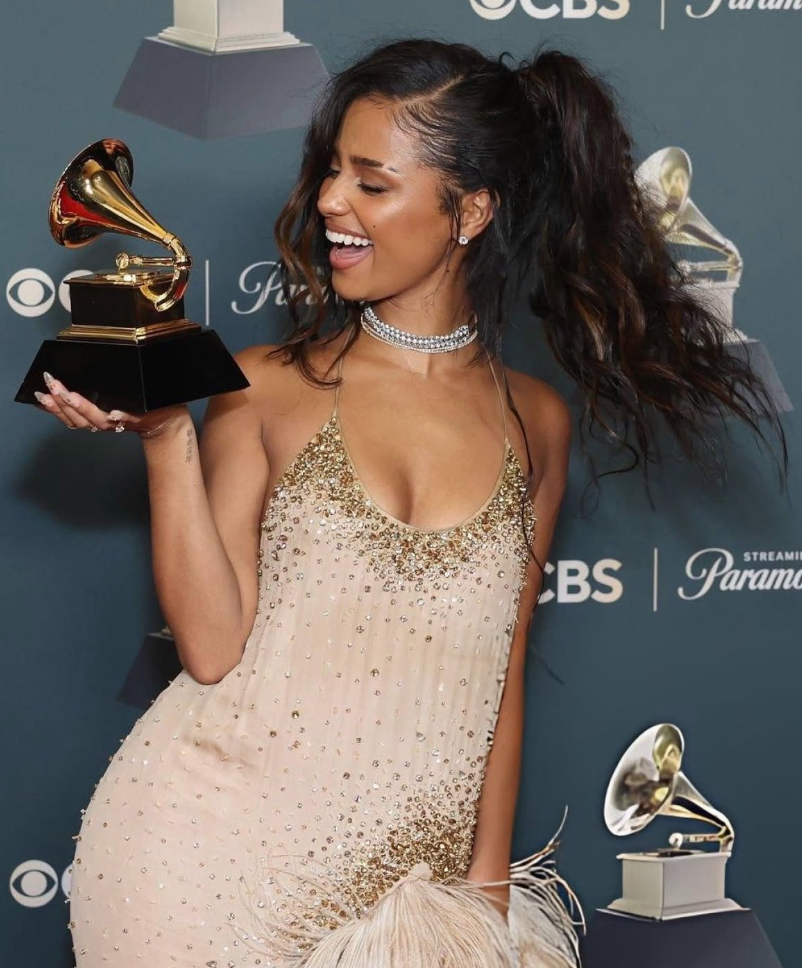
In the aftermath of Tyla’s Grammy win in the Best African music category this Sunday, social media has been flooded with impassioned commentary, mostly from indignant Nigerians, who have largely cast the whole affair as a slight against nominated acts from the country. Popular Nigerian OAP Osi Suave, by way of a sporadic series of starry-eyed tweets, has decried a perceived Grammy bias against Nigerian music, writing: “Eventually, we get a category at the Grammy that is dedicated to us as Africans. Then we, as Nigerians who make the biggest hits on the continent, get stomped out year after year. What hurts is that we, as Nigerians, accept music from everywhere.”
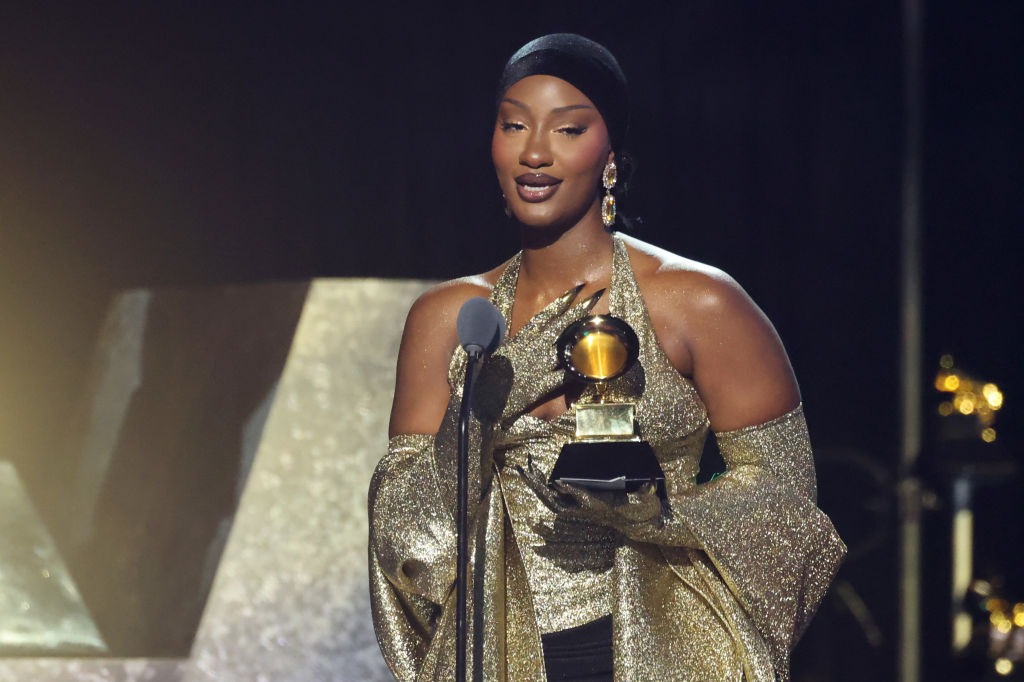
Never mind that Tems won the award last year for Love Me Jeje; several Nigerian music professionals and enthusiasts have echoed Osi Suave’s sentiments. By way of a meandering monologue, legendary Nigerian musician Cobhams Asuquo insinuated that the Grammys are using Nigerians to boost the GDP of Los Angeles. “It’s like a carrot dangling in front of us and it goes away,” he said. Many have blithely dismissed these criticisms as just another sign of the “main character syndrome” Nigerians tend to exude. But I suggest they gesture at something deeper: Nigerians' age-old desire for greater representation at the Grammys and a fundamental misunderstanding of the scope and mechanics of the Best African Music Performance category.
Nigeria’s history with near wins at the Grammys stretches back to the days of stalwarts like King Sunny Ade and Fela Anikulapo Kuti, whose nominations stirred excitement around the country, which was ultimately flattened when they lost out to other contenders. This notwithstanding, the Grammy Awards have held a singular fascination for Nigerian musicians. In the intervening years, Nigerian artists, such as 9ice, a propulsive pop sensation in the aughts, would wistfully invoke dreams of winning the awards in their music. But while these lofty dreams of Grammy wins made for interesting lyrics—who doesn’t relish the musings of a big dreamer—they remained pipe dreams, for the most part.
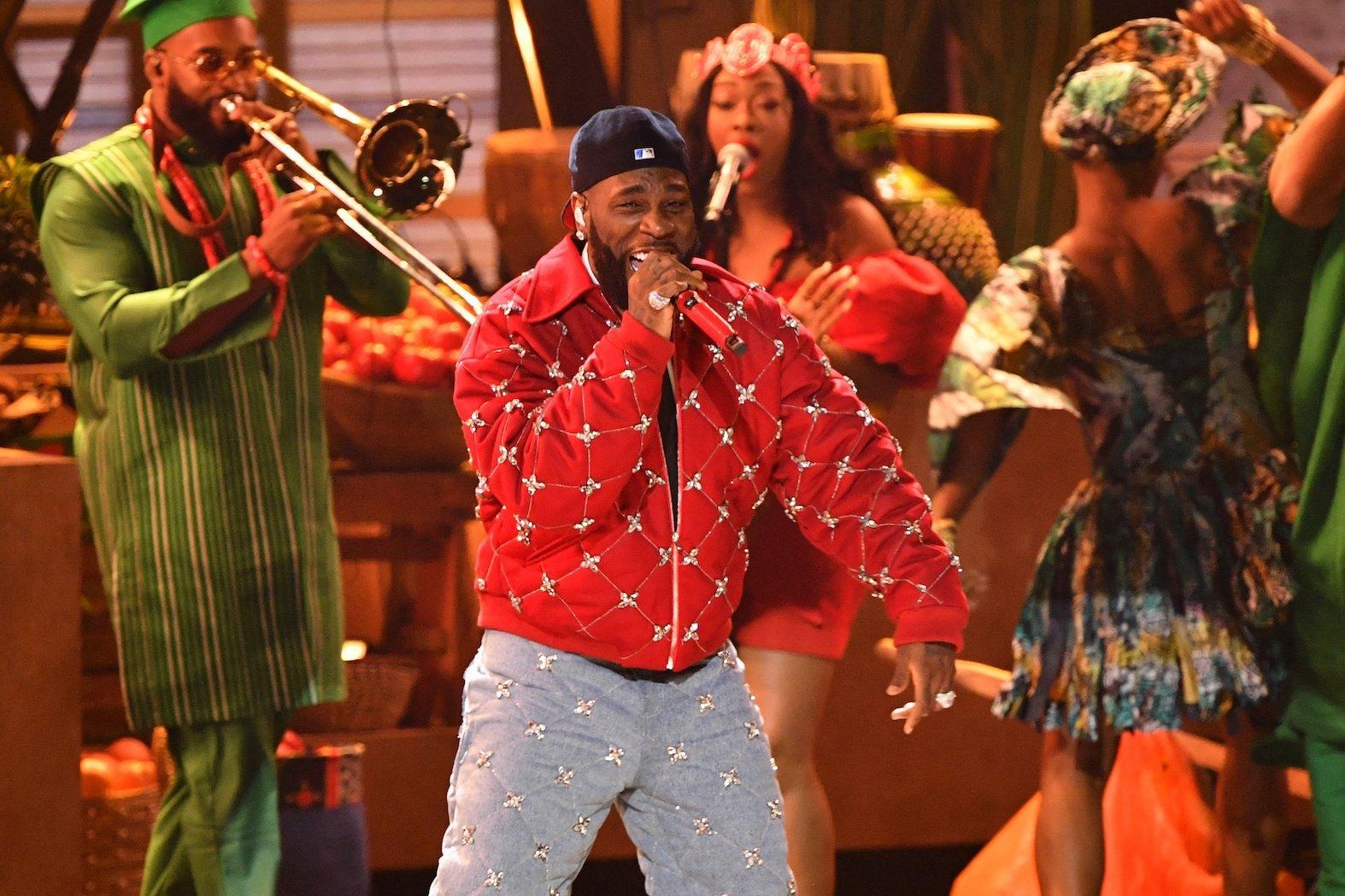
All of this would start to change around 2019 when the Afrobeats to the World Movement seemed to be approaching a fever pitch. Wizkid’s flirtations with a softer variety of Afropop had long vaulted him to global acclaim, Davido was still fresh off the momentum he had garnered with songs like If and Fall, which became global sensations in 2018, and by the next year, 2019, Burna Boy would increasingly become a force not just within Africa but around the world, on account of his seminal album African Giant, which embodied the Nigerian zeitgeist in a way few albums had done before.
Everywhere one turned, Nigerian artists seemed to be breaking barriers and hitting new milestones. And so when Burna Boy’s African Giant received the Grammy nod later that year, in the Best Global Music Album category, it felt as though the stars had finally aligned for Nigeria’s ascendancy on the elusive Grammy stage.
On the night of the 62nd Grammy Awards, Nigerians of all musical persuasions rallied behind Burna Boy—a win for him was a win for the culture. Surely, he would win. Not only had he made a cohesive and compelling album, but he had also toured the world with the project, earning significant commercial acclaim. He ultimately lost to Beninise musical legend Angelique Kidjo, much to the chagrin of Nigerians and Burna Boy himself (in a subsequent project he sings candidly about how intensely the loss affected him.)
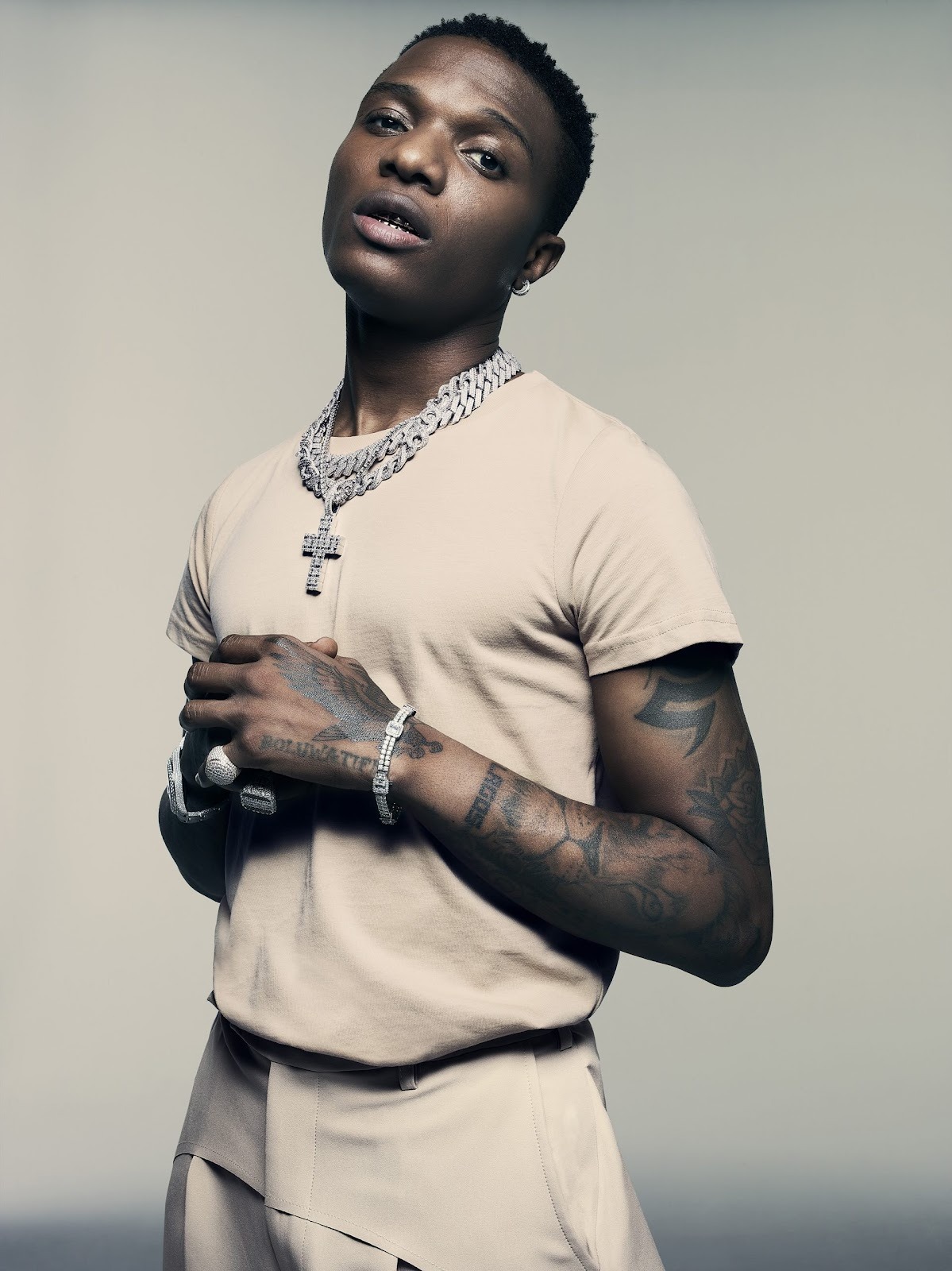
And while Burna Boy would perform a heroic comeback the following year, winning in the same category with Twice as Tall, the incident left Nigerians with a deep malaise that would only intensify after Wizkid’s loss in the Best Global Music Album category, and when Rema’s Calm Down and its remix were snubbed in the 2023 and 2024 Grammys even though the songs were eligible for nominations in those years.
In the wake of the disaffection stirred by Wizkid’s Grammy loss in 2022, Grammy CEO Harvey Mason Jr made three trips to Africa, speaking with local community leaders and stakeholders all across the African music landscape. This culminated in the Best African Music Performance category, ostensibly created to give better representation to African Music—which really is corporate speak for “making it easier for African acts to win and hopefully reducing the amount of outrage that invariably came from Africa year on year.”
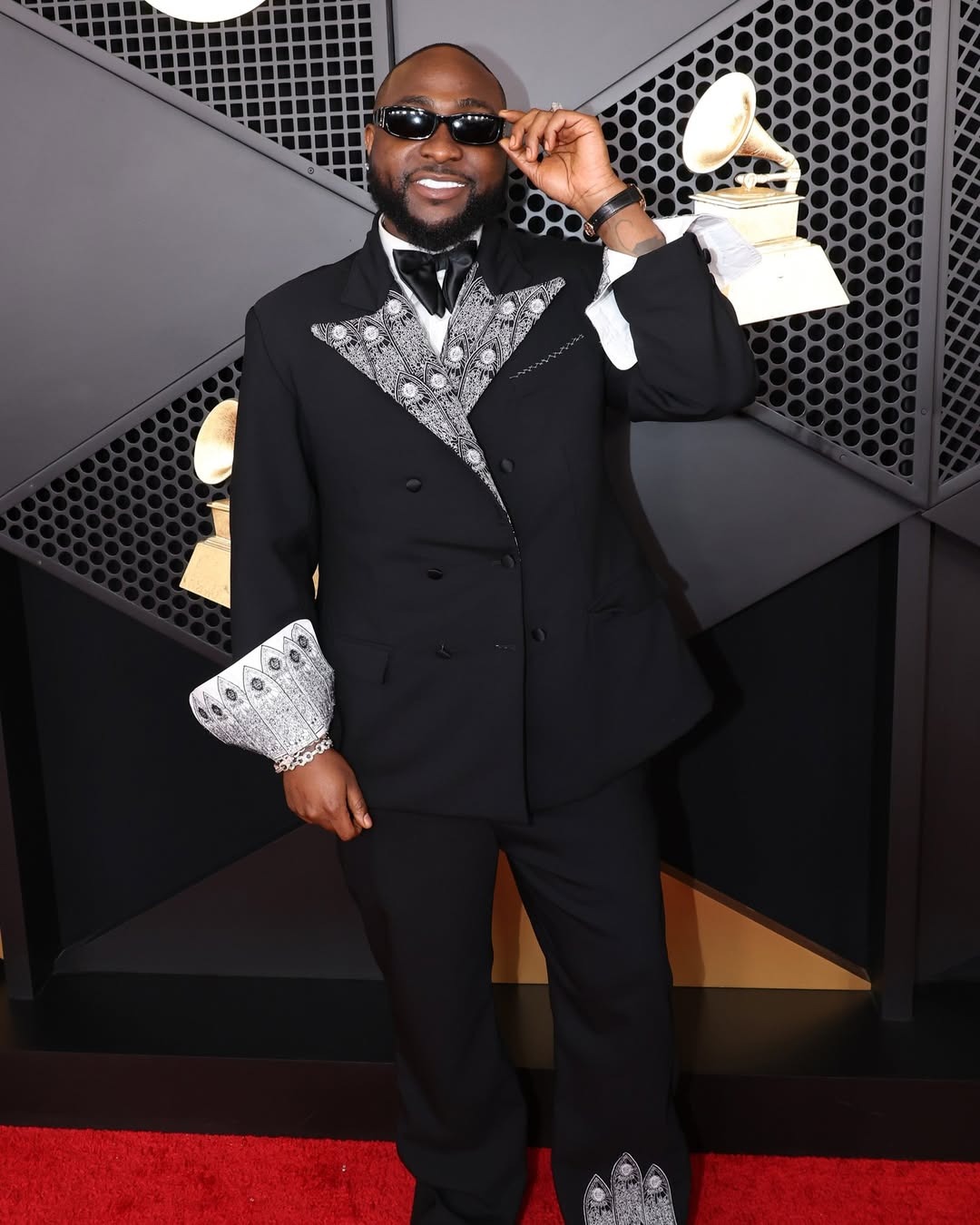
Many Nigerians however interpreted the new category as a tacit nod to Afrobeats’ ascendancy on the global stage and expected Nigerian artists to cruise to the win every year. This hasn't quite panned out. Since 2024 when the category was inaugurated a Nigerian act has won it just once: Tems last year. Tyla has won it the other two times.
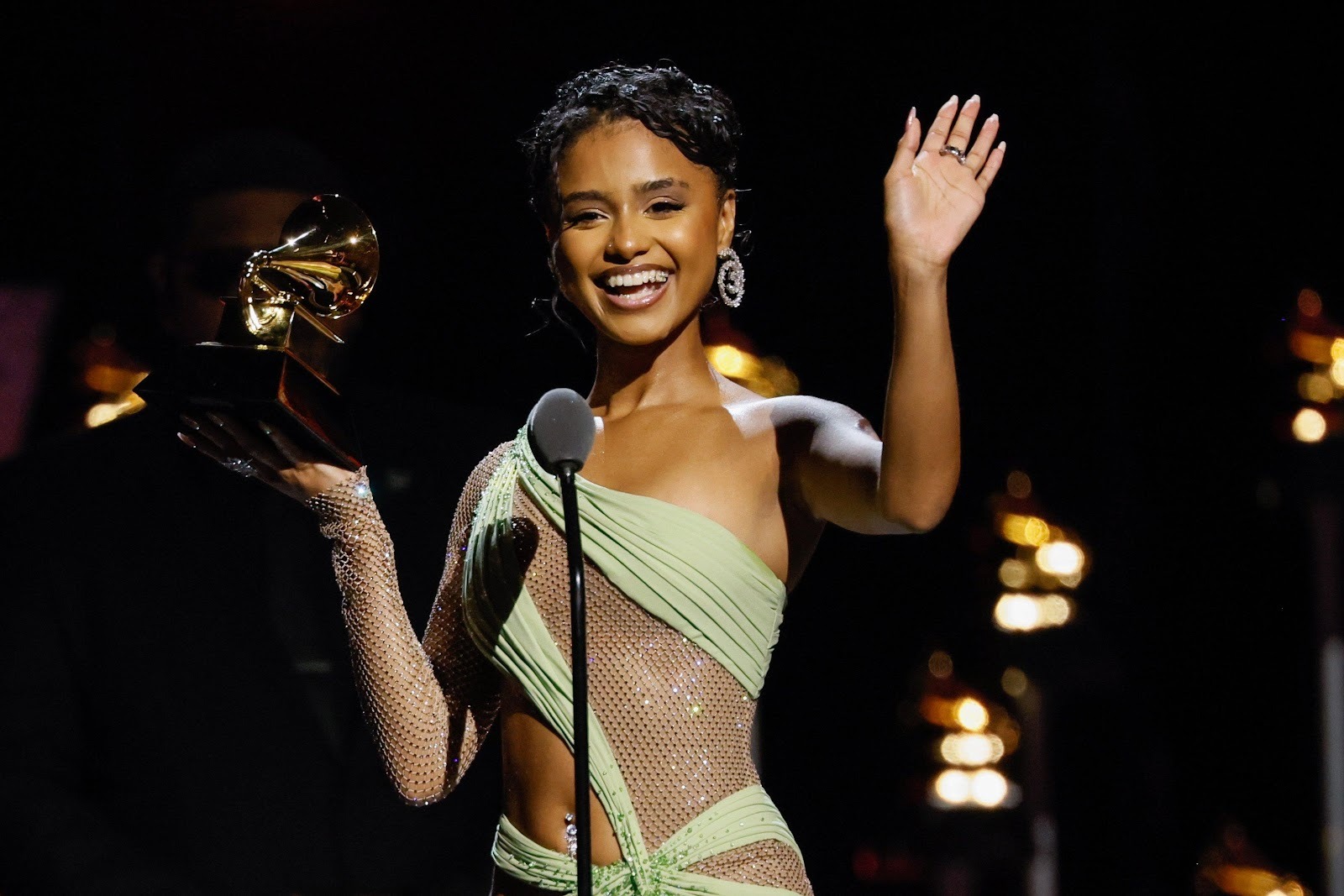
For now, Tyla seems to be a receptacle for Nigerian indignation, but I suspect this has more to do with the fact that many Nigerians either misunderstand the category’s scope as extending solely to Afrobeats or view it as the birthright of Nigerian artists. How else can one rationalize the constant uproar every time someone from another nationality wins in the category? A tweet I came across perfectly encapsulates this entitlement. “Tyla is the weapon fashioned against Nigerian artists,” it reads.
Some have said their anger stems from Push 2 Start not fitting the parameters of the category. They claim it’s more of a Pop song and should have been nominated in the main Pop category. But this argument falls apart upon closer scrutiny. While Tyla often makes songs that feel more Pop than Afro-leaning, Push 2 Start, which earned her the win, is as African as it gets. The song is primarily delivered in English, but the melodies are pointedly inspired by Highlife, the drums are African and bounce has a Caribbean flavor.
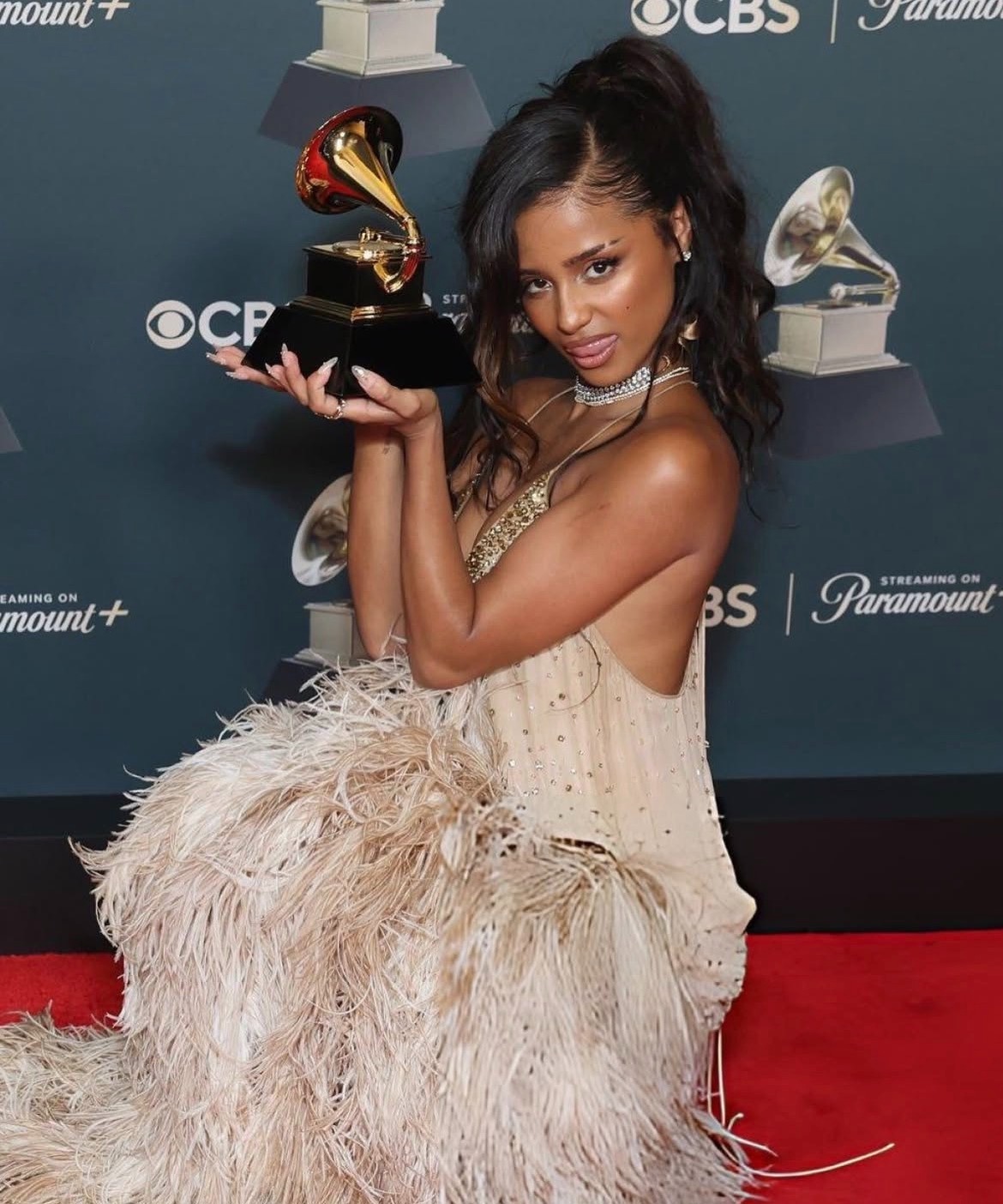
Another argument that has gained traction despite its obvious dishonesty is that the song, to borrow Osi Suave’s words, “was a non-starter, didn't even make any impact or go anywhere.” In reality, with nearly 500 million streams on Spotify alone, the song is by far the most commercially successful of the nominees. For context, the second most-streamed of the lot, Davido’s With You, has garnered just over 100 million Spotify streams. Push 2 Start is also the only nominated song in the category to make an appearance in the Billboard Hot 100 chart.
Many Nigerians have fiercely heralded Tyla’s win as a snub to Nigerian artists. The reality however is that this line of thinking betrays a problematic and narrow-minded view of African music. It’s beyond important to stress that the award is neither the exclusive preserve of Afrobeats nor Nigerian artists. If a Nigerian artist had earned the level of success that Push 2 Start, a brilliant Afropop composition, has earned and still lost out on the award, the level of outrage would be monumental—as it should be. Beyond commercial success and the convoluted politics that attends the Grammys Tyla deserved to win because she’s African and has as much of a claim to the award as anyone else.


.png)

