.svg)

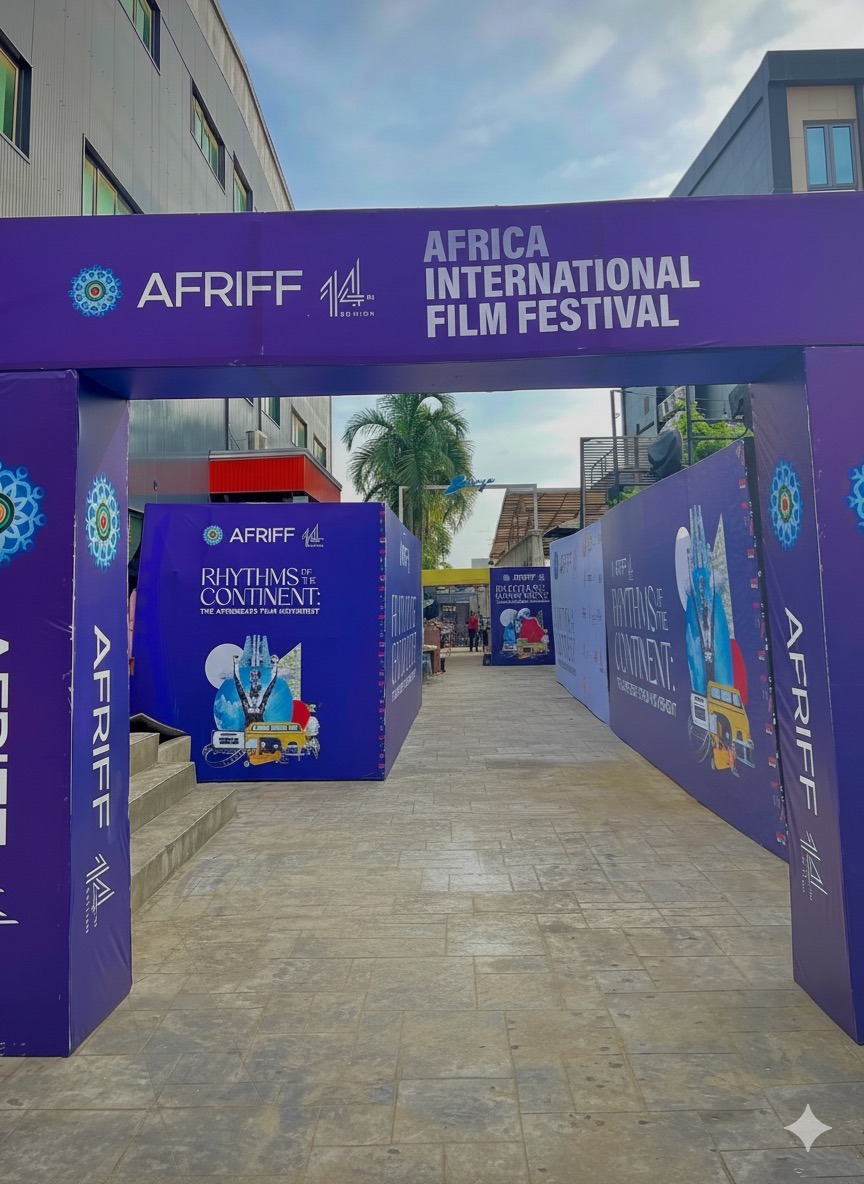
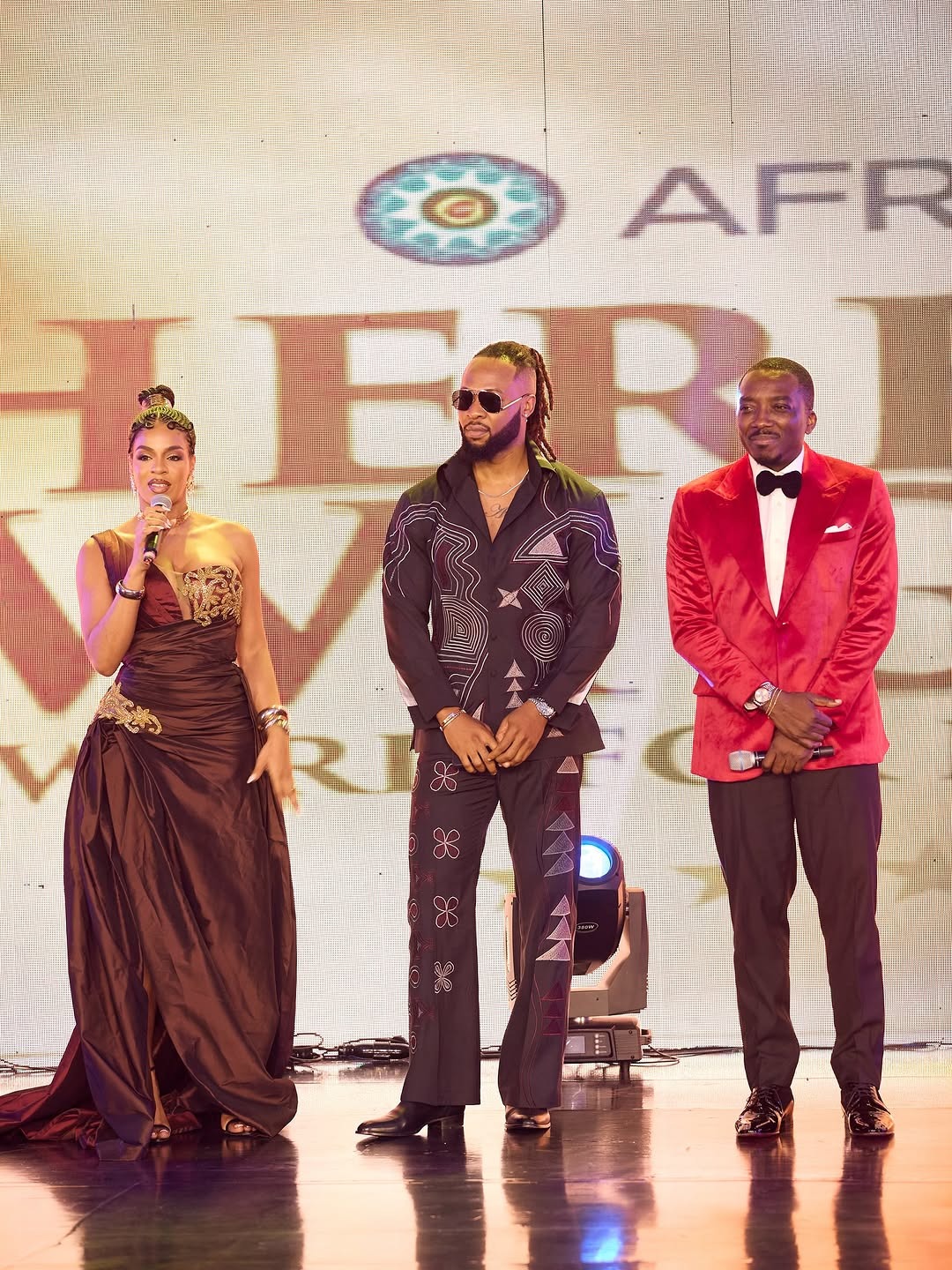
The curtains closed on the 14th edition of the African International Film Festival (AFRIFF) and the 1st edition of the African Film and Content Market (AFCM), which took place from November 2nd to 8th, 2025. For one week, filmmakers, actors, and film lovers filled the city with stories. There were red carpets, panels that ran too long, screenings that started too late, and moments that reminded everyone why African cinema is worth fighting for.
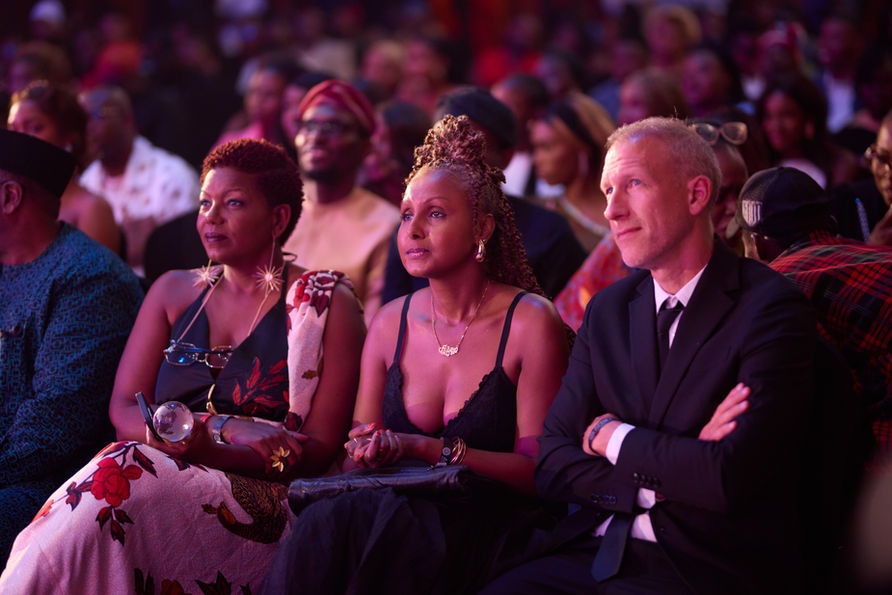
Photo by: afriff
The fourteenth edition unfolded under the theme “Rhythms of the Continent: The Afrobeats Film Movement,” a bold declaration that African cinema, like its music, is learning to speak a universal language that’s unmistakably its own. The festival opened with ‘3 Cold Dishes’, a revenge thriller directed by Asurf Oluseyi, and closed with Flavour’s ‘Afroculture’, a documentary celebrating African music’s global reach, proving that film in Africa has transcended pure entertainment and now touches economy, identity, and power. Beyond the glamour and celebrity sightings, AFRIFF 2025 was a mirror held up to the state of African storytelling, reflecting its promise, politics, and persistent imperfections. The festival introduced the African Film and Content Market (AFCM), which ran from November 3 to 6, an ambitious platform that’s designed to bridge the gap between art and industry. The introduction was a statement of intent that African filmmakers no longer wish to be seen as participants in a global market but as owners of one. There were panels on distributions, co-production, and monetisation, signalling a growing recognition that storytelling has become both cultural currency and economic power.
Yet, the week was not without turbulence. Screenings were marred by technical issues and organisational lapses. Some filmmakers expressed disappointment over film selections that felt uneven, and audiences left certain venues mid-show. But perhaps this, too, is a part of the language AFRIFF is learning – the struggle of a young industry trying to professionalise while holding on to its authenticity. Beyond the logistics, AFRIFF 2025 showcased the soul of African filmmaking. Films like ‘The Fisherman’ by Zoey Martinson, ‘To Adaego with Love’ by Nwamaka Chikezie, ‘Pasa Faho’ by Kalu Oji, and ‘Tokyo Girl’ by Adele Vuko reminded audiences that African cinema is not one-dimensional. These stories explored everything from migration and love to faith and survival, weaving local truths into universal emotions.
At a masterclass on storytelling, Yinka Ogun remarked that African filmmakers must “learn to speak their truth in a language the world understands”. It begged a larger question that was hanging over the festival: “What does authenticity mean in a globalized industry?”. Global interest in African narratives has grown, but so have fears of dilution and of stories being shaped to fit Western appetites. Yet, what stood out at AFRIFF was how many filmmakers are now consciously resisting that pull. The festival’s new focus on markets, panels, and awards reflects a broader transformation in African cinema. African filmmakers are no longer waiting for global recognition and are now building the platforms, negotiating deals, and defining their own terms. AFRIFF is now as much about strategy as it is about creativity, showing that African cinema is claiming its space both culturally and commercially. The Afrobeats panel was a deliberate one because, just as music carried Africa to the world, cinema seems poised to do the same.
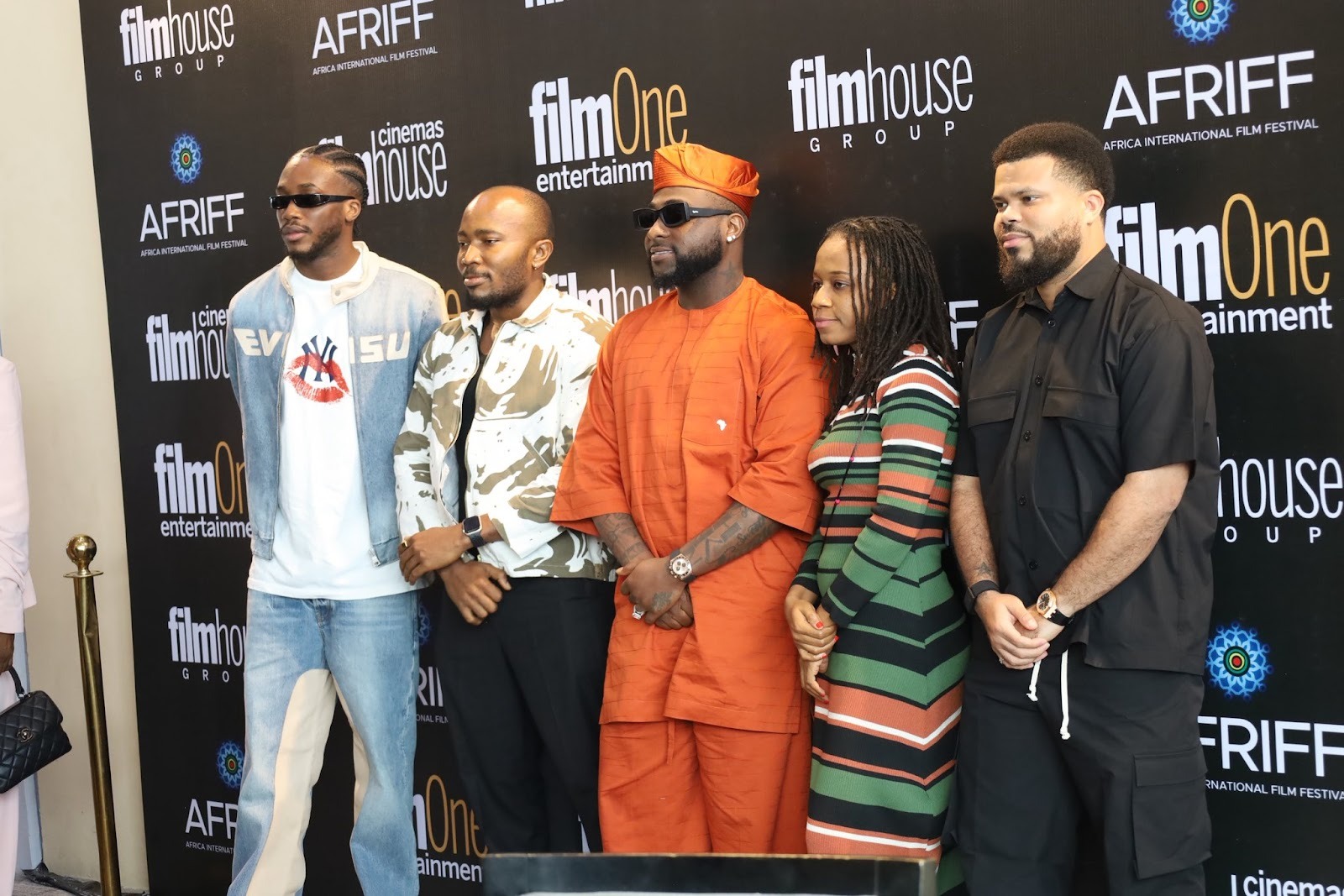
Photo by: @JoeyAkan/X(Formerly Twitter)
AFRIFF 2025 wasn't without fault, but the festival's new focus on markets reflects a broader transformation in African cinema. At the closing night at Landmark Center, the air was replete with hope for the future of African cinema. And while the festival may have stumbled in execution, it succeeded in something more meaningful, which is, African storytelling is entering a new phase.
AFRIFF 2025: Full List of Globe Award Winners
- Special Jury Prize for Outstanding Film: The Eyes of Ghana by Ben Proudfoot
- Best International Documentary: Tukki: From Roots to Bayou – Vincent Le Gal & Alune Wade
- Best International Short Film: Majini – Joshua Neubert & Victor Muhagachi
- Best Short Film: The Day the Heart Died – Russell Oru
- Best Student Short: The Labyrinth – Toluwalope Okunade
- Best Animation Film: The Travails of Ajadi – Adeoye Adetunji
- Best Documentary: The Eyes of Ghana – Ben Proudfoot
- Best Screenplay: To Adaego With Love – Brenda Garuba
- Best International Feature Film: Pasa Faho – Kalu Oji
- Best Actress in a Feature Film: Michelle Lemuya Ikeny (for Nawi)
- Best Actor in a Feature Film: Richard Bamgbaye (for Aljana)
- Audience Choice Award: Son of the Soil
- Best Director: Zoey Martinson (for The Fisherman)
- Best Feature Film: To Adaego With Love – Nwamaka Chikezie



.png)

