.svg)

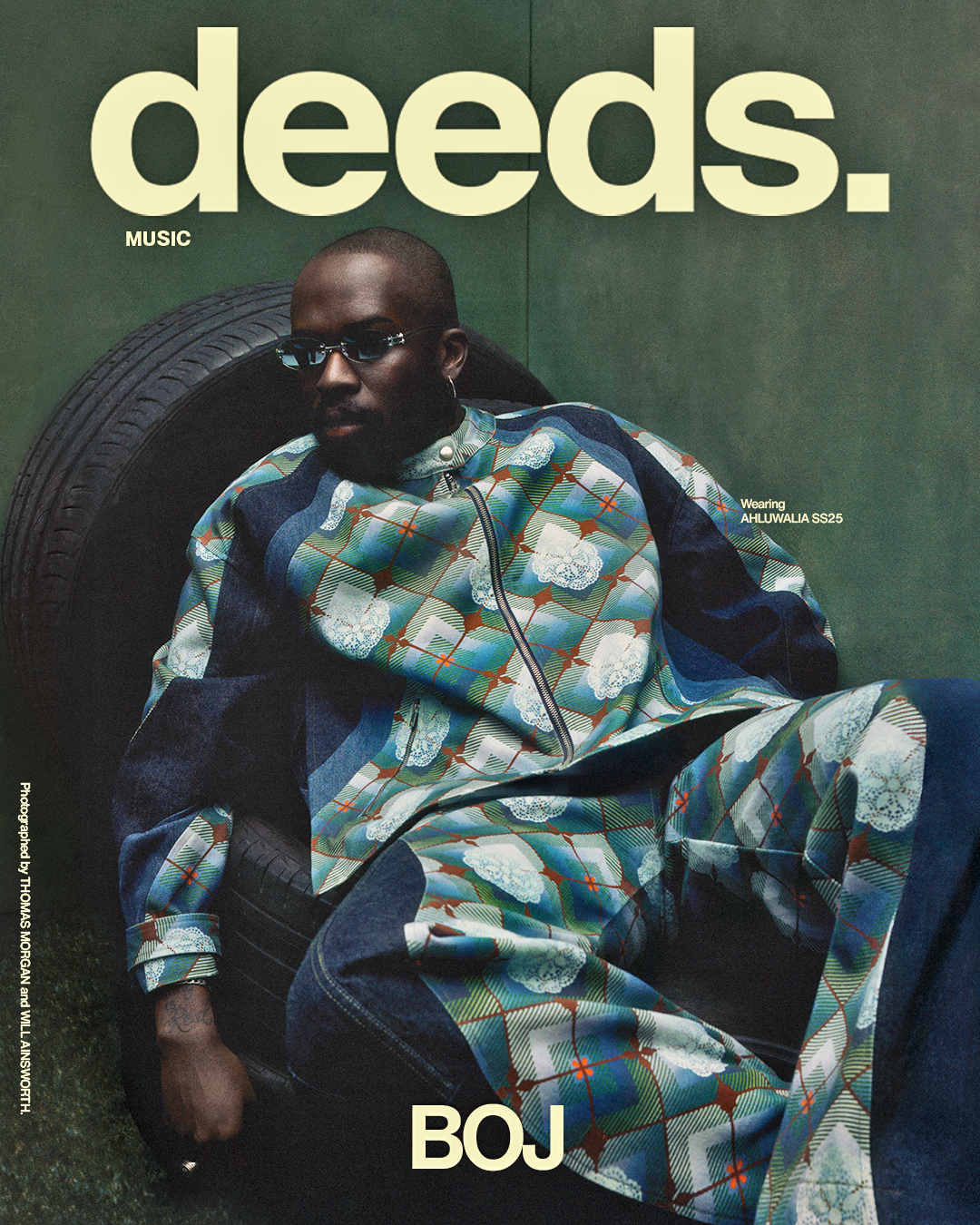
In Duplicity, Boj reveals two contrasting sides of himself. The Alté pioneer once again reminds us why he is somebody who can never be slept on. Six albums into his career, he is still able to keep people on their toes while maintaining what has made him the innovator he is.
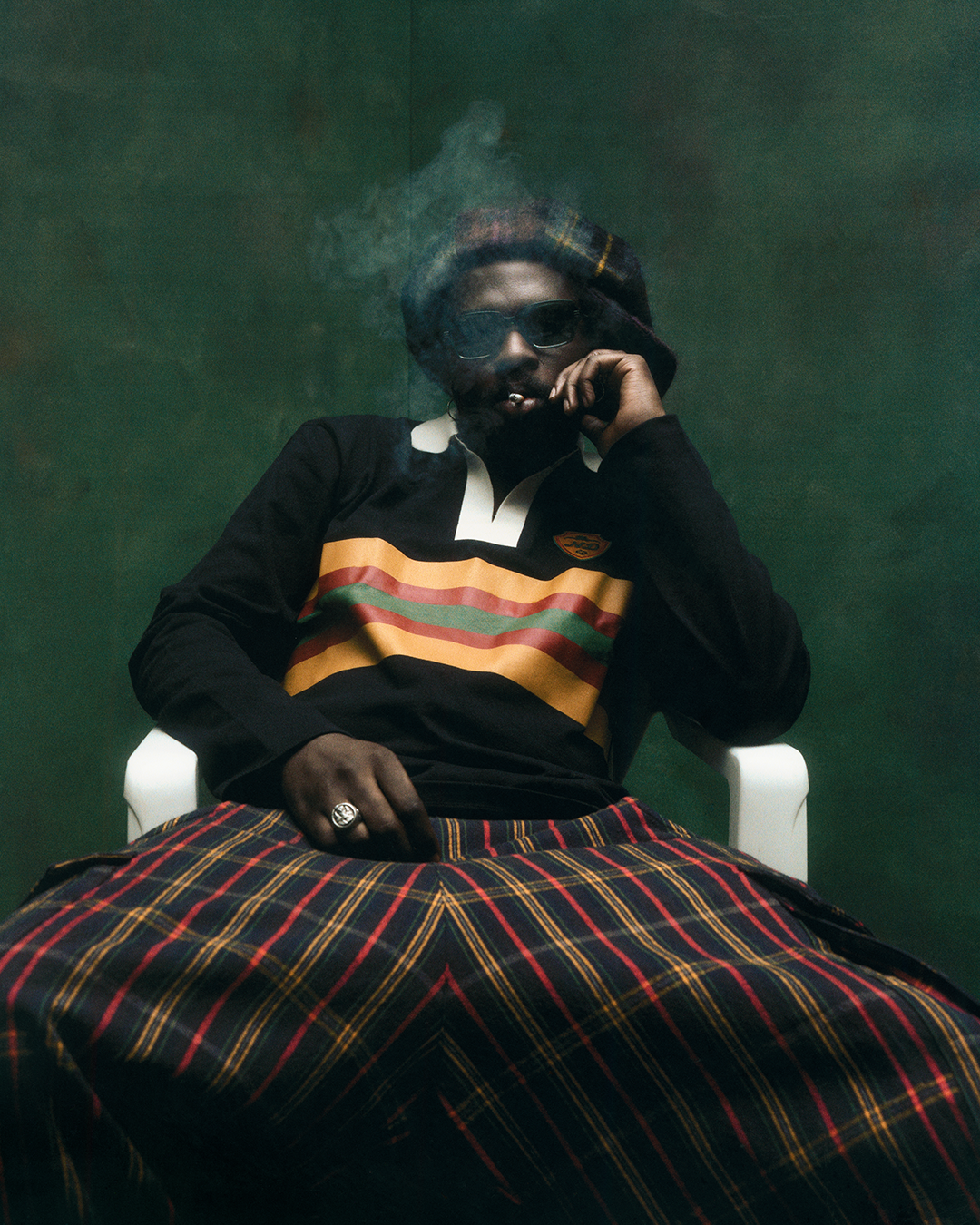
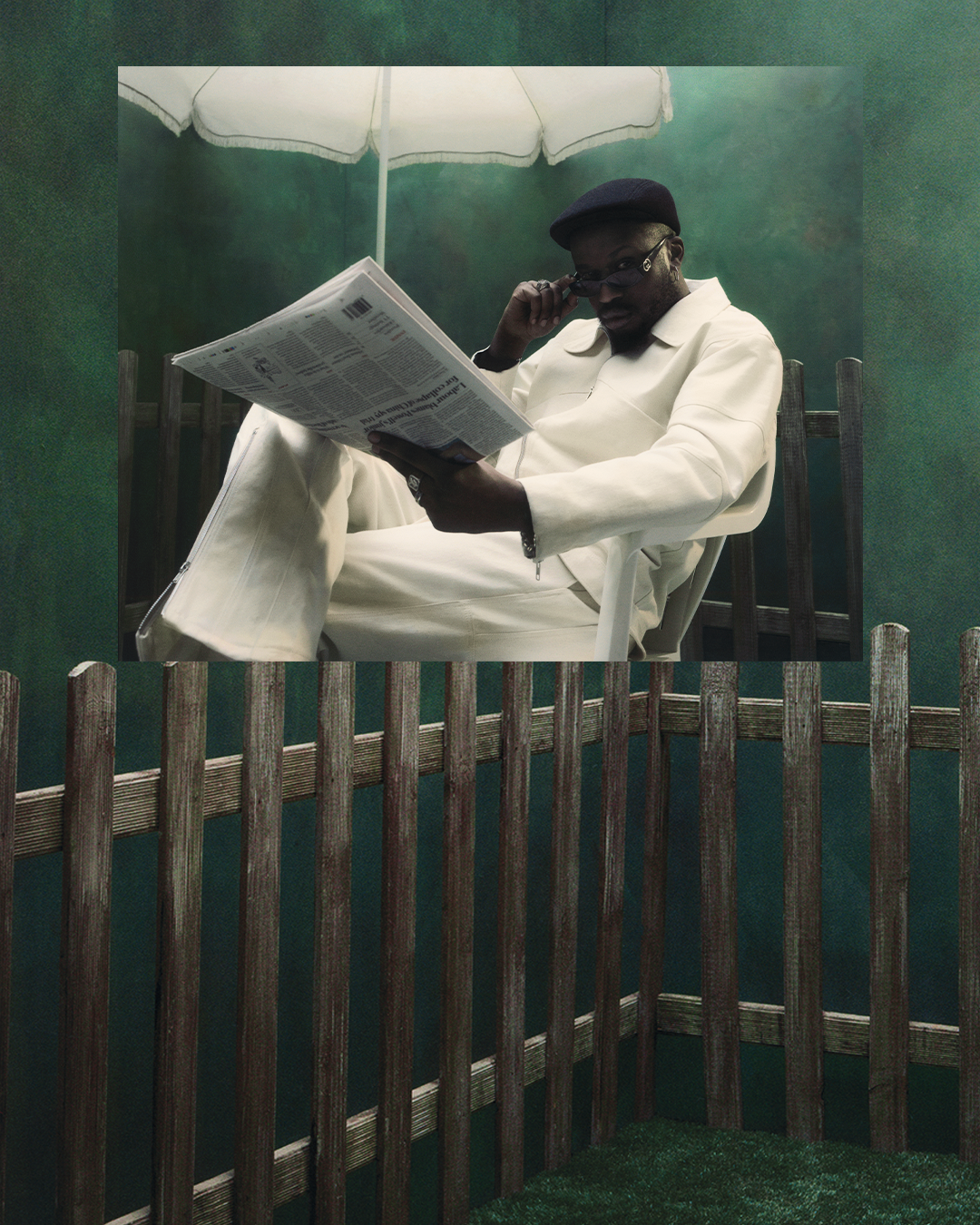
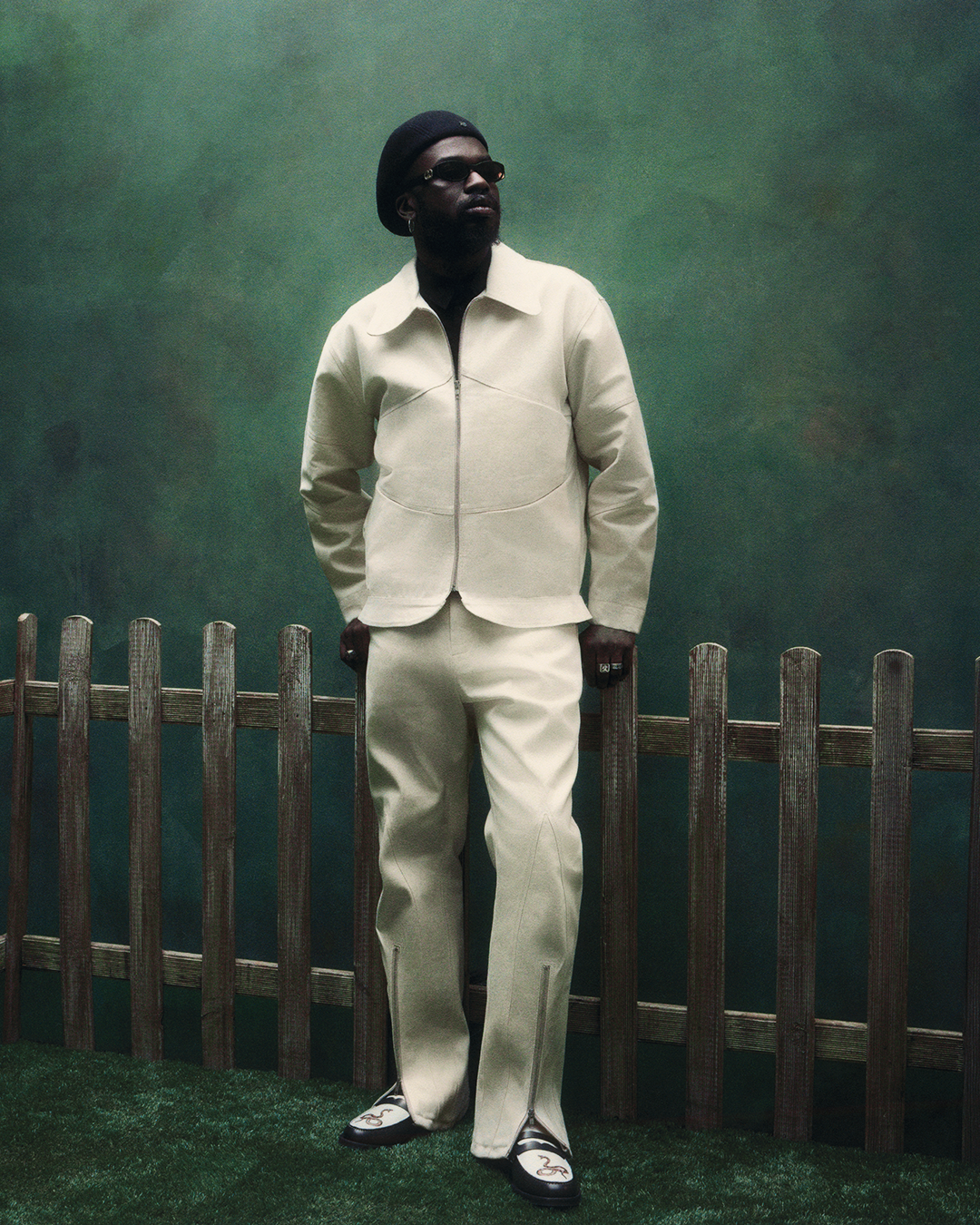
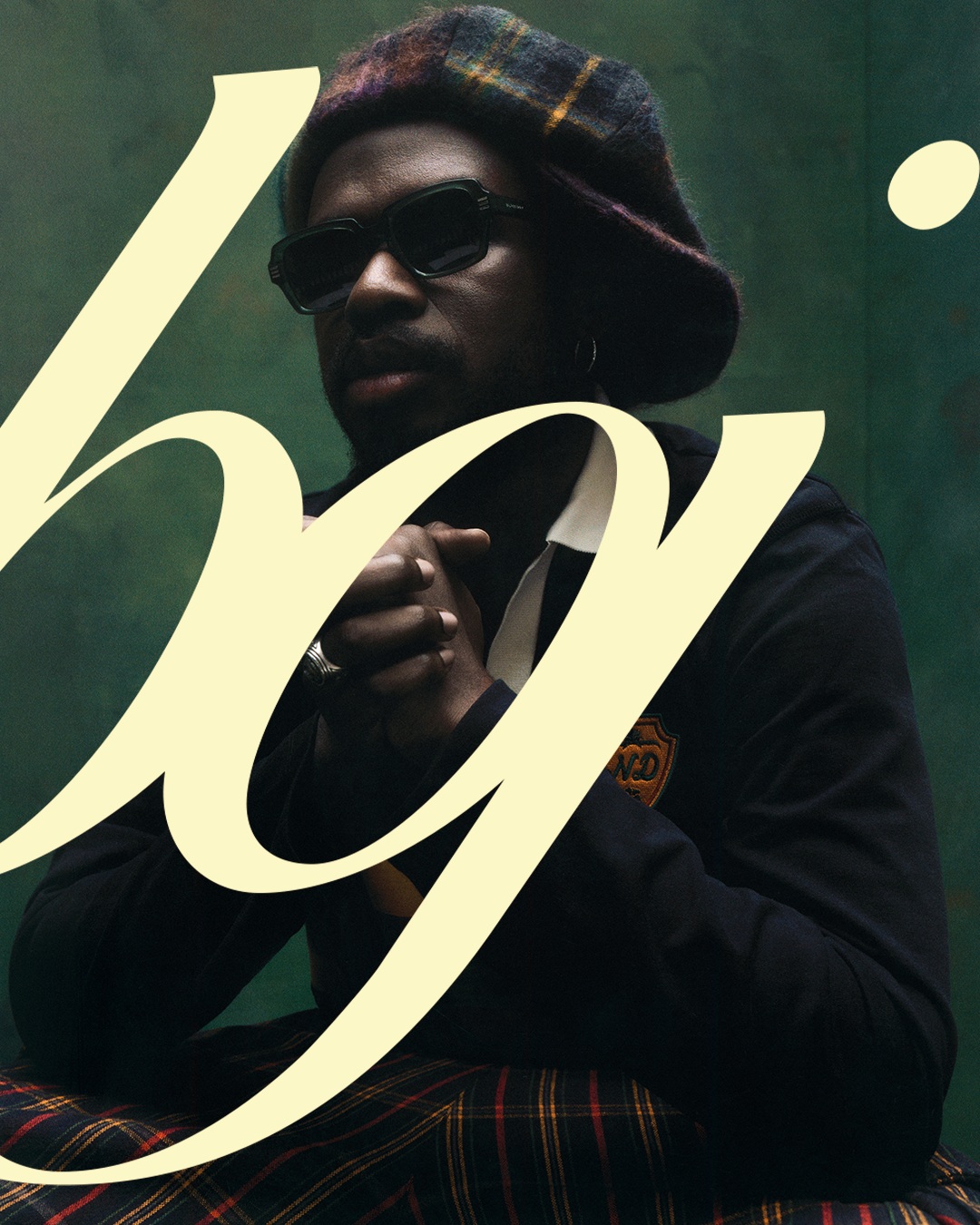
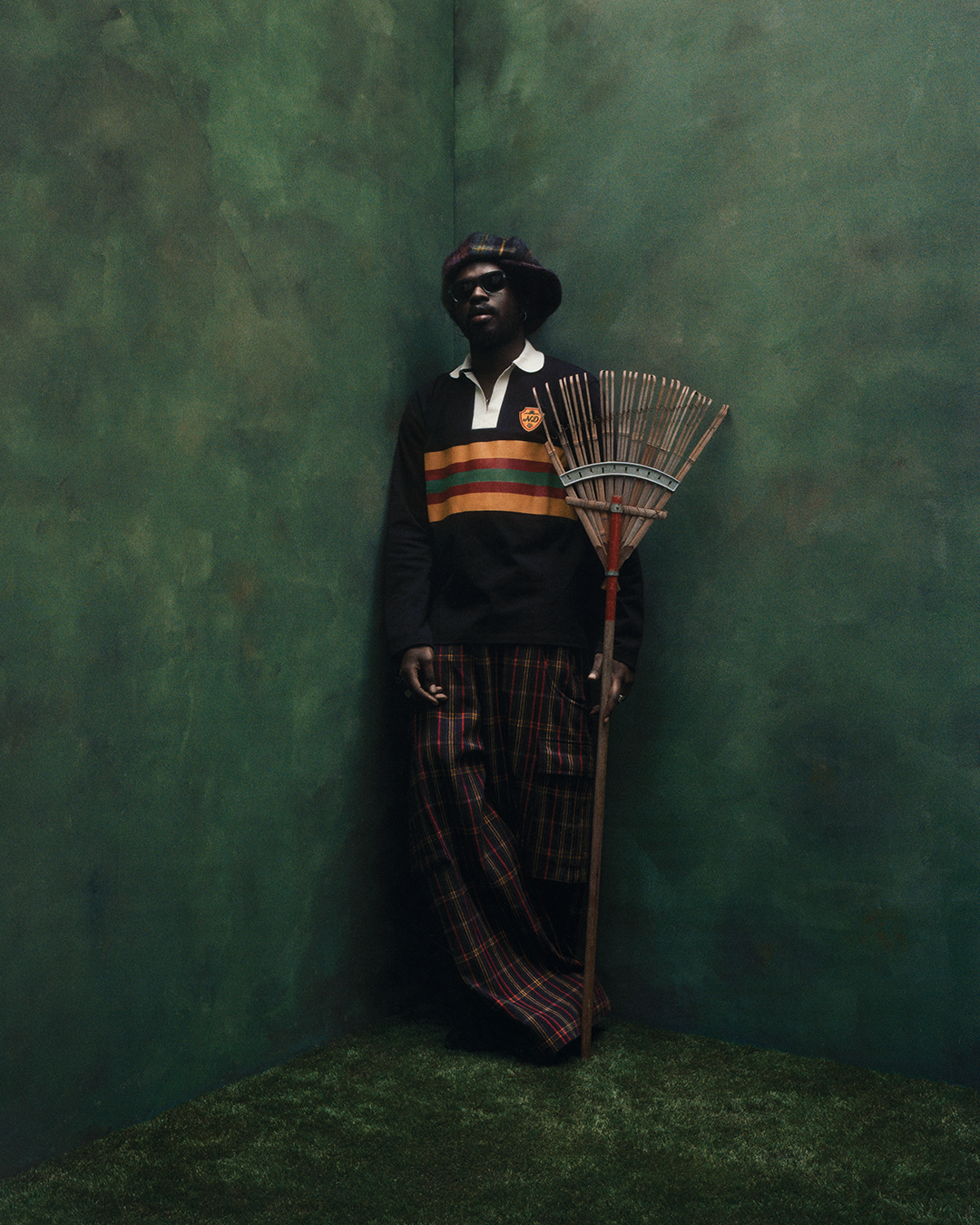
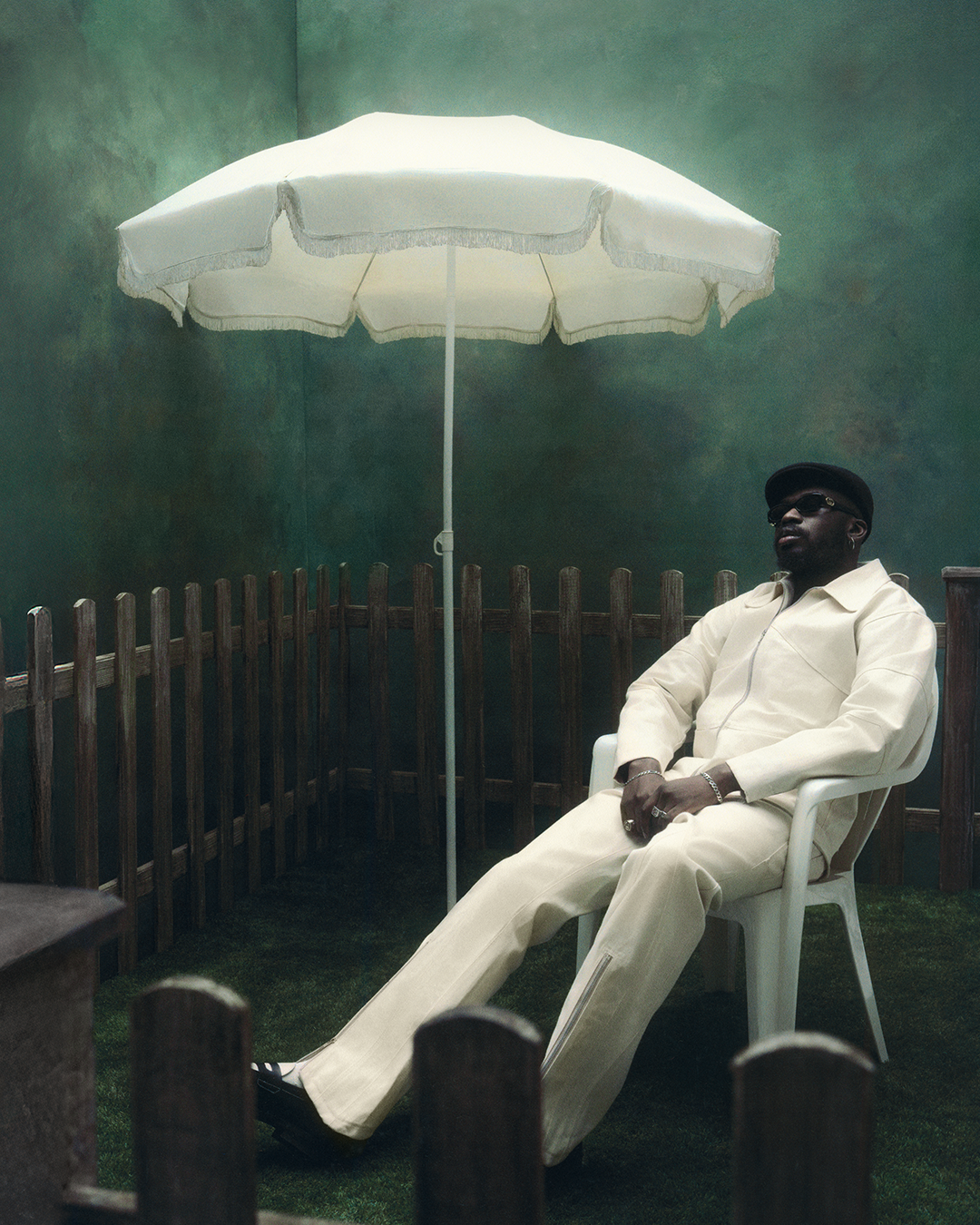
As for the album itself, when you first take it in, you can see a difference between this and his previous material. Sonically, visually, and thematically. The album itself represents two sides and explores the duality of its subject matter through the different emotions, thoughts, and feelings he shares across the project. “The whole concept of the album was born out of an argument,” he shares about the genesis of the album, in how the idea came to be. Its title and concept were determined very early in the album-making process, which is usually the opposite of his process. Even in setting the tone for the visuals and artwork, inspiration came from Peaky Blinders and The Godfather, allowing Boj to express all sides of himself.
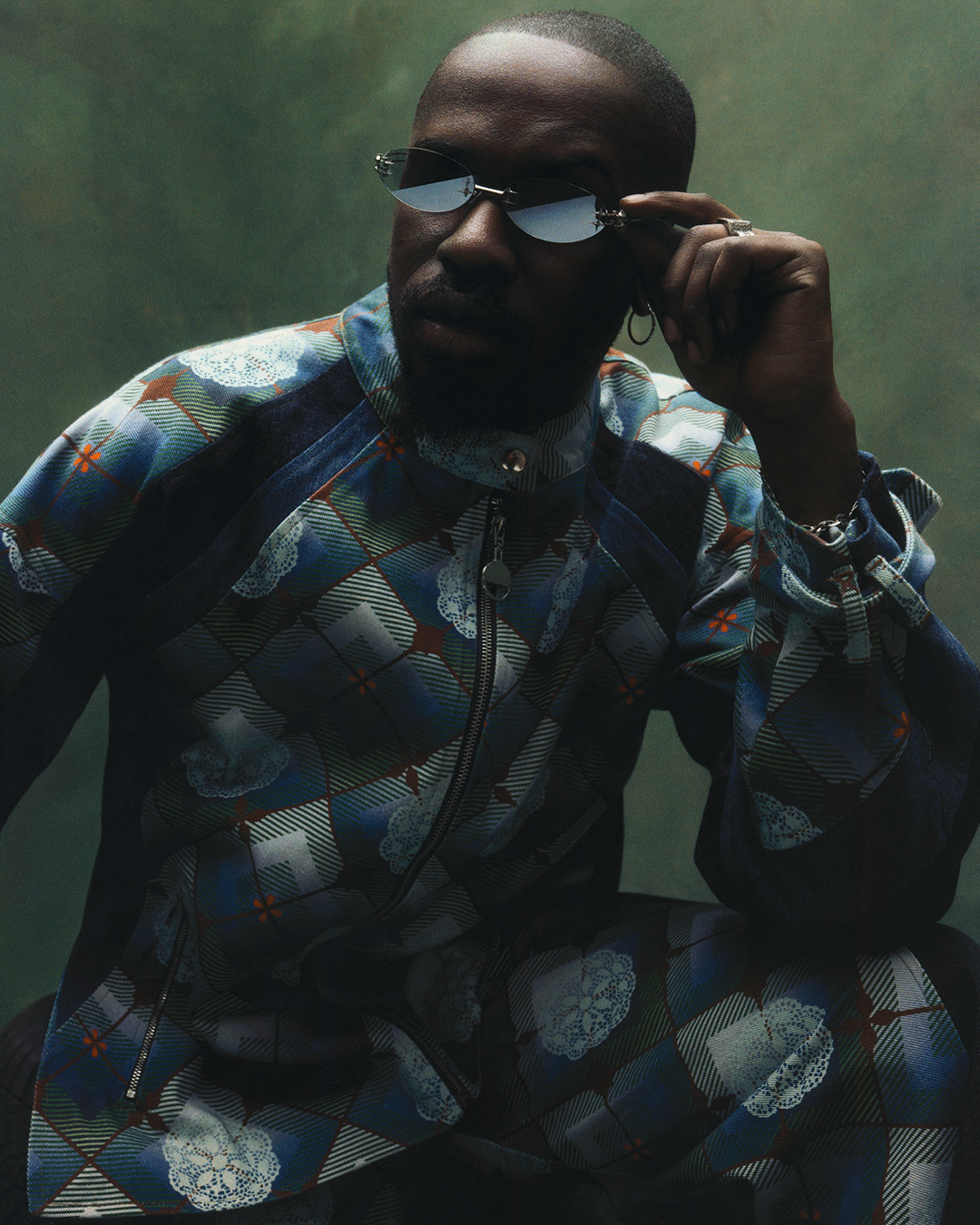
As a cultivator in the genesis of the Alté lifestyle, which expands beyond the genre of music and translates across music and fashion, and represents a different kind of creative expression. Boj is somebody who has never shied away from whatever it is that makes him stand out the way he does. As we meet this version of Boj, there is growth and elevation from what has already been established with his legacy and impact on the genre. Joined by his fellow collaborators on the album, he continues to show that, no matter the situation or circumstance, he shifts and expands what people see him as when it comes to his music and creativity
Meeting Boj in this era represents growth and self-realisation for him and reflects parts of himself that fans and audiences may not be familiar with. However, ever so accurate to himself, he still delivers a body of work that gives you the quality of music we have always come to love.
First of all, congratulations on the new album. We were introduced to the sound of the album with the first two singles, ‘Shana’ and ‘ After Hours’. Why did you feel these were the first songs you wanted people to hear from the album?
Really and truly, those songs tell the album's story perfectly. There are two sides to me, and it fits the whole duplicity theme. One of the songs is really centred on love, and the other is just centred on enjoying life. It aligned well with the project's theme.
The tone of the album has a darker feel than what we have heard from you. So how did we get here?
The whole concept of the album was born out of an argument. So that's really why it feels like that. As an artist, it's very hard for me to express musically without it relating to what's going on in my life. That's what's come out like that, even down to the album cover; it's all dark.
As you were making the songs themselves, did it just transpire that they were all leaning towards a particular sound or theme? Or was it something that just came naturally as you were making the music?
For me, it was just what was happening at the time. It was just what we were creating; I just let it happen, and this is how it happened. This is the first time I've had my album name or the album theme before the project has been done. I had made only two songs before I had the name already. The name usually comes at the end for me; this is the first time it came first, and even then, I wasn't intentional about the mood of the songs. It was just what was coming. It was just how I felt.
Why did you choose Duplicity as the album title?
In the argument I was having. I was called duplicitous, and I didn't know what it meant. And then I went and checked what it meant, found out what it was, and was just like, this is everyone. This is true, maybe I'm a bit duplicitous, but I feel like everyone is to some extent, and I just needed to express that.
As a whole, did you feel like there was any, like, pressure or like, slight hesitation as to what people were going to think about hearing the album because it does feel different from your previous bodies of work, or was it something you were not thinking about?
I don't think that way; I just always assumed that people would accept everything I do. So I don't really think the other way. The only thing I was hesitant about was explaining why my album is the way it is. I'm usually a very private person. I don't really talk about what's really going on in my life, or anything like that. But then I also thought about the kind of person I'm trying to grow to be, which is to be honest and to let people in a bit more, let the fans in a bit more, see my character a bit more, let them kind of see what actually happens in my head.
How did you find that this experience for this project differed from your previous bodies of work? And just like bringing together everything from the artwork, even like the artwork for the singles, how was it?
With this project, when I'm making one, I usually have a bunch of sessions with different producers, you know, and work with different people. But this time, I decided to lock in with junior, who's a producer I've worked with in the past on many records as well. We spent like a month together, first, just chilling, you know, doing things together. And then we locked in for a month again after that to start recording, I just really, really found, like, a synergy with him, where it's like he, he kind of now knows precisely what I want, even when I don't know what I want.
It was just a beautiful experience, also working with Tim Lyre, who's a great artist, great songwriter. He's also good at channelling, channelling me; he knows how to write like me. He's a rapper as well, so he elevates the writing, you know. So when I think about it, this album was actually very intentional. With the visuals as well. It was like watching Peaky Blinders again, before I started working on the album. And that inspired me a lot as well.
You are never shy about collaborating, and there are a few people on the album. So, speak to us about the features and who worked with you on the album?
This project has the fewest number of features I've had on a project. And this is also because I usually make music from a very selfish place, where it's like, I do what I want to hear. Yeah, okay, yeah. But sometimes you listen to what your fans are saying. And there was always the talk about how they wanted to hear more of you on songs, on certain songs. And usually I don't like hearing myself all over the song. So this time, there was only Olamide, Mavo, Obongjayer, ODUMODUBLVCK, Pa Salieu, and SGaWD, and usually, there's only one song that I'm on by myself.
I grew up musically. I started music in a collaborative setting with my group, Dr B, and it was something, something where I'll do the hook, and then these other guys have the verses, or I'll do a verse on a song, or, you know, so that's how, that's how I really started. So from my first project, it was heavily collaborative,
With the music that you started making at the beginning of your career, and what that has evolved to what your sound is now, how do you feel that's changed, from where you were to where you are now? How do you define the music that you make now, as opposed to what we've known you, what you've known, what you've been known for throughout your career?
On a base level, not much has changed like that. Like anything, if you keep doing something over and over, you get better at it. Some of the melodies are stronger. Now the writing is a lot better. Now have the opportunity to work with, like, higher-level producers, you know, just stuff like that. On a base level, the sound is consistent; you know, when you hear a particular type of song, you'll be like, Okay, this, this sounds like something BOJ would be on. I've just gotten so much better at doing it.
Within the sound of what Alté music is and the role that you've played in terms of what that genre is to people, and what people know of that genre when it comes to your music, and just like your impact on the sound. Is that something you often think about in relation to your legacy and everything you have achieved in your career?
First of all, we created that whole slang, that Alté slang. So first of all, that's where it starts. And I think we did, because we started really early, and, like, really young, as I got into this when I was 17, 18, we inspired a whole generation of artists due to our belief in ourselves. We just made other people, other artists, believe they could do something different. When we got in, the media was saying, This can't work here, you know, this is just too different And it really wasn't, everyone is telling us we like this, we like this a lot and then in the same breath, they're saying that we don't think it will work, but, but you're saying you like it, but you think it won't work.
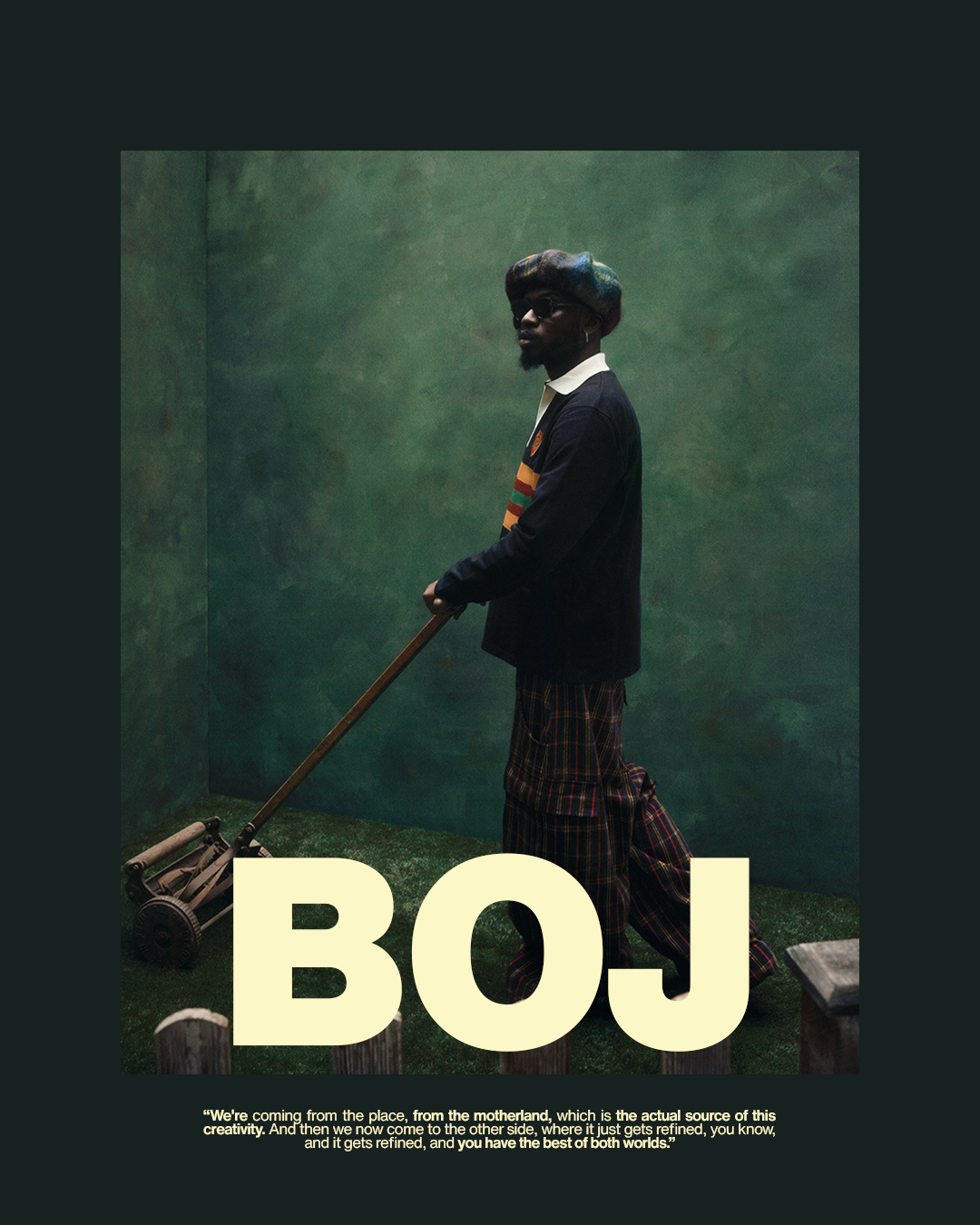
We just believed in ourselves and kept going. We motivated an entire generation and, to some extent, changed the sound in the mainstream, not just with the music, but also the style, the fashion, the music videos. It wasn't like we were doing this at the time, trying to change things. We were doing what we liked and how we felt. That's what Alté expresses freely, without boundaries.
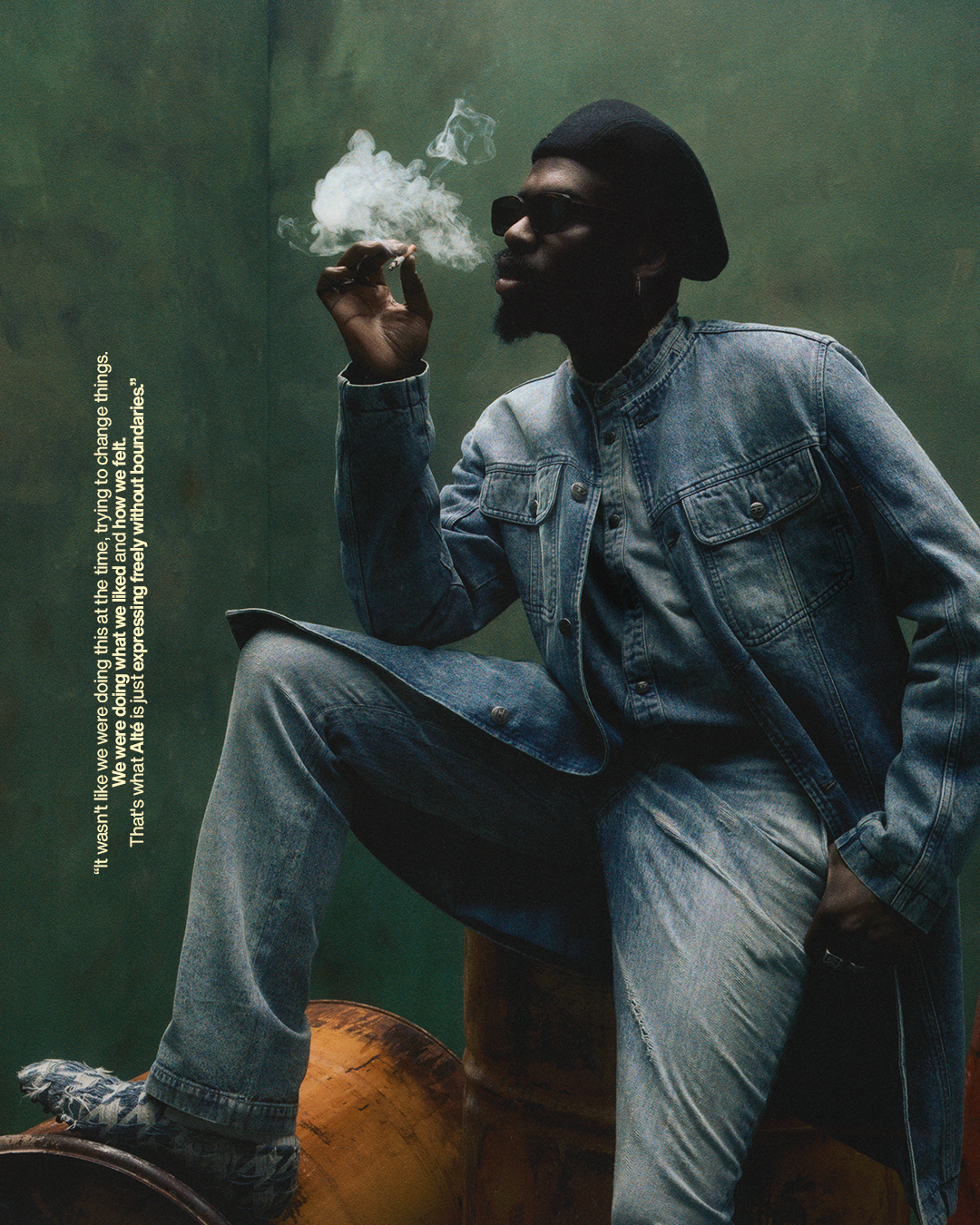
Even doing this as young as you were, what would you say gave you the confidence or the boldness to say, even though this is different, and people haven't done this before, like, I'm just going to go and express the way I do?
It was really about leaving Nigeria, to be honest with you. We went to England really early in secondary school, around year eight. I went to England and did year nine. So those are really formative years, and we're coming from a place where there's a whole lot of rules in everything you do, the way you dress. You have to dress like this. You know, you have to act like this. You have to be a doctor. You have to, you know, that's, that's the world we came from. And then we get exposed to ourselves because we're thrown into boarding schools, and we now have a lot of freedom and autonomy. So you start thinking for yourself, and we did all that. We express in a way, we feel because now we have serious ammunition, because we're coming from the place, from the motherland, which is the actual source of this creativity. And then we now come to the other side, where it just gets refined, you know, and it gets refined, and you have the best of both worlds. And this is what it births.
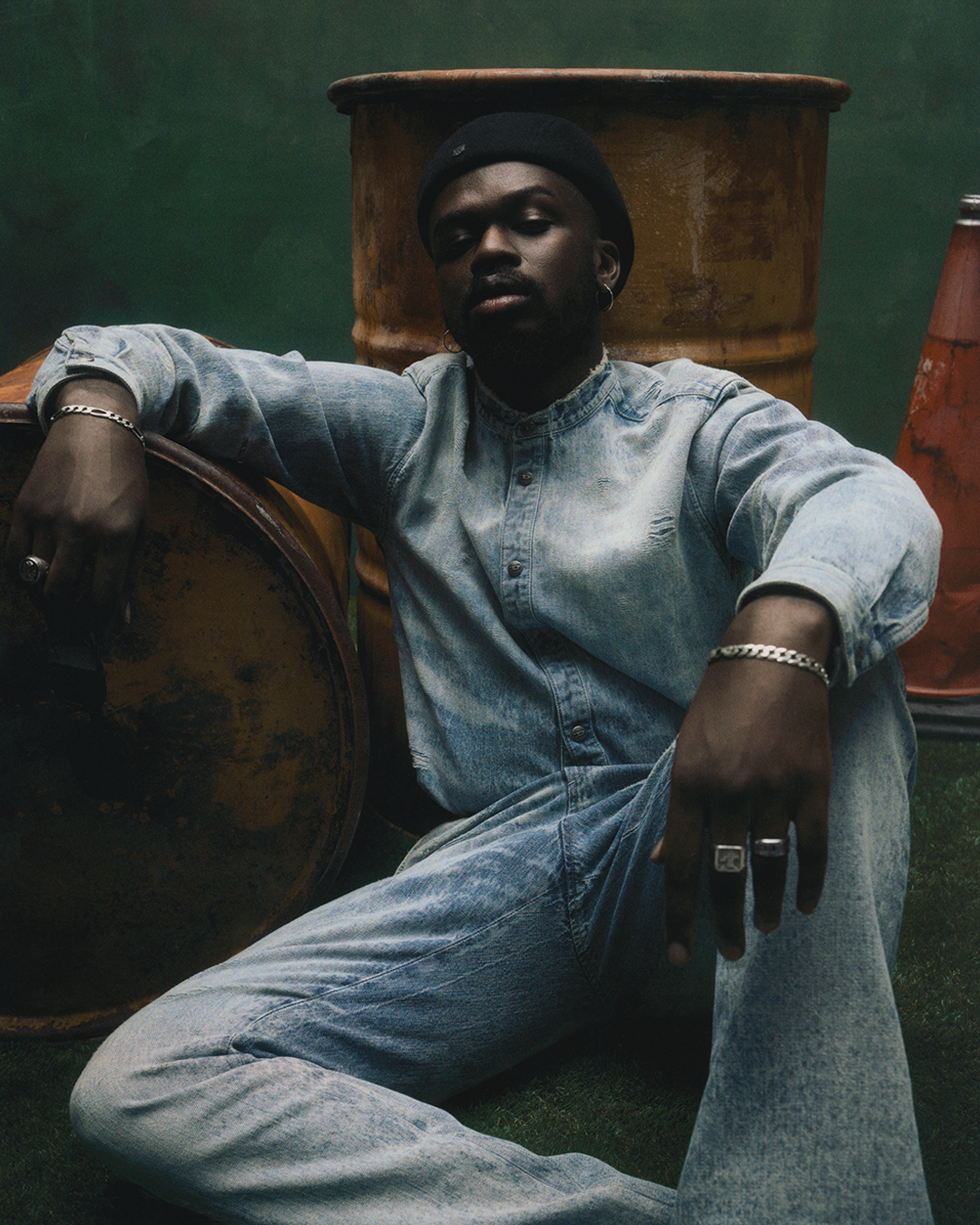
Even in that sort of expression that went beyond music and was in the fashion and clothes you were wearing, what would you say has been the influences of you know, even from what you've just spoken about, but even throughout your career, and just like throughout the years?
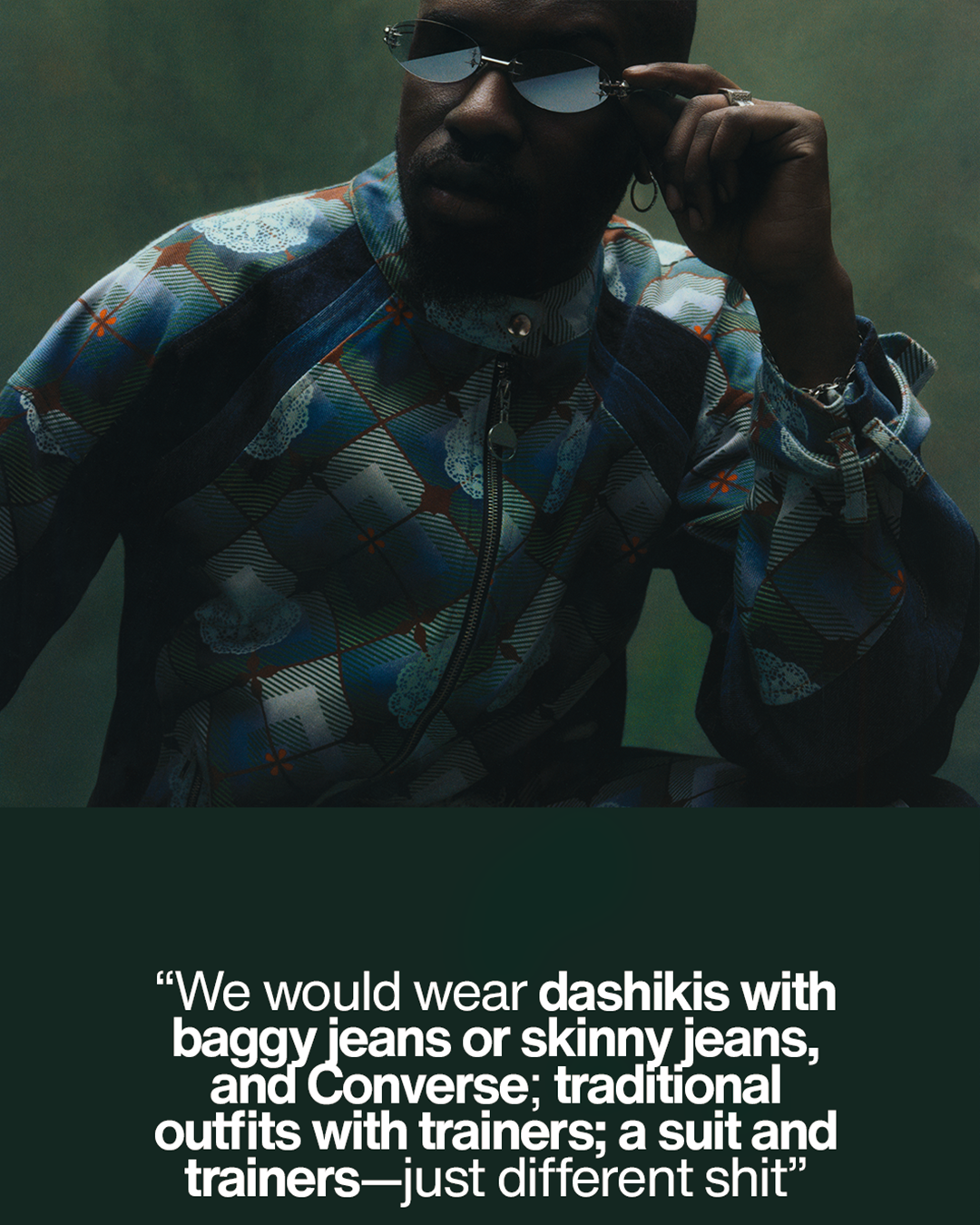
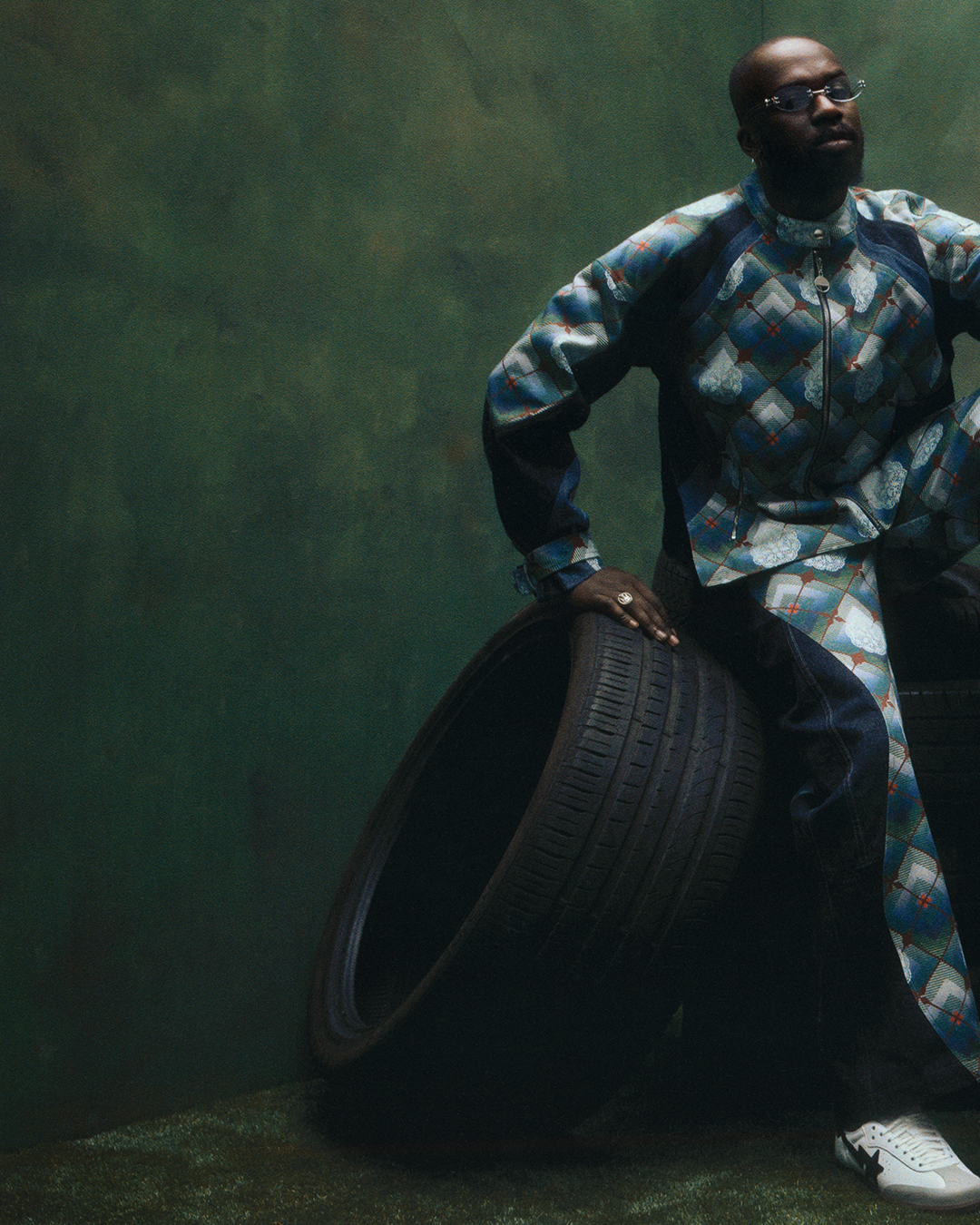
London played a big part in my fashion sense because we saw all sorts of things growing up. We came up in an era of Lil Wayne and Kanye West, and like One Direction, we had all of that, and we also had influences from Nigeria, with the traditional. We would wear dashikis with baggy jeans or skinny jeans, and Converse; traditional outfits with trainers; a suit and trainers, just different shit. So we just mixed everything. And just being around London, there's just some kind of fusion that happened, and that's just what it was. We weren't thinking about the shit deeply; it was just what was naturally coming out of us.
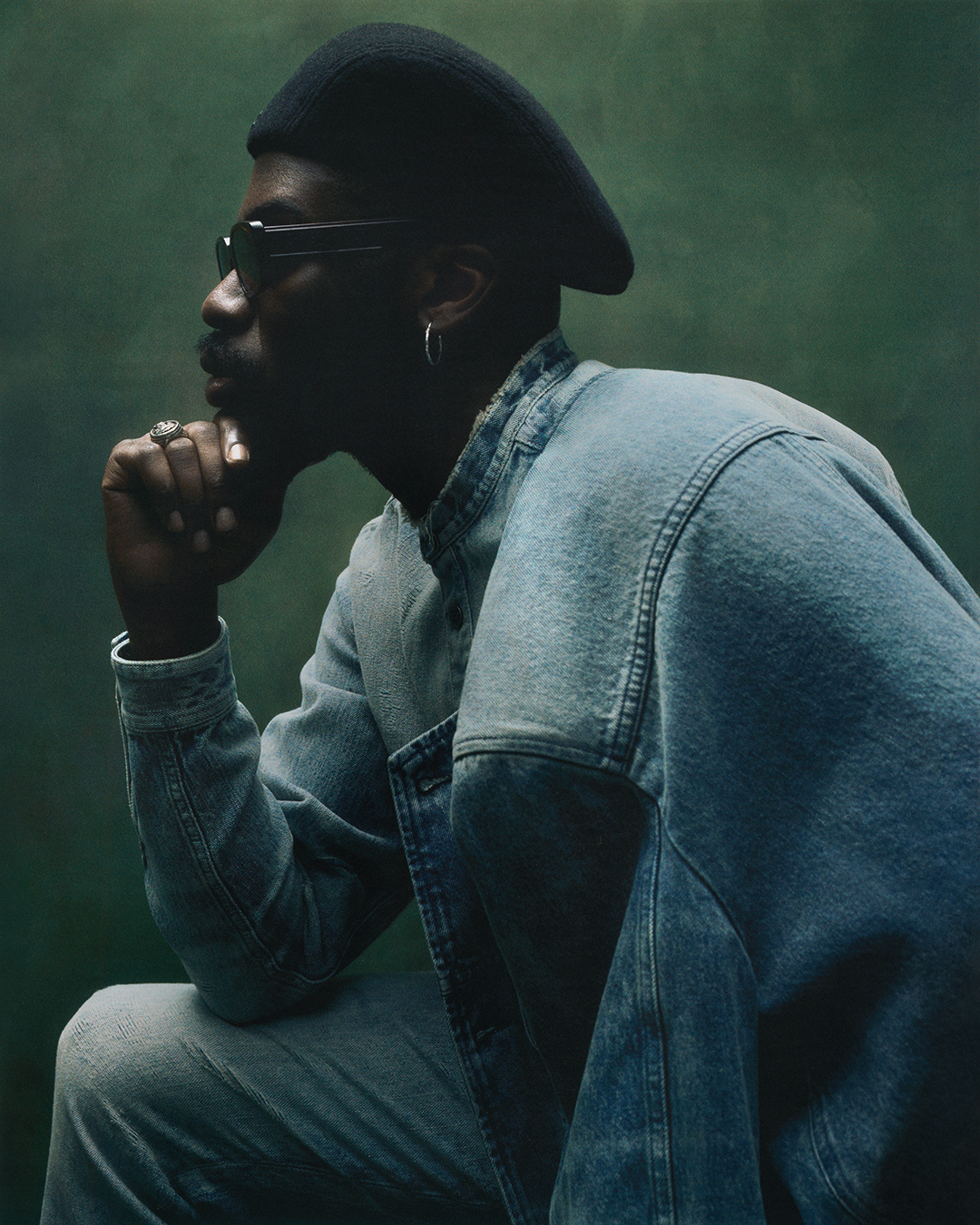
What is this era speaking to where you are in your creativity? How do you feel?
This era represents growth and self-realisation. Even with Duplicity, it's me addressing an issue most people would run from. So it's growth in that sense that's like, Yo, man, okay, what's really going on here? This is something that you have to deal with by yourself, you know. It will help you become a better person when you figure it out. So that's what, that's what this period is for me right now: just in every part of my life, even with like, business-wise, music-wise, relationship-wise, everything-wise, just family-wise. You know, it's just spiritual growth in all aspects. Just trying, just trying in every way to grow, and being intentional about growing.
And what are you looking forward to next, from being in this place and seeing where the next version of where things are, is going?
Right now, I'm looking forward to starting my next project. I'm trying to drop Duplicity and move on to the next thing, and then my Festival, which I do, which has grown wildly over the past two years. So I'm looking forward to this year's edition and just seeing what happens. I don't overthink, I don't let myself think too much; I like living and just going with the flow. You don't know what could happen tomorrow. So you can have all these plans, and then something tragic happens tomorrow. So yeah, just trying to live in the moment and enjoy every minute.
Production Credits:
Editor-in-Chief: Roderick Ejuetami
Photographer: Will Ainsworth @will_ainsworth & Thomas James Morgan @mrtmorgan
Creative Director: Will Ainsworth @will_ainsworth
Project Manager: Zekaria Al-Bostani - @zek.snaps
Producer: Seneo Mwamba @SeneoMwamba
Post Production: Will Ainsworth @will_ainsworth
Photo Assistant: Nana K. Akwaboah: @nanakinq
Production Assistant: Theon Mafuta @1he0n
Grooming: Afsha Kabani @afshaartistry
Styling: Josh T Arimoro @joshtarimoro
Stylist Assistant: Festus Abo @styledbyabo & Bridget A @_afxia
Art Director: Ashleigh Cooper @ashleighcooper_
Design: @ShalemAlone
BTS photographer: Joey Hoang @jhvisuals__
BTS Video: Treyvon Curtis-Crowl @Tspatcho
Writer: Seneo Mwamba @SeneoMwamba
PR: @emerald__east


.png)

