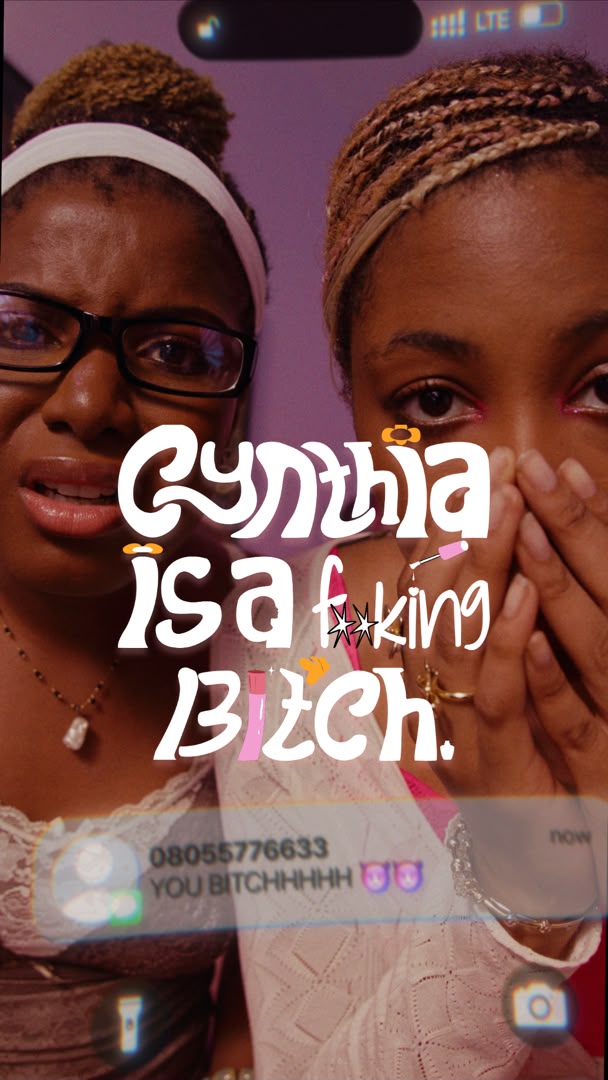
Cynthia Is a Fucking Bitch: Hollywood’s Love Letter To Black Teenhood

Authored by

There was a time when childhood came with a shared language. Teenagers would return from school, switch on the television, and spend the next day talking with friends about teen and young adult shows. They watched the same shows, sang the same theme songs, and laughed at the same jokes.

Today, teenagers have access to more content than ever, but there is a question about what is being lost in the process. Today, however, with an overwhelming array of content available at their fingertips, a sense of connection seems to be dwindling. The indie short-film series "Cynthia Is a Fucking Bitch," directed by Jenrola Chloé Lawore and produced by Oluchi Nsofor, sheds light on this evolving landscape. This is not just a story about young girls. It expresses many things centred on the teenage years: friendships, romantic interests, and the rivalries that complicate their relationships. It is also about a childhood that is slowly being left behind.

For some people, childhood meant coming home from school, letting down their bags, and indulging in the excitement of shows like “Hannah Montana,” “Victorious,” and “iCarly.” Teenagers had their favourite characters, knew the theme songs, and sometimes wished they could trade places with the young adults on screen. The shows gave them something to look forward to and, more importantly, something to talk about with their friends the next day.

There was a kind of connection in that. An episode could be mentioned, and someone would immediately understand what they meant. They could disagree over a character, laugh about a scene, or spend an unreasonable amount of time discussing a fictional young adult’s love life. These were small things, but they became part of how people related to one another. For a segment of Nigeria’s middle class, these experiences were an integral part of growing up.  Their families might not have been extremely wealthy, but they could enjoy certain comforts. Watching Disney Channel was one of them. 

That experience is becoming harder for some families to maintain these days. With the cost of living rising, things that once seemed ordinary now feel like a luxury.  At the same time, teenagers are growing up with the internet, where they can access almost anything without waiting for a particular programme to air. Their exposure to entertainment is broader, and their experiences are often less shared. The cultural reference that once brought an entire group of friends together may now be known to only a few.

There's a bittersweet quality in observing that childhood, with all its innocence, is fading. Childhood can feel simple in retrospect, even when it was not always easy. Teenagers were learning about love, betrayal, identity, and right and wrong, often through the limited worlds available to them. Now, with so much information and content at their fingertips, younger people are growing up in a very different environment. The series seems to be asking what happens to that particular experience of growing up when the world around it changes.
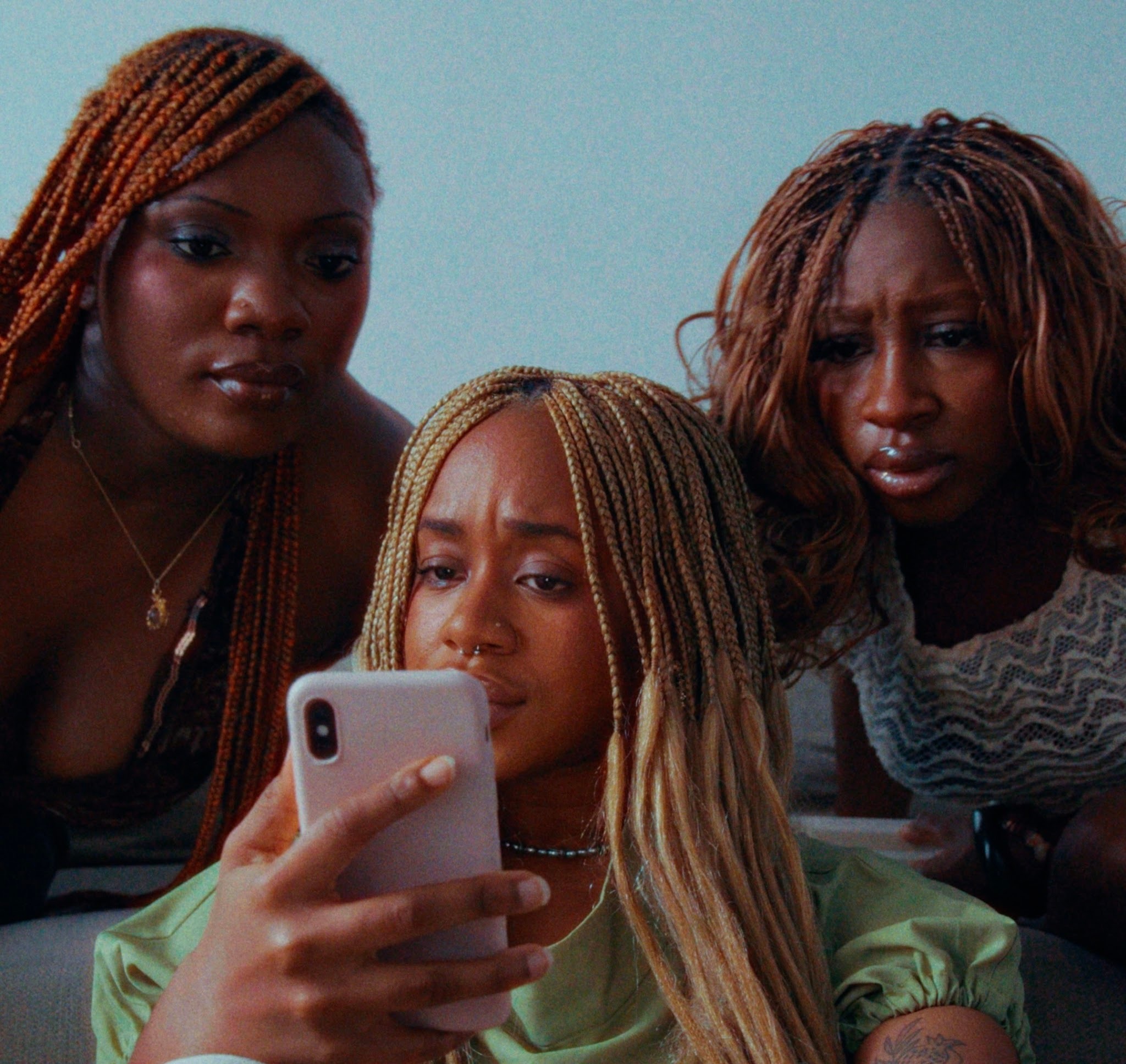
The series’ format is just as interesting. As an indie short-film series, it uses an episodic structure and cliffhangers to keep the story moving. This kind of storytelling has found a home in different parts of the world, particularly across Asian screen industries, and continues to evolve elsewhere. It gives independent filmmakers room to tell stories in episodes rather than relying on the conventional feature-film format. For Cynthia Is a Fucking Bitch, this structure suits the ongoing tensions between its characters. Beneath its teenage drama is an attempt to revisit a world that the team remembers with a certain fondness.

The series brings viewers back to the emotional intensity of being young: liking boys, wondering whether those boys like them back, falling out with friends, and feeling betrayed when someone crosses a line they never knew how to explain.

And yet, the boy is hardly the point. The real conflict is between the girls themselves. It is about ego, insecurity, and the feeling that someone is trying to take something away from another person. Sometimes, it is less about wanting a person than it is about not wanting another girl to have them. Anyone who remembers being a young adult knows how easily affection can become a competition.

The girls are the heart of the story. They are nerdy, funny, and complicated, and their friendships matter just as much as their romantic interests. They can care deeply about one another and still be jealous, petty, or unkind. This is what makes the series’ female-centred perspective worthwhile. It recognises that teenage girls have their own worlds, their own loyalties, and their own insecurities. The boy may set the conflict in motion, but he does not define everything that happens.
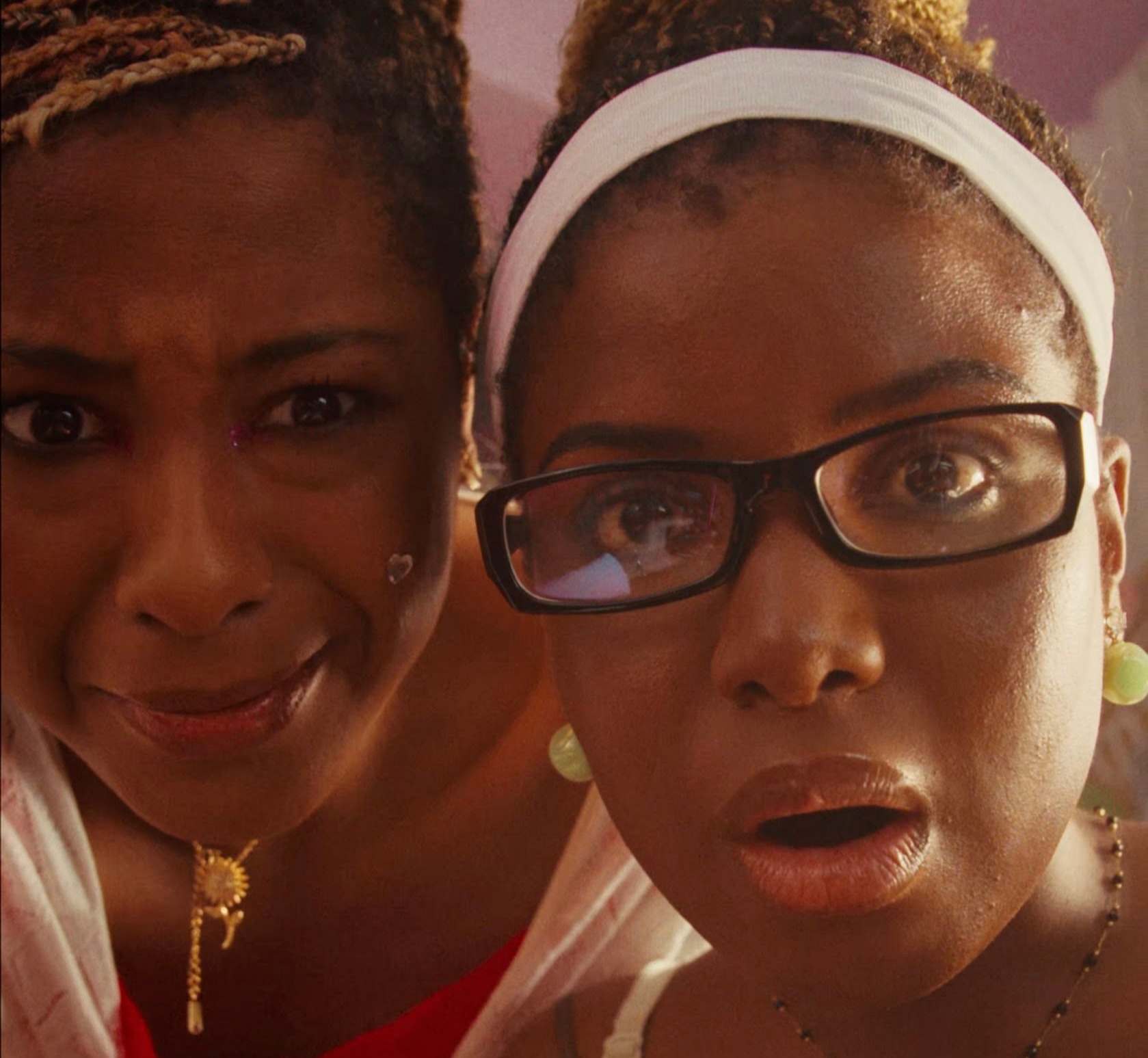
Its use of colour adds another dimension to the characters. The use of colors from pink to red and to green is associated with how the characters express themselves and occupy their social worlds. Colors often convey emotions and social dynamics: pink, in this case, symbolizes innocence or youth, red represents passion or anger, and green signifies envy or growth. These choices give the characters a visual identity and suggest that clothing can communicate personality and attitude before a character even speaks.

In a conversation with the director, Jenrola Chloé Lawore, she suggests that  Cynthia Is a Fucking Bitch is ‘both a film and an homage to a long-gone childhood. It takes viewers back to the girls they were, the friendships they took seriously, the crushes that consumed them, and the television shows that gave them something to share.” 

More than that, it reminds viewers that childhood is shaped by the world around them, and when that world changes, the experience of growing up changes with it. Its nostalgia for a changing Nigerian childhood adds another layer, reminding viewers that growing up is shaped not only by the people around them but also by the culture they share. For viewers who recognise that world, the series offers a reason to look back, perhaps with a little laughter, a little embarrassment, and the realisation that some parts of childhood are best remembered because they cannot be lived again.


‍

Cynthia Is a Fucking Bitch: Hollywood’s Love Letter To Black Teenhood

Authored by
This is some text inside of a div block.

There was a time when childhood came with a shared language. Teenagers would return from school, switch on the television, and spend the next day talking with friends about teen and young adult shows. They watched the same shows, sang the same theme songs, and laughed at the same jokes.

Today, teenagers have access to more content than ever, but there is a question about what is being lost in the process. Today, however, with an overwhelming array of content available at their fingertips, a sense of connection seems to be dwindling. The indie short-film series "Cynthia Is a Fucking Bitch," directed by Jenrola Chloé Lawore and produced by Oluchi Nsofor, sheds light on this evolving landscape. This is not just a story about young girls. It expresses many things centred on the teenage years: friendships, romantic interests, and the rivalries that complicate their relationships. It is also about a childhood that is slowly being left behind.

For some people, childhood meant coming home from school, letting down their bags, and indulging in the excitement of shows like “Hannah Montana,” “Victorious,” and “iCarly.” Teenagers had their favourite characters, knew the theme songs, and sometimes wished they could trade places with the young adults on screen. The shows gave them something to look forward to and, more importantly, something to talk about with their friends the next day.

There was a kind of connection in that. An episode could be mentioned, and someone would immediately understand what they meant. They could disagree over a character, laugh about a scene, or spend an unreasonable amount of time discussing a fictional young adult’s love life. These were small things, but they became part of how people related to one another. For a segment of Nigeria’s middle class, these experiences were an integral part of growing up.  Their families might not have been extremely wealthy, but they could enjoy certain comforts. Watching Disney Channel was one of them. 

That experience is becoming harder for some families to maintain these days. With the cost of living rising, things that once seemed ordinary now feel like a luxury.  At the same time, teenagers are growing up with the internet, where they can access almost anything without waiting for a particular programme to air. Their exposure to entertainment is broader, and their experiences are often less shared. The cultural reference that once brought an entire group of friends together may now be known to only a few.

There's a bittersweet quality in observing that childhood, with all its innocence, is fading. Childhood can feel simple in retrospect, even when it was not always easy. Teenagers were learning about love, betrayal, identity, and right and wrong, often through the limited worlds available to them. Now, with so much information and content at their fingertips, younger people are growing up in a very different environment. The series seems to be asking what happens to that particular experience of growing up when the world around it changes.

The series’ format is just as interesting. As an indie short-film series, it uses an episodic structure and cliffhangers to keep the story moving. This kind of storytelling has found a home in different parts of the world, particularly across Asian screen industries, and continues to evolve elsewhere. It gives independent filmmakers room to tell stories in episodes rather than relying on the conventional feature-film format. For Cynthia Is a Fucking Bitch, this structure suits the ongoing tensions between its characters. Beneath its teenage drama is an attempt to revisit a world that the team remembers with a certain fondness.

The series brings viewers back to the emotional intensity of being young: liking boys, wondering whether those boys like them back, falling out with friends, and feeling betrayed when someone crosses a line they never knew how to explain.

And yet, the boy is hardly the point. The real conflict is between the girls themselves. It is about ego, insecurity, and the feeling that someone is trying to take something away from another person. Sometimes, it is less about wanting a person than it is about not wanting another girl to have them. Anyone who remembers being a young adult knows how easily affection can become a competition.

The girls are the heart of the story. They are nerdy, funny, and complicated, and their friendships matter just as much as their romantic interests. They can care deeply about one another and still be jealous, petty, or unkind. This is what makes the series’ female-centred perspective worthwhile. It recognises that teenage girls have their own worlds, their own loyalties, and their own insecurities. The boy may set the conflict in motion, but he does not define everything that happens.

Its use of colour adds another dimension to the characters. The use of colors from pink to red and to green is associated with how the characters express themselves and occupy their social worlds. Colors often convey emotions and social dynamics: pink, in this case, symbolizes innocence or youth, red represents passion or anger, and green signifies envy or growth. These choices give the characters a visual identity and suggest that clothing can communicate personality and attitude before a character even speaks.

In a conversation with the director, Jenrola Chloé Lawore, she suggests that  Cynthia Is a Fucking Bitch is ‘both a film and an homage to a long-gone childhood. It takes viewers back to the girls they were, the friendships they took seriously, the crushes that consumed them, and the television shows that gave them something to share.” 

More than that, it reminds viewers that childhood is shaped by the world around them, and when that world changes, the experience of growing up changes with it. Its nostalgia for a changing Nigerian childhood adds another layer, reminding viewers that growing up is shaped not only by the people around them but also by the culture they share. For viewers who recognise that world, the series offers a reason to look back, perhaps with a little laughter, a little embarrassment, and the realisation that some parts of childhood are best remembered because they cannot be lived again.

‍

This is some text inside of a div block.

Cynthia Is a Fucking Bitch: Hollywood’s Love Letter To Black Teenhood

Authored by

There was a time when childhood came with a shared language. Teenagers would return from school, switch on the television, and spend the next day talking with friends about teen and young adult shows. They watched the same shows, sang the same theme songs, and laughed at the same jokes.

Today, teenagers have access to more content than ever, but there is a question about what is being lost in the process. Today, however, with an overwhelming array of content available at their fingertips, a sense of connection seems to be dwindling. The indie short-film series "Cynthia Is a Fucking Bitch," directed by Jenrola Chloé Lawore and produced by Oluchi Nsofor, sheds light on this evolving landscape. This is not just a story about young girls. It expresses many things centred on the teenage years: friendships, romantic interests, and the rivalries that complicate their relationships. It is also about a childhood that is slowly being left behind.

For some people, childhood meant coming home from school, letting down their bags, and indulging in the excitement of shows like “Hannah Montana,” “Victorious,” and “iCarly.” Teenagers had their favourite characters, knew the theme songs, and sometimes wished they could trade places with the young adults on screen. The shows gave them something to look forward to and, more importantly, something to talk about with their friends the next day.

There was a kind of connection in that. An episode could be mentioned, and someone would immediately understand what they meant. They could disagree over a character, laugh about a scene, or spend an unreasonable amount of time discussing a fictional young adult’s love life. These were small things, but they became part of how people related to one another. For a segment of Nigeria’s middle class, these experiences were an integral part of growing up.  Their families might not have been extremely wealthy, but they could enjoy certain comforts. Watching Disney Channel was one of them. 

That experience is becoming harder for some families to maintain these days. With the cost of living rising, things that once seemed ordinary now feel like a luxury.  At the same time, teenagers are growing up with the internet, where they can access almost anything without waiting for a particular programme to air. Their exposure to entertainment is broader, and their experiences are often less shared. The cultural reference that once brought an entire group of friends together may now be known to only a few.

There's a bittersweet quality in observing that childhood, with all its innocence, is fading. Childhood can feel simple in retrospect, even when it was not always easy. Teenagers were learning about love, betrayal, identity, and right and wrong, often through the limited worlds available to them. Now, with so much information and content at their fingertips, younger people are growing up in a very different environment. The series seems to be asking what happens to that particular experience of growing up when the world around it changes.

The series’ format is just as interesting. As an indie short-film series, it uses an episodic structure and cliffhangers to keep the story moving. This kind of storytelling has found a home in different parts of the world, particularly across Asian screen industries, and continues to evolve elsewhere. It gives independent filmmakers room to tell stories in episodes rather than relying on the conventional feature-film format. For Cynthia Is a Fucking Bitch, this structure suits the ongoing tensions between its characters. Beneath its teenage drama is an attempt to revisit a world that the team remembers with a certain fondness.

The series brings viewers back to the emotional intensity of being young: liking boys, wondering whether those boys like them back, falling out with friends, and feeling betrayed when someone crosses a line they never knew how to explain.

And yet, the boy is hardly the point. The real conflict is between the girls themselves. It is about ego, insecurity, and the feeling that someone is trying to take something away from another person. Sometimes, it is less about wanting a person than it is about not wanting another girl to have them. Anyone who remembers being a young adult knows how easily affection can become a competition.

The girls are the heart of the story. They are nerdy, funny, and complicated, and their friendships matter just as much as their romantic interests. They can care deeply about one another and still be jealous, petty, or unkind. This is what makes the series’ female-centred perspective worthwhile. It recognises that teenage girls have their own worlds, their own loyalties, and their own insecurities. The boy may set the conflict in motion, but he does not define everything that happens.

Its use of colour adds another dimension to the characters. The use of colors from pink to red and to green is associated with how the characters express themselves and occupy their social worlds. Colors often convey emotions and social dynamics: pink, in this case, symbolizes innocence or youth, red represents passion or anger, and green signifies envy or growth. These choices give the characters a visual identity and suggest that clothing can communicate personality and attitude before a character even speaks.

In a conversation with the director, Jenrola Chloé Lawore, she suggests that  Cynthia Is a Fucking Bitch is ‘both a film and an homage to a long-gone childhood. It takes viewers back to the girls they were, the friendships they took seriously, the crushes that consumed them, and the television shows that gave them something to share.” 

More than that, it reminds viewers that childhood is shaped by the world around them, and when that world changes, the experience of growing up changes with it. Its nostalgia for a changing Nigerian childhood adds another layer, reminding viewers that growing up is shaped not only by the people around them but also by the culture they share. For viewers who recognise that world, the series offers a reason to look back, perhaps with a little laughter, a little embarrassment, and the realisation that some parts of childhood are best remembered because they cannot be lived again.

‍

Other Stories
London
London
Lagos
London
Newyork
London
Shop
Join the community.
You are now subscribed to receive updates.
Oops! Something went wrong while submitting the form.
Subscribe