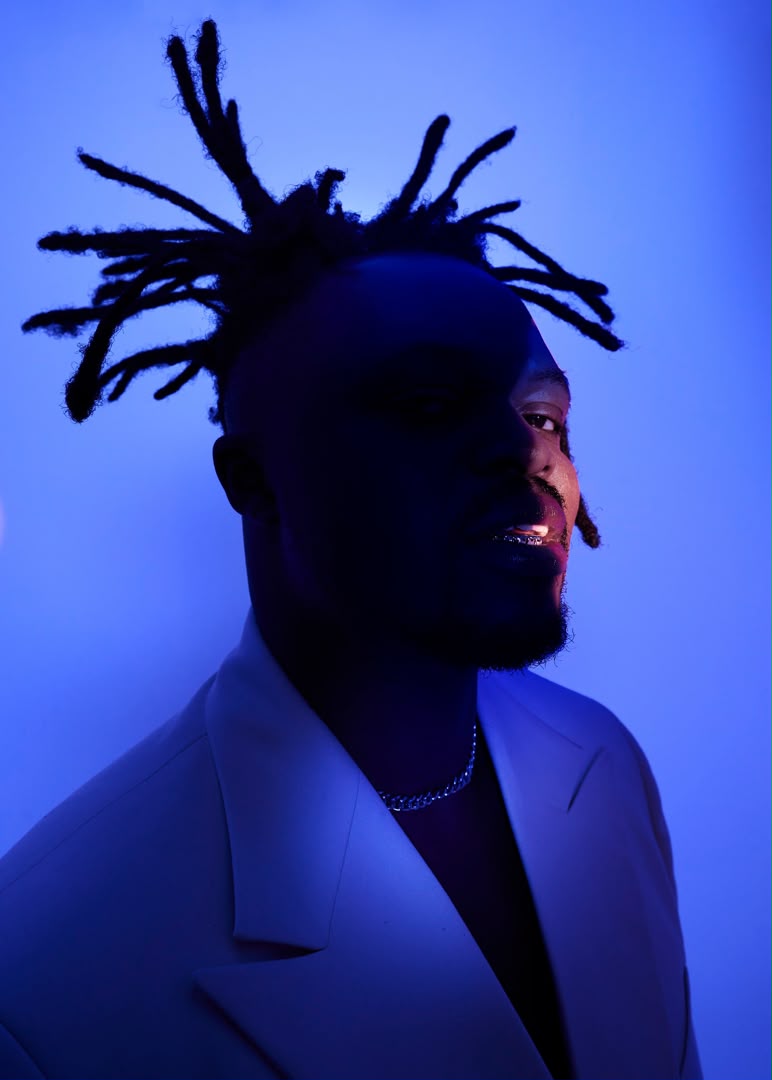
Tresor has spent the better part of the last decade proving that there is more than one way to make a song. There is the Tresor we hear on his own records: the Congolese-born songwriter and producer whose catalogue runs from VII and The Beautiful Madness to Nostalgia, Rumble in the Jungle and Motion, building a distinctly African pop vocabulary along the way. Then there is him behind the records – the writer and producer who has worked with Drake and Tems on “Fountains,” contributed to six songs on Drake’s Honestly, Nevermind, and collaborated with him and Popcaan on “We Caa Done.”
And then there is everything else. The founder. The executive. The person who can spend one conversation talking about pop songwriting and another about architecture, fashion, objects or technology. The creative who left Goma for Durban in 2007, worked as a car guard and security guard while finding his way into the city's music scene, and eventually built a career that would take him into rooms he once could only have imagined. Perhaps that is the simplest way to understand Tresor now: music gave him the first room, but he has never been particularly interested in staying inside it.
With a new French-language chapter of his artistry on the horizon and a growing appetite for the things that exist beyond music, Tresor is looking at the creative world less like a career ladder and more like a playground.
In conversation with Deeds, Tresor talks music, making things, and wanting it all.
Stanley for Deeds: Many people see you as a songwriter, producer, executive, entrepreneur and artist all at once. When you strip away the titles, what is the core creative philosophy that connects everything you do?
First and foremost, I'm proudly African. The core of everything I'm doing, be it as an artist, as an entrepreneur, as a creative, is really to shape the narrative of how the world perceives and views the continent, or even how the world tastes and enjoys the continent through the different artistic mediums that I have. One of the main things at the core of what I do is that I'm actually very passionate about design. When I mean design, I mean architecture, objects, fashion. I just love to make things. Everything really ties back to my purpose, which is shifting the narrative of the African continent on a global stage. That's really at the core of what it is.
Music is where it started, but I do feel that same purpose will carry on through different mediums in the future. Whether that's design, architecture, tech, or making things that make the continent even cooler in my own way. When you strip away everything I've done, at the core of it, we come from the most special place. Our purpose is to take care of it, take care of its history, its story and its future. That's really the core of it.
Over the past few years, you've evolved from being recognized primarily as an artist to becoming one of the continent's most influential creative architects behind major projects. When you reflect on that journey, what experiences have shaped the way you approach music today beyond simply making songs?
The key thing that has shaped my journey to this point has been how I was brought up in Congo, in the streets of my hometown Goma, listening to different vibrant sounds from around the world. Whether it was Congolese music from Papa Wemba, Zaiko Langa Langa and Koffi Olomidé, mixed with Phil Collins, Johnny Clegg, Oliver Mtukudzi, Miriam Makeba, Ladysmith Black Mambazo, Brenda Fassie and Yvonne Chaka Chaka. That mix and exposure to different kinds of music has been a core part of my DNA as an artist. It's what excites me about always tapping into different sounds and has given me the experience and exposure from a very young age to understand and express myself through different sonics."
On XX, you weren't just a songwriter or producer, you helped shape the album's entire creative direction. What responsibility comes with helping define the sound of an artist as culturally significant as Fally Ipupa, and what did this project teach you about leadership as a creative?
I've been listening to Fally since I was in high school. It was such a fascinating and full-circle moment being in a room in Paris helping shape the next stage of his career. It taught me a lot of patience and tenacity. Fally has had over twenty-five years in music and being able to still be as hungry, willing and eager to learn is such a beautiful thing to see. Fally is close to fifty, but you wouldn't tell. His music speaks a very energetic language and the way he carries himself is so refreshing. In the studio he's as passionate as he was twenty years ago. There is no comfort. He still wants to learn, still wants to improve and still wants to be better. Being around him reinforced the importance of staying hungry regardless of how much you've achieved. Another major lesson was collaboration. Working with Fally and seeing his relationship with Wizkid showed me the power of bringing markets together. There is room for everybody to shine in their own lane. The key lessons were unending passion for your craft and collaboration. Moving together will always make the continent stronger and help us achieve greater things on a global scale.
XX blends Congolese traditions with influences from across Africa and beyond. What conversations were you hoping to start through that fusion, and why did now feel like the right moment to challenge the boundaries of Congolese music?
You always want to make sure your roots are solid. I've always been a pop artisan and a pop fanatic. I love pop songwriting and pop culture. I've been fortunate enough to help shape what we call African pop music today, but at the root of everything I've always made sure that where it comes from is the continent. The roots should always stay strong. That was the same approach I took with the Fally project. We had to make sure we understood the roots, and the roots are Congolese music. That's always going to be the place of reference. Then on top of that, you become adventurous. You hear house music, influences from South America, Afrofusion, Afrobeats and different sounds woven into the project. It's different elements, but at the core the Congolese roots remain very strong.
The album was created across multiple cities, cultures and creative environments. How did those different locations influence the music, and what did they reveal to you about the universal language of African sound?
Each location naturally brings a different energy and mood. Most of the songs started in Johannesburg and Cape Town, while much of the project was completed in Paris. We needed to tap into different energies because we wanted to shape a global album. The intention behind working in different cities was to carry that global energy into the project. Not being locked into one room allowed us to welcome different energies from around the world into the album. The energy you feel throughout the project is a result of working in different places and creating something that could speak globally.
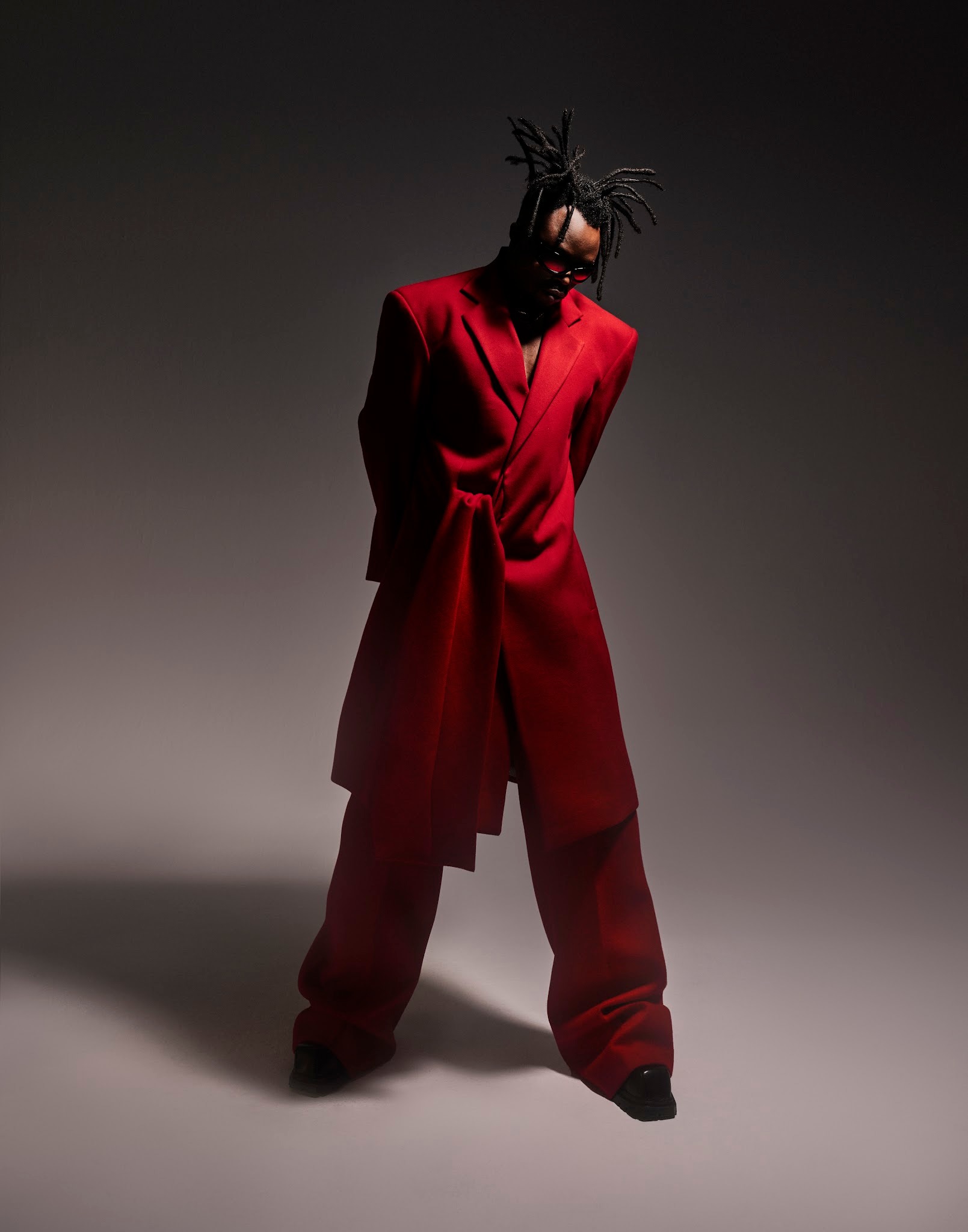
Throughout your career, you've worked with global stars while continuing to invest in African talent through Jacquel Entertainment. What has building a creative ecosystem taught you about legacy, and how do you want your impact to be measured beyond chart success?
Building Jacquel has been about impacting the global landscape of African music, creating monumental African music moments and building a legacy of excellence. It's a journey that requires being intentional about the projects you take on. For me it's less about quantity and more about quality. I'm extremely selective because every project impacts the journey we're travelling. The impact for us is more than trends. It's about building a lasting legacy and creating projects that have lifelong impact and help shape the narrative of African music on a global scale. What it's taught me is intention, patience, perseverance and, most importantly, taking pride in your origin.
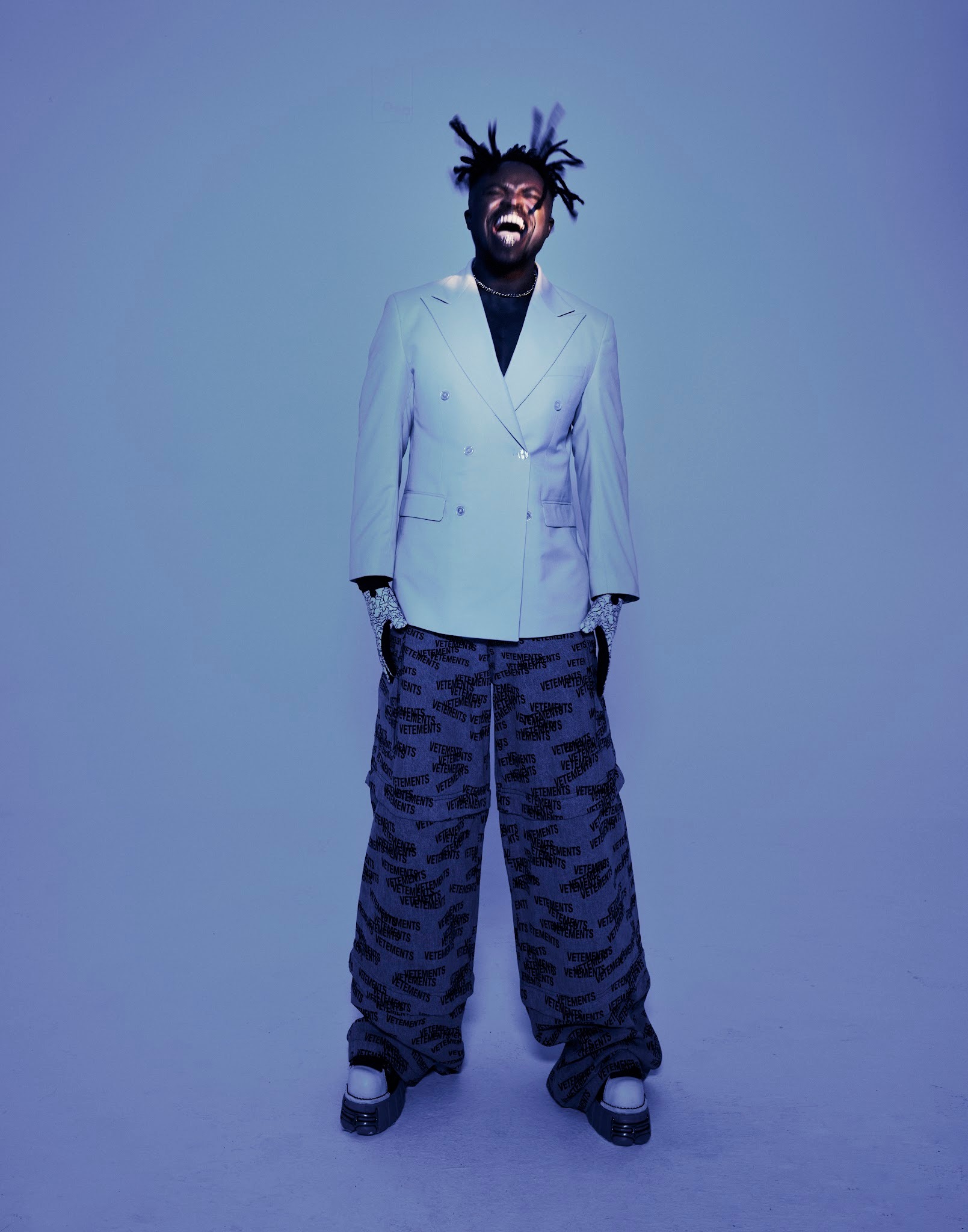
African music is experiencing unprecedented global attention, everyone in the world right now is tapped into the continent’s sound. As someone helping shape that movement from both the creative and business side, where do you believe the industry still needs to evolve over the next decade?
The world has become much smaller in the digital era. We're seeing more African artists having global moments and our art is reaching the right audiences. What we don't have yet is the financial backing and infrastructure that exists in Europe and the United States. The industry is not as big or structured, but we do have an incredible creative industry. What we've been lacking is infrastructure and funding to push our music to another level. The first opportunity we haven't fully explored is touring. Very few African artists tour globally or even across the continent at scale. The second is intentional collaboration across continents. We need more fluidity between regions and cultures. Those are the areas that will open African music even more in the future.
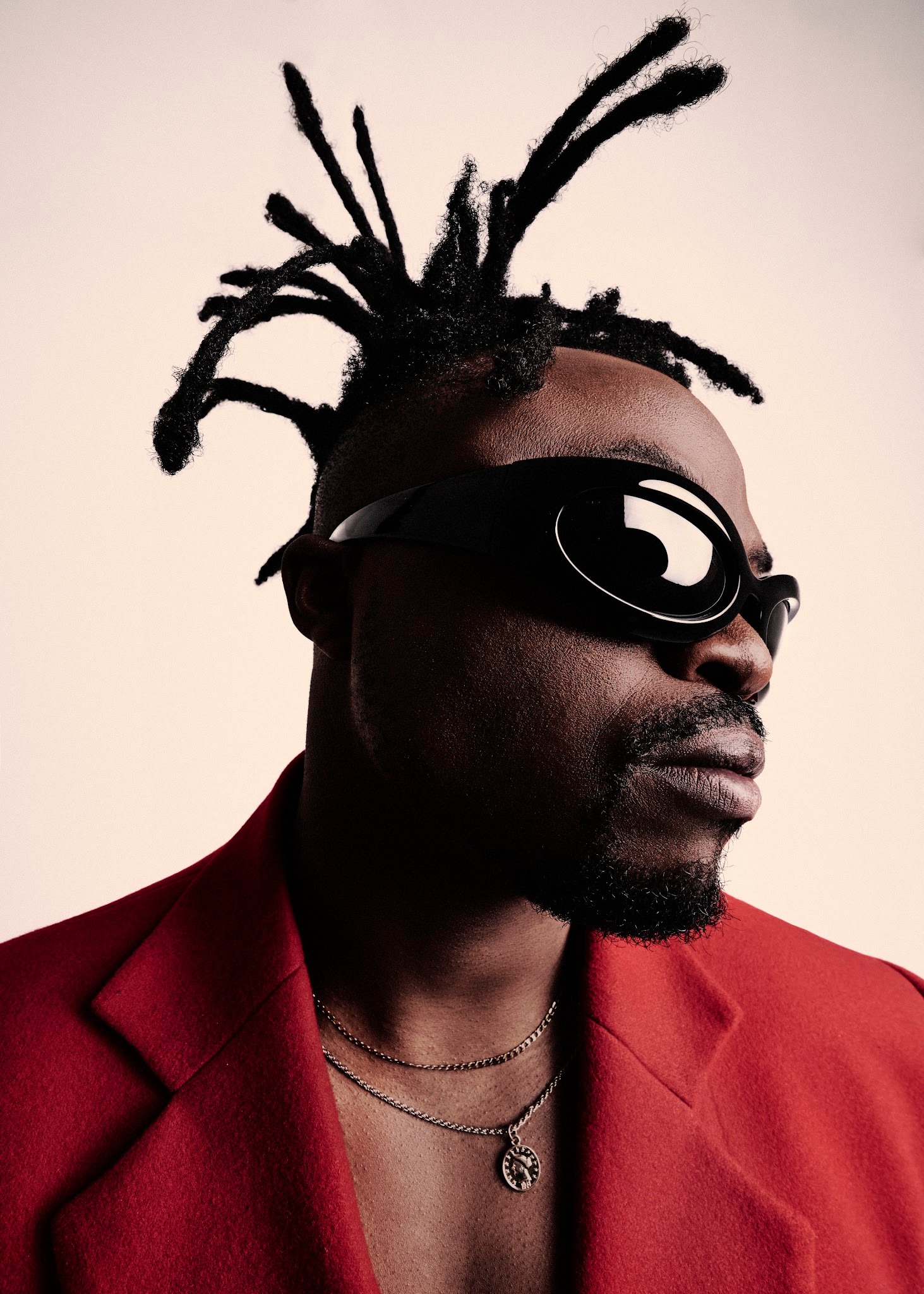
You're now beginning to hint at a new French-language chapter in your own artistry. What excites you most about stepping into unfamiliar creative territory, and what does this next phase allow you to express that previous projects perhaps couldn't?
I'm very excited about the next step and the next phase. There's always something exciting about the unknown. I've always built my career around being disruptive and thinking outside the box, and this next phase is no different. This is the longest I've ever gone without releasing music. It's been four years. I'm very excited about the project and the album. This is the most exciting phase of my career because I feel extremely satisfied with the sound and the music. It's a fresher sound than what people are used to hearing from me and it's the announcement of a whole new path. I have new music coming soon and it's the most exciting music I've ever made.
Cover Image Credit: Courtesy of Tresor