Don't Hide! How Animal Hides and Prints in modern fashion are a cultural cornucopia

What feels like a worldwide obsession with animal print came up as quickly as all trends seem to nowadays. With a swipe of a feed or the use of a nostalgic sound, ‘the next big thing’ rears its head almost every week. Yet, despite the constant change, what remains the same is the cyclical supply and demand of brands and designers jumping on the trends with sudden enthusiasm. 

Louder than brand’s interest, though, is the sharp cha-ching that rings in ears and wallets as people “invest” in these trends yet again. The erasure of seasonal fashion cycles, the quicker exchange of information, and an increased global consciousness has changed the consumer cycle, prioritising consumption over quality and longevity. 

Not all trends are made the same, though. While the term ‘trend’ has lent itself to today’s expedited society, its previous alias of consistent patterns of popularity or demand over time is still very much alive. Much longer than the weeklong lifespan of microtrends and much more inclusive of society. 

Arguably the best of these is the rise, or perhaps return, of animal print and animal hide garments. Having not only proven their worth, but shone new light on the cultural zeitgeist. 

The origin of animal print and hide fashion can be traced back to Africa’s ancient civilisations, and for the simplest of reasons: necessity. At a time when options were as slim, humans did what humans do best. They survived. Albeit Flintstone style. 
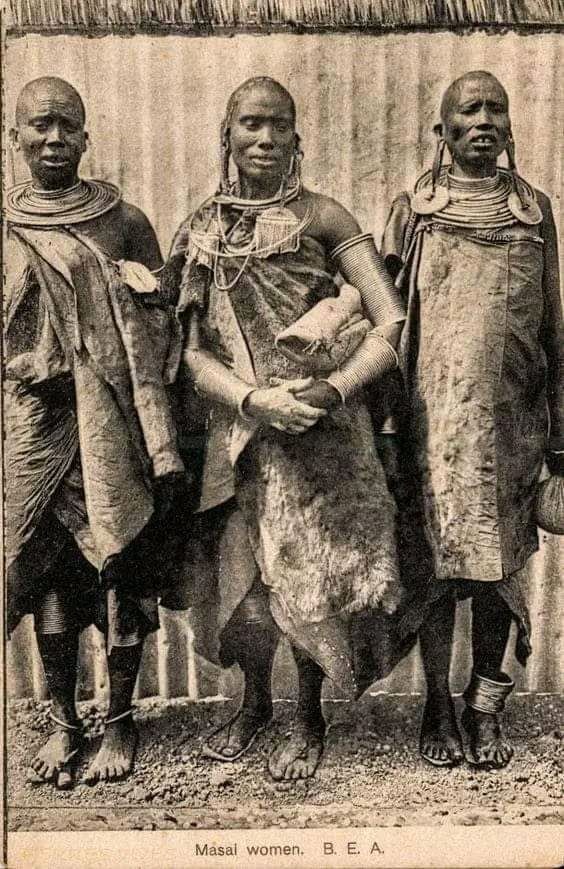
Naturally, as humans evolved, so did the fabrics, the desires, and the sociopolitical climate. The demands of time, colonialism, and the expansion of global trade turned what was once the only option into a symbol of wealth, divinity, and status. And from there, the trend started. 

Like most things that originated from the communities of colour, the Western world didn’t regard the use of animal prints or hide as anything special until their own interest was piqued. The exclusivity, regality, and couture nature of the prints and their hides brought the earliest appeal as floor rugs and entertainment in the West. Throughout the Southern Hemisphere and Eastern countries, fur maintained its power and influence, regardless of cultural influence. 

From the flashy flappers and surrealist art in 1920s America, their rise to fame after Tarzan the Apeman in 1932,  to Christian Dior’s reintroduction of leopard print into high fashion in 1947, what looked like a trend from the top of society down became common. Industrialisation led to the ease of textile printing, which led to new audiences, like punk rockers and indie artists, redefining the look and feel of the prints, as well as the conversation around them.
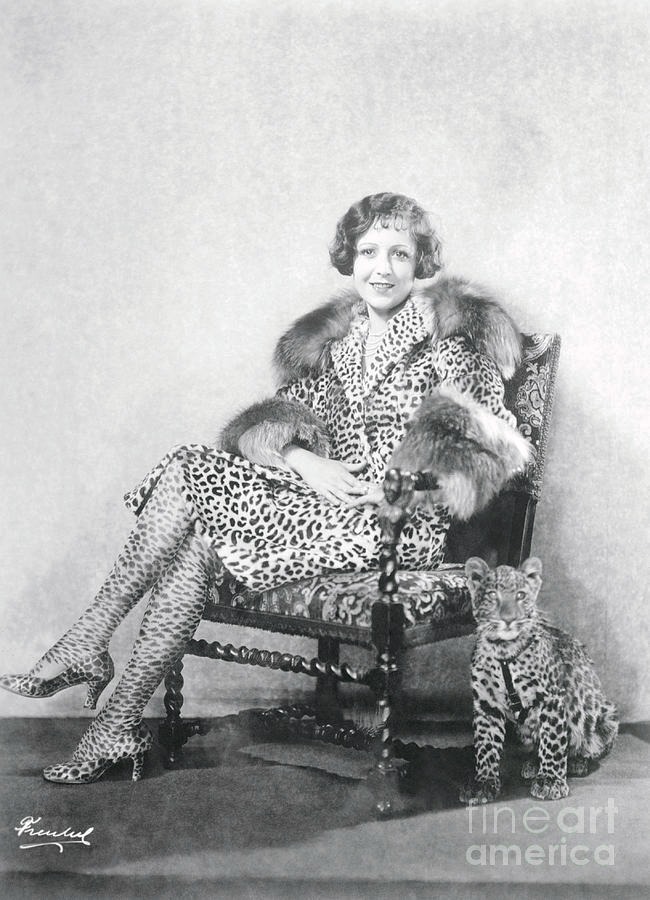
Photo Credit: Lola Todd in Leopard Print by Bettman 

As the saying goes, no press is bad press and, regardless of public opinion, the value of hide and print has consistently been in its malleability and accessibility. Its cross cultural resonance has allowed it to stand the test of time, ethics, and social pressures, like any true trend. From regal to tacky to sexual to chic, today’s trending patterns capture prints and hide at their very best. 

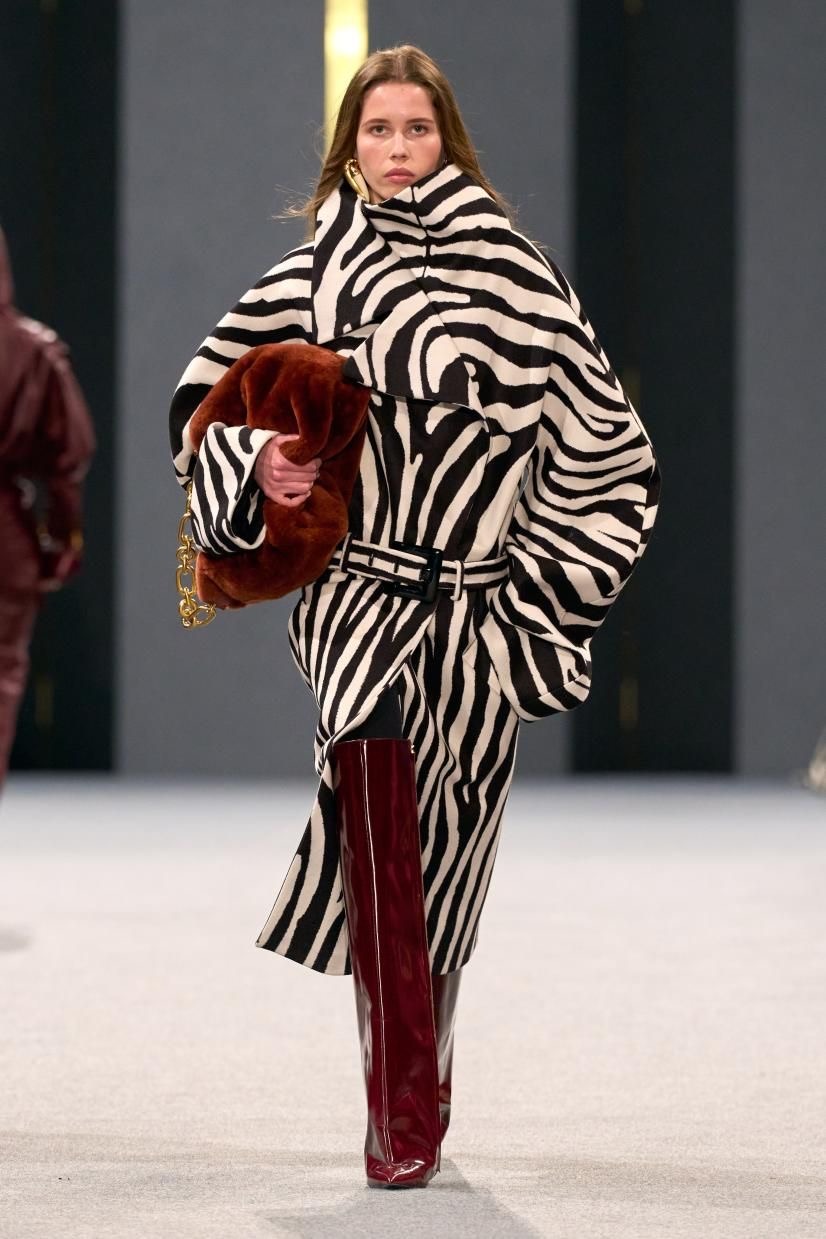
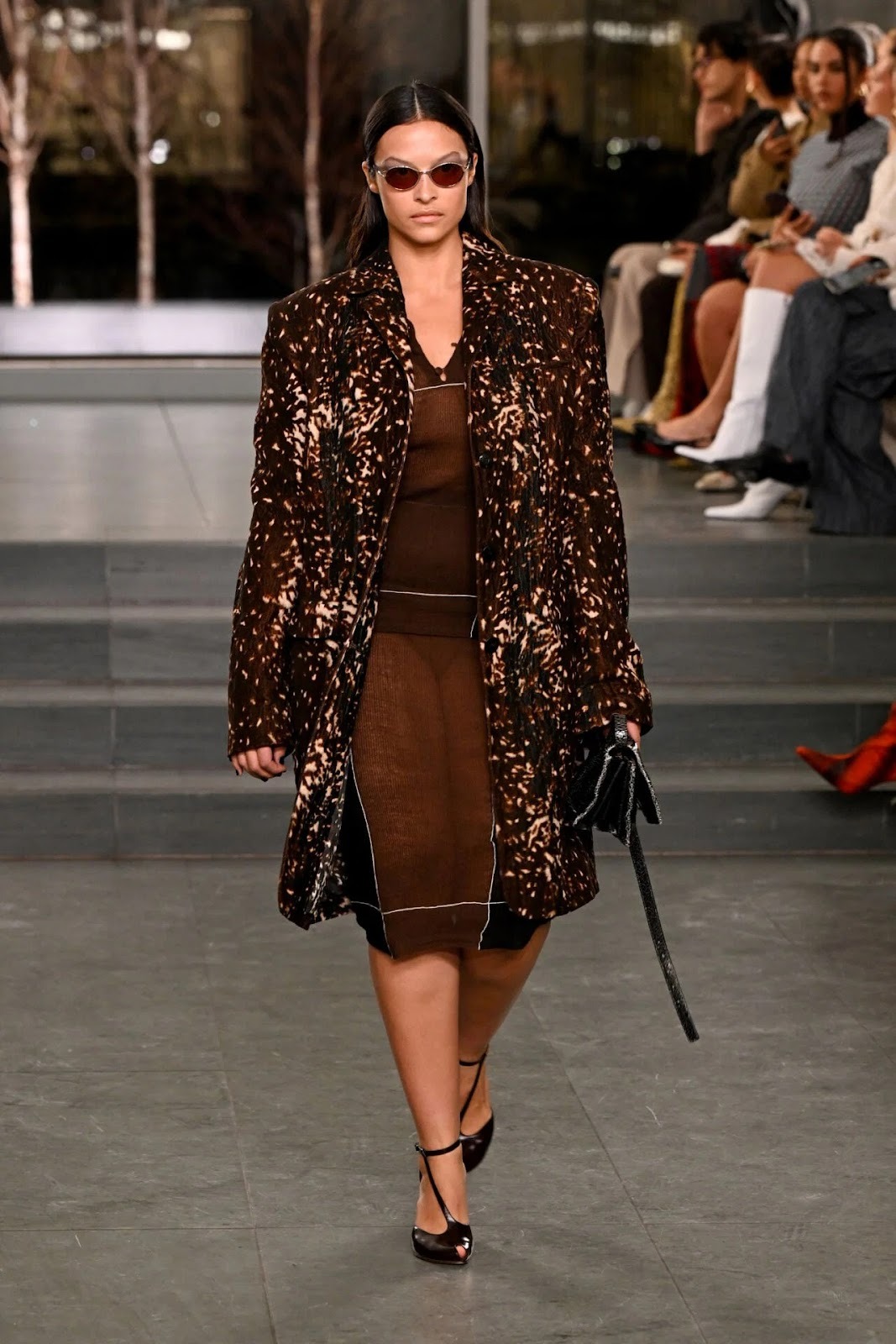
The subtle rise of Bambi prints incorporates the chic return of polka dots with the textural appeal and exclusivity of hide. Meanwhile, zebra and tiger prints’ luxe association are slowly turning the two into staples. Never mind 2025’s stars: cowhide, tortoise shell, and leopard print, all propelled by pop culture phenomena like Cowboy Carter, retro luxury, and “mob wife” aesthetics

Photo Credit: Balmain 
Photo Credit: Getty

Regardless of micro or mainstream trends, prints and hides sell no matter the connotation. Considering previous changes in market value and continued ethical debates, the use of hides, furs, and prints is as versatile as the society in which it exists. The modern-day return to authentic, unfiltered living, particularly in response to global right-wing ideology, climate and economic crises, has platformed prints and hides uniquely. 

Where conservatism constricts, prints play. Where sustainability champions care, and intention, hide and print are a return to the simplest being and the roots of clothing in human civilisation. Where care is desired, and intention is required. Even its flair for controversy and public interest adds to the beauty of it - prints and hides survive.

Public desire for experiences today has driven not only consumerism but also human interest. Social media, marketing campaigns, influencers, and brands not only enthral their audiences, but they also invite them in, involve their senses, and appeal to their emotions. 

Hide tells a story. The journey to get it. The craftsmanship behind it. The very relationship between human and animal. It brings in texture, nuance, culture, and background. It asks questions and answers them. Art forecasting in 2026 indicates the same desire, with the progression of tactile art and design and the revaluation of artisan craft increased by 30 per cent year-by-year. A prediction of the kind of world that champions humanity, in all its complexity. 

From ethical bans, high fashion runways, and trending aesthetics, the impact is incomparable. Last year’s cow print may have evolved into zebra and tiger, but the influence remains the same. To put it simply, there’s nowhere in the world where humans cannot use animals for clothing. What could be more honest and authentic than that? 
 Instagram

Don't Hide! How Animal Hides and Prints in modern fashion are a cultural cornucopia

This is some text inside of a div block.

What feels like a worldwide obsession with animal print came up as quickly as all trends seem to nowadays. With a swipe of a feed or the use of a nostalgic sound, ‘the next big thing’ rears its head almost every week. Yet, despite the constant change, what remains the same is the cyclical supply and demand of brands and designers jumping on the trends with sudden enthusiasm. 

Louder than brand’s interest, though, is the sharp cha-ching that rings in ears and wallets as people “invest” in these trends yet again. The erasure of seasonal fashion cycles, the quicker exchange of information, and an increased global consciousness has changed the consumer cycle, prioritising consumption over quality and longevity. 

Not all trends are made the same, though. While the term ‘trend’ has lent itself to today’s expedited society, its previous alias of consistent patterns of popularity or demand over time is still very much alive. Much longer than the weeklong lifespan of microtrends and much more inclusive of society. 

Arguably the best of these is the rise, or perhaps return, of animal print and animal hide garments. Having not only proven their worth, but shone new light on the cultural zeitgeist. 

The origin of animal print and hide fashion can be traced back to Africa’s ancient civilisations, and for the simplest of reasons: necessity. At a time when options were as slim, humans did what humans do best. They survived. Albeit Flintstone style. 

Naturally, as humans evolved, so did the fabrics, the desires, and the sociopolitical climate. The demands of time, colonialism, and the expansion of global trade turned what was once the only option into a symbol of wealth, divinity, and status. And from there, the trend started. 

Like most things that originated from the communities of colour, the Western world didn’t regard the use of animal prints or hide as anything special until their own interest was piqued. The exclusivity, regality, and couture nature of the prints and their hides brought the earliest appeal as floor rugs and entertainment in the West. Throughout the Southern Hemisphere and Eastern countries, fur maintained its power and influence, regardless of cultural influence. 

From the flashy flappers and surrealist art in 1920s America, their rise to fame after Tarzan the Apeman in 1932,  to Christian Dior’s reintroduction of leopard print into high fashion in 1947, what looked like a trend from the top of society down became common. Industrialisation led to the ease of textile printing, which led to new audiences, like punk rockers and indie artists, redefining the look and feel of the prints, as well as the conversation around them.

Photo Credit: Lola Todd in Leopard Print by Bettman 

As the saying goes, no press is bad press and, regardless of public opinion, the value of hide and print has consistently been in its malleability and accessibility. Its cross cultural resonance has allowed it to stand the test of time, ethics, and social pressures, like any true trend. From regal to tacky to sexual to chic, today’s trending patterns capture prints and hide at their very best. 

The subtle rise of Bambi prints incorporates the chic return of polka dots with the textural appeal and exclusivity of hide. Meanwhile, zebra and tiger prints’ luxe association are slowly turning the two into staples. Never mind 2025’s stars: cowhide, tortoise shell, and leopard print, all propelled by pop culture phenomena like Cowboy Carter, retro luxury, and “mob wife” aesthetics

Photo Credit: Balmain 
Photo Credit: Getty

Regardless of micro or mainstream trends, prints and hides sell no matter the connotation. Considering previous changes in market value and continued ethical debates, the use of hides, furs, and prints is as versatile as the society in which it exists. The modern-day return to authentic, unfiltered living, particularly in response to global right-wing ideology, climate and economic crises, has platformed prints and hides uniquely. 

Where conservatism constricts, prints play. Where sustainability champions care, and intention, hide and print are a return to the simplest being and the roots of clothing in human civilisation. Where care is desired, and intention is required. Even its flair for controversy and public interest adds to the beauty of it - prints and hides survive.

Public desire for experiences today has driven not only consumerism but also human interest. Social media, marketing campaigns, influencers, and brands not only enthral their audiences, but they also invite them in, involve their senses, and appeal to their emotions. 

Hide tells a story. The journey to get it. The craftsmanship behind it. The very relationship between human and animal. It brings in texture, nuance, culture, and background. It asks questions and answers them. Art forecasting in 2026 indicates the same desire, with the progression of tactile art and design and the revaluation of artisan craft increased by 30 per cent year-by-year. A prediction of the kind of world that champions humanity, in all its complexity. 

From ethical bans, high fashion runways, and trending aesthetics, the impact is incomparable. Last year’s cow print may have evolved into zebra and tiger, but the influence remains the same. To put it simply, there’s nowhere in the world where humans cannot use animals for clothing. What could be more honest and authentic than that? 
 Instagram

This is some text inside of a div block.

Don't Hide! How Animal Hides and Prints in modern fashion are a cultural cornucopia

What feels like a worldwide obsession with animal print came up as quickly as all trends seem to nowadays. With a swipe of a feed or the use of a nostalgic sound, ‘the next big thing’ rears its head almost every week. Yet, despite the constant change, what remains the same is the cyclical supply and demand of brands and designers jumping on the trends with sudden enthusiasm. 

Louder than brand’s interest, though, is the sharp cha-ching that rings in ears and wallets as people “invest” in these trends yet again. The erasure of seasonal fashion cycles, the quicker exchange of information, and an increased global consciousness has changed the consumer cycle, prioritising consumption over quality and longevity. 

Not all trends are made the same, though. While the term ‘trend’ has lent itself to today’s expedited society, its previous alias of consistent patterns of popularity or demand over time is still very much alive. Much longer than the weeklong lifespan of microtrends and much more inclusive of society. 

Arguably the best of these is the rise, or perhaps return, of animal print and animal hide garments. Having not only proven their worth, but shone new light on the cultural zeitgeist. 

The origin of animal print and hide fashion can be traced back to Africa’s ancient civilisations, and for the simplest of reasons: necessity. At a time when options were as slim, humans did what humans do best. They survived. Albeit Flintstone style. 

Naturally, as humans evolved, so did the fabrics, the desires, and the sociopolitical climate. The demands of time, colonialism, and the expansion of global trade turned what was once the only option into a symbol of wealth, divinity, and status. And from there, the trend started. 

Like most things that originated from the communities of colour, the Western world didn’t regard the use of animal prints or hide as anything special until their own interest was piqued. The exclusivity, regality, and couture nature of the prints and their hides brought the earliest appeal as floor rugs and entertainment in the West. Throughout the Southern Hemisphere and Eastern countries, fur maintained its power and influence, regardless of cultural influence. 

From the flashy flappers and surrealist art in 1920s America, their rise to fame after Tarzan the Apeman in 1932,  to Christian Dior’s reintroduction of leopard print into high fashion in 1947, what looked like a trend from the top of society down became common. Industrialisation led to the ease of textile printing, which led to new audiences, like punk rockers and indie artists, redefining the look and feel of the prints, as well as the conversation around them.

Photo Credit: Lola Todd in Leopard Print by Bettman 

As the saying goes, no press is bad press and, regardless of public opinion, the value of hide and print has consistently been in its malleability and accessibility. Its cross cultural resonance has allowed it to stand the test of time, ethics, and social pressures, like any true trend. From regal to tacky to sexual to chic, today’s trending patterns capture prints and hide at their very best. 

The subtle rise of Bambi prints incorporates the chic return of polka dots with the textural appeal and exclusivity of hide. Meanwhile, zebra and tiger prints’ luxe association are slowly turning the two into staples. Never mind 2025’s stars: cowhide, tortoise shell, and leopard print, all propelled by pop culture phenomena like Cowboy Carter, retro luxury, and “mob wife” aesthetics

Photo Credit: Balmain 
Photo Credit: Getty

Regardless of micro or mainstream trends, prints and hides sell no matter the connotation. Considering previous changes in market value and continued ethical debates, the use of hides, furs, and prints is as versatile as the society in which it exists. The modern-day return to authentic, unfiltered living, particularly in response to global right-wing ideology, climate and economic crises, has platformed prints and hides uniquely. 

Where conservatism constricts, prints play. Where sustainability champions care, and intention, hide and print are a return to the simplest being and the roots of clothing in human civilisation. Where care is desired, and intention is required. Even its flair for controversy and public interest adds to the beauty of it - prints and hides survive.

Public desire for experiences today has driven not only consumerism but also human interest. Social media, marketing campaigns, influencers, and brands not only enthral their audiences, but they also invite them in, involve their senses, and appeal to their emotions. 

Hide tells a story. The journey to get it. The craftsmanship behind it. The very relationship between human and animal. It brings in texture, nuance, culture, and background. It asks questions and answers them. Art forecasting in 2026 indicates the same desire, with the progression of tactile art and design and the revaluation of artisan craft increased by 30 per cent year-by-year. A prediction of the kind of world that champions humanity, in all its complexity. 

From ethical bans, high fashion runways, and trending aesthetics, the impact is incomparable. Last year’s cow print may have evolved into zebra and tiger, but the influence remains the same. To put it simply, there’s nowhere in the world where humans cannot use animals for clothing. What could be more honest and authentic than that? 

 Instagram

Other Stories
London
London
Lagos
London
Newyork
London
Shop
Join the community.
You are now subscribed to receive updates.
Oops! Something went wrong while submitting the form.