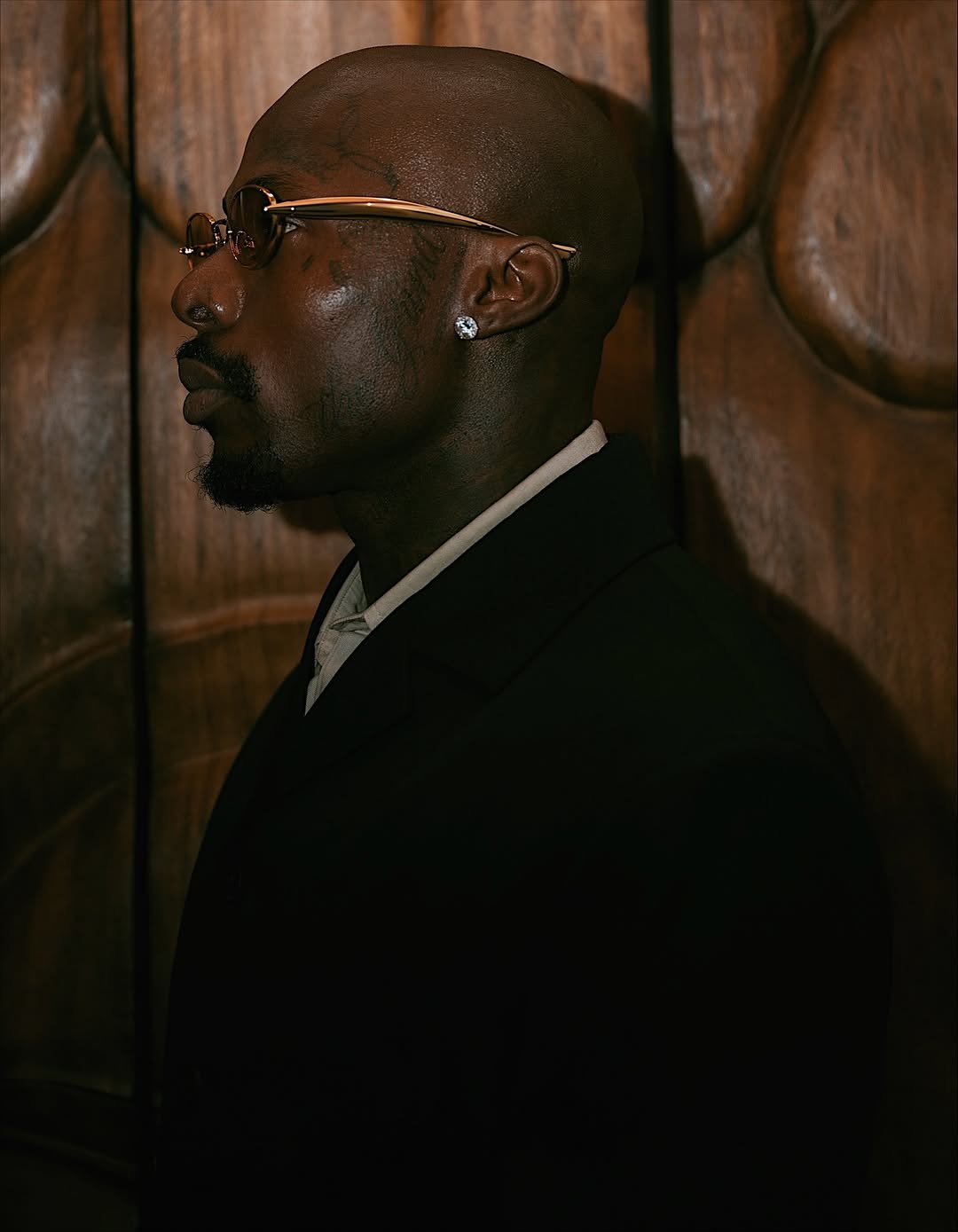
If It Works, Let It Breathe: Why Nigerian Artists Don’t Owe You Reinvention

Authored by

Close your eyes and imagine the bass thumping in a Lagos club. The DJ drops a new track. Within 10 seconds before the lyrics even start, the whole room knows exactly who it is. That specific drum pattern, that choral backup, that particular "vibe” in your mind, you know that’s Asake. But before the song even finishes, someone in the corner is already scrolling through Twitter, typing out the same tired complaint: "He sounds the same. When is he going to give us something different?"

At first glance, that might seem like a fair critique. After all, shouldn’t artists evolve? But the reality is more nuanced. So what’s really going on here? The issue lies in how audiences often misunderstand what artistic growth looks like. There’s an expectation, especially in fast-moving digital spaces, that growth must be obvious, dramatic, and constant. Listeners want reinvention: a new sound, a new persona, a clear shift from what came before. But in practice, that’s not how most great artists evolve.

Take Asake. His music blends modern Afrobeats with traditional Fuji influences, rhythmic chants, and street-inspired flows. He dominated the charts for two years straight. But almost immediately, people started complaining that he was sounding the same. What that criticism missed is how evolution was already happening, just not in the loud, obvious way people expected.
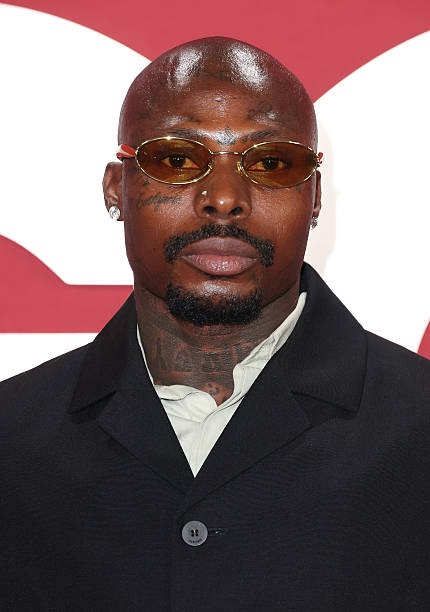
Asake via Getty Images

Asake didn’t abandon his core sound, and that’s exactly why it worked. Instead, he refined it. His production became more layered, his vocal control improved, and his songwriting grew more intentional. The chants became tighter, the flows more deliberate, and the overall sound more polished. To a casual listener, it might still feel familiar. But to anyone paying attention, there’s a clear progression. And that’s the point: great artists don’t always evolve by changing direction completely. They evolve by going deeper into what makes them unique.

Now, even rising Nigerian artists like Fola are experiencing early criticism for sticking to a sound and theme despite still being in the process of defining their identity. Right now, he has a particular sound and a certain type of message he leans into, and yes, if you listen to a few of his songs, they might feel similar.
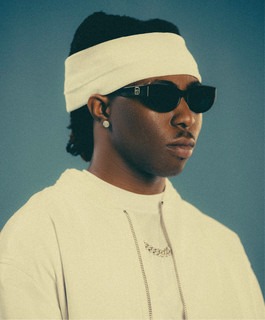
Fola via Spotify 

But that’s actually normal. When an artist is just starting, repeating a style isn’t a mistake; it's how they build identity. Think of it like this: if every song sounded completely different, you wouldn’t even know what makes him him. The “same sound” people complain about is often the exact thing helping listeners recognize him.

The same goes for his themes. Many artists, especially early in their careers, talk about similar things like love, hustle, lifestyle, and emotions because that’s what they’re currently connected to. Over time, as their lives change, their music naturally expands. The problem is that people are asking for change too early.

Fola is still in the stage of introducing himself. Expecting him to switch sounds or topics immediately is like asking someone to change their personality before you even understand who they are. Growth in music doesn’t happen overnight. First comes repetition, then mastery, then expansion. So instead of seeing it as “he sounds the same,” it’s more accurate to see it as: he’s still building his foundation. 
And it doesn’t stop with emerging artists. Someone like Wizkid, who has spent over a decade shaping the global sound of Afrobeats, still faces similar comments about his newer releases “sounding the same.” From a broader perspective, having a signature sound isn’t a weakness; it’s an advantage. It’s how audiences recognize an artist instantly. It’s what turns a song into a brand. In industries beyond music, consistency is often praised; in music, it’s strangely treated as a flaw.

Even experimentation, when it happens, works best when it’s natural. Rema’s shifts, for example, felt intentional because they stemmed from artistic curiosity rather than external pressure. There’s a difference between evolving and reacting. And for veterans like Wizkid, consistency often reflects mastery. After years of experimenting and influencing the soundscape, what remains is a refined identity, one that doesn’t need to prove itself through drastic change constantly.

The bigger takeaway here goes beyond Nigerian music. Across global music scenes, fans play a powerful role in shaping narratives around artists. But not every familiar sound is a sign of stagnation. Sometimes, it’s a sign that an artist has found their voice and is choosing to develop it rather than abandon it. Because real growth isn’t always loud. It doesn’t always come with a complete rebrand or a sudden shift in direction. Often, it’s quieter, more deliberate, and more sustainable. And sometimes, the best thing you can do for an artist is simple: let what works, breathe.

The truth is simple: if a sound works, it deserves time to breathe. Sometimes, the real artistry lies in going deeper, not wider, which means refining a sound until it becomes timeless. Because in the long run, it’s not constant change that builds careers. It’s clarity, identity, and patience.


If It Works, Let It Breathe: Why Nigerian Artists Don’t Owe You Reinvention

Authored by
This is some text inside of a div block.

Close your eyes and imagine the bass thumping in a Lagos club. The DJ drops a new track. Within 10 seconds before the lyrics even start, the whole room knows exactly who it is. That specific drum pattern, that choral backup, that particular "vibe” in your mind, you know that’s Asake. But before the song even finishes, someone in the corner is already scrolling through Twitter, typing out the same tired complaint: "He sounds the same. When is he going to give us something different?"

At first glance, that might seem like a fair critique. After all, shouldn’t artists evolve? But the reality is more nuanced. So what’s really going on here? The issue lies in how audiences often misunderstand what artistic growth looks like. There’s an expectation, especially in fast-moving digital spaces, that growth must be obvious, dramatic, and constant. Listeners want reinvention: a new sound, a new persona, a clear shift from what came before. But in practice, that’s not how most great artists evolve.

Take Asake. His music blends modern Afrobeats with traditional Fuji influences, rhythmic chants, and street-inspired flows. He dominated the charts for two years straight. But almost immediately, people started complaining that he was sounding the same. What that criticism missed is how evolution was already happening, just not in the loud, obvious way people expected.

Asake via Getty Images

Asake didn’t abandon his core sound, and that’s exactly why it worked. Instead, he refined it. His production became more layered, his vocal control improved, and his songwriting grew more intentional. The chants became tighter, the flows more deliberate, and the overall sound more polished. To a casual listener, it might still feel familiar. But to anyone paying attention, there’s a clear progression. And that’s the point: great artists don’t always evolve by changing direction completely. They evolve by going deeper into what makes them unique.

Now, even rising Nigerian artists like Fola are experiencing early criticism for sticking to a sound and theme despite still being in the process of defining their identity. Right now, he has a particular sound and a certain type of message he leans into, and yes, if you listen to a few of his songs, they might feel similar.

Fola via Spotify 

But that’s actually normal. When an artist is just starting, repeating a style isn’t a mistake; it's how they build identity. Think of it like this: if every song sounded completely different, you wouldn’t even know what makes him him. The “same sound” people complain about is often the exact thing helping listeners recognize him.

The same goes for his themes. Many artists, especially early in their careers, talk about similar things like love, hustle, lifestyle, and emotions because that’s what they’re currently connected to. Over time, as their lives change, their music naturally expands. The problem is that people are asking for change too early.

Fola is still in the stage of introducing himself. Expecting him to switch sounds or topics immediately is like asking someone to change their personality before you even understand who they are. Growth in music doesn’t happen overnight. First comes repetition, then mastery, then expansion. So instead of seeing it as “he sounds the same,” it’s more accurate to see it as: he’s still building his foundation. 
And it doesn’t stop with emerging artists. Someone like Wizkid, who has spent over a decade shaping the global sound of Afrobeats, still faces similar comments about his newer releases “sounding the same.” From a broader perspective, having a signature sound isn’t a weakness; it’s an advantage. It’s how audiences recognize an artist instantly. It’s what turns a song into a brand. In industries beyond music, consistency is often praised; in music, it’s strangely treated as a flaw.

Even experimentation, when it happens, works best when it’s natural. Rema’s shifts, for example, felt intentional because they stemmed from artistic curiosity rather than external pressure. There’s a difference between evolving and reacting. And for veterans like Wizkid, consistency often reflects mastery. After years of experimenting and influencing the soundscape, what remains is a refined identity, one that doesn’t need to prove itself through drastic change constantly.

The bigger takeaway here goes beyond Nigerian music. Across global music scenes, fans play a powerful role in shaping narratives around artists. But not every familiar sound is a sign of stagnation. Sometimes, it’s a sign that an artist has found their voice and is choosing to develop it rather than abandon it. Because real growth isn’t always loud. It doesn’t always come with a complete rebrand or a sudden shift in direction. Often, it’s quieter, more deliberate, and more sustainable. And sometimes, the best thing you can do for an artist is simple: let what works, breathe.

The truth is simple: if a sound works, it deserves time to breathe. Sometimes, the real artistry lies in going deeper, not wider, which means refining a sound until it becomes timeless. Because in the long run, it’s not constant change that builds careers. It’s clarity, identity, and patience.

This is some text inside of a div block.

If It Works, Let It Breathe: Why Nigerian Artists Don’t Owe You Reinvention

Authored by

Close your eyes and imagine the bass thumping in a Lagos club. The DJ drops a new track. Within 10 seconds before the lyrics even start, the whole room knows exactly who it is. That specific drum pattern, that choral backup, that particular "vibe” in your mind, you know that’s Asake. But before the song even finishes, someone in the corner is already scrolling through Twitter, typing out the same tired complaint: "He sounds the same. When is he going to give us something different?"

At first glance, that might seem like a fair critique. After all, shouldn’t artists evolve? But the reality is more nuanced. So what’s really going on here? The issue lies in how audiences often misunderstand what artistic growth looks like. There’s an expectation, especially in fast-moving digital spaces, that growth must be obvious, dramatic, and constant. Listeners want reinvention: a new sound, a new persona, a clear shift from what came before. But in practice, that’s not how most great artists evolve.

Take Asake. His music blends modern Afrobeats with traditional Fuji influences, rhythmic chants, and street-inspired flows. He dominated the charts for two years straight. But almost immediately, people started complaining that he was sounding the same. What that criticism missed is how evolution was already happening, just not in the loud, obvious way people expected.

Asake via Getty Images

Asake didn’t abandon his core sound, and that’s exactly why it worked. Instead, he refined it. His production became more layered, his vocal control improved, and his songwriting grew more intentional. The chants became tighter, the flows more deliberate, and the overall sound more polished. To a casual listener, it might still feel familiar. But to anyone paying attention, there’s a clear progression. And that’s the point: great artists don’t always evolve by changing direction completely. They evolve by going deeper into what makes them unique.

Now, even rising Nigerian artists like Fola are experiencing early criticism for sticking to a sound and theme despite still being in the process of defining their identity. Right now, he has a particular sound and a certain type of message he leans into, and yes, if you listen to a few of his songs, they might feel similar.

Fola via Spotify 

But that’s actually normal. When an artist is just starting, repeating a style isn’t a mistake; it's how they build identity. Think of it like this: if every song sounded completely different, you wouldn’t even know what makes him him. The “same sound” people complain about is often the exact thing helping listeners recognize him.

The same goes for his themes. Many artists, especially early in their careers, talk about similar things like love, hustle, lifestyle, and emotions because that’s what they’re currently connected to. Over time, as their lives change, their music naturally expands. The problem is that people are asking for change too early.

Fola is still in the stage of introducing himself. Expecting him to switch sounds or topics immediately is like asking someone to change their personality before you even understand who they are. Growth in music doesn’t happen overnight. First comes repetition, then mastery, then expansion. So instead of seeing it as “he sounds the same,” it’s more accurate to see it as: he’s still building his foundation. 
And it doesn’t stop with emerging artists. Someone like Wizkid, who has spent over a decade shaping the global sound of Afrobeats, still faces similar comments about his newer releases “sounding the same.” From a broader perspective, having a signature sound isn’t a weakness; it’s an advantage. It’s how audiences recognize an artist instantly. It’s what turns a song into a brand. In industries beyond music, consistency is often praised; in music, it’s strangely treated as a flaw.

Even experimentation, when it happens, works best when it’s natural. Rema’s shifts, for example, felt intentional because they stemmed from artistic curiosity rather than external pressure. There’s a difference between evolving and reacting. And for veterans like Wizkid, consistency often reflects mastery. After years of experimenting and influencing the soundscape, what remains is a refined identity, one that doesn’t need to prove itself through drastic change constantly.

The bigger takeaway here goes beyond Nigerian music. Across global music scenes, fans play a powerful role in shaping narratives around artists. But not every familiar sound is a sign of stagnation. Sometimes, it’s a sign that an artist has found their voice and is choosing to develop it rather than abandon it. Because real growth isn’t always loud. It doesn’t always come with a complete rebrand or a sudden shift in direction. Often, it’s quieter, more deliberate, and more sustainable. And sometimes, the best thing you can do for an artist is simple: let what works, breathe.

The truth is simple: if a sound works, it deserves time to breathe. Sometimes, the real artistry lies in going deeper, not wider, which means refining a sound until it becomes timeless. Because in the long run, it’s not constant change that builds careers. It’s clarity, identity, and patience.

Other Stories
London
London
Lagos
London
Newyork
London
Shop
Join the community.
You are now subscribed to receive updates.
Oops! Something went wrong while submitting the form.