Nsikak David: The Guitar Is My Fluent Language

Authored by

Most people who know Nsikak David‘s name know it through someone else’s record. He is the guitarist on Tems’ Grammy-winning ‘Love Me Je Je’, the lead producer on her Grammy-nominated ‘Boy O Boy’, and the man who conceived No Love in Lagos - the celebrated joint album by Show Dem Camp and The Cavemen that has surpassed 10 million streams. For 18 years, he has been the most important person in rooms that rarely put his name on the door.

Strings of Solace, his debut solo EP, is the first time Nsikak David has made something entirely for himself. Fully instrumental, city-named, released without expectation and received with more warmth than he anticipated - it is an audio documentary of a life spent on the road, distilled into guitar. We spoke about where it all began, what the guitar says that words cannot, and why Nigeria needed an instrumental EP, whether it knew it or not.

Before we get into it, how are you doing?

I’m okay. I’m all right.

(laughs) You know, I think in Akwa Ibom, it’s Abadie, if I’m correct?

Oh yeah! I see you’ve been learning something.

My mom is from Akwa-Ibom

Oh wow. Amazing. That’s great. So you speak a bit, or is that the only thing you know how to speak?

I think I know the part about food.

Yeah. I mean, at least you know the part about food, so that’s cool.

Take me back to the beginning. What was your earliest memory of music, and when did you know it was going to be your life?

Honestly, I would say I never really planned for it. I’d say it just came to me. If I say where the beginning was, I’d say maybe I was like five or so, in the church choir. Everybody here, we all started from the church. I remember just watching people play the instrument, and I was fascinated. It always started with me trying to learn the drums. I was just watching people play. I was always thrilled when I saw drummers. I’m like, yeah, I really want to learn this. That’s how it began.

After the drums, I found a new love, which was keyboards. Then I went to the bass. And then ultimately, I started playing the guitar, which felt like the thing I connected to more. It felt like my own identity. What I feel most comfortable playing. I feel extra connected to it. So it wasn’t like I planned for it. I never knew that today I’d be a musician. I just loved the thing. And I just kept on doing it, really.

The guitar became your instrument after moving through several others. What made it the one?

It’s really not like switching. It’s just like I wanted to learn more stuff. But there’s something you feel when you just hit that instrument - you feel like, amongst all these, this is the one that I really connect to. It feels like something I can play even while sleeping. Like an extension of me. That’s the guitar.

The other stuff I learned, they are still very much important in my life to date. I still play those instruments. But I’m just saying that the one that is just me, wake me up tomorrow - is the guitar. It’s like how you have a favourite pair of shoes. You have different shoes, but you must have tried different styles to know, oh, this is the one that fits me.

When you pick up a guitar, what are you actually trying to say that words cannot?

Guitar, for me, is my tool of communication. You know how people have different languages? Some people can speak Ibibio better, some people can speak English better. Amongst all my means of communication, I would say the guitar is the one with which I can communicate fluently. And it’s another thing - we musicians, we’re always spiritual. So it’s something that I can hear from the spirit, and I can play it there.

Most people who know your name know it because of someone else’s record. How do you sit with that?

I feel like it’s something good. Because if you know me from someone else’s record, it means that record must have been great. It means I did something great on that project. So I don’t feel any type of way. It’s still part of who I am - it’s me giving myself away in someone else’s project. I see it as me spreading the word differently. I don’t feel any way about it. I feel good. It’s something that should happen often, actually.

Walk me through the moment you realised Show Dem Camp and The Cavemen belonged in the same room. What did you hear that nobody else was hearing yet?

Fun fact - I’ve always been connected through my role as a guitarist. I’d been working with Show Dem Camp for a long time, from their first record. But I just found out about The Cavemen then. They were coming up, making music. We actually played in the same band together for an artist called Best. So we all played together, and then The Cavemen started doing their own music.

I’m like, hey, I like them. I like the music that they do. And Show Dem Camp already had that highlife direction they were moving in. I’m like, this would be a perfect blend. And the common factor between both places was just me. So I was like, I think this would be a perfect, perfect blend. I think this would be magic. So I said, let me see what we can do to put both people together. And I already knew it was going to be magic from the get-go.

The album has over 10 million streams. Most people still don’t know you conceived it. Does that bother you?

No, it doesn’t bother me in any way. It’s just music. It’s me making what I like. However it comes out, the most important thing is that the idea is out there. There are a lot of things that people would never know I’ve done in the industry, and I’m okay with it. I’m not one to blow my trumpet on things I’ve done. I’ve learned to live with it and know that I’ve done this. Nobody can change it. So I don’t need validation, if that makes sense. The truth is that I’ve done this. I’ve done it.

You played guitar on ‘Love Me Je Je’ and produced ‘Boy O Boy’ - performer on the win, producer on the nomination. What was the difference in how those felt?

I’m always grateful for every opportunity I get. This is not me saying it wasn’t something big - it’s just me serving in a different capacity. People get to know the different things you can do, the different bags you can be in. For me, it’s like most things that you’ve done; people don’t know about it. Just the one per cent at the top is what people remember. So it doesn’t really matter. We just keep doing our best at every opportunity. Whether it goes platinum or whether it doesn’t, we still keep doing the work. “Love Me Je Je” wasn’t an exception. Boy O Boy wasn’t an exception. It’s just me doing what I love doing and trying to make an impact with my gift.
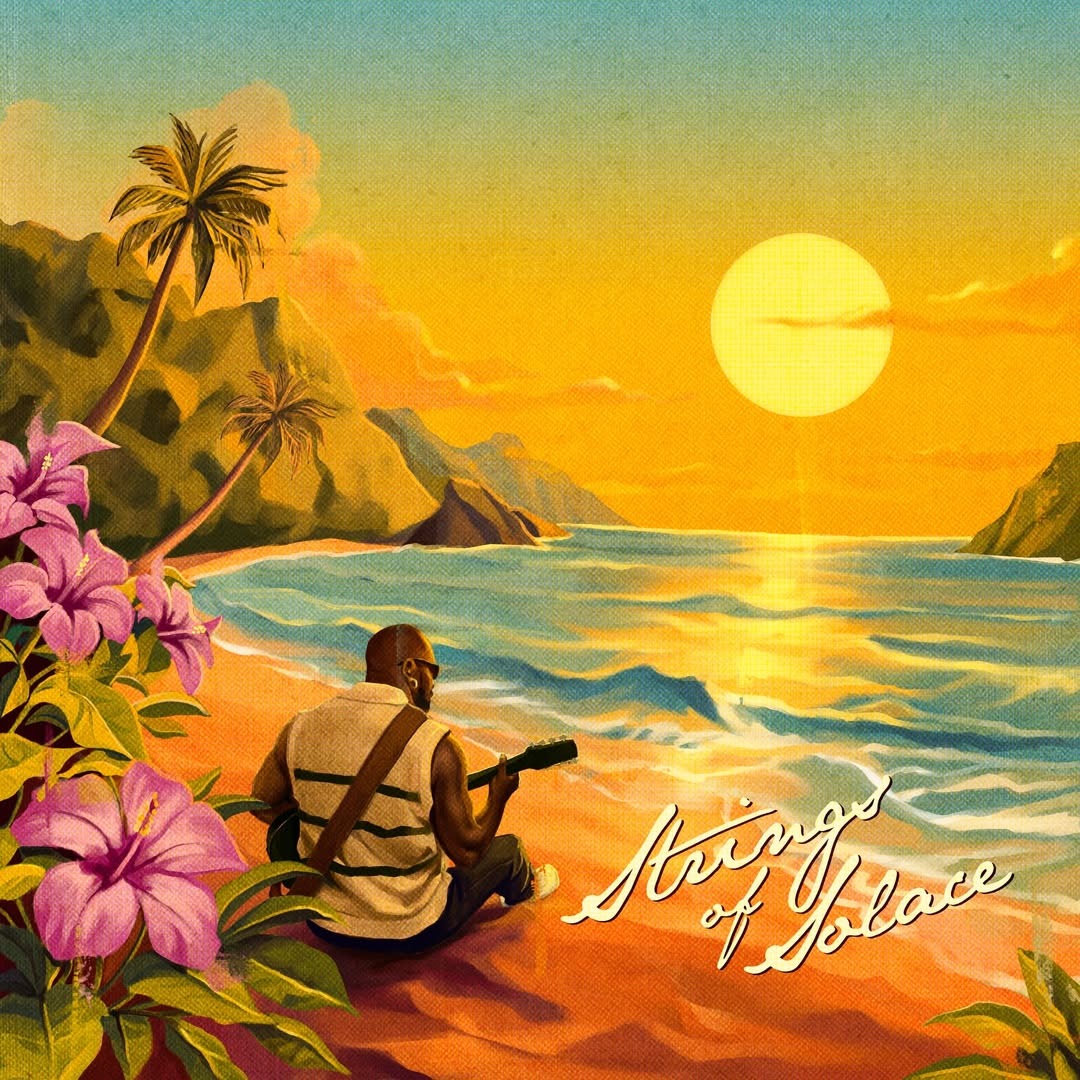
Credit: Strings of Solace

After 18 years of building other people’s music, why was now the right time for Strings of Solace?

Almost every year I have a project ready to go out, and it just happens that after the year, I’m like, I don’t think I want to make this project. But Strings of Solace - that idea had already been conceived long ago. I knew I wanted a project that had to be felt. But you just feel like, when everything comes together, it feels right. The moment I finished making those records, I just knew the time was now.

This is one of the projects that didn’t feel forced. It didn’t feel like I was trying to be seen. I was just trying to make the music that I love, how I love it. Sometimes you conform to trying to make music because you want everybody to dance. So for me, it’s me knowing that - this is what I want you to feel. This is a piece of me. And the crazy part is, maybe if I’d waited longer, I wouldn’t have dropped the project. I’m being honest. Because you’ll be phasing into different things. You’re in a different space in life at every time. So I had to make sure it went out in time.

Every track is named after a city or place. Tell me about the geography of this EP.

Those places actually mean a lot to me. This is my life out there. It’s like a piece of my life. We have Lisbon, Nairobi, Madrid - places I’ve been to, touring with artists. It is more like my experiences. Those moments where I can find solitude, where I find peace with myself. I wanted to put those moments into music.

It’s really not about the city. It’s just how I felt at that time in that particular place. If you notice the music, everything about it is just screaming peace. I just want to relax. I just want to forget about everything for the duration that the music is playing. No stress. Nothing. Just trying to have peace.

If you’re touring, it can be a lot. Travelling from city to city, jumping on the next flight. Sometimes you see 40,000 different people. It can be crazy. But most of the time that I found rest, when I just got back to my hotel, these melodies kept coming to me. And I started putting them down. So the titles of each track really meant a lot to me. They were like how I felt in those particular cities at those times. It’s like an audio documentary of my life touring as a musician.

Even for Madrid - that was just one day, me walking around the city, just seeing how I felt. I said, "Okay, I have this melody down. So each record, everything meant a lot to me.”

Credit: Strings of Solace

You chose to make it fully instrumental. No words. Why?

I never thought of putting words in the whole project. I wanted to be able to communicate - as I said before, the guitar is like the instrument I can communicate with fluently. I want to be able to touch people’s souls. I want to play something on my guitar, and you feel it, and you understand. That’s what I was trying to pass throughout the project. You don’t have to say something. You just have to feel it.

Guitar, for me, is an expression. It’s an extension of me. The words that I did not say - I said everything on the guitar, in the music. I wanted people to open their minds to alternative ways of communicating music. So it was an intentional act. I wanted to break free from the norm.

And honestly, the inspiration didn’t come with vocals anyway. If it had come with vocals, I would have done that. But if it did not come that way, why am I trying to force it? If each melody is spiritual to me, I’m going to leave it that way. I’m just a messenger - I’m replicating whatever I’m sent to do. Music is supposed to be felt. I wanted people to feel that from my strings, from each track.

What do you want listeners to take away from Strings of Solace?

The first thing I really want people to get from the project is peace. It’s a peaceful project. If you’re troubled, if you have different things you’re going through - from the moment you listen, from the beginning, it calms you down. All you have to do is just listen. I’m not saying you should dance. It’s not a dance project. All I wanted you to do was listen and calm yourself. It’s like therapy for me.

This is not music I made because I wanted to make music. I made it something I would listen to when I feel that type of way. I want people to feel the same thing I felt. I want you to feel peace the moment you start listening. It’s like a therapeutic session. It’s like coming to see your therapist. Imagine that your doctor is giving you a prescription and that prescription is Strings of Solace. If they were named after pills, this is the one for when you can’t sleep. It will put you to bed.

What does Nsikak David sound like when nobody is asking him to sound like anything in particular?

I think I’ve been blessed with something that makes me special - I can really do anything musically. Today I could be playing highlife. Tomorrow I can be playing R&B. The other day I was playing jazz. I’m an all-rounder. Wherever the music needs me, I follow. I love being that. To be able to just create freely without bounds.

I wouldn’t say I’m a boxed artist. I’m just free. Everybody was thinking that when I dropped something new, it was going to be something club-shaking. I’m like, you guys really thought you were going to hear vocals on it? I love it. I want to be able to paint whatever I want to paint. I don’t want anyone to know what I’m going to do next. I want to be an artist and just make whatever I feel like.

Is Strings of Solace a record you made for yourself, and that’s enough, or do you want it to pull people into instrumental music who wouldn’t have found it otherwise?

Definitely both. First of all, I have to love the music to be able to share that part of me with the world. But I want people’s taste to also change. I want people to have variety. Somebody told me - I never knew I loved instrumental music until I heard this project. Some people have never gotten the opportunity to know that. Somebody called me and said, "This is what I play anytime I want to walk. It helps me through my walk days.”

So I want people to discover that. I want instrumental music to have a place, especially in a country like Nigeria, where instrumental music is nowhere. I want to be one of those people who were bold enough to make this kind of project and make it a thing. Make it look cool.
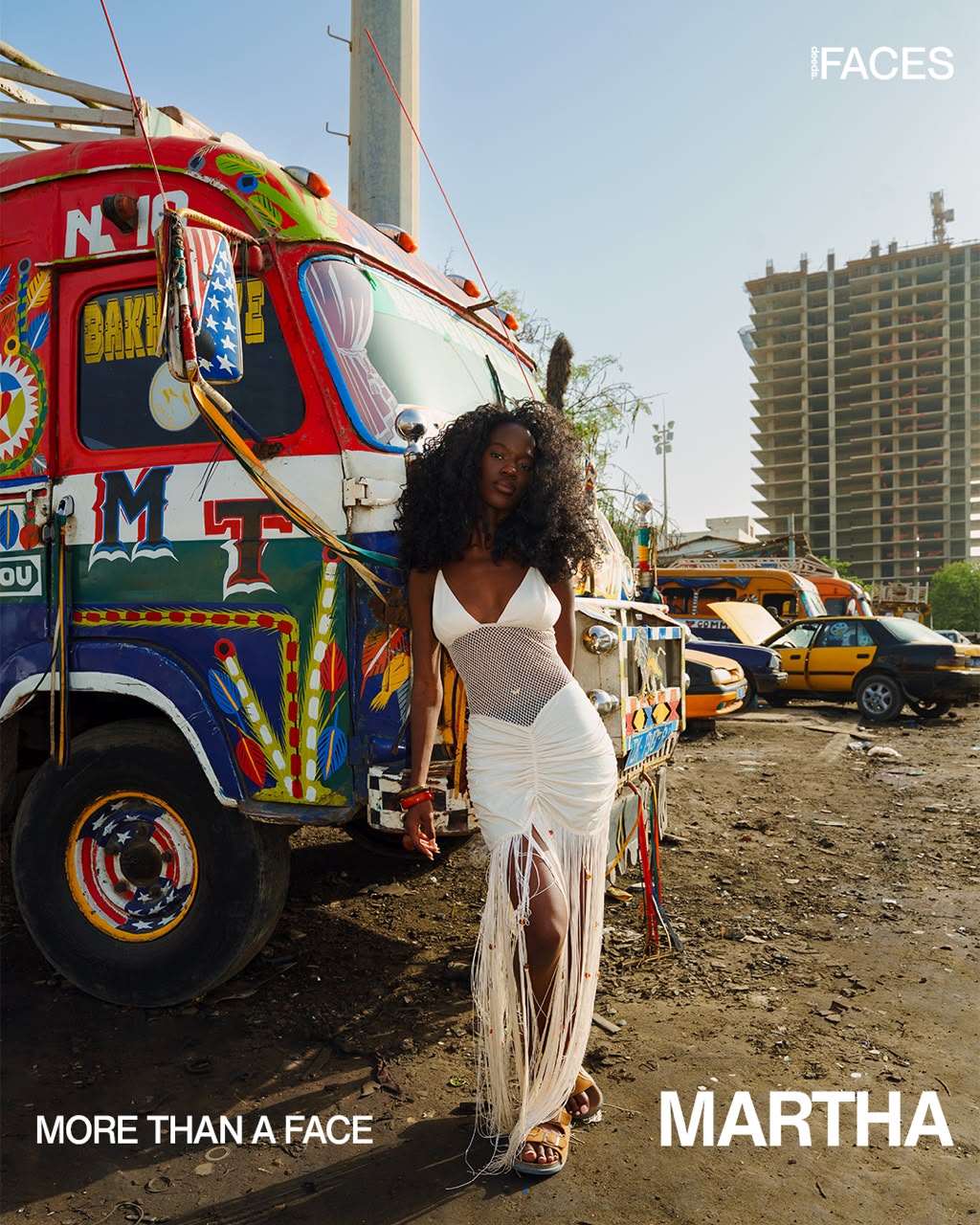
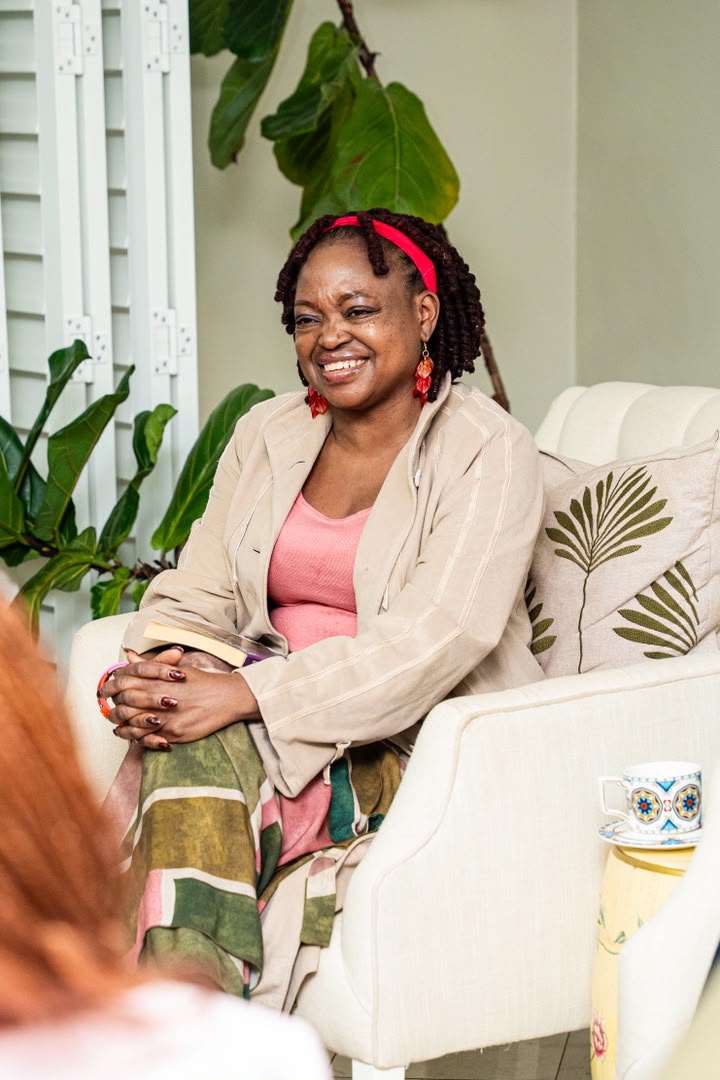
IG:@ffeistyhuman

Nsikak David: The Guitar Is My Fluent Language

Authored by
This is some text inside of a div block.

Most people who know Nsikak David‘s name know it through someone else’s record. He is the guitarist on Tems’ Grammy-winning ‘Love Me Je Je’, the lead producer on her Grammy-nominated ‘Boy O Boy’, and the man who conceived No Love in Lagos - the celebrated joint album by Show Dem Camp and The Cavemen that has surpassed 10 million streams. For 18 years, he has been the most important person in rooms that rarely put his name on the door.

Strings of Solace, his debut solo EP, is the first time Nsikak David has made something entirely for himself. Fully instrumental, city-named, released without expectation and received with more warmth than he anticipated - it is an audio documentary of a life spent on the road, distilled into guitar. We spoke about where it all began, what the guitar says that words cannot, and why Nigeria needed an instrumental EP, whether it knew it or not.

Before we get into it, how are you doing?

I’m okay. I’m all right.

(laughs) You know, I think in Akwa Ibom, it’s Abadie, if I’m correct?

Oh yeah! I see you’ve been learning something.

My mom is from Akwa-Ibom

Oh wow. Amazing. That’s great. So you speak a bit, or is that the only thing you know how to speak?

I think I know the part about food.

Yeah. I mean, at least you know the part about food, so that’s cool.

Take me back to the beginning. What was your earliest memory of music, and when did you know it was going to be your life?

Honestly, I would say I never really planned for it. I’d say it just came to me. If I say where the beginning was, I’d say maybe I was like five or so, in the church choir. Everybody here, we all started from the church. I remember just watching people play the instrument, and I was fascinated. It always started with me trying to learn the drums. I was just watching people play. I was always thrilled when I saw drummers. I’m like, yeah, I really want to learn this. That’s how it began.

After the drums, I found a new love, which was keyboards. Then I went to the bass. And then ultimately, I started playing the guitar, which felt like the thing I connected to more. It felt like my own identity. What I feel most comfortable playing. I feel extra connected to it. So it wasn’t like I planned for it. I never knew that today I’d be a musician. I just loved the thing. And I just kept on doing it, really.

The guitar became your instrument after moving through several others. What made it the one?

It’s really not like switching. It’s just like I wanted to learn more stuff. But there’s something you feel when you just hit that instrument - you feel like, amongst all these, this is the one that I really connect to. It feels like something I can play even while sleeping. Like an extension of me. That’s the guitar.

The other stuff I learned, they are still very much important in my life to date. I still play those instruments. But I’m just saying that the one that is just me, wake me up tomorrow - is the guitar. It’s like how you have a favourite pair of shoes. You have different shoes, but you must have tried different styles to know, oh, this is the one that fits me.

When you pick up a guitar, what are you actually trying to say that words cannot?

Guitar, for me, is my tool of communication. You know how people have different languages? Some people can speak Ibibio better, some people can speak English better. Amongst all my means of communication, I would say the guitar is the one with which I can communicate fluently. And it’s another thing - we musicians, we’re always spiritual. So it’s something that I can hear from the spirit, and I can play it there.

Most people who know your name know it because of someone else’s record. How do you sit with that?

I feel like it’s something good. Because if you know me from someone else’s record, it means that record must have been great. It means I did something great on that project. So I don’t feel any type of way. It’s still part of who I am - it’s me giving myself away in someone else’s project. I see it as me spreading the word differently. I don’t feel any way about it. I feel good. It’s something that should happen often, actually.

Walk me through the moment you realised Show Dem Camp and The Cavemen belonged in the same room. What did you hear that nobody else was hearing yet?

Fun fact - I’ve always been connected through my role as a guitarist. I’d been working with Show Dem Camp for a long time, from their first record. But I just found out about The Cavemen then. They were coming up, making music. We actually played in the same band together for an artist called Best. So we all played together, and then The Cavemen started doing their own music.

I’m like, hey, I like them. I like the music that they do. And Show Dem Camp already had that highlife direction they were moving in. I’m like, this would be a perfect blend. And the common factor between both places was just me. So I was like, I think this would be a perfect, perfect blend. I think this would be magic. So I said, let me see what we can do to put both people together. And I already knew it was going to be magic from the get-go.

The album has over 10 million streams. Most people still don’t know you conceived it. Does that bother you?

No, it doesn’t bother me in any way. It’s just music. It’s me making what I like. However it comes out, the most important thing is that the idea is out there. There are a lot of things that people would never know I’ve done in the industry, and I’m okay with it. I’m not one to blow my trumpet on things I’ve done. I’ve learned to live with it and know that I’ve done this. Nobody can change it. So I don’t need validation, if that makes sense. The truth is that I’ve done this. I’ve done it.

You played guitar on ‘Love Me Je Je’ and produced ‘Boy O Boy’ - performer on the win, producer on the nomination. What was the difference in how those felt?

I’m always grateful for every opportunity I get. This is not me saying it wasn’t something big - it’s just me serving in a different capacity. People get to know the different things you can do, the different bags you can be in. For me, it’s like most things that you’ve done; people don’t know about it. Just the one per cent at the top is what people remember. So it doesn’t really matter. We just keep doing our best at every opportunity. Whether it goes platinum or whether it doesn’t, we still keep doing the work. “Love Me Je Je” wasn’t an exception. Boy O Boy wasn’t an exception. It’s just me doing what I love doing and trying to make an impact with my gift.

Credit: Strings of Solace

After 18 years of building other people’s music, why was now the right time for Strings of Solace?

Almost every year I have a project ready to go out, and it just happens that after the year, I’m like, I don’t think I want to make this project. But Strings of Solace - that idea had already been conceived long ago. I knew I wanted a project that had to be felt. But you just feel like, when everything comes together, it feels right. The moment I finished making those records, I just knew the time was now.

This is one of the projects that didn’t feel forced. It didn’t feel like I was trying to be seen. I was just trying to make the music that I love, how I love it. Sometimes you conform to trying to make music because you want everybody to dance. So for me, it’s me knowing that - this is what I want you to feel. This is a piece of me. And the crazy part is, maybe if I’d waited longer, I wouldn’t have dropped the project. I’m being honest. Because you’ll be phasing into different things. You’re in a different space in life at every time. So I had to make sure it went out in time.

Every track is named after a city or place. Tell me about the geography of this EP.

Those places actually mean a lot to me. This is my life out there. It’s like a piece of my life. We have Lisbon, Nairobi, Madrid - places I’ve been to, touring with artists. It is more like my experiences. Those moments where I can find solitude, where I find peace with myself. I wanted to put those moments into music.

It’s really not about the city. It’s just how I felt at that time in that particular place. If you notice the music, everything about it is just screaming peace. I just want to relax. I just want to forget about everything for the duration that the music is playing. No stress. Nothing. Just trying to have peace.

If you’re touring, it can be a lot. Travelling from city to city, jumping on the next flight. Sometimes you see 40,000 different people. It can be crazy. But most of the time that I found rest, when I just got back to my hotel, these melodies kept coming to me. And I started putting them down. So the titles of each track really meant a lot to me. They were like how I felt in those particular cities at those times. It’s like an audio documentary of my life touring as a musician.

Even for Madrid - that was just one day, me walking around the city, just seeing how I felt. I said, "Okay, I have this melody down. So each record, everything meant a lot to me.”

Credit: Strings of Solace

You chose to make it fully instrumental. No words. Why?

I never thought of putting words in the whole project. I wanted to be able to communicate - as I said before, the guitar is like the instrument I can communicate with fluently. I want to be able to touch people’s souls. I want to play something on my guitar, and you feel it, and you understand. That’s what I was trying to pass throughout the project. You don’t have to say something. You just have to feel it.

Guitar, for me, is an expression. It’s an extension of me. The words that I did not say - I said everything on the guitar, in the music. I wanted people to open their minds to alternative ways of communicating music. So it was an intentional act. I wanted to break free from the norm.

And honestly, the inspiration didn’t come with vocals anyway. If it had come with vocals, I would have done that. But if it did not come that way, why am I trying to force it? If each melody is spiritual to me, I’m going to leave it that way. I’m just a messenger - I’m replicating whatever I’m sent to do. Music is supposed to be felt. I wanted people to feel that from my strings, from each track.

What do you want listeners to take away from Strings of Solace?

The first thing I really want people to get from the project is peace. It’s a peaceful project. If you’re troubled, if you have different things you’re going through - from the moment you listen, from the beginning, it calms you down. All you have to do is just listen. I’m not saying you should dance. It’s not a dance project. All I wanted you to do was listen and calm yourself. It’s like therapy for me.

This is not music I made because I wanted to make music. I made it something I would listen to when I feel that type of way. I want people to feel the same thing I felt. I want you to feel peace the moment you start listening. It’s like a therapeutic session. It’s like coming to see your therapist. Imagine that your doctor is giving you a prescription and that prescription is Strings of Solace. If they were named after pills, this is the one for when you can’t sleep. It will put you to bed.

What does Nsikak David sound like when nobody is asking him to sound like anything in particular?

I think I’ve been blessed with something that makes me special - I can really do anything musically. Today I could be playing highlife. Tomorrow I can be playing R&B. The other day I was playing jazz. I’m an all-rounder. Wherever the music needs me, I follow. I love being that. To be able to just create freely without bounds.

I wouldn’t say I’m a boxed artist. I’m just free. Everybody was thinking that when I dropped something new, it was going to be something club-shaking. I’m like, you guys really thought you were going to hear vocals on it? I love it. I want to be able to paint whatever I want to paint. I don’t want anyone to know what I’m going to do next. I want to be an artist and just make whatever I feel like.

Is Strings of Solace a record you made for yourself, and that’s enough, or do you want it to pull people into instrumental music who wouldn’t have found it otherwise?

Definitely both. First of all, I have to love the music to be able to share that part of me with the world. But I want people’s taste to also change. I want people to have variety. Somebody told me - I never knew I loved instrumental music until I heard this project. Some people have never gotten the opportunity to know that. Somebody called me and said, "This is what I play anytime I want to walk. It helps me through my walk days.”

So I want people to discover that. I want instrumental music to have a place, especially in a country like Nigeria, where instrumental music is nowhere. I want to be one of those people who were bold enough to make this kind of project and make it a thing. Make it look cool.
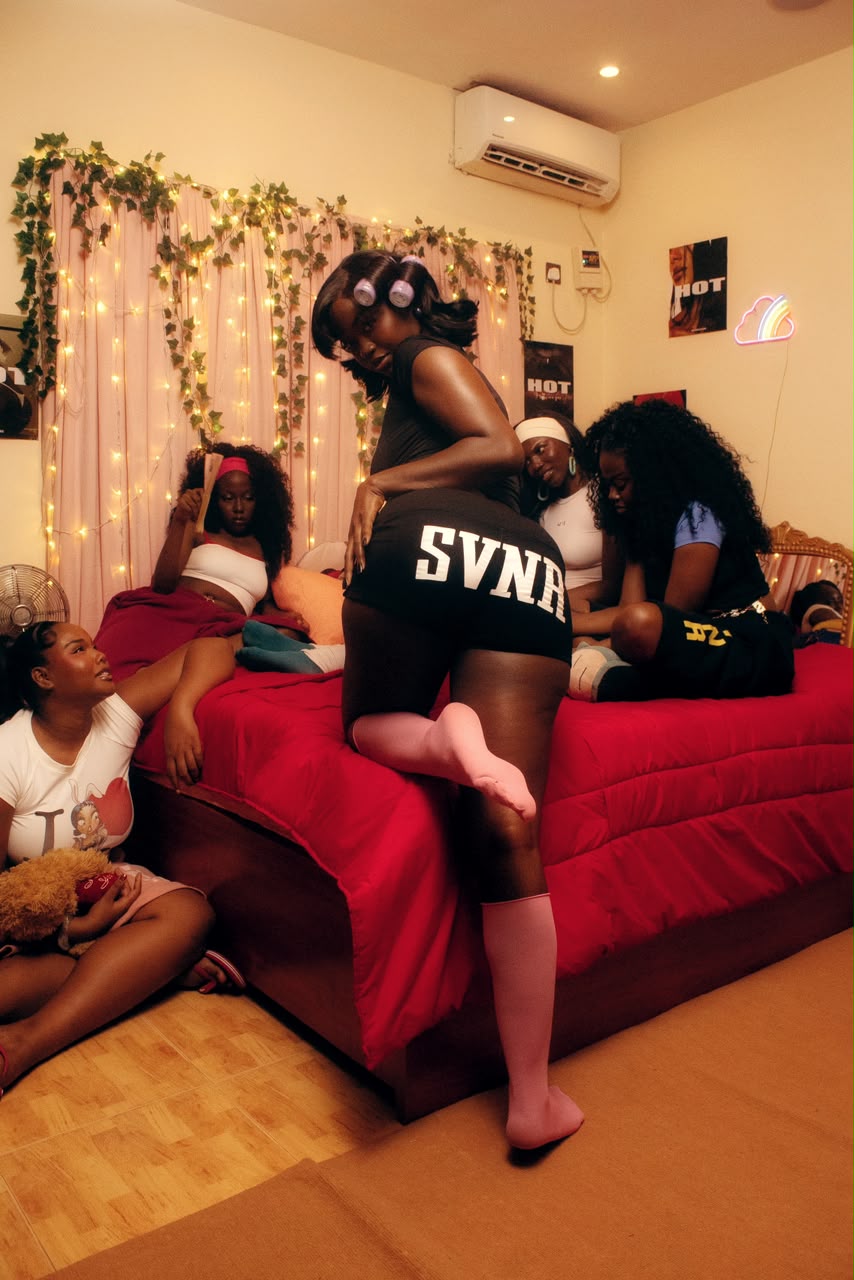
IG:@ffeistyhuman

This is some text inside of a div block.

Nsikak David: The Guitar Is My Fluent Language

Authored by

Most people who know Nsikak David‘s name know it through someone else’s record. He is the guitarist on Tems’ Grammy-winning ‘Love Me Je Je’, the lead producer on her Grammy-nominated ‘Boy O Boy’, and the man who conceived No Love in Lagos - the celebrated joint album by Show Dem Camp and The Cavemen that has surpassed 10 million streams. For 18 years, he has been the most important person in rooms that rarely put his name on the door.

Strings of Solace, his debut solo EP, is the first time Nsikak David has made something entirely for himself. Fully instrumental, city-named, released without expectation and received with more warmth than he anticipated - it is an audio documentary of a life spent on the road, distilled into guitar. We spoke about where it all began, what the guitar says that words cannot, and why Nigeria needed an instrumental EP, whether it knew it or not.

Before we get into it, how are you doing?

I’m okay. I’m all right.

(laughs) You know, I think in Akwa Ibom, it’s Abadie, if I’m correct?

Oh yeah! I see you’ve been learning something.

My mom is from Akwa-Ibom

Oh wow. Amazing. That’s great. So you speak a bit, or is that the only thing you know how to speak?

I think I know the part about food.

Yeah. I mean, at least you know the part about food, so that’s cool.

Take me back to the beginning. What was your earliest memory of music, and when did you know it was going to be your life?

Honestly, I would say I never really planned for it. I’d say it just came to me. If I say where the beginning was, I’d say maybe I was like five or so, in the church choir. Everybody here, we all started from the church. I remember just watching people play the instrument, and I was fascinated. It always started with me trying to learn the drums. I was just watching people play. I was always thrilled when I saw drummers. I’m like, yeah, I really want to learn this. That’s how it began.

After the drums, I found a new love, which was keyboards. Then I went to the bass. And then ultimately, I started playing the guitar, which felt like the thing I connected to more. It felt like my own identity. What I feel most comfortable playing. I feel extra connected to it. So it wasn’t like I planned for it. I never knew that today I’d be a musician. I just loved the thing. And I just kept on doing it, really.

The guitar became your instrument after moving through several others. What made it the one?

It’s really not like switching. It’s just like I wanted to learn more stuff. But there’s something you feel when you just hit that instrument - you feel like, amongst all these, this is the one that I really connect to. It feels like something I can play even while sleeping. Like an extension of me. That’s the guitar.

The other stuff I learned, they are still very much important in my life to date. I still play those instruments. But I’m just saying that the one that is just me, wake me up tomorrow - is the guitar. It’s like how you have a favourite pair of shoes. You have different shoes, but you must have tried different styles to know, oh, this is the one that fits me.

When you pick up a guitar, what are you actually trying to say that words cannot?

Guitar, for me, is my tool of communication. You know how people have different languages? Some people can speak Ibibio better, some people can speak English better. Amongst all my means of communication, I would say the guitar is the one with which I can communicate fluently. And it’s another thing - we musicians, we’re always spiritual. So it’s something that I can hear from the spirit, and I can play it there.

Most people who know your name know it because of someone else’s record. How do you sit with that?

I feel like it’s something good. Because if you know me from someone else’s record, it means that record must have been great. It means I did something great on that project. So I don’t feel any type of way. It’s still part of who I am - it’s me giving myself away in someone else’s project. I see it as me spreading the word differently. I don’t feel any way about it. I feel good. It’s something that should happen often, actually.

Walk me through the moment you realised Show Dem Camp and The Cavemen belonged in the same room. What did you hear that nobody else was hearing yet?

Fun fact - I’ve always been connected through my role as a guitarist. I’d been working with Show Dem Camp for a long time, from their first record. But I just found out about The Cavemen then. They were coming up, making music. We actually played in the same band together for an artist called Best. So we all played together, and then The Cavemen started doing their own music.

I’m like, hey, I like them. I like the music that they do. And Show Dem Camp already had that highlife direction they were moving in. I’m like, this would be a perfect blend. And the common factor between both places was just me. So I was like, I think this would be a perfect, perfect blend. I think this would be magic. So I said, let me see what we can do to put both people together. And I already knew it was going to be magic from the get-go.

The album has over 10 million streams. Most people still don’t know you conceived it. Does that bother you?

No, it doesn’t bother me in any way. It’s just music. It’s me making what I like. However it comes out, the most important thing is that the idea is out there. There are a lot of things that people would never know I’ve done in the industry, and I’m okay with it. I’m not one to blow my trumpet on things I’ve done. I’ve learned to live with it and know that I’ve done this. Nobody can change it. So I don’t need validation, if that makes sense. The truth is that I’ve done this. I’ve done it.

You played guitar on ‘Love Me Je Je’ and produced ‘Boy O Boy’ - performer on the win, producer on the nomination. What was the difference in how those felt?

I’m always grateful for every opportunity I get. This is not me saying it wasn’t something big - it’s just me serving in a different capacity. People get to know the different things you can do, the different bags you can be in. For me, it’s like most things that you’ve done; people don’t know about it. Just the one per cent at the top is what people remember. So it doesn’t really matter. We just keep doing our best at every opportunity. Whether it goes platinum or whether it doesn’t, we still keep doing the work. “Love Me Je Je” wasn’t an exception. Boy O Boy wasn’t an exception. It’s just me doing what I love doing and trying to make an impact with my gift.

Credit: Strings of Solace

After 18 years of building other people’s music, why was now the right time for Strings of Solace?

Almost every year I have a project ready to go out, and it just happens that after the year, I’m like, I don’t think I want to make this project. But Strings of Solace - that idea had already been conceived long ago. I knew I wanted a project that had to be felt. But you just feel like, when everything comes together, it feels right. The moment I finished making those records, I just knew the time was now.

This is one of the projects that didn’t feel forced. It didn’t feel like I was trying to be seen. I was just trying to make the music that I love, how I love it. Sometimes you conform to trying to make music because you want everybody to dance. So for me, it’s me knowing that - this is what I want you to feel. This is a piece of me. And the crazy part is, maybe if I’d waited longer, I wouldn’t have dropped the project. I’m being honest. Because you’ll be phasing into different things. You’re in a different space in life at every time. So I had to make sure it went out in time.

Every track is named after a city or place. Tell me about the geography of this EP.

Those places actually mean a lot to me. This is my life out there. It’s like a piece of my life. We have Lisbon, Nairobi, Madrid - places I’ve been to, touring with artists. It is more like my experiences. Those moments where I can find solitude, where I find peace with myself. I wanted to put those moments into music.

It’s really not about the city. It’s just how I felt at that time in that particular place. If you notice the music, everything about it is just screaming peace. I just want to relax. I just want to forget about everything for the duration that the music is playing. No stress. Nothing. Just trying to have peace.

If you’re touring, it can be a lot. Travelling from city to city, jumping on the next flight. Sometimes you see 40,000 different people. It can be crazy. But most of the time that I found rest, when I just got back to my hotel, these melodies kept coming to me. And I started putting them down. So the titles of each track really meant a lot to me. They were like how I felt in those particular cities at those times. It’s like an audio documentary of my life touring as a musician.

Even for Madrid - that was just one day, me walking around the city, just seeing how I felt. I said, "Okay, I have this melody down. So each record, everything meant a lot to me.”

Credit: Strings of Solace

You chose to make it fully instrumental. No words. Why?

I never thought of putting words in the whole project. I wanted to be able to communicate - as I said before, the guitar is like the instrument I can communicate with fluently. I want to be able to touch people’s souls. I want to play something on my guitar, and you feel it, and you understand. That’s what I was trying to pass throughout the project. You don’t have to say something. You just have to feel it.

Guitar, for me, is an expression. It’s an extension of me. The words that I did not say - I said everything on the guitar, in the music. I wanted people to open their minds to alternative ways of communicating music. So it was an intentional act. I wanted to break free from the norm.

And honestly, the inspiration didn’t come with vocals anyway. If it had come with vocals, I would have done that. But if it did not come that way, why am I trying to force it? If each melody is spiritual to me, I’m going to leave it that way. I’m just a messenger - I’m replicating whatever I’m sent to do. Music is supposed to be felt. I wanted people to feel that from my strings, from each track.

What do you want listeners to take away from Strings of Solace?

The first thing I really want people to get from the project is peace. It’s a peaceful project. If you’re troubled, if you have different things you’re going through - from the moment you listen, from the beginning, it calms you down. All you have to do is just listen. I’m not saying you should dance. It’s not a dance project. All I wanted you to do was listen and calm yourself. It’s like therapy for me.

This is not music I made because I wanted to make music. I made it something I would listen to when I feel that type of way. I want people to feel the same thing I felt. I want you to feel peace the moment you start listening. It’s like a therapeutic session. It’s like coming to see your therapist. Imagine that your doctor is giving you a prescription and that prescription is Strings of Solace. If they were named after pills, this is the one for when you can’t sleep. It will put you to bed.

What does Nsikak David sound like when nobody is asking him to sound like anything in particular?

I think I’ve been blessed with something that makes me special - I can really do anything musically. Today I could be playing highlife. Tomorrow I can be playing R&B. The other day I was playing jazz. I’m an all-rounder. Wherever the music needs me, I follow. I love being that. To be able to just create freely without bounds.

I wouldn’t say I’m a boxed artist. I’m just free. Everybody was thinking that when I dropped something new, it was going to be something club-shaking. I’m like, you guys really thought you were going to hear vocals on it? I love it. I want to be able to paint whatever I want to paint. I don’t want anyone to know what I’m going to do next. I want to be an artist and just make whatever I feel like.

Is Strings of Solace a record you made for yourself, and that’s enough, or do you want it to pull people into instrumental music who wouldn’t have found it otherwise?

Definitely both. First of all, I have to love the music to be able to share that part of me with the world. But I want people’s taste to also change. I want people to have variety. Somebody told me - I never knew I loved instrumental music until I heard this project. Some people have never gotten the opportunity to know that. Somebody called me and said, "This is what I play anytime I want to walk. It helps me through my walk days.”

So I want people to discover that. I want instrumental music to have a place, especially in a country like Nigeria, where instrumental music is nowhere. I want to be one of those people who were bold enough to make this kind of project and make it a thing. Make it look cool.

IG:@ffeistyhuman

Other Stories
London
London
Lagos
London
Newyork
London
Shop
Join the community.
You are now subscribed to receive updates.
Oops! Something went wrong while submitting the form.