Pop Takes—Ye’s New Album ‘Bully’ Sparks New Debates, Druski Skewers Conservative Women in Latest Skit + More

Authored by

Last year, in an interview with Justin Laboy, Ye (the artist formerly known as Kanye West) revealed that the title of his next album, ‘Bully,’ is inspired by his son, Saint West. Dressed in an all-white ensemble, and framed against the backdrop of an austere white screen projecting various merch, the 48-year-old artist shared an anecdote of his son kicking one of his peers. “This man is really a bully,” he said with a slight chuckle. On the 28th of March, one day behind its scheduled release date, Ye finally released the album to the public. 
Expectedly, ‘Bully’ arrives tainted by the shadow of Ye’s erratic past few years, which found him drifting into the furthest reaches of the far right movement, culminating in a salvo of anti-semitic statements and an ugly track entitled ‘Heil Hitler.’

In the months leading up to the album’s release, Ye began something of a slow walk towards redemption. He renounced his antisemitic statements, drove a wedge between himself and his former Hitler-sympathizing Ilk—a group including Nick Fuentes—and took out a page on the WSJ, apologizing for his unseemly conduct and expressing a desire to do better moving forward. The apology has no doubt sanded down much of the public indignation Ye has faced in recent years. Nonetheless, his latest album has split public opinion and sparked a litany of questions and conversations. In this installment of PopTakes, I share my candid thoughts on the flurry of dissonant opinions attending ‘Bully’s’ release. I also pull apart J Cole’s recent head-turning remarks and Druski’s “deeply hilarious but no less politically charged” latest skit. 

Ye’s New Album ‘Bully’ Raises New Questions About Cancel Culture
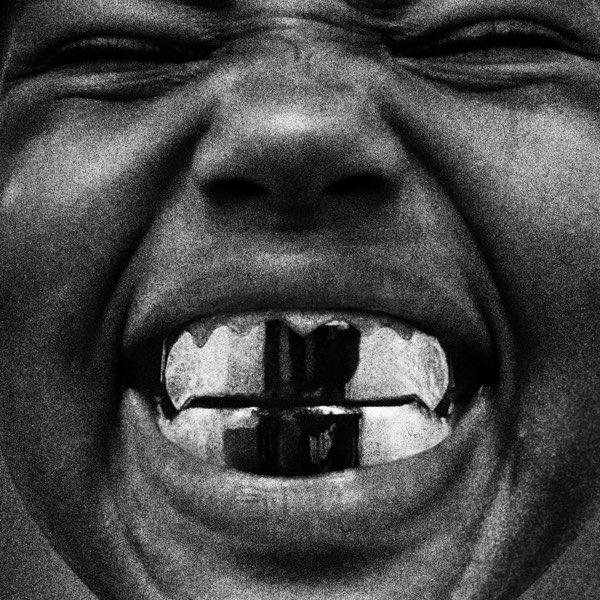
Of course, many of Ye’s critics remain steadfast and others remain skeptical of his putative transformation from the volatile and often distasteful persona he has espoused in the past few years. But it's almost surreal witnessing the outpouring of love and support Ye’s ‘Bully’ is receiving. While Pitchfork, which is increasingly being viewed as a holdout of liberal idealism, awarded the project a scathing 3.4/10—a lower score than Ye’s less coherent projects ‘Vultures II’ and ‘Donda II’—the project has found immense commercial success. It currently sits atop the US Apple Music Top Albums Chart, and is expected to make a strong overture on the Billboard Albums Charts next week. Meanwhile, ‘Father,’ a standout from the album featuring Travis Scott, has peaked atop the Global Apple Music Singles Charts. In a recent vox pop by Complex, many listeners rave about the quality of the project and award the project ratings in the neighborhood 8/10. Ye is also billed to headline the Wireless Festival for three days in July. If you told any pop culture enthusiasts a few months ago that the pendulum of the public’s opinion on Ye would swing in reverse, in such a short span, they probably would have dismissed the prediction as hallucinatory or naive. And yet, here we are. 

Amid all of these, questions regarding the efficacy and politics of cancel culture, have begun to arise. One tweet reads: “Kendrick was right about cancel culture,” referring to his ‘Mr Morale and The Big Steppers’ album where he variously calls out the hypocrisy of cancel culture: people publicly denouncing cancelled artists like R Kelly while listening to them in private. 

Cancel culture is often framed as a wholly new phenomenon, an expedient of the internet age. In reality, it’s at best a version of an ancient tradition. For millennia, humans have banished, ostracized, or sent seemingly irredeemably transgressive individuals into exile. Cancel culture feeds into this instinct; the goal is to exile certain erring individuals from society. But in place of physical estrangement, cancel culture advocates for digital pariahdom. Cancelled individuals are to be ignored except for the rare occasions when it becomes incumbent on us to denounce their actions. Crucially, in the case where the cancelled person is an artist, we similarly are expected to disengage with their art. 

Here is where the problem lies. It's one thing to publicly distance oneself from a transgressive individual and an entirely different thing to eschew their art, especially for someone like Ye, whose talent and influence on contemporary popular culture is singular. If Ye’s current ascendancy reveals anything, it’s that the latter is an almost herculean task. Despite Ye’s pariahdom on social media in the past few years, his listenership on streaming platforms remained strong, well into the neighborhood of 60 million monthly listeners on Spotify. His public apology and newfound conciliatory disposition have only given people the license to admit that their love for the music is stronger than whatever moral objections they might have. 

Druski Skewers Conservative Women in Latest Skit
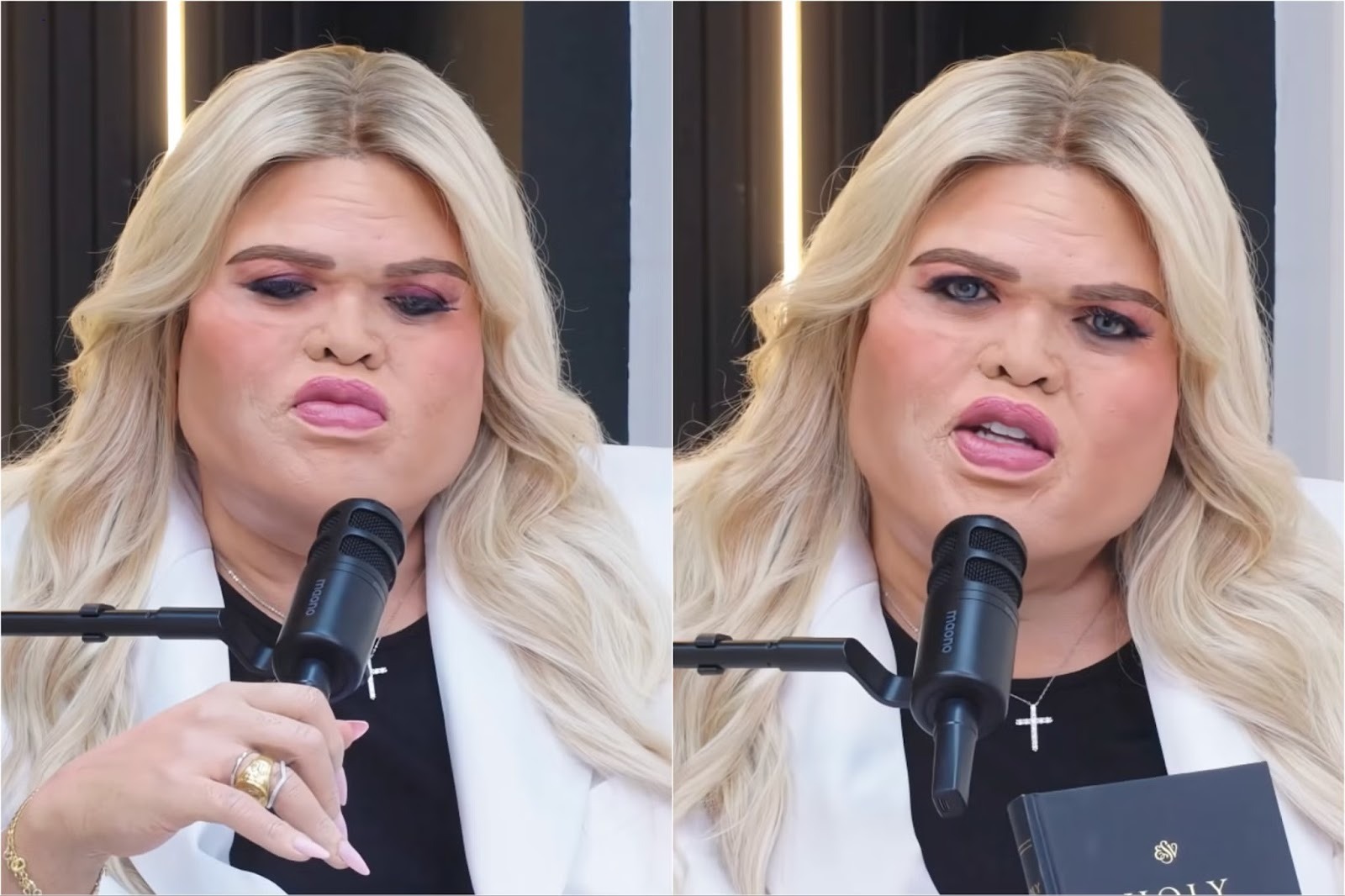
In American comedian Druski’s latest skit, he plays the conservative white lady archetype. Wearing a white suit and a blonde wig, his face prosthetically altered to resemble a white lady, he prances around a stage adorned with the blue, white, and red of the American flag. The video, captioned “How Conservative Women in America act,” has now garnered a staggering 183 million views on X alone. As one would expect, it has also sparked a welter of criticism. Some have argued that Druski’s skit gives white people the pass to play white face. This argument however collapses when one considers that white face lacks the historical and political context that makes black face discriminatory. 

More interestingly, while Druski refrains from name-dropping anyone in the video, viewers have drawn comparisons between the character Druski plays in the video and Erica Kirk, the widow of late conservative activist Charlie Kirk. Earlier this week, there were reports that Erica Kirk had issued Druski a cease-and-desist letter. But this turned out to be false, Kirk has neither spoken on the matter nor sent any letter to Druski. What's real is the number of comments from conservative individuals calling for some kind of censorship of the video. It brings to mind the level of backlash Jimmy Kimmel garnered among conservatives after he made a joke about Charlie Kirk, which ultimately led to his suspension by ABC late last year. Conservatives often cast themselves as free speech hawks. This was a major part of Trump’s appeal in the last election cycle, a position that endeared him to other self-acclaimed free speech hawks like Elon Musk. Given their putative commitment to free speech, it strikes me as odd and hypocritical that they seem to have taken a liking for calling for the censorship of whatever strikes them the wrong way. 

J Cole Drops Major Bombshell In New Interview
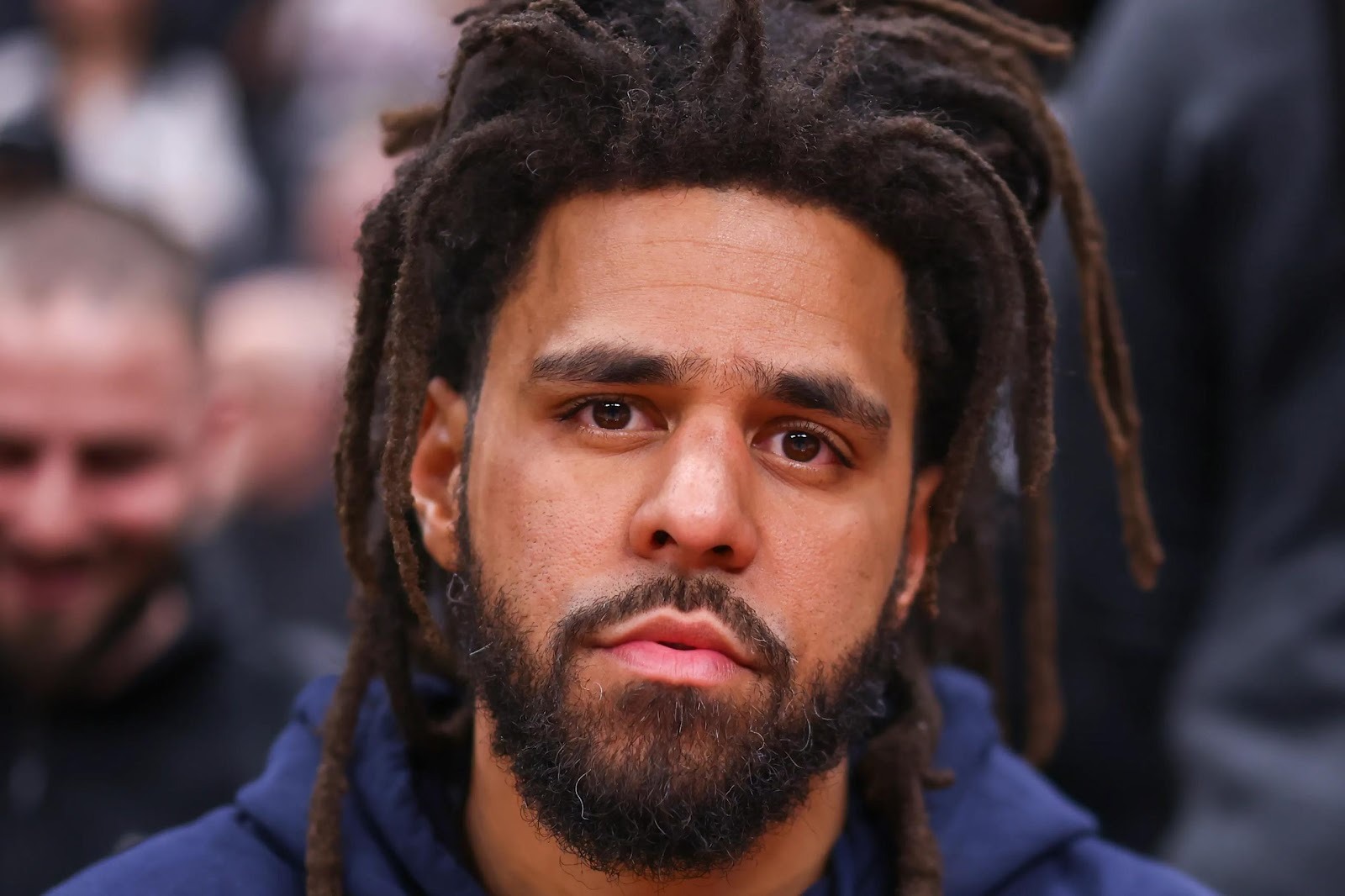
To promote his latest album ‘The Fall Off,’  J Cole has been on something of an interview tour, sharing details about the album and his personal life. In the past few days, however, this has found him embroiled in a PR nightmare. In one interview, he revealed that he was poised to release a podcast episode about his mythologized brawl with Diddy but decided against it because at the time Diddy had just gotten arrested on multiple counts of sexual misconduct. “It felt like kicking a man when he’s down,” he says. “It would have given the news, and the world, more ammo to destroy this dude.” Hearing these comments from J Cole, who has for a long time advocated for social justice in his music, feels terribly jarring, and calls into question the persona we’ve fashioned for J Cole in our minds. We have all seen the video of Diddy brutally kicking his former partner Cassie Ventura even as she pleads and tries to escape him. So, it's beyond disappointing that  J Cole admitted to protecting a serial abuser. More disconcerting is Cole’s attempt at framing Diddy as a victim. Perhaps this is yet another reminder not to place celebrities on a pedestal, regardless of their manicured public personas of whatever politics they claim to subscribe to. 
Pop Takes—Ye’s New Album ‘Bully’ Sparks New Debates, Druski Skewers Conservative Women in Latest Skit + More

Authored by
This is some text inside of a div block.

Last year, in an interview with Justin Laboy, Ye (the artist formerly known as Kanye West) revealed that the title of his next album, ‘Bully,’ is inspired by his son, Saint West. Dressed in an all-white ensemble, and framed against the backdrop of an austere white screen projecting various merch, the 48-year-old artist shared an anecdote of his son kicking one of his peers. “This man is really a bully,” he said with a slight chuckle. On the 28th of March, one day behind its scheduled release date, Ye finally released the album to the public. 
Expectedly, ‘Bully’ arrives tainted by the shadow of Ye’s erratic past few years, which found him drifting into the furthest reaches of the far right movement, culminating in a salvo of anti-semitic statements and an ugly track entitled ‘Heil Hitler.’

In the months leading up to the album’s release, Ye began something of a slow walk towards redemption. He renounced his antisemitic statements, drove a wedge between himself and his former Hitler-sympathizing Ilk—a group including Nick Fuentes—and took out a page on the WSJ, apologizing for his unseemly conduct and expressing a desire to do better moving forward. The apology has no doubt sanded down much of the public indignation Ye has faced in recent years. Nonetheless, his latest album has split public opinion and sparked a litany of questions and conversations. In this installment of PopTakes, I share my candid thoughts on the flurry of dissonant opinions attending ‘Bully’s’ release. I also pull apart J Cole’s recent head-turning remarks and Druski’s “deeply hilarious but no less politically charged” latest skit. 

Ye’s New Album ‘Bully’ Raises New Questions About Cancel Culture

Of course, many of Ye’s critics remain steadfast and others remain skeptical of his putative transformation from the volatile and often distasteful persona he has espoused in the past few years. But it's almost surreal witnessing the outpouring of love and support Ye’s ‘Bully’ is receiving. While Pitchfork, which is increasingly being viewed as a holdout of liberal idealism, awarded the project a scathing 3.4/10—a lower score than Ye’s less coherent projects ‘Vultures II’ and ‘Donda II’—the project has found immense commercial success. It currently sits atop the US Apple Music Top Albums Chart, and is expected to make a strong overture on the Billboard Albums Charts next week. Meanwhile, ‘Father,’ a standout from the album featuring Travis Scott, has peaked atop the Global Apple Music Singles Charts. In a recent vox pop by Complex, many listeners rave about the quality of the project and award the project ratings in the neighborhood 8/10. Ye is also billed to headline the Wireless Festival for three days in July. If you told any pop culture enthusiasts a few months ago that the pendulum of the public’s opinion on Ye would swing in reverse, in such a short span, they probably would have dismissed the prediction as hallucinatory or naive. And yet, here we are. 

Amid all of these, questions regarding the efficacy and politics of cancel culture, have begun to arise. One tweet reads: “Kendrick was right about cancel culture,” referring to his ‘Mr Morale and The Big Steppers’ album where he variously calls out the hypocrisy of cancel culture: people publicly denouncing cancelled artists like R Kelly while listening to them in private. 

Cancel culture is often framed as a wholly new phenomenon, an expedient of the internet age. In reality, it’s at best a version of an ancient tradition. For millennia, humans have banished, ostracized, or sent seemingly irredeemably transgressive individuals into exile. Cancel culture feeds into this instinct; the goal is to exile certain erring individuals from society. But in place of physical estrangement, cancel culture advocates for digital pariahdom. Cancelled individuals are to be ignored except for the rare occasions when it becomes incumbent on us to denounce their actions. Crucially, in the case where the cancelled person is an artist, we similarly are expected to disengage with their art. 

Here is where the problem lies. It's one thing to publicly distance oneself from a transgressive individual and an entirely different thing to eschew their art, especially for someone like Ye, whose talent and influence on contemporary popular culture is singular. If Ye’s current ascendancy reveals anything, it’s that the latter is an almost herculean task. Despite Ye’s pariahdom on social media in the past few years, his listenership on streaming platforms remained strong, well into the neighborhood of 60 million monthly listeners on Spotify. His public apology and newfound conciliatory disposition have only given people the license to admit that their love for the music is stronger than whatever moral objections they might have. 

Druski Skewers Conservative Women in Latest Skit

In American comedian Druski’s latest skit, he plays the conservative white lady archetype. Wearing a white suit and a blonde wig, his face prosthetically altered to resemble a white lady, he prances around a stage adorned with the blue, white, and red of the American flag. The video, captioned “How Conservative Women in America act,” has now garnered a staggering 183 million views on X alone. As one would expect, it has also sparked a welter of criticism. Some have argued that Druski’s skit gives white people the pass to play white face. This argument however collapses when one considers that white face lacks the historical and political context that makes black face discriminatory. 

More interestingly, while Druski refrains from name-dropping anyone in the video, viewers have drawn comparisons between the character Druski plays in the video and Erica Kirk, the widow of late conservative activist Charlie Kirk. Earlier this week, there were reports that Erica Kirk had issued Druski a cease-and-desist letter. But this turned out to be false, Kirk has neither spoken on the matter nor sent any letter to Druski. What's real is the number of comments from conservative individuals calling for some kind of censorship of the video. It brings to mind the level of backlash Jimmy Kimmel garnered among conservatives after he made a joke about Charlie Kirk, which ultimately led to his suspension by ABC late last year. Conservatives often cast themselves as free speech hawks. This was a major part of Trump’s appeal in the last election cycle, a position that endeared him to other self-acclaimed free speech hawks like Elon Musk. Given their putative commitment to free speech, it strikes me as odd and hypocritical that they seem to have taken a liking for calling for the censorship of whatever strikes them the wrong way. 

J Cole Drops Major Bombshell In New Interview

To promote his latest album ‘The Fall Off,’  J Cole has been on something of an interview tour, sharing details about the album and his personal life. In the past few days, however, this has found him embroiled in a PR nightmare. In one interview, he revealed that he was poised to release a podcast episode about his mythologized brawl with Diddy but decided against it because at the time Diddy had just gotten arrested on multiple counts of sexual misconduct. “It felt like kicking a man when he’s down,” he says. “It would have given the news, and the world, more ammo to destroy this dude.” Hearing these comments from J Cole, who has for a long time advocated for social justice in his music, feels terribly jarring, and calls into question the persona we’ve fashioned for J Cole in our minds. We have all seen the video of Diddy brutally kicking his former partner Cassie Ventura even as she pleads and tries to escape him. So, it's beyond disappointing that  J Cole admitted to protecting a serial abuser. More disconcerting is Cole’s attempt at framing Diddy as a victim. Perhaps this is yet another reminder not to place celebrities on a pedestal, regardless of their manicured public personas of whatever politics they claim to subscribe to. 
This is some text inside of a div block.

Pop Takes—Ye’s New Album ‘Bully’ Sparks New Debates, Druski Skewers Conservative Women in Latest Skit + More

Authored by

Last year, in an interview with Justin Laboy, Ye (the artist formerly known as Kanye West) revealed that the title of his next album, ‘Bully,’ is inspired by his son, Saint West. Dressed in an all-white ensemble, and framed against the backdrop of an austere white screen projecting various merch, the 48-year-old artist shared an anecdote of his son kicking one of his peers. “This man is really a bully,” he said with a slight chuckle. On the 28th of March, one day behind its scheduled release date, Ye finally released the album to the public. 
Expectedly, ‘Bully’ arrives tainted by the shadow of Ye’s erratic past few years, which found him drifting into the furthest reaches of the far right movement, culminating in a salvo of anti-semitic statements and an ugly track entitled ‘Heil Hitler.’

In the months leading up to the album’s release, Ye began something of a slow walk towards redemption. He renounced his antisemitic statements, drove a wedge between himself and his former Hitler-sympathizing Ilk—a group including Nick Fuentes—and took out a page on the WSJ, apologizing for his unseemly conduct and expressing a desire to do better moving forward. The apology has no doubt sanded down much of the public indignation Ye has faced in recent years. Nonetheless, his latest album has split public opinion and sparked a litany of questions and conversations. In this installment of PopTakes, I share my candid thoughts on the flurry of dissonant opinions attending ‘Bully’s’ release. I also pull apart J Cole’s recent head-turning remarks and Druski’s “deeply hilarious but no less politically charged” latest skit. 

Ye’s New Album ‘Bully’ Raises New Questions About Cancel Culture

Of course, many of Ye’s critics remain steadfast and others remain skeptical of his putative transformation from the volatile and often distasteful persona he has espoused in the past few years. But it's almost surreal witnessing the outpouring of love and support Ye’s ‘Bully’ is receiving. While Pitchfork, which is increasingly being viewed as a holdout of liberal idealism, awarded the project a scathing 3.4/10—a lower score than Ye’s less coherent projects ‘Vultures II’ and ‘Donda II’—the project has found immense commercial success. It currently sits atop the US Apple Music Top Albums Chart, and is expected to make a strong overture on the Billboard Albums Charts next week. Meanwhile, ‘Father,’ a standout from the album featuring Travis Scott, has peaked atop the Global Apple Music Singles Charts. In a recent vox pop by Complex, many listeners rave about the quality of the project and award the project ratings in the neighborhood 8/10. Ye is also billed to headline the Wireless Festival for three days in July. If you told any pop culture enthusiasts a few months ago that the pendulum of the public’s opinion on Ye would swing in reverse, in such a short span, they probably would have dismissed the prediction as hallucinatory or naive. And yet, here we are. 

Amid all of these, questions regarding the efficacy and politics of cancel culture, have begun to arise. One tweet reads: “Kendrick was right about cancel culture,” referring to his ‘Mr Morale and The Big Steppers’ album where he variously calls out the hypocrisy of cancel culture: people publicly denouncing cancelled artists like R Kelly while listening to them in private. 

Cancel culture is often framed as a wholly new phenomenon, an expedient of the internet age. In reality, it’s at best a version of an ancient tradition. For millennia, humans have banished, ostracized, or sent seemingly irredeemably transgressive individuals into exile. Cancel culture feeds into this instinct; the goal is to exile certain erring individuals from society. But in place of physical estrangement, cancel culture advocates for digital pariahdom. Cancelled individuals are to be ignored except for the rare occasions when it becomes incumbent on us to denounce their actions. Crucially, in the case where the cancelled person is an artist, we similarly are expected to disengage with their art. 

Here is where the problem lies. It's one thing to publicly distance oneself from a transgressive individual and an entirely different thing to eschew their art, especially for someone like Ye, whose talent and influence on contemporary popular culture is singular. If Ye’s current ascendancy reveals anything, it’s that the latter is an almost herculean task. Despite Ye’s pariahdom on social media in the past few years, his listenership on streaming platforms remained strong, well into the neighborhood of 60 million monthly listeners on Spotify. His public apology and newfound conciliatory disposition have only given people the license to admit that their love for the music is stronger than whatever moral objections they might have. 

Druski Skewers Conservative Women in Latest Skit

In American comedian Druski’s latest skit, he plays the conservative white lady archetype. Wearing a white suit and a blonde wig, his face prosthetically altered to resemble a white lady, he prances around a stage adorned with the blue, white, and red of the American flag. The video, captioned “How Conservative Women in America act,” has now garnered a staggering 183 million views on X alone. As one would expect, it has also sparked a welter of criticism. Some have argued that Druski’s skit gives white people the pass to play white face. This argument however collapses when one considers that white face lacks the historical and political context that makes black face discriminatory. 

More interestingly, while Druski refrains from name-dropping anyone in the video, viewers have drawn comparisons between the character Druski plays in the video and Erica Kirk, the widow of late conservative activist Charlie Kirk. Earlier this week, there were reports that Erica Kirk had issued Druski a cease-and-desist letter. But this turned out to be false, Kirk has neither spoken on the matter nor sent any letter to Druski. What's real is the number of comments from conservative individuals calling for some kind of censorship of the video. It brings to mind the level of backlash Jimmy Kimmel garnered among conservatives after he made a joke about Charlie Kirk, which ultimately led to his suspension by ABC late last year. Conservatives often cast themselves as free speech hawks. This was a major part of Trump’s appeal in the last election cycle, a position that endeared him to other self-acclaimed free speech hawks like Elon Musk. Given their putative commitment to free speech, it strikes me as odd and hypocritical that they seem to have taken a liking for calling for the censorship of whatever strikes them the wrong way. 

J Cole Drops Major Bombshell In New Interview

To promote his latest album ‘The Fall Off,’  J Cole has been on something of an interview tour, sharing details about the album and his personal life. In the past few days, however, this has found him embroiled in a PR nightmare. In one interview, he revealed that he was poised to release a podcast episode about his mythologized brawl with Diddy but decided against it because at the time Diddy had just gotten arrested on multiple counts of sexual misconduct. “It felt like kicking a man when he’s down,” he says. “It would have given the news, and the world, more ammo to destroy this dude.” Hearing these comments from J Cole, who has for a long time advocated for social justice in his music, feels terribly jarring, and calls into question the persona we’ve fashioned for J Cole in our minds. We have all seen the video of Diddy brutally kicking his former partner Cassie Ventura even as she pleads and tries to escape him. So, it's beyond disappointing that  J Cole admitted to protecting a serial abuser. More disconcerting is Cole’s attempt at framing Diddy as a victim. Perhaps this is yet another reminder not to place celebrities on a pedestal, regardless of their manicured public personas of whatever politics they claim to subscribe to. 
Other Stories
London
London
Lagos
London
Newyork
London
Shop
Join the community.
You are now subscribed to receive updates.
Oops! Something went wrong while submitting the form.