.svg)

.webp)
Open any book-focused corner of social media, there you'd find BookTok netizens crying over romantasy author Sarah J. Maas and contemporary romance writer Colleen Hoover, hauls and fantasy series ranked in elaborate tier lists. While Bookstagram is built around the visual aesthetics of physical books, Goodreads turns reading into a numbers game — novels logged, challenges completed, shelves filled. #BookTok, #Bookstagram and #BookTube have collectively gained over 170 million users, representing one of the most sustained and passionate reading communities the internet has ever produced. Though the platforms differ in format, the subject is almost always the same: prose fiction is celebrated loudly and publicly.
Scroll through all of it and you will find one conspicuous absence: comic books. Manga gets a seat at the table, but Western comics, graphic novels and everything in between are largely invisible in that conversation. The readers are quiet. The communities are smaller. The cultural validation and sense that what is being read counts as serious reading, something that is largely withheld. Yet, the numbers tell a story that the social media feed does not.
The global Comic book industry reached a valuation of nearly $17 billion in 2024 which is forecasted to nearly double by 2033 to reach between $31 and $37 billion according to Grand View Research.. Right now, ifty million people worldwide read Comics every month according to Electroiq. The average Comic reader reads four Comics a week–sixteen a month, which at the average price of four dollars per issue amounts to roughly the same monthly spend as buying three hardcover novels. These are not the numbers of a niche. They are the numbers of a mainstream reading culture that gets excluded from necessary conversations These prejudice has a history.
Comics arrived in popular culture as children’s entertainment as colourful, disposable, morally suspect. In the 1950s, American psychologist Fredric Wertham published Seduction of the Innocent, arguing that Comic books were corrupting the youth. The US Senate held hearings which led to the establishment of the The Comics Code Authority in 1954, self-censoring the industry into timidity for decades.
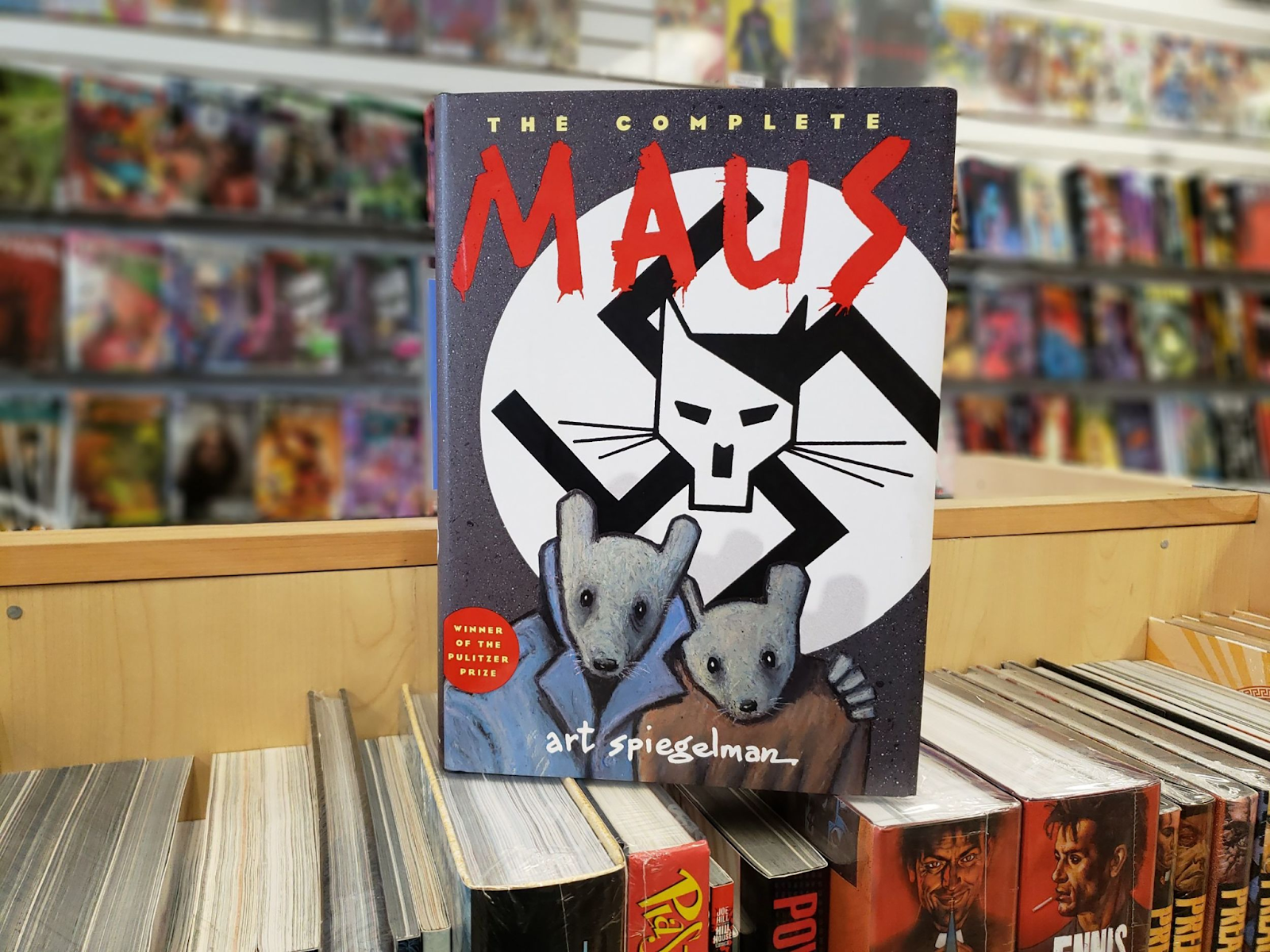
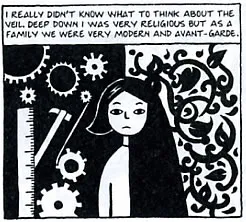
The fight for legitimacy has been slow and hard-won. In 1978, Will Eisner published A Contract with God and deliberately called it a “graphic novel.” In 1992, Art Spiegelman’s Maus - a Holocaust memoir told through anthropomorphic animals won the Pulitzer Prize. Marjane Satrapi’s Persepolis brought the Iranian Revolution to global readers through hand-drawn panels. Alan Moore’s Watchmen deconstructed the superhero genre with the philosophical rigour of a literary novel. Every one of these works proved what the form was capable of. And yet the prejudice persisted - not in outright dismissal, but in something quieter and harder to argue with. Comic books are still absent from most school curricula. They are shelved separately in bookstores, physically distanced from "real" literature. Literary prizes rarely consider them.
Book clubs do not typically select them. The cultural infrastructure that validates reading - the awards, the syllabi, the recommendations, the conversations - was not built with comic readers in mind, and has not been rebuilt to include them.
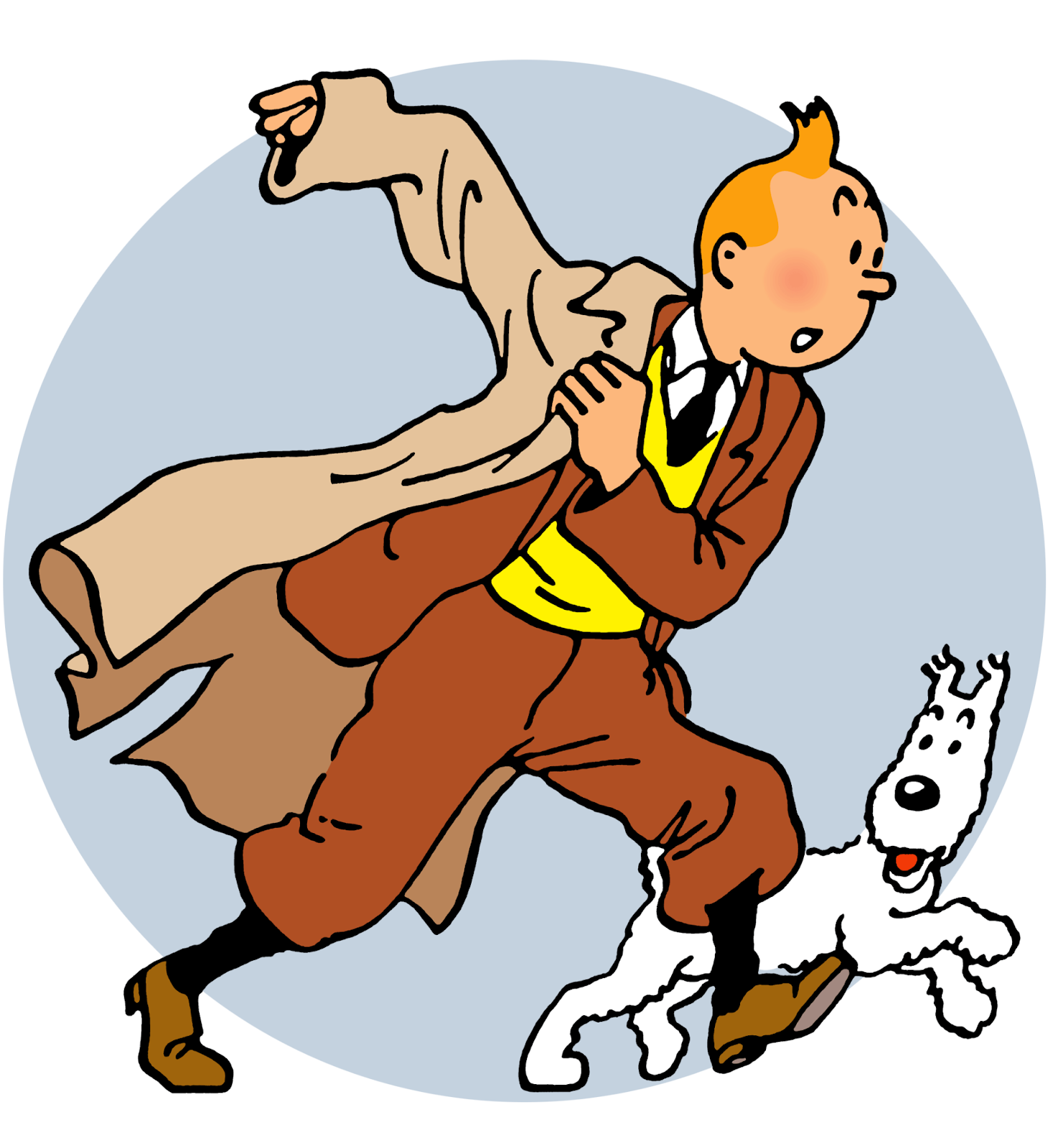
Consider The Adventures of Tintin - 24 Comic albums created by Belgian cartoonist Hergé, first published in 1929 and translated into more than 70 languages, with sales exceeding 200 million copies. Tintin has been adapted for radio, television, theatre and film. He has his own museum in Belgium. Scholars have written academic studies comparing Hergé’s panel work to that of Renaissance painters. This is not a children’s book that got lucky. This is one of the most widely distributed narrative works in human history. And yet in the current online reading conversation, it barely registers.
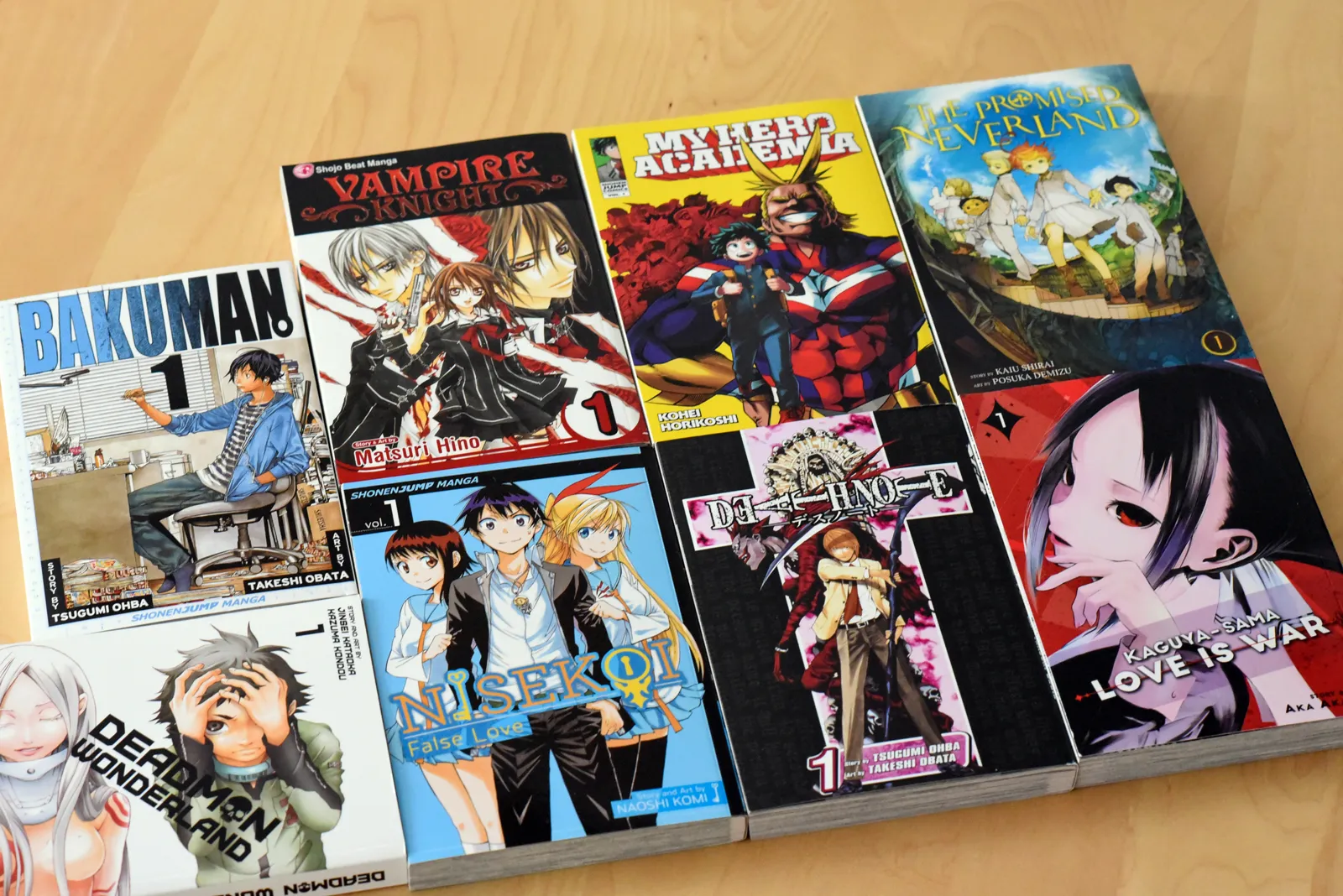
The one place where Comic culture has broken through the social media wall is Manga, and the numbers there are extraordinary. As of 2023, Manga accounts for 53% of the entire Comic book market share. East Asia holds 41.2% of global Comic book sales, with digital manga already accounting for nearly 80% of revenues in that segment. Among Webtoon readers, 40% are aged 18 to 24 and over 90% access via mobile. Manga has a visible, vocal, passionate online community that does not apologise for its enthusiasm. The question worth asking is what Manga did differently.
Part of the answer is serialisation - the weekly or monthly chapter release that creates ongoing investment and community discussion in real time. Part of it is genre diversity so broad that there is a Manga for every conceivable reader - horror, romance, sports, cooking, philosophy, historical drama. And part of it is the absence of literary gatekeeping. Manga was never told it needed to justify its existence as a serious art form. It simply built an audience and let the audience speak.
Western Comics and graphic novels have largely not had that freedom. In 2024, 40.7% of children aged 8 to 18 reported reading Comics or graphic novels at least once a month - making sequential art one of the most significant gateways into reading broadly. The form is not a stepping stone to real reading. It is a reading of a different and equally valid kind.
The numbers say comic books have a massive, committed, global readership. Social media says prose readers are the only readers worth celebrating publicly. That gap is not about quality or seriousness. It is about whose reading culture gets treated as culture and whose reading culture gets treated as something you did before you graduated to real books.
But the community exists, and it is building its own infrastructure quietly and without apology. CBR - Comic Book Resources is one of the largest comics-focused communities on the internet, with over 27,000 members, 141,000 threads and 7 million messages exchanged, numbers that dwarf most BookTok accounts. League of Comic Geeks offers a community-driven database of over 500,000 comic books where readers catalogue what they own, what they have read and what they want next - a Goodreads for comic readers, built by comic readers. Comic Book Club - a live weekly talk show and podcast has been bringing together comedians and comic book creators every week to do exactly what BookTok does for prose: talk about stories with genuine passion in public. And for readers who want something more intimate, Webtoon's vertical-scrolling format has taken over mobile reading globally, with even DC Comics partnering with GlobalComix to distribute 400 titles optimised for smartphone reading - meeting comic readers exactly where they already are.
The panels are waiting. The readers are already there. The communities have been built. The only thing missing is the noise, and that, unlike a $17 billion industry, is something that can change.




.png)

