.svg)

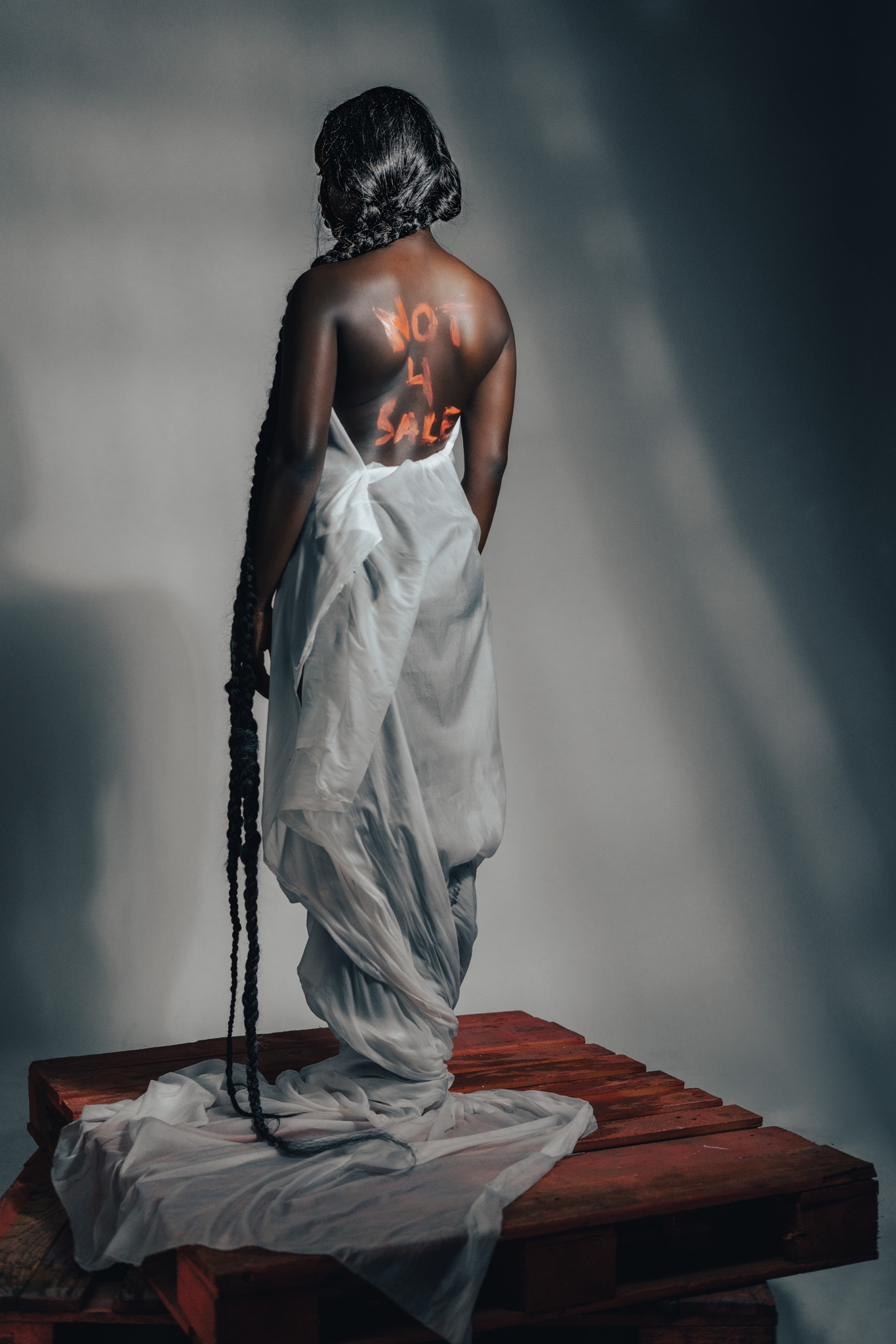
Women's History Month shouldn't just be a single month on the calendar; it should be an ongoing, year-round celebration of the multifaceted roles we inhabit. Whether they lead with integrity and grace or revolutionize industries, these women prove that leadership is defined by empathy and expertise. I have the distinct privilege of knowing each of these women personally and can speak directly to their incredible character and impeccable reputations. Their work ethic is nothing short of inspiring, but it is their dedication to the community that truly sets them apart. By bringing a deep sense of professional "know-how" to their respective fields, they are raising the standard of what it means to lead.
The Blueprint of Success: Strategic Authenticity and Discipline
Throughout these interviews, a powerful recurring theme emerged: the importance of strategic authenticity and unwavering discipline. For these leaders, being "authentic" isn't a marketing tactic; it is the very foundation of their business infrastructure. They refuse to conform to a single mold, choosing instead to stay true to their unique belief systems and the standards they have set for themselves. Success in these high-pressure industries is rarely about being the loudest; it is about being the most prepared. The "invisible work" often involves restraint, choosing long-term alignment over immediate gratification. There is a shared respect for the "old-school" grind, showing up humbly, learning the craft, and putting in the work until you've earned your seat at the table.
Pillar I: The Foundation of Care & Advocacy
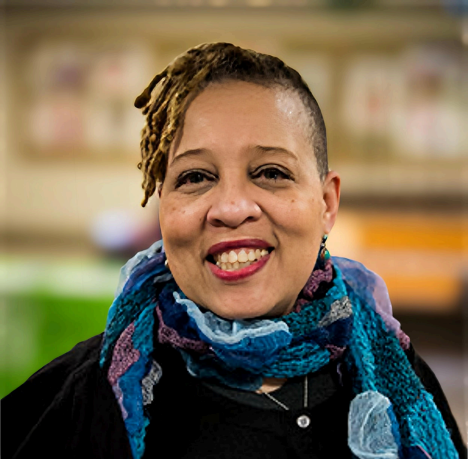
Gloria for Deeds Magazine: When you first entered spaces like Jacobi Medical Center and Montefiore, what was the 'missing piece' you identified in how we treated children in crisis?
Troy Pinkney: "When I was on the floors, I often saw children being given medical information that was either too vague or deliberately obscured by well-meaning staff. The missing piece was a formalized, systematic approach to age-appropriate, truthful communication and emotional preparation. Trust that children can understand more than we give them credit for".
How did you ensure that the 'humanity' and 'progressive pedagogy' of child development remained intact when you founded the online 'Master’s in Child Life' at Bank Street College?
Our program was known for the relationships we built with our students and for creating a community. I wanted to create this in the virtual space. Virtual instruction is here to stay. It is up to instructors to ensure that students feel connected to them and that students voices are heard and appreciated.
How do you describe the unique 'magic' and necessity of a Child Life Specialist?
I believe childhood is the best of many worlds. We use developmentally appropriate language to teach youth and families what is happening to them in the healthcare environment and to advocate for them with members of the multidisciplinary team. We support the entire family during their most challenging times".
Why is it impossible to provide true Child Life care without an intersectional lens on race and equity?
If we are to truly support the healthcare needs of all patients, we must understand their lived experience and the systems that impact care. For example, there is still a belief that Black children need less pain medicine than do white children. Some of the old stereotypes about Black people still exist in the field of medicine.
Pillar II: The Design of Brand & Identity
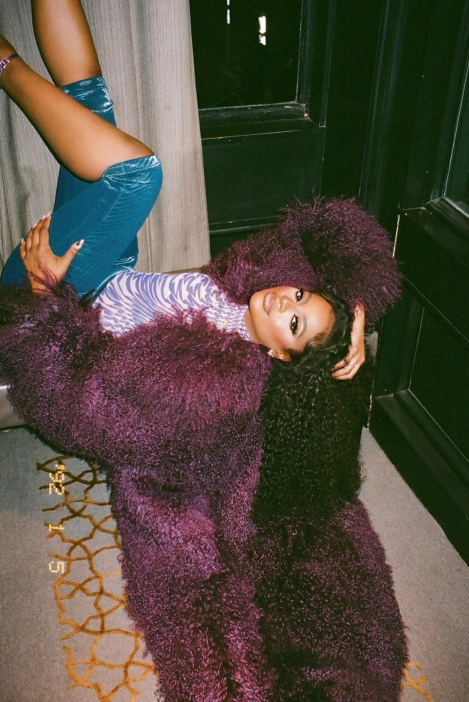
Gloria for Deeds Magazine: What was the specific moment you realized that a person's brand isn't just about image, but the business infrastructure?
NeeJay Sherman: There wasn't one defining moment; it was a realization over time. Studying Visual Studies and Business at LIM College taught me that perception is intentional and constructed. Every detail shapes how people feel; branding at its core is psychological. When I began working with talent, I saw the real gap: visibility without infrastructure. Many have attention and image, but not long-term positioning. A brand isn't what you post; it's the framework you construct around it.
How do you balance immediate demands with the need to build a legacy?
There are always two timelines running at once, the present and the future. The present demands visibility: press, campaigns, and cultural moments. The future demands positioning. Every decision goes through one filter: does this serve the long arc of the career? Buzz is temporary. Identity is lasting. Legacy isn't built in loud moments; it's built through disciplined, intentional choices.
What does 'culture-first' leadership mean to you in practice?
Culture-first means we don't chase relevance; we build it. In practice, culture-first leadership means understanding the community before monetizing it. It means protecting identity over chasing hype. It means asking a simple question before every partnership: does this expand the narrative, or does it dilute it? Temporary noise looks exciting. Cultural shifts feel inevitable.
What is the 'invisible' work that goes into being a brand strategist?
The invisible work is discipline. People see the deals and milestones, but they don't see the preparation, the strategic 'no's,' the long-term thinking, or the constant refinement behind it all. If there's one trait that has sustained me throughout my journey, it's discipline. Success isn't about being the loudest in the room. It's about being the most prepared.
Pillar III: Creative Production & Gatekeeping
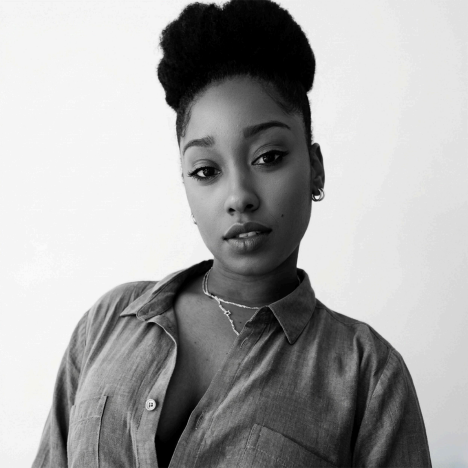
Gloria for Deeds Magazine: What was the 'catalyst moment' when you realized you needed to build Tunnel Media Group (TMG)?
Danielle Hawkins: As a market editor, my role was focused on discovering hidden brands and emerging talent, giving the underdog a platform to shine. With TMG, my motivation came from growing tired of the 'Glassdoor and gatekeeping' effect that often defines how the industry operates. I wanted to create a more level playing field where creatives have a fair opportunity to showcase their abilities and be recognized.
How does your agency provide a 'creative safe haven' for your roster?
It's no secret that being a woman, especially a woman of color in the fashion industry can come with its challenges. I believe it's important not to overpromise and to consistently deliver excellent work. For our artists at TMG, we work hard to create opportunities that they genuinely want to be part of and to place them with teams that truly appreciate their creative perspective. Our goal is never to put an artist in an uncomfortable position.
What is the one intangible quality you look for when deciding who is 'Tunnel' material? Energy rarely misleads. We're far more interested in a person's character and moral compass first, and their creativity second. We don't rush to sign every artist who wants to be represented by us. We prefer to spend time working together first, understanding the dynamic. No one wants to work with a jerk, no matter how gifted they are".
How are you intentionally 'breaking the tunnel' open for the next generation?
I come from an old-school mindset where you learn the craft, show up humbly, and put in the time. Today, it's common for someone to immediately feel entitled to a seat at the table. In my view, it doesn't work that way. I believe in seeing proof of consistency, dedication, and growth over time before someone is truly ready for that opportunity. That process builds character.
Pillar IV: The Bridge to Cultural Impact
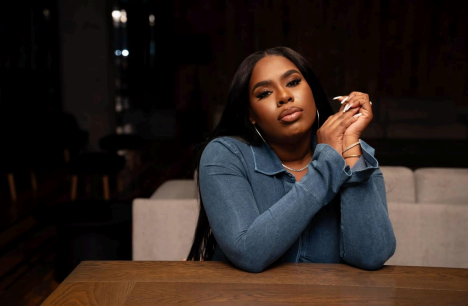
Gloria for Deeds Magazine: How do you learn to trust that inner compass over the external noise when leading marketing campaigns?
Janelle Gibbs: The best judgment of self is yourself. The relationship you build with yourself will guide you on the path meant for you. When you stay grounded in what you truly want, it will always set you apart. A lot of the outside noise is just a distraction meant to trick you out of your spot. If I had let that noise consume me, I wouldn't be where I am today.
How do you protect the authenticity of an artist's narrative when the industry demands faster content?
I make sure the artist's narrative stays authentic to who they are, their voice never gets lost, and people connect with something real, not just something quick. We all love a good trend, but authenticity lasts.
How do you manage the emotional labor of holding the 'bridge' up for others through initiatives like therapy and health resources?
We Black women are often superheroes without capes. Lately, I've been realizing that underneath it all, we're just human, far from perfect. My boss, Rayna Bass, reminded me that I can't put so much pressure on myself. I've been prioritizing uninterrupted 'me time' to protect my peace of mind.
How have you evolved your definition of 'success' from being reachable to being a strategist?
Early in my career, success in PR literally looked like having 3 phones. I still believe accessibility matters. As I've grown into the marketing space, I've realized it's not about being on all the time, it's about showing up smarter and more intentionally. These days I'm down to 2 phones, but I still always take my artists' calls.
Pillar V: Sound, Style & Heritage
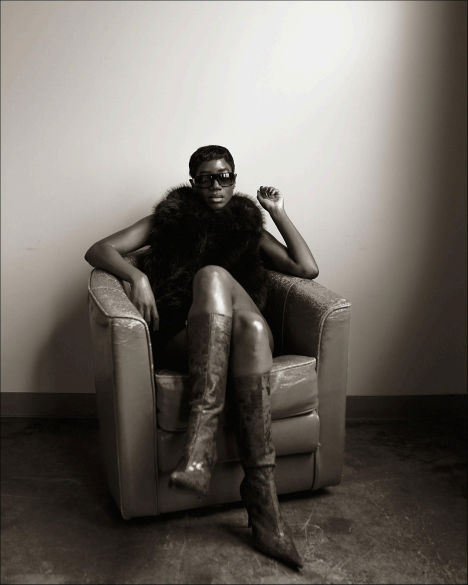
Gloria for Deeds Magazine: How does your Liberian heritage fuel the energy you bring to the decks in NYC as 'The Biggest Jue'?
Mohogany: My Liberian heritage is central to who I am. My parents came to America and built a life rooted in excellence and tenacity. In Liberia, 'Jue' refers to a beautiful, independent, boss woman, and that's exactly what I represent. I'm intentional about representing my people with pride and authenticity.
How do modeling and DJing help you express yourself beyond music?
I've never seen myself as just a DJ; I've always wanted to merge all my interests—fashion, fitness, and even my love for politics. It humanizes me. Social media often presents perfection, but I value showing that I'm a real person with depth, curiosity, and individuality.
What was the hardest moment you had to turn into a breakthrough?
In 2022, I lost an opportunity to DJ a Met Gala afterparty after a difficult set. I left feeling defeated—I even cried behind the booth. But that moment pushed me to grow. Two years later, I DJed at Burberry's Met Gala afterparty. I believe in turning setbacks into glory; you can always rise again.
What do you want the next generation to understand about building a brand like The House of Jue?
It's not easy, and it didn't happen overnight. It takes consistency, practice, and the willingness to fail publicly. Most importantly, it takes community. With humility and a commitment to your craft, not virality, you can build something real and lasting.
Final Reflections
As I look back on these conversations, the common thread is a profound commitment to purpose and calling. Each of these women, Troy, NeeJay, Danielle, Janelle, and Mohgany, stands as a testament to what happens when you follow your heart with an unshakeable sense of dedication. They have shown us that being a creator of your own path means constructing a legacy that creates space for others to thrive. Their work proves that thinking outside the box isn't just a business strategy—it is a way to create a better world for those who follow in their footsteps.
To close, I am reminded of the words of the incomparable Maya Angelou: "I've learned that people will forget what you said, people will forget what you did, but people will never forget how you made them feel".
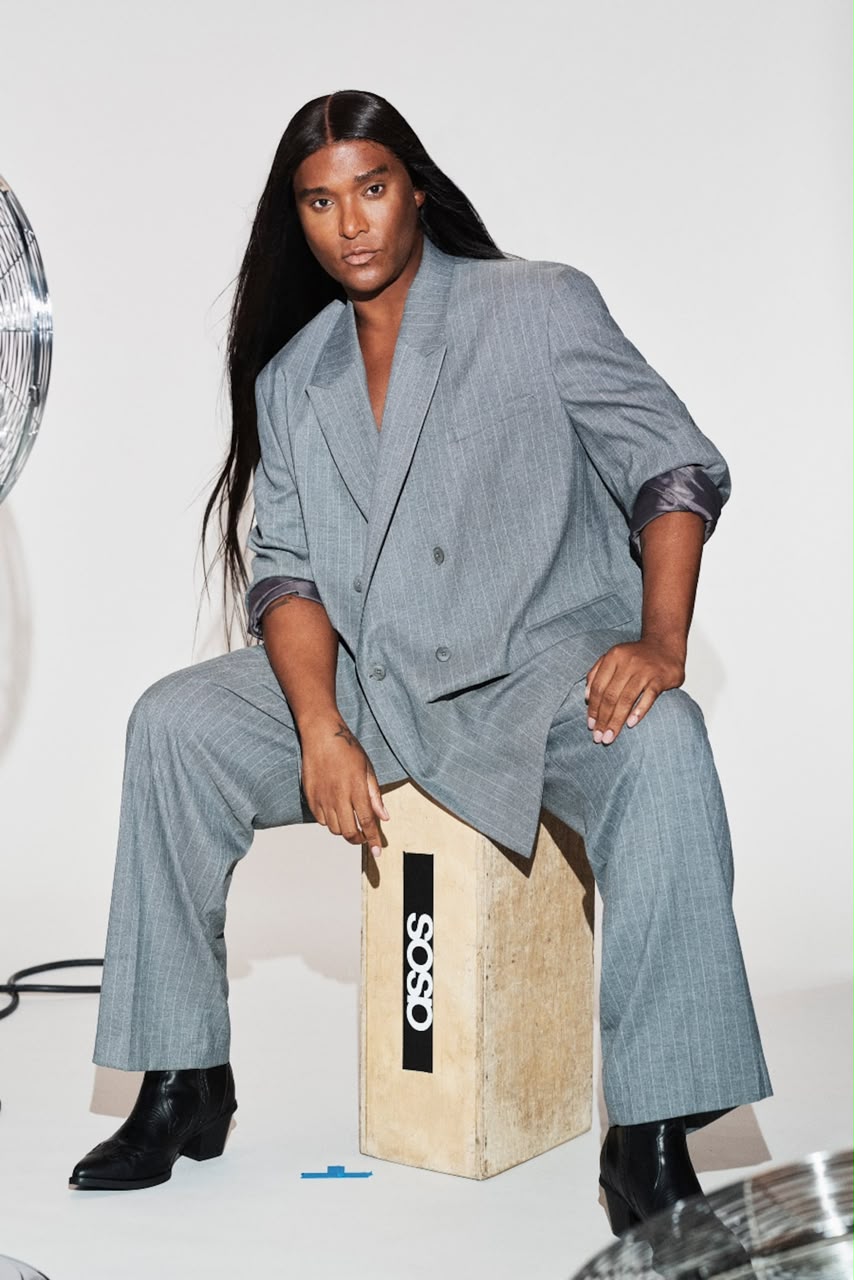
Cover Credit: Izeyah Narvaez


.png)

